

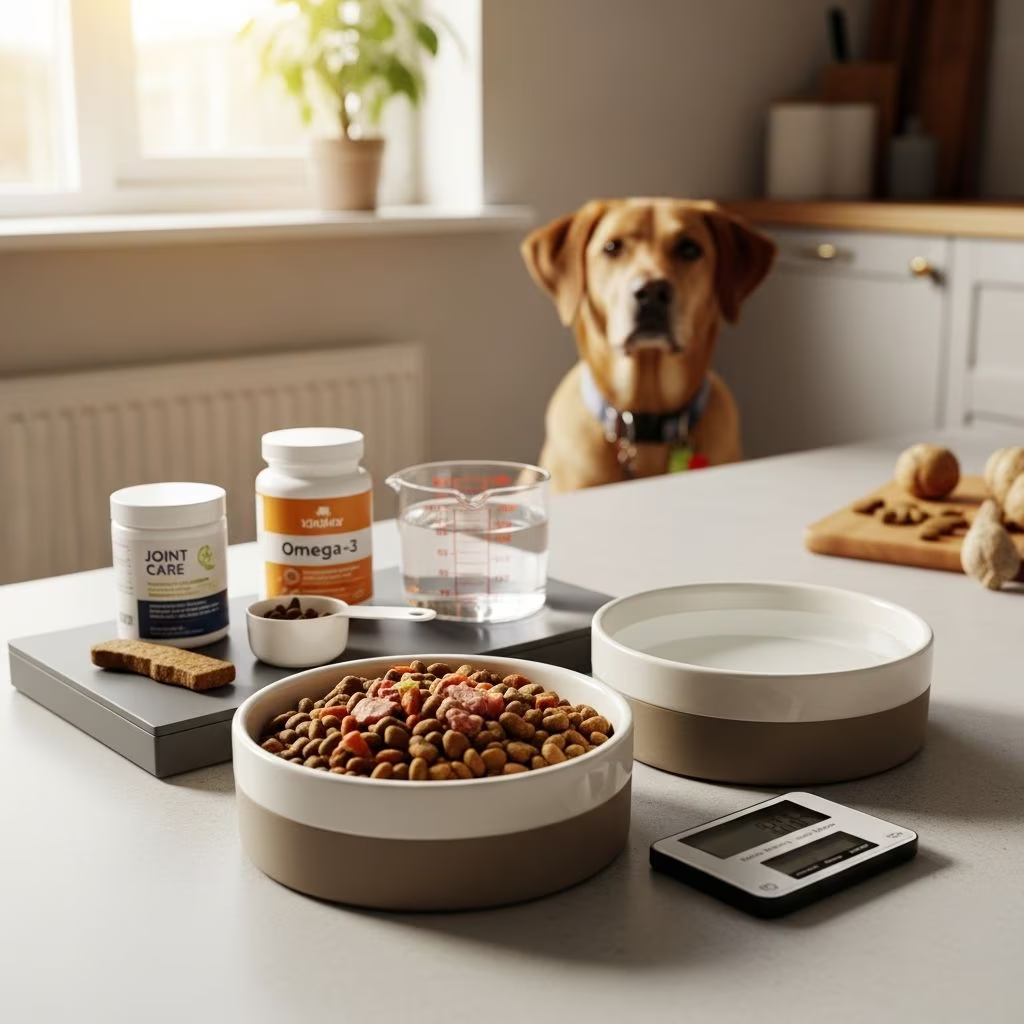
Establishing a reliable feeding routine for your dog offers numerous advantages, from supporting digestive regularity to enhancing overall vitality. Research indicates that structured meal times help dogs maintain steady energy, predict bathroom needs, and exhibit calmer behaviors.
Why Feeding Schedules Matter for Canine Wellness
Dogs thrive on predictability, much like their wild ancestors who hunted at specific times. A consistent schedule aligns with their internal clocks, optimizing metabolic processes and nutrient uptake. Unlike free-feeding, where food remains available all day, timed meals prevent overconsumption and allow owners to monitor intake precisely.
Studies from the Dog Aging Project reveal that feeding frequency directly influences health outcomes. Dogs on once-daily meals showed superior cognitive function and fewer issues in areas like the gastrointestinal tract and joints compared to those fed multiple times. This suggests that meal timing can play a pivotal role in longevity and quality of life.
Key Advantages of Structured Mealtimes
Implementing a feeding plan yields multifaceted benefits. Here’s a breakdown:
- Digestive Regulation: Regular intervals train the gut to process food efficiently, minimizing bloating, gas, and irregular stools. The digestive system gets adequate rest, reducing strain.
- Weight Control: Measured portions curb obesity risks. Free-feeding often leads to excess calorie intake, while schedules promote balanced energy use.
- Behavioral Stability: Anticipating meals decreases begging, anxiety, and food guarding. Dogs become more trainable, responding better to cues during mealtime.
- Health Monitoring: Appetite changes signal illness early, enabling prompt veterinary care.
- Cognitive Support: Once-daily feeding correlates with sharper mental acuity, akin to reversing years of age-related decline.
Comparing Feeding Frequencies: A Data-Driven Overview
Different schedules suit various life stages and health profiles. The table below summarizes pros and cons based on veterinary recommendations and research.
| Frequency | Best For | Pros | Cons |
|---|---|---|---|
| Once Daily | Healthy adults, seniors | Enhanced cognition, better organ health, appetite regulation | May not suit puppies or active breeds; risk of hunger in small dogs |
| Twice Daily | Puppies, adults, multi-dog homes | Steady energy, easier monitoring, prevents bloat | Requires more planning |
| Three+ Times | Puppies under 6 months, medical cases | Supports growth, stabilizes blood sugar | Potential digestive overload if not spaced properly |
| Free-Feeding | Not recommended | Convenience for owner | Obesity, poor monitoring, behavioral issues |
Tailoring Schedules to Your Dog’s Life Stage
Puppies: Building Strong Foundations
Young dogs need frequent nourishment for rapid growth. Veterinarians advise three to four meals daily until six months, transitioning to two by one year. This prevents hypoglycemia in small breeds and supports steady development.
Adult Dogs: Balancing Energy and Health
For most adults, two meals—morning and evening—provide optimal balance. This routine sustains activity levels without digestive fatigue. Consider breed specifics: high-energy working dogs may benefit from an extra small meal.
Seniors: Prioritizing Comfort and Cognition
Aging dogs often face slower metabolism and cognitive shifts. Once-daily feeding may preserve mental sharpness and reduce chronic conditions like kidney strain, per large-scale studies. Smaller, frequent meals help if arthritis affects eating posture.
Practical Tips for Successful Implementation
Transition gradually over a week to avoid tummy upset. Use these strategies:
- Measure kibble or raw food precisely using a scale for accuracy.
- Pair meals with 15-30 minute walks to aid digestion and prevent bloat.
- In multi-dog households, feed separately to avoid competition.
- Incorporate training: Require a ‘sit’ before serving to reinforce hierarchy.
Adjust for special needs, like post-surgery softer foods or diabetic low-carb timing. Always consult a vet for personalized advice, especially with conditions like pancreatitis.
Potential Challenges and Solutions
Not all dogs adapt instantly. Common hurdles include:
- Initial Hunger Whines: Distract with toys; consistency pays off in days.
- Pickiness: Stick to one food type initially; mix-ins later if needed.
- Travel Disruptions: Portable containers maintain routine on the go.
For once-daily trials, start with weekend monitoring to observe effects.
Nutritional Synergies with Meal Timing
Timing enhances nutrient absorption. Consistent schedules sync digestive enzymes, maximizing vitamins and proteins. Raw or fresh diets pair well with once-daily for natural fasting mimicry, supporting liver detox. Avoid evening overfeeding to prevent nighttime restlessness.
Frequently Asked Questions
Is once-a-day feeding safe for all dogs?
Not for puppies or those with medical issues; it’s ideal for healthy adults per research.
How long after eating should I walk my dog?
Wait 30 minutes to an hour to reduce bloat risk, especially in deep-chested breeds.
Can I switch from free-feeding abruptly?
No—taper over 5-7 days to prevent diarrhea.
What if my dog skips a scheduled meal?
Remove uneaten food after 15-20 minutes; offer next meal on time. Persistent refusal warrants a vet visit.
Does feeding frequency affect multi-dog dynamics?
Yes—scheduled separate meals curb fights and ensure fair portions.
Long-Term Impacts on Lifespan and Vitality
Emerging data links meal restriction timing to anti-aging effects, mirroring rodent and human studies. Dogs on optimized schedules exhibit fewer orthopedic and dental problems, potentially extending healthy years. Combine with exercise and check-ups for holistic care.
Owners report calmer households and fitter pets after adopting routines. Track progress via weight logs and vet feedback to refine your approach.
References
- Benefits of a Consistent Feeding Schedule — Dr. Choice Supplements. 2023. https://www.drschoicesupplements.com/benefits-of-a-consistent-feeding-schedule/
- Benefits of a Once-a-Day Feeding Schedule for Dogs — The Grateful Pet. 2023. https://thegratefulpet.sg/blogs/post/benefits-of-a-once-a-day-feeding-schedule-for-dogs
- The Science of Pet Nutrition: Why Consistent Feeding Schedules Matter — The Hungry Puppy. 2023. https://www.thehungrypuppy.com/blogs/posts-from-the-pup/the-science-of-pet-nutrition-why-consistent-feeding-schedules-matter
- Why Consistent Meal Times Matter for Your Pet’s Health — Pet Ponderosa. 2025-01. https://petponderosa.com/2025/01/why-consistent-meal-times-matter-for-your-pets-health/
- Once-daily feeding is associated with better health in companion dogs — PMC (Dog Aging Project). 2022-06-13. https://pmc.ncbi.nlm.nih.gov/articles/PMC9213604/
- How Once-a-Day Feeding Impacts Canine Behavior and Digestion — Unrivaled K9. 2023. https://unrivaledk9.com/how-once-a-day-feeding-impacts-canine-behavior-and-digestion/
- How Often Should I Feed My Dog? Free vs. Schedule Feeding — Purina. 2023. https://www.purina.com/articles/dog/feeding/guides/free-feeding-dogs



