

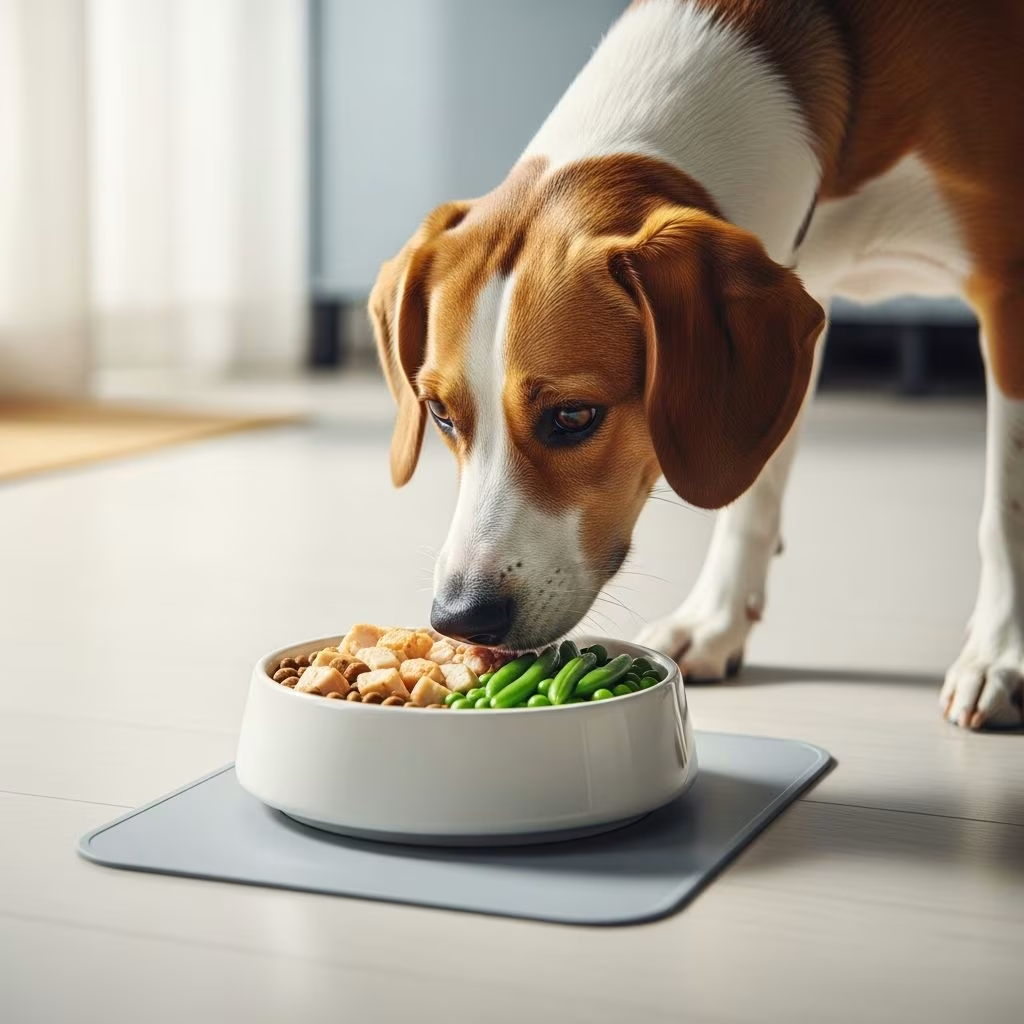
Proper nutrition forms the foundation of a dog’s health, influencing energy levels, coat quality, and longevity. This guide explores essential strategies for feeding dogs across life stages, from calculating daily portions to selecting nutrient-rich foods and establishing routines that promote well-being.
Understanding Canine Nutritional Needs
Dogs require a balanced intake of proteins, fats, carbohydrates, vitamins, and minerals to thrive. As omnivores, they efficiently process both animal and plant-based foods, though animal proteins should dominate for optimal muscle maintenance and vitality.
Proteins, ideally comprising 18-30% of the diet depending on age and activity, support tissue repair and immune function. Fats provide concentrated energy and aid absorption of fat-soluble vitamins, typically ranging from 8-25%. Carbohydrates offer quick energy but should stay under 30% to prevent excess weight gain. Essential vitamins like A, D, E, K, and B-complex, alongside minerals such as calcium, phosphorus, and zinc, ensure comprehensive health.
| Life Stage | Protein (%) | Fat (%) | Carbs (% max) | Key Benefits |
|---|---|---|---|---|
| Puppy | 22–32 | 10–25 | 30 | Supports growth and development |
| Adult | 18–25 | 8–20 | 30 | Maintains energy and body condition |
| Active Adult | 25–30 | 15–25 | 25 | Fuels endurance and recovery |
| Senior | 18–23 | 8–15 | 30 | Preserves muscle, suits slower metabolism |
| Weight Management | 25–30 (lean) | 8–12 | 25 | Aids fat loss while retaining muscle |
Calculating Daily Food Portions
Portion sizes vary by weight, age, activity, and food type. A general rule: feed 2-3% of body weight daily, divided into meals. Always check food packaging for calorie-specific guidelines and adjust based on your dog’s response.
For dry kibble, use these approximate daily amounts for adults:
| Weight (lbs) | Daily Cups (Dry Food) |
|---|---|
| 3-12 | 1/3 – 1 |
| 13-20 | 1 – 1 1/3 |
| 21-35 | 1 1/3 – 2 |
| 36-50 | 2 – 2 2/3 |
| 51-75 | 2 2/3 – 3 1/3 |
| 76-100 | 3 1/3 – 4 1/4 |
| 100+ | 4 1/4 + 1/4 per 10 lbs |
Measure with a standard cup, divide into 2 meals for adults. For mixing wet and dry, reduce kibble by 1/4-1/3 to match calories. Monitor body condition: ribs palpable but not visible indicates ideal weight.
Feeding Schedules by Life Stage
- Puppies (up to 4 months): 3-4 meals daily to support rapid growth. Gradually reduce frequency as they age.
- Junior (4-12 months): Transition to 2-3 meals, increasing portions for development.
- Adults: Two meals—one morning, one evening—promote steady energy and digestion.
- Seniors (7+ small breeds, 5+ large): 2 meals with senior formulas lower in calories, higher in joint-support nutrients.
Consistency in timing aids digestion and prevents begging. Puppies need more frequent access to fuel growth spurts.
Choosing High-Quality Dog Foods
Select AAFCO-approved foods meeting ‘complete and balanced’ standards. Prioritize named meat sources (e.g., chicken, beef) as first ingredients. Opt for organic, grass-fed options to minimize pesticides and grain residues in proteins.
Commercial kibble offers convenience; wet food adds hydration and palatability. Combine for variety: top kibble with wet for nutrient diversity and appeal. Raw diets require careful balancing to avoid deficiencies—consult vets.
Safe and Beneficial Treats
Treats should not exceed 10% of calories. Healthy choices include:
- Cooked fish (salmon) for omega-3s and coat health.
- Lean beef for iron and protein.
- Eggs (cooked, 1-2/week) for amino acids.
- Pumpkin for fiber aiding digestion.
- Apples (seedless) for vitamins and dental benefits.
- Carrots, bananas in moderation for crunch and potassium.
Avoid toxic foods: chocolate, grapes, onions, xylitol. Supervise chews like antlers or yak chews to prevent dental fractures.
Water: The Unsung Essential
Fresh water must always be available, refilled daily. Active or kibble-fed dogs need more; monitor intake as changes signal health issues.
Special Considerations and Adjustments
Adjust for activity: working dogs need 20-30% more calories. Neutered/spayed pets: reduce by 20-25% to counter slowed metabolism. Overweight dogs benefit from high-protein, low-fat formulas.
Pregnant/lactating females require gradual increases. Transition foods over 7-10 days mixing old/new to prevent upset.
Frequently Asked Questions
How often should I feed my adult dog?
Twice daily, morning and evening, for optimal digestion.
Can I feed my dog human food?
Some safe options yes, but limit to 10% calories and avoid toxins.
How do I know if my dog is getting enough food?
Check body condition: ideal if ribs felt with slight fat cover. Adjust based on weight trends.
Is wet food better than dry?
Neither alone; mixing provides hydration, variety, and complete nutrition.
When to consult a vet about feeding?
For allergies, weight issues, or life changes like surgery.
Monitoring and Long-Term Health
Weigh monthly, track stool quality and energy. Annual vet checkups refine plans. WSAVA guidelines emphasize tailored nutrition for disease prevention. VCA recommends life-stage specific feeding.
By prioritizing quality ingredients, precise portions, and routines, owners foster vibrant, healthy companions.
References
- A Dog’s Nutrition Chart, Feeding & Diet Guide — BARCLONDON. 2023. https://www.barclondon.com/blogs/guides/dog-nutrition-chart-feeding-guide
- Feeding Chart For Dogs: A Complete Guide — Darwin’s Pet. 2023. https://www.darwinspet.com/blogs/transitioning/feeding-chart-for-dogs-a-complete-guide
- Dog Feeding Chart: How Much Should I Feed My Dog? — Purina. 2023. https://www.purina.com/articles/dog/feeding/guides/how-much-should-i-feed-my-dog
- How Much Food a Day Should I Feed My Dog? — Houndsy. 2023. https://www.houndsy.com/blogs/modern-tails/how-much-food-a-day-should-i-feed-my-dog-a-comprehensive-guide
- Dog Food Portions: A Guide — NutriSource Pet Foods. 2023. https://nutrisourcepetfoods.com/blog/pet-parents/dog-food-portions-a-guide-to-how-much-to-feed-your-dog/
- What Do Dogs Eat? A Complete Guide — Plaza Animals. 2023. https://plazaanimals.com/pet-wellness-care-in-mooresville-nc/what-do-dogs-eat-a-complete-guide-to-canine-nutrition/
- What Do Dogs Eat? Feeding Guide — Pedigree. 2023. https://www.pedigree.com/dog-care-articles/what-do-dogs-eat



