

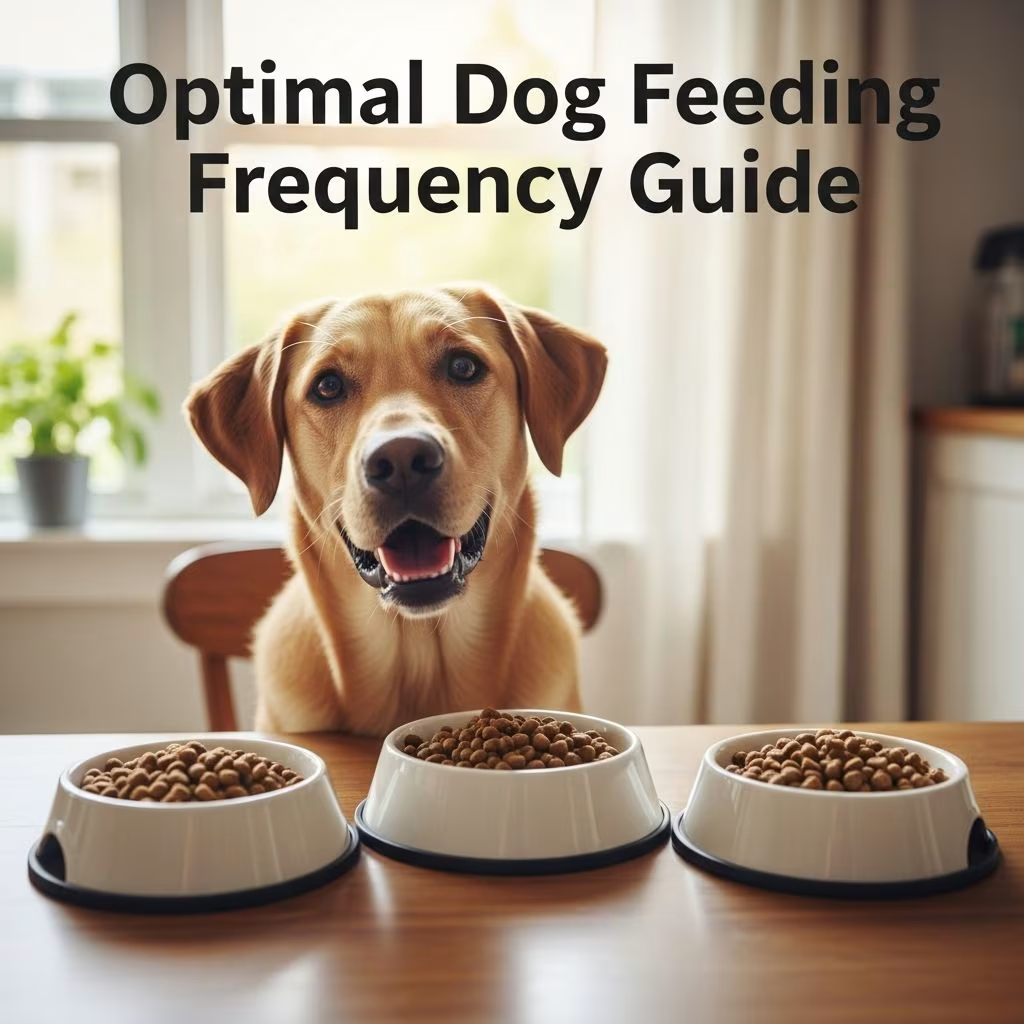
Establishing the right feeding routine is essential for your dog’s health, energy levels, and digestion. Most healthy adult dogs thrive on two meals daily, while puppies require more frequent feedings to support growth.Veterinarians generally recommend twice-daily meals for adults, with adjustments for puppies under five months needing three or more. This approach mimics natural eating patterns and helps maintain steady blood sugar.
Why Feeding Frequency Matters for Canine Health
A consistent schedule prevents obesity, reduces begging behavior, and minimizes digestive upset like bloat in large breeds. Irregular feeding can lead to overeating or malnutrition. Factors such as metabolism, activity, and medical conditions influence needs—always consult a vet for personalized advice. Proper timing aids house training in puppies by predicting elimination times.
Feeding Schedules by Life Stage
Dogs’ nutritional demands evolve with age. Puppies have tiny stomachs and high energy needs, while seniors may slow down.
Puppies: Frequent Small Meals for Growth
Weaning puppies transition from milk to solids around 8 weeks, needing 3-4 meals daily initially. By 4-6 months, reduce to three; most reach two meals by 6-12 months. Toy breeds often require 4-6 meals in early months due to faster metabolisms.
- 8 weeks to 4 months: 4 meals/day for toys; 3-4 for mediums/large.
- 4-6 months: 3 meals/day across breeds.
- 6+ months: Transition to 2 meals, breed-dependent.
Adult Dogs: Balanced Twice-Daily Routine
Healthy adults do best with meals 8-12 hours apart, like 7 AM and 7 PM. This sustains energy without overloading the stomach. Avoid free-feeding to control portions and prevent weight gain.
Senior Dogs: Adjustments for Aging
Older dogs (7+ years) may benefit from smaller, more frequent meals if they have dental issues or slower digestion. Stick to two unless vet advises otherwise.
Portion Sizes and Weight-Based Guidelines
Daily totals vary by weight, food type, and activity. Divide into scheduled meals. Below are general charts for dry kibble (adjust for wet food or treats, which count toward totals).
Adult Dog Daily Feeding Chart
| Weight Range | Daily Amount (cups) |
|---|---|
| 3–12 lbs | ½–1¼ |
| 13–20 lbs | 1¼–1⅔ |
| 21–35 lbs | 1⅔–2⅓ |
| 36–50 lbs | 2⅓–3 |
| 51–75 lbs | 3–3¾ |
| 76–100 lbs | 3¾–4⅔ |
| Over 100 lbs | 4⅔ + ¼ per 10 lbs extra |
Senior adjustments: Reduce by 10-20% or use senior formulas.
Puppy Growth Stage Chart (Daily Totals)
| Weight at Maturity | 1½–3 Months | 4–5 Months | 6–8 Months | 9–11 Months | 1–2 Years |
|---|---|---|---|---|---|
| 2–12 lbs | ¼–1¼ | ½–1⅓ | ½–1¼ | ⅓–1¼ | Adult |
| 13–20 lbs | ¾–1¾ | 1⅓–2 | 1⅔–2 | 1¼–1⅔ | Adult |
| 21–50 lbs | 1–2¾ | 1¾–3½ | 2¼–3¼ | 1¾–3¼ | Adult |
| 51–75 lbs | 1½–3 | 4–4⅔ | 4¼–4¾ | 3½–5⅓ | 3¼–4¼ |
| 76–100 lbs | 1¾–3 | 4–4⅔ | 4¼–5 | 5¼–5¾ | 4¼–4⅔ |
| 101+ lbs | 3 + ¼/10lbs | 4⅔ + ⅓/10lbs | 5 + ⅓/10lbs | 5¾ + ⅓/10lbs | 4⅔ + ⅓/10lbs |
Monitor body condition: ribs palpable but not visible. Adjust based on activity—active dogs need 20% more.
Breed and Size Variations in Feeding
Toy breeds (under 20 lbs) digest faster, needing up to 5 puppy meals initially. Medium breeds follow standard puppy transitions. Large/giant breeds risk gastric dilatation-volvulus (GDV), so split into 2-3 meals.
- Toy: 4-5 meals <4 months; 2 after 6 months.
- Medium: 3 meals <4 months; 2 adult.
- Large/Giant: 3 meals up to 4 months; 2-3 adult.
Special Cases: Health and Lifestyle Factors
Medical conditions like diabetes require precise timing; working dogs may need three meals. Pregnant or lactating females get extra frequent feedings. Always pick up bowls after 15-20 minutes to encourage eating and prevent spoilage.
Implementing a Routine
- Calculate daily total from charts/food label.
- Divide by meals (e.g., 2 cups/day = 1 cup/meal).
- Feed at fixed times; remove uneaten food.
- Weigh monthly; adjust calories as needed.
Common Mistakes and How to Avoid Them
Overfeeding from begging eyes leads to obesity—use measured scoops. Ignoring labels or generic charts causes imbalances. Free-feeding suits few dogs; schedules build discipline.
FAQs: Dog Feeding Essentials
How many times a day should I feed my adult dog?
Twice daily, 8-12 hours apart, is ideal for most.
Can I free-feed my dog?
Not recommended; it risks overeating and poor portion control.
When to switch puppy to adult feeding?
Around 12 months for large breeds, 9-10 for small.
What if my dog skips meals?
Monitor for illness; consult vet if persistent.
How do treats fit in?
Limit to 10% of calories; deduct from meals.
Tools for Success: Tracking and Apps
Use body condition scoring (BCS) charts: ideal is 4-5/9. Apps track intake; vets provide tailored plans.
References
- Dog Feeding Chart: How Much Food Should I Feed My Dog? — PetMD. 2023. https://www.petmd.com/dog/nutrition/are-you-feeding-your-dog-right-amount
- How Often Should Dogs Eat? — American Kennel Club (AKC). 2023-10-27. https://www.akc.org/expert-advice/nutrition/how-often-should-dogs-eat/
- How to Create a Feeding Schedule for Your Dog — Wellness Pet Food. 2024. https://www.wellnesspetfood.com/blog/how-to-create-a-feeding-schedule-for-your-dog/
- How Often Should I Feed My Dog? Free vs. Schedule Feeding — Purina. 2023. https://www.purina.com/articles/dog/feeding/guides/free-feeding-dogs
- Feeding Schedule for Dogs — Koret Shelter Medicine Program, UC Davis. 2022. https://www.sheltermedicine.com/library/resources/feeding-schedule-for-dogs



