

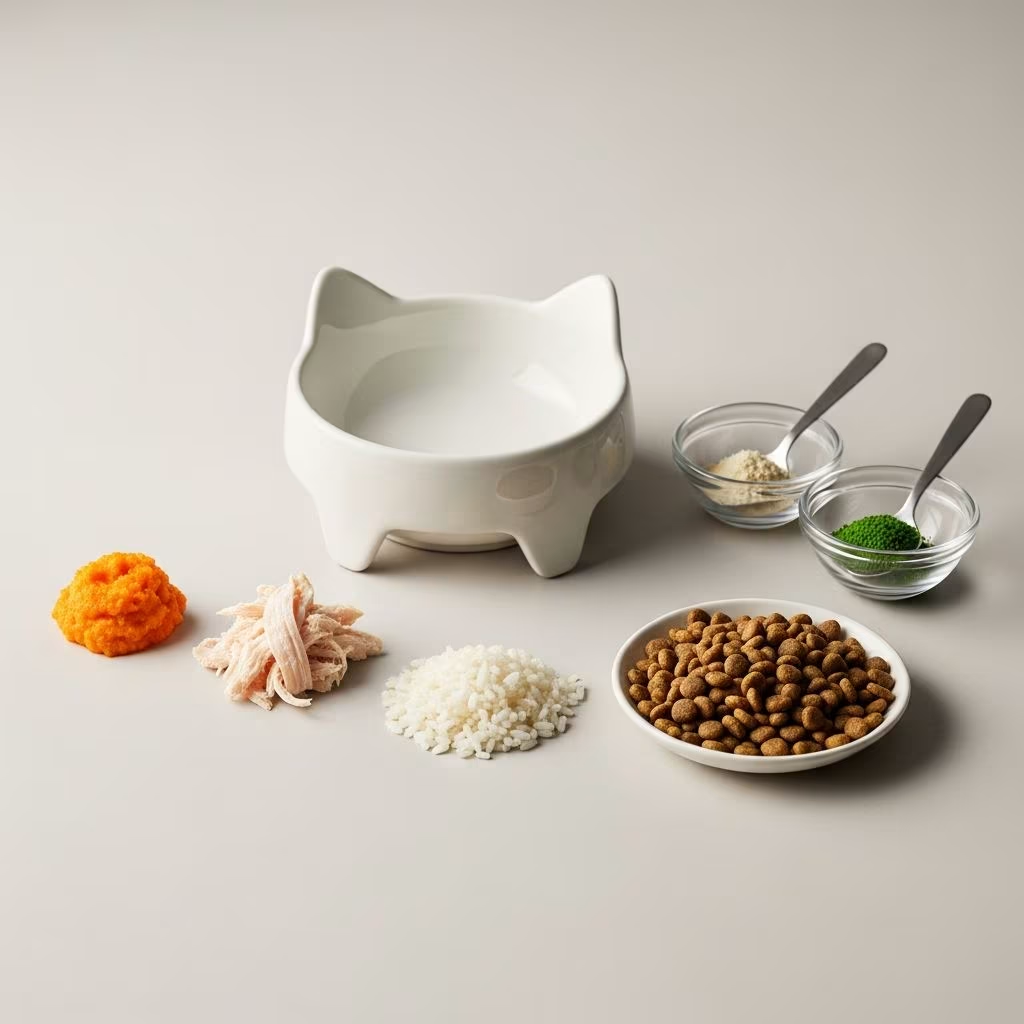
Pancreatitis in cats involves inflammation of the pancreas, disrupting digestion and nutrient absorption, often requiring specific nutritional adjustments to ease symptoms and promote healing. High-protein, low-to-moderate fat diets with high digestibility stand out as primary recommendations to minimize pancreatic strain while ensuring adequate nutrition.
Understanding Feline Pancreatitis and Nutrition’s Role
The pancreas produces enzymes for breaking down food and regulates blood sugar; when inflamed, it causes pain, vomiting, and appetite loss. Unlike dogs, cats tolerate moderate fat levels better, but overly fatty meals can exacerbate issues. Early feeding with easily digestible foods prevents complications like hepatic lipidosis, a serious liver condition from starvation.
Key nutritional principles include prioritizing protein for muscle maintenance, limiting fats to 20-40% of calories, reducing carbohydrates, and ensuring hydration through wet foods. These approaches support gut health and reduce inflammation via omega-3 fatty acids.
Acute Phase: Initial Feeding Strategies
During acute episodes, avoid fasting; instead, initiate small, frequent meals of highly digestible, high-protein formulas as soon as possible. Veterinary intervention may involve feeding tubes like nasogastric or esophagostomy for anorexic cats to deliver nutrients directly.
- Start with bland, low-residue foods to test tolerance.
- Progress to complete diets balancing protein, moderate fat, and moisture.
- Monitor for vomiting; adjust portions if needed.
Hospitalized cats benefit from enteral nutrition over intravenous methods unless gut access is impossible.
Chronic Management: Building a Sustainable Diet Plan
For ongoing care, focus on diets preventing relapses while maintaining lean body weight. High protein (over 40% dry matter) sustains feline obligate carnivore needs, moderate fat avoids overload, and low carbs mimic natural intake.
| Diet Type | Protein Level | Fat Level (% calories) | Carb Level | Best For |
|---|---|---|---|---|
| Prescription GI | High | 25-40% | Low | Acute/Chronic |
| Hydrolyzed | High | Moderate | Low | IBD Concurrent |
| Homemade Raw/Cooked | Very High | Moderate | Minimal | Long-term Custom |
| Low-Carb Canned | High | 20-25% DM | <10% DM | Non-Rx Option |
This table summarizes core diet profiles, with dry matter (DM) basis for accuracy in comparisons.
Top Prescription Diet Recommendations
Veterinarians often prescribe specialized formulas for reliability. Hill’s Prescription Diet i/d and w/d lines offer low-fat, highly digestible options with hydrolyzed proteins to curb allergies, ideal for pancreatitis linked to IBD.
- Purina Pro Plan Veterinary Diets EN Gastroenteric: Wet formulas with balanced nutrients for digestive support.
- Royal Canin Gastrointestinal Fiber: Thin slices in gravy enhance palatability and fiber for gut motility.
- Hill’s m/d or z/d: Diabetic and low-allergen variants suit multi-condition cats.
Transition gradually over 7 days by mixing with current food to avoid GI upset.
Non-Prescription Alternatives for Everyday Use
Over-the-counter options work if vet-approved, targeting low fat, high protein, and moisture. Brands like Nulo Freestyle, Tiki Cat, and Weruva provide canned varieties under 10% carbs DM and 20-25% fat.
Arden Grange Light cat food, at 11.96% fat DM, includes probiotics and omega-3s for immune aid, excluding common allergens.
Homemade and Fresh Food Approaches
Custom diets using lean proteins offer control but require balancing. Suitable proteins: kangaroo, venison, turkey breast, pork tenderloin (3-7% fat), or shrimp—raw or cooked.
- Select novel proteins if IBD suspected.
- Use supplements like BalanceIT or EZComplete for vitamins/minerals.
- Avoid carbs; keep fat moderate.
- Consult a veterinary nutritionist for formulations.
Short-term feeding needs no supplements, but long-term demands completeness to prevent deficiencies.
Enhancing Meals with Treats and Toppers
Freeze-dried options like chicken, turkey, or fish bits boost appetite without excess fat. Crumble over meals for enticement; limit to 10% daily calories.
- Low-fat choices: plain shrimp, tuna in water.
- Avoid dairy, high-sugar, or processed treats.
Hydration and Feeding Techniques
Wet foods excel due to 70-80% moisture, combating dehydration common in ill cats. Multiple small meals (4-6 daily) reduce pancreatic workload versus large boluses.
Techniques:
- Warm food slightly for aroma.
- Elevate bowls to ease eating.
- Flavor with vet-safe broths if needed.
Addressing Concurrent Conditions
Pancreatitis often pairs with IBD, diabetes, or liver issues, altering diets. Hydrolyzed or novel proteins help IBD; low-carb for diabetes (e.g., Purina DM, Royal Canin Diabetic).
Protein particle size may matter more than fat in cats, per recent studies.
Monitoring Progress and When to Adjust
Track weight, stool quality, appetite, and energy. Regular vet check-ups assess bloodwork for lipase/amylase levels. Adjust if weight gain occurs—aim for lean condition to deter relapses.
Avoid table scraps, fatty meats, or obesity promoters.
Frequently Asked Questions (FAQs)
Can cats with pancreatitis eat dry food?
Limited use; wet preferred for hydration and digestibility, but low-fat dry like Arden Grange Light may supplement if moistened.
Is raw food safe for pancreatitis cats?
Yes, if balanced and lean; use supplements for completeness. Start small to gauge tolerance.
How long before seeing diet improvements?
Days to weeks; consistent feeding yields better outcomes.
What fats are okay?
Moderate (25-40% calories); prioritize omega-3 sources.
Should I fast my cat during flare-ups?
No—early nutrition is crucial; consult vet immediately.
References
- What to feed cats with pancreatitis — VNG Pets. 2023. https://www.vngpets.com/blogs/news/what-to-feed-cats-with-pancreatitis
- What and how to feed your dog or cat with pancreatitis — Arden Grange. 2023. https://www.ardengrange.com/blog/what-and-how-to-feed-your-dog-or-cat-with-pancreatitis/
- What To Feed a Cat with Pancreatitis — PetMD. 2024. https://www.petmd.com/cat/nutrition/what-to-feed-a-cat-with-pancreatitis
- Pancreatitis Nutritional Plan — Hill’s Pet Nutrition. 2023. https://www.hillsvet.com/content/dam/cp-sites/hills/hills-vet/en_us/client-information-series/digestive-system/pancreatitis_en.pdf
- Nutritional management of pancreatitis and concurrent disease — PubMed (Peer-reviewed). 2024-04-07. https://pubmed.ncbi.nlm.nih.gov/38569533/
- Nutrition and Pancreatic Disease in Cats — VCA Animal Hospitals. 2023. https://vcahospitals.com/know-your-pet/nutrition-and-pancreatic-disease-in-cats
- Feline Pancreatitis — Cornell University College of Veterinary Medicine. 2023. https://www.vet.cornell.edu/departments-centers-and-institutes/cornell-feline-health-center/health-information/feline-health-topics/feline-pancreatitis



