

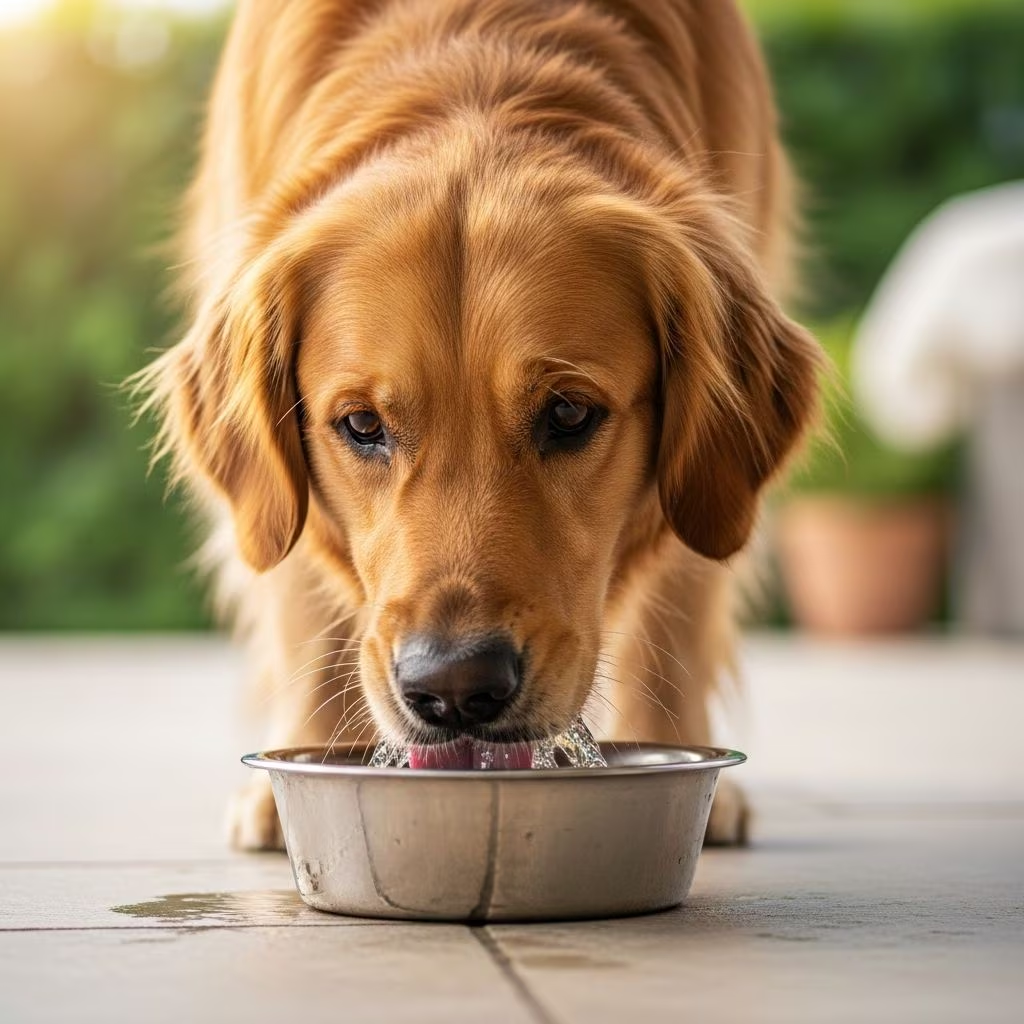
Water forms the foundation of canine health, supporting everything from temperature regulation to nutrient transport. Adult dogs typically require about 1 ounce of water per pound of body weight daily, though this baseline adjusts based on individual circumstances like size, exercise, and environment.
Understanding Baseline Hydration Requirements
The standard recommendation stands at roughly 1 ounce (or 30 ml) per pound of body weight each day for a healthy, resting adult dog. This equates to approximately 50-60 ml per kilogram, providing a reliable starting point. For instance, a 20-pound dog needs around 20 ounces, or about 2.5 cups, while a 50-pound dog requires 50 ounces, roughly 6.25 cups.
This guideline assumes moderate conditions. Puppies, lactating females, and highly active dogs often exceed it, sometimes reaching 1.25 ounces per pound or more. Conversely, dogs on moist diets may consume less from their bowl since food supplies additional fluids.
| Dog Weight (lbs) | Daily Water (oz) | Daily Water (cups) |
|---|---|---|
| 10 | 10 | 1.25 |
| 25 | 25 | 3.125 |
| 50 | 50 | 6.25 |
| 75 | 75 | 9.375 |
| 100 | 100 | 12.5 |
This table illustrates approximate needs for common weights under normal conditions. One cup equals 8 ounces.
Factors Influencing Your Dog’s Water Needs
Several variables can increase or decrease required intake beyond the baseline.
- Activity Level: Athletic dogs, such as those in agility training or hiking, demand up to 60 ml per kg per day due to sweat and panting losses.
- Climate and Temperature: Hot weather or low humidity prompts more drinking; dogs in arid areas may need 20-30% extra.
- Diet Type: Kibble-fed dogs drink more than those eating wet food, which contains 70-80% moisture.
- Age: Puppies require frequent small amounts, about 0.5 cups every two hours, while seniors might drink less due to reduced thirst signals.
- Health and Medications: Conditions like kidney disease or diabetes boost needs; diuretics can elevate intake significantly.
How to Accurately Track Your Dog’s Water Consumption
Monitoring ensures your pet stays within healthy ranges. Use this simple method:
- Provide water from a single bowl.
- Mark the full level with a permanent line.
- Measure and refill daily using a jug, recording amounts over three days for an average.
For precision, apply the formula for inactive dogs: 140 × (weight in kg)0.75 ml/day. Anything over 90 ml/kg signals potential issues.
Recognizing Dehydration: Vital Signs to Watch
Dehydration impairs organ function rapidly. Check these indicators:
- Gum Test: Press gums; they should whiten then pinken in 1-2 seconds. Stickiness or prolonged pallor indicates trouble.
- Skin Elasticity: Pinch skin on the neck; it should snap back instantly. Tenting suggests fluid loss.
- Behavioral Cues: Lethargy, dry nose, sunken eyes, or reluctance to move signal urgency.
Mild cases resolve with fresh water and rest, but severe ones demand veterinary electrolyte solutions.
Risks of Excessive Water Intake
While rare, overhydration (hyponatremia) dilutes blood sodium, causing seizures or coma. Triggers include uninterrupted access post-exercise or psychogenic polydipsia in stressed dogs. Limit gulping after runs and observe for vomiting or disorientation.
Strategies to Boost Hydration in Reluctant Drinkers
Some dogs ignore water bowls. Try these proven tactics:
- Add low-sodium broth or tuna water for flavor.
- Switch to fountains for running water appeal.
- Mix water into meals, especially kibble.
- Offer ice cubes as treats during hot spells.
- Use puzzle toys dispensing water.
Always prioritize clean, cool, fresh water changed twice daily to prevent bacterial growth.
Hydration Needs Across Life Stages
Puppies
Young dogs dehydrate quickly due to high metabolism. Aim for small, frequent offerings rather than large volumes at once. Weaning pups get much from milk, transitioning to 40-50 ml/kg as solids increase.
Adult Dogs
Steady at 1 oz/lb, with adjustments for lifestyle. Working breeds like Border Collies may double this during peak activity.
Senior Dogs
Aging reduces thirst response, raising dehydration risk. Elevated bowls ease access for arthritic joints, and wet food helps meet needs.
Special Cases: Lactating and Pregnant Dogs
Nursing mothers can require 2-3 times normal amounts to produce milk. Provide constant access and monitor weight.
Water Quality and Safety Considerations
Fresh, filtered tap water suits most dogs, but test well water for contaminants. Avoid hydrogen peroxide additives unless vet-recommended; they can irritate. In hard water areas, filters reduce minerals buildup.
During travel, carry portable bowls and avoid stagnant sources to prevent giardia or leptospirosis.
Integrating Hydration with Overall Nutrition
Water aids digestion, nutrient absorption, and waste elimination. Dogs on dry diets should match intake to food volume: 2-3 times the cups eaten daily. Balance with quality protein and fats prevents compensatory overdrinking.
Common Myths About Canine Hydration
Myth 1: Dogs don’t need water overnight. Fact: Free access prevents concentration of urine toxins.
Myth 2: Wet food eliminates drinking needs. Fact: It supplements but doesn’t fully replace, especially in active dogs.
Myth 3: All dogs love fountains. Fact: Some prefer still water; observe preferences.
FAQ
How much water does a 15-pound dog need daily?
Around 15 ounces or nearly 2 cups, increasing with heat or exercise.
What if my dog suddenly drinks more?
Consult a vet; it may indicate diabetes, infection, or kidney issues.
Can I restrict water to house-train puppies?
No, withholding risks health; schedule potty breaks instead.
Is bottled water better for dogs?
Not necessarily; safe municipal water works fine.
How do I know if water bowls are clean enough?
Rinse daily, wash weekly with pet-safe soap, and replace plastic if scratched.
References
- How Much Water Should a Dog Drink in a Day to Stay Healthy? — GoodRx. 2023. https://www.goodrx.com/pet-health/dog/how-much-water-should-a-dog-drink
- Ask the Vet Tech: How Much Water Does My Dog Need? — Figo Pet Insurance. 2023. https://figopetinsurance.com/blog/ask-vet-tech-how-much-water-does-my-dog-need
- Is my pet getting enough water? — Tampa Veterinary Hospital. 2022. https://www.tampavet.com/DrWebsters-Blog/water-for-pets/
- Dog Water Intake Calculator — Omni Calculator. 2024. https://www.omnicalculator.com/biology/dog-water-intake
- How Much Water Should Dogs & Cats Drink Each Day? — Hill’s Pet Nutrition. 2023. https://www.hillspet.com/pet-care/nutrition-feeding/how-much-water-should-dogs-and-cats-drink
- How Much Water Should a Dog Drink? — PetMD. 2023. https://www.petmd.com/dog/nutrition/evr_dg_the_importance_of_water
- How To Get a Dog To Drink Water — Chewy. 2023. https://www.chewy.com/education/dog/health-and-wellness/how-to-get-a-dog-to-drink-water
- How to Measure Your Dog’s Water Intake: A Key Indicator of Health — Companion Animal Vet. 2023. https://companionanimalvet.com.au/askthevet/dogs/how-measure-your-dogs-water-intake-key-indicator-health/



