

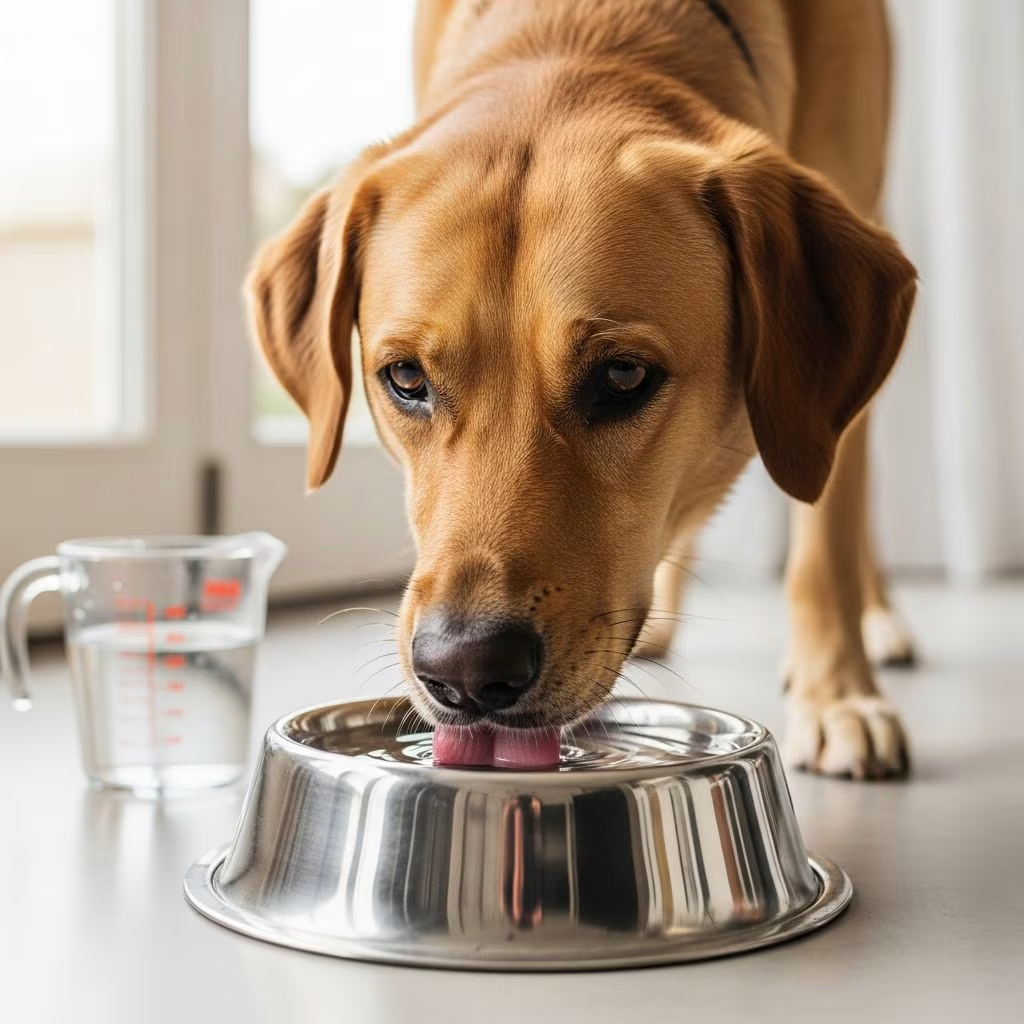
Healthy dogs require about 1 ounce of water per pound of body weight daily, though this baseline adjusts based on factors like size, diet, activity level, and climate. Proper hydration supports vital functions including temperature regulation, nutrient transport, and waste elimination, making it essential for canine well-being.
Why Hydration is Critical for Canine Health
Water constitutes roughly 70% of a dog’s body, fueling every physiological process from digestion to joint lubrication. It enables oxygen delivery via the bloodstream, maintains lung moisture, cushions organs, and aids in toxin removal. Without sufficient intake, dogs risk impaired organ function, reduced energy, and severe conditions like dehydration.
Daily fluid loss occurs through panting, urination, defecation, and evaporation, necessitating consistent replenishment. Inadequate hydration thickens blood, strains the heart and kidneys, and disrupts electrolyte balance, potentially leading to life-threatening complications.
Baseline Guidelines for Water Consumption
Veterinarians generally advise 0.5 to 1.25 ounces per pound of body weight as a safe range for adult dogs. This equates to roughly 2-3 times the volume of dry food consumed daily, since kibble lacks moisture.
For precision, convert pounds to ounces: a 20-pound dog needs 20-25 ounces (about 2.5-3 cups, as 1 cup = 8 ounces). Puppies demand more frequent access, around 0.5 cups every two hours, due to rapid growth.
| Dog Weight (lbs) | Daily Water (oz) | Daily Water (cups) |
|---|---|---|
| 5 | 5-6 | 0.6-0.75 |
| 10 | 10-12.5 | 1.25-1.6 |
| 20 | 20-25 | 2.5-3.1 |
| 30 | 30-37.5 | 3.75-4.7 |
| 50 | 50-62.5 | 6.25-7.8 |
| 75 | 75-93.75 | 9.4-11.7 |
| 100 | 100-125 | 12.5-15.6 |
This table provides estimates; always observe your dog’s behavior and consult a vet for personalized advice.
Factors Influencing Your Dog’s Water Needs
- Diet Type: Dry kibble-fed dogs drink more to compensate for low moisture (10% water content), while wet food (70-80% moisture) reduces drinking needs.
- Activity and Exercise: High-energy dogs or those in training lose fluids rapidly through panting and sweating, requiring up to double the baseline.
- Climate and Temperature: Hot weather or low humidity increases evaporation and thirst; dogs in arid areas may need 50% more.
- Age: Puppies and seniors have higher relative needs—pups for growth, elders for kidney support.
- Health and Medications: Conditions like kidney disease, diabetes, or post-surgery recovery boost intake; diuretics or salty diets do the same.
- Size and Breed: Larger breeds consume more absolutely, but small dogs like Chihuahuas need proportional vigilance.
Recognizing Dehydration: Early Warning Signs
Monitor intake by measuring bowl levels morning and evening, accounting for refills. Normal consumption stays within guidelines; deviations signal issues.
Dehydration symptoms progress from subtle to severe:
- Mild: Dry gums, slight lethargy, reduced skin elasticity (skin tents when pinched).
- Moderate: Sunken eyes, rapid heartbeat, cool extremities, minimal urination.
- Severe: Collapse, vomiting, seizures—emergency vet care required.
Test elasticity: Pinch neck skin; it should snap back instantly. Pale or sticky gums indicate trouble. Dark yellow urine or infrequent output also warns of deficit.
Risks of Excessive Water Intake
Overhydration (hyponatremia) dilutes blood sodium, causing cells to swell—brain cells included—leading to confusion, seizures, or coma. Rare in free-access scenarios, it occurs post-intense exercise with unchecked gulping or in water-intoxicated pups.
Balance is key: Provide constant fresh water but discourage bingeing after activity. Dilute electrolyte solutions aid recovery without overload.
Practical Strategies to Boost Hydration
Some dogs ignore bowls. Enhance appeal:
- Add low-sodium broth or tuna water (no onion/garlic).
- Use pet fountains for moving water preference.
- Freeze broth cubes for interactive licking.
- Mix water into meals gradually.
- Offer ice chips during heatwaves.
Multiple bowls around home encourage sipping. Track via automatic dispensers with meters.
Hydration During Special Circumstances
Puppies and Growth Stages
Pups need vigilant monitoring: small bladders fill fast, but dehydration hits hard. Free-choice access post-weaning, with spill-proof bowls.
Lactating or Pregnant Females
These dogs require 2-3 times normal intake for milk production and fetal support. Provide shallow, wide bowls for easy access.
Seniors and Chronic Conditions
Aging kidneys concentrate urine poorly, raising needs. Diabetes or UTIs mimic thirst; vet diagnostics essential.
Post-Exercise and Travel
After runs, offer small amounts frequently. Road trips demand portable bottles to maintain routine.
DIY Monitoring Tools and Tips
Implement a daily log:
| Time | Water Added (cups) | Water Remaining (cups) | Consumed (cups) | Notes (Activity/Weather) |
|---|---|---|---|---|
| Morning | 4 | – | – | Walked 30 min, warm day |
| Midday Refill | 2 | 1 | 3 | Playing fetch |
| Evening | – | 0.5 | 3.5 | Quiet evening |
| Total | 6 | – | 6.5 | Matches 50lb estimate |
Adjust based on totals; anomalies prompt vet visits.
Common Myths About Dog Hydration
- Myth: All dogs drink the same. Needs vary widely.
- Myth: Wet food eliminates drinking. Supplemental water still required.
- Myth: Cold water harms dogs. Room temp preferred, but chilled is fine.
Frequently Asked Questions
How do I know if my dog is dehydrated?
Check gum moisture (should be slick), skin turgor, and urine color. Persistent thirst or lethargy warrants a vet check.
Can I restrict water at night?
Generally no—free access prevents overnight dehydration. Use absorbent bedding for house-trained adults.
What if my dog refuses water?
Flavor enhancements or fountains help. Rule out illness first.
Does breed affect water needs?
Indirectly via size/activity; brachycephalics pant more, needing extra.
Is tap water safe?
Usually yes; filter if contaminants concern you. Avoid stagnant sources.
Long-Term Hydration for Lifelong Health
Consistent monitoring fosters vitality, preventing chronic issues like urinary stones or kidney strain. Integrate hydration into routines: post-meal checks, exercise breaks, seasonal bowl cleans. Annual vet bloodwork verifies kidney function ties to intake.
Empower your dog’s health through awareness—small daily habits yield profound results. When in doubt, professional guidance ensures tailored care.
References
- How Much Water Should a Dog Drink in a Day to Stay Healthy? — GoodRx Pet Health. 2023. https://www.goodrx.com/pet-health/dog/how-much-water-should-a-dog-drink
- Ask the Vet Tech: How Much Water Does My Dog Need? — Figo Pet Insurance. 2023. https://figopetinsurance.com/blog/ask-vet-tech-how-much-water-does-my-dog-need
- Is my pet getting enough water? — Tampa Veterinary Hospital. 2023. https://www.tampavet.com/DrWebsters-Blog/water-for-pets/
- How Much Water Should Dogs & Cats Drink Each Day? — Hill’s Pet Nutrition. 2023. https://www.hillspet.com/pet-care/nutrition-feeding/how-much-water-should-dogs-and-cats-drink
- How Much Water Should a Dog Drink? — PetMD. 2023. https://www.petmd.com/dog/nutrition/evr_dg_the_importance_of_water
- How To Get a Dog To Drink Water — Chewy Education. 2023. https://www.chewy.com/education/dog/health-and-wellness/how-to-get-a-dog-to-drink-water



