

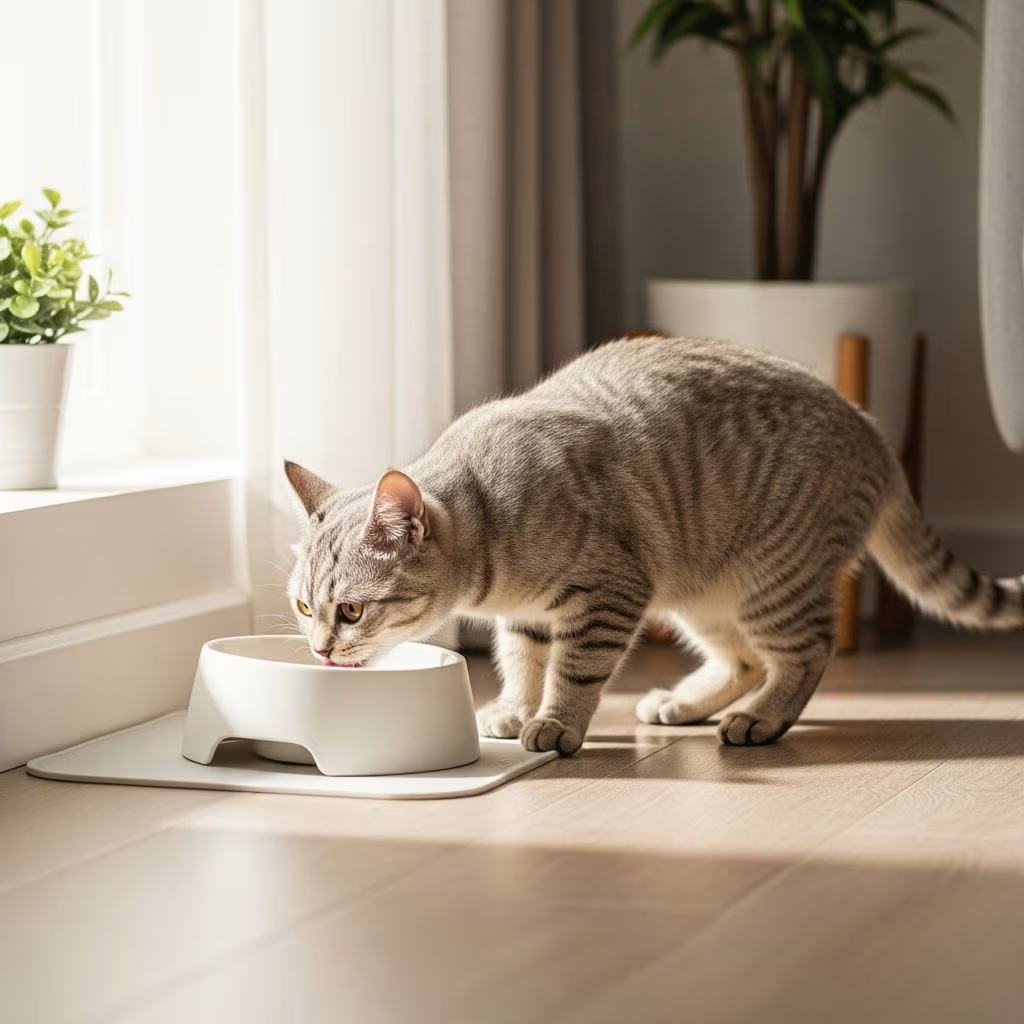
Choosing the right location for your cat’s food and water bowls significantly impacts their health, eating habits, and overall well-being. Cats are sensitive creatures that thrive in environments mimicking their natural instincts, where they can eat and drink without stress or contamination risks. This guide explores key principles for positioning bowls, drawing from veterinary recommendations and behavioral insights to help you create a perfect feeding setup.
Why Bowl Placement Matters for Feline Health
Improper bowl locations can lead to reduced appetite, digestive issues, or behavioral problems like food guarding. Cats in the wild eat away from water sources and resting areas to avoid predators and contamination, a preference that persists in domestic settings. A well-chosen spot promotes better posture, hydration, and portion control, potentially reducing obesity risks.
Key benefits include:
- Enhanced digestion through comfortable eating positions.
- Lower stress levels, encouraging consistent meals.
- Improved hygiene by minimizing exposure to dirt or pests.
- Better multi-pet harmony in shared households.
Essential Principles for Food Bowl Positioning
When selecting a spot for dry or wet food, prioritize tranquility and visibility. Cats dislike feeling trapped during meals, so opt for areas with clear lines of sight.
Select Quiet, Low-Traffic Zones
Busy kitchens with clanging pots or foot traffic can startle cats mid-bite, leading to hasty eating or skipped meals. Instead, choose a serene corner in a living room, hallway, or dedicated pet zone. In quieter homes, a pantry edge might work, but monitor for disturbances.
Maintain Distance from the Litter Box
Cats associate elimination areas with uncleanliness, often refusing food nearby. Aim for at least 10 feet separation to prevent litter tracking into bowls and uphold their innate cleanliness drive. In small apartments, use room dividers or elevated shelves as barriers.
Ensure Open Visibility and Accessibility
Position bowls where cats can survey surroundings without obstructions, reducing ambush fears. Flat, stable floors aid easy access for kittens, seniors, or arthritic cats—avoid stairs or counters unless elevated stands are used.
Strategic Water Bowl Placement
Water stations deserve separate consideration since cats instinctively separate drinking from dining, avoiding food odors or particles in their hydration source.
Separate from Food Sources
Place water bowls several feet away, ideally in another room or floor level. This setup boosts intake, crucial as cats often under-drink, risking urinary issues. Multiple stations throughout the home encourage exploration and freshness.
Cool, Shaded, and Fresh Spots
Avoid sunny windowsills or radiator proximity to keep water appealing. Running fountains mimic streams, enticing picky drinkers, but static bowls in breezy areas suffice if changed daily.
Tailoring Feeding Areas for Multi-Cat Homes
Multiple cats require thoughtful spacing to prevent competition. Solitary by nature, they prefer private dining to avoid fights or bullying.
Strategies include:
- One bowl per cat in distinct rooms or elevations.
- Horizontal and vertical separation, like shelves or cat trees.
- Staggered feeding times if space limits options.
| Household Type | Recommended Setup | Benefits |
|---|---|---|
| Single Cat | One food, multiple water spots | Simplicity, ample hydration |
| 2-3 Cats | Separate bowls per cat, different rooms | Reduces tension, ensures fair shares |
| Cats + Dogs | Elevated or enclosed cat-only zones | Prevents theft, promotes cat security |
For dog-inclusive homes, counters or high shelves deter canine raids while allowing agile cats access. Gradual transitions prevent confusion by maintaining old spots temporarily.
Enhancing the Feeding Station with Tools
Beyond location, accessories optimize the experience.
Elevated and Specialized Bowls
Raised stands (4-6 inches for most adults) align heads naturally, easing whisker fatigue and swallowing. Ceramic or stainless steel resists bacteria better than plastic.
Hygiene Maintenance Routines
Daily rinses with hot, soapy water, weekly deep cleans, and mat use prevent slips and spills. Sweep surrounding floors to deter ants.
Frequent Placement Errors and Fixes
Many owners unwittingly sabotage setups with these oversights:
- Near Noisy Appliances: Vibrations scare cats; relocate to stable, silent areas.
- Litter Proximity: Repositions 10+ feet away immediately improve appetite.
- Clustered Multi-Bowls: Space them out to curb dominance.
- Inconsistent Spots: Cats crave routine; stick to one location post-trial.
- Shared Food-Water: Split them to mimic wild behaviors.
Transitioning to New Locations Smoothly
Abrupt changes stress routine-loving cats. Introduce new spots gradually:
- Place identical bowls in both old and new areas with equal portions.
- Scent-mark new sites with used bowls.
- Encourage via play or treats near the novel position.
- Remove old bowls once adoption occurs (1-2 weeks).
FAQs on Cat Bowl Best Practices
Q: Can I put cat bowls in the bathroom?
A: Only if low-traffic and far from the litter box; humidity might spoil wet food.
Q: How often should I clean bowls?
A: Rinse food bowls after each meal, full wash daily; water daily refresh.
Q: What if my cat ignores the new spot?
A: Add enticing toppers like tuna juice; ensure visibility and quietude.
Q: Are automatic feeders good for location?
A: Yes, in approved quiet spots; they maintain consistency during absences.
Q: Best for senior cats?
A: Low, non-slip, elevated slightly for neck relief; arthritis-friendly access.
Advanced Tips for Picky or Health-Challenged Cats
For overweight felines, measured portions in fixed spots aid control. Medical cases like kidney disease benefit from fountain waters boosting intake. Observe preferences—some favor heights, others floors—and adjust iteratively.
Incorporate mats for mess containment and lighting for evening visibility. Track eating patterns; reluctance signals location or health issues needing vet input.
References
- Best Place to Put Cat Food Bowl: A Complete Guide — Uahpet. 2023. https://www.uahpet.com/blogs/post/best-place-to-put-cat-food-bowl-a-complete-guide
- Where To Put Cat Food and Water Bowls? — Americat Company. 2023. https://americatcompany.com/blogs/news/where-to-put-cat-food-and-water-bowls
- Where Do I Put Cat Food & Water Bowls? 6 Vet-Reviewed Options — Catster. 2024-05-15. https://www.catster.com/nutrition/where-do-i-put-cat-food-water-bowls/
- Where to Put Your Cat’s Food Bowl for Optimal Health & Happiness — Purina. 2023. https://www.purina.com/articles/cat/feeding/guides/where-to-put-cat-food-dish
- Where Should You Place Your Cat’s Food Bowl? — YouTube (Jackson Galaxy). 2022-10-12. https://www.youtube.com/watch?v=VIC102ICwEg



