

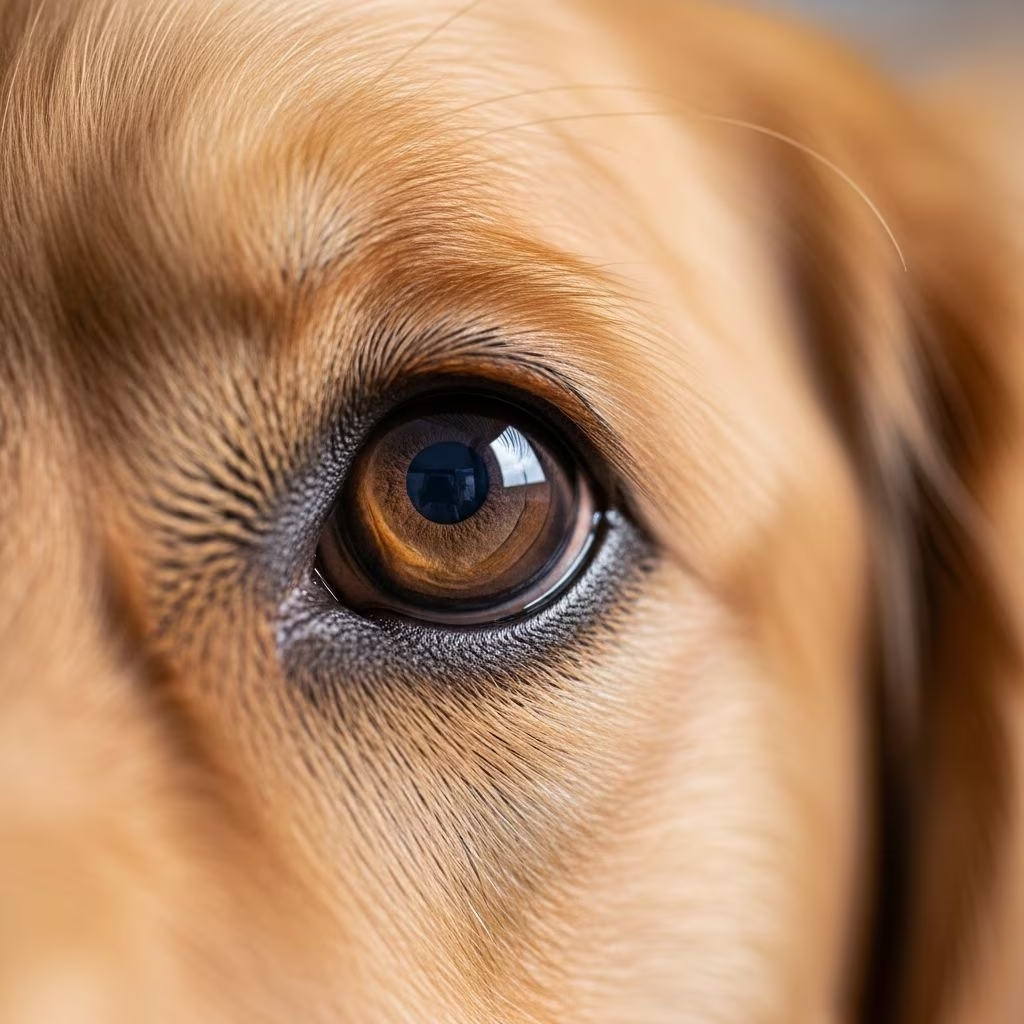
The optic nerve serves as the vital pathway transmitting visual signals from a dog’s eyes to the brain, making any disruption a potential cause of serious vision impairment. When this nerve faces inflammation, trauma, or other pathologies, dogs can experience rapid or gradual sight loss, impacting their daily navigation and quality of life. Pet owners must recognize these conditions early to pursue timely veterinary intervention, which can sometimes reverse damage or halt progression.
Understanding the Role of the Optic Nerve
In canine anatomy, the optic nerve connects the retina to the brain, bundling millions of nerve fibers that relay light-detected images. Damage here disrupts this flow, leading to blindness even if the eye structures remain intact. Common disorders include optic neuritis, characterized by nerve swelling due to inflammation, and other issues like trauma or compression from tumors.
Optic neuritis stands out as a frequent culprit, often linked to immune-mediated processes or infections spreading from elsewhere in the body. Unlike retinal diseases, where the eye’s light-sensing layer is affected, optic nerve problems occur behind the eye, making them harder to spot without specialized exams.
Primary Causes Behind Optic Nerve Damage
Several factors can trigger optic nerve disorders in dogs. Immune system malfunctions often lead to inflammation attacking the nerve sheath, as seen in cases tied to meningoencephalitis of unknown etiology (MUE). Infectious agents like fungal organisms, bacteria such as Toxoplasma, or viruses can invade the nerve directly or via bloodstream spread.
Trauma from head injuries may shear nerve fibers, while metabolic conditions like high blood pressure contribute to hypertensive retinopathy affecting the nerve head. Rarely, cancers or granulomas compress the nerve, mimicking inflammatory signs. Identifying the root cause is crucial, as treatments vary significantly.
- Immune-mediated inflammation: Attacks nerve myelin, common in breeds like French Bulldogs.
- Infections: Fungal, bacterial, or protozoal invasions.
- Trauma: Direct injury from accidents.
- Systemic diseases: Hypertension or toxins.
- Neoplasia: Tumors pressing on the nerve pathway.
Recognizing Early Warning Signs
Dogs with optic nerve issues rarely vocalize pain but show behavioral changes signaling vision trouble. Sudden blindness manifests as colliding with walls, hesitation on stairs, or failing to track treats. Owners notice dilated pupils unresponsive to light changes, a key indicator of nerve dysfunction.
Other clues include head pressing, circling, or reluctance to jump—signs hinting at broader neurological involvement. In bilateral cases, both eyes lose function quickly; unilateral issues might go unnoticed longer. Eye redness or cloudiness is less common unless secondary issues arise.
| Symptom | Description | Urgency Level |
|---|---|---|
| Sudden vision loss | Bumping into objects, disorientation | High – Seek vet immediately |
| Dilated pupils | No constriction in bright light | High |
| Behavioral changes | Confusion in familiar spaces | Medium to High |
| Eye discomfort | Rubbing or squinting | Medium |
Diagnostic Steps for Accurate Identification
Veterinarians start with a full ophthalmic exam, checking pupillary light reflexes (PLR) and menace response—where dogs blink at approaching hands. A sluggish or absent PLR points to optic nerve involvement.
Electroretinography (ERG) confirms retinal health, ruling out eye-specific problems. Advanced imaging like MRI or CT scans reveal nerve swelling, brain lesions, or masses. Blood panels screen for infections, while cerebrospinal fluid (CSF) taps detect inflammation markers.
- Initial eye and neuro exam.
- ERG to exclude retina disease.
- MRI/CT for structural views.
- Blood/CSF analysis for causes.
These steps pinpoint if the issue is isolated to the optic nerve or part of systemic disease, guiding therapy.
Treatment Strategies and Management
Treatment targets the underlying trigger while reducing nerve inflammation. High-dose corticosteroids like prednisone or dexamethasone form the backbone, often tapered over weeks. For steroid-resistant cases, add-ons like cytosine arabinoside or cyclosporine provide extra suppression.
Infectious causes demand antimicrobials; hypertension requires blood pressure meds. Supportive care includes pain relief with NSAIDs and eye drops for secondary issues. Hospitalization aids severe cases needing IV steroids.
Long-term plans involve regular check-ups to adjust meds and monitor vision via obstacle courses or reflex tests. Some dogs need lifelong immunosuppression to prevent relapses.
Prognosis and Factors Influencing Recovery
Outcomes range widely: studies report 30-64% of dogs regaining partial or full vision with prompt care. Presence of PLR at diagnosis boosts complete recovery odds; absent reflexes predict poorer results. Immune-mediated cases without MUE fare better than infectious or neoplastic ones.
Early intervention is key—delays allow scarring. Relapses occur in about 35% of cases, often requiring resumed therapy. Even blind dogs adapt well with environmental tweaks, maintaining happy lives.
- Favorable factors: Quick treatment, preserved PLR, isolated neuritis.
- Poor indicators: Delayed care, MUE association, bilateral severe swelling.
Preventive Measures and Home Care Tips
While not all causes are preventable, routine vet check-ups catch systemic risks early. Control hypertension in at-risk breeds via diet and monitoring. Avoid head trauma with leashes and safe play.
At home, enrich blind dogs’ spaces: consistent furniture layouts, textured paths, scent markers. Training with verbal cues rebuilds confidence. Nutritional support with omega-3s may aid nerve health, though evidence is anecdotal.[10]
FAQs on Canine Optic Nerve Disorders
What triggers most optic nerve inflammation in dogs?
Immune attacks or infections top the list, with rapid vision loss as the hallmark sign.
How soon should I see a vet for suspected blindness?
Immediately—delays worsen permanent damage.
Can all dogs regain sight after treatment?
No, but 30-64% show improvement if addressed early.
Are certain breeds more prone?
Yes, small breeds like French Bulldogs face higher immune-related risks.
What if my dog stays blind?
They adapt excellently; focus on safe, enriched environments.[10]
Advances in Veterinary Care
Recent studies refine protocols: polytherapy combining steroids with other immunosuppressants improves outcomes in tough cases. High-field MRI enhances detection of subtle lesions. Ongoing research explores neuroprotective agents to preserve fibers during inflammation.
Specialist veterinary ophthalmologists offer tailored plans, boosting success rates. Pet owners benefit from telehealth for follow-ups, ensuring compliance.
References
- Optic Neuritis in Dogs: Causes, Symptoms, and Treatment Guide — PetsCare. 2023. https://www.petscare.com/en-au/news/post/optic-neuritis-dogs-guide
- A Guide to Your Pet’s Optic Nerve Disorder and Treatment — Veterinary Vision Center. 2024. https://veterinaryvisioncenter.com/a-guide-to-your-pets-optic-nerve-disorder-and-treatment/
- Diagnosing and Managing Sudden Blindness in Dogs: A Veterinary Guide — Envision Eye Vet. 2023. https://envisioneyevet.com/diagnosing-and-managing-sudden-blindness-in-dogs-a-veterinary-guide/
- Optic Nerve Swelling in Dogs — PetMD. 2024. https://www.petmd.com/dog/conditions/eyes/c_multi_optic_neuritis
- Prognostic Factors for Recovery of Vision in Canine Optic Neuritis — Frontiers in Veterinary Science. 2019-11-15. https://www.frontiersin.org/journals/veterinary-science/articles/10.3389/fvets.2019.00415/full
- Canine Optic Neuritis — Hallmarq Veterinary Imaging. 2023. https://hallmarq.net/us/case-studies/optic-neuritis-in-dogs/



