
Opening Your Home to Foster Cats
Transform lives by becoming a temporary guardian for rescue cats in need
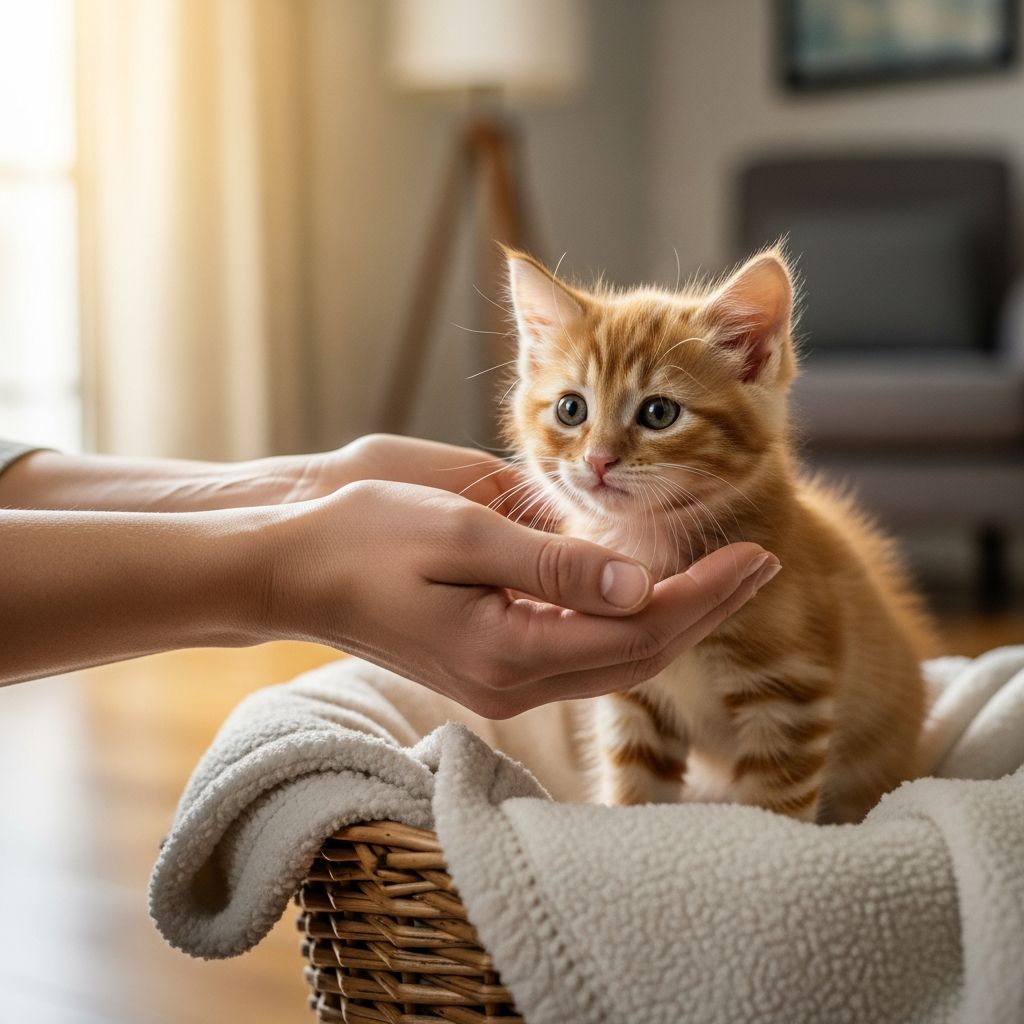
When you think about helping animals in your community, fostering may not be the first option that comes to mind. Many people assume that significant animal rescue work requires professional training, years of experience, or a permanent commitment. In reality, fostering a cat offers a flexible, rewarding pathway to support rescue organizations while enriching your own life. Whether you have a spacious house or a modest apartment, whether you work full-time or have flexible hours, there is a fostering opportunity that aligns with your situation. The process is straightforward and designed to be accessible to anyone with compassion and a willingness to help.
How Foster Homes Expand Rescue Capacity
Animal shelters and rescue organizations face a persistent challenge: limited physical space and resources. When a rescue facility accepts a cat into its shelter, that cat occupies a cage, requires staff attention, consumes food and medical supplies, and ties up valuable resources. By contrast, when that same cat moves into a foster home, the shelter immediately gains capacity to rescue another animal from a dangerous or overcrowded situation. This mathematical reality forms the foundation of why fostering matters so profoundly.
Some rescue organizations operate without any physical facility at all. They identify animals in crisis—strays surviving on the streets, pets subjected to abuse, or animals pulled from overcrowded municipal shelters—and immediately place them into foster homes. These organizations depend entirely on a network of foster guardians who provide the temporary housing and care that allows rescue work to happen at all. Without foster volunteers, many rescue operations could not function.
Creating Pathways to Successful Adoptions
The transition from rescue to forever home represents a critical juncture for many cats. A cat rescued from the streets or from an abusive situation may arrive at a shelter emotionally traumatized and behaviorally unpredictable. Placing such an animal directly into an adoptive home risks failure—the adopter may face unexpected behavioral challenges, and the cat may end up returned to the shelter, reinforcing its trauma and reducing its chances of successful placement.
Foster homes serve as a decompression chamber for these vulnerable animals. In a home environment, away from the noise and stress of a shelter, a cat can begin to decompress. Foster guardians can work gently on socialization, observe the animal’s true personality, address minor behavioral concerns through patient handling, and help the cat rebuild trust in humans. This intermediate step dramatically increases the likelihood that the subsequent adoption will succeed.
For adopters as well, having detailed information about a cat’s temperament, habits, and needs—gathered by a foster guardian who has lived with the animal—creates better matches. Potential families learn whether the cat is playful or reserved, good with children or better in quiet homes, or requires special dietary considerations. This knowledge reduces adoption returns and creates happier outcomes for everyone involved.
Medical Recovery and Rehabilitation Support
Cats requiring medical care present particular challenges for shelters. An injured cat needs pain management, wound care, and monitoring. A cat recovering from surgery requires a calm environment and restricted activity. A cat with an infectious disease may need isolation. Foster homes provide the ideal setting for these medical cases. Rather than occupying an expensive medical suite at a shelter, the cat receives care in a home environment where healing often proceeds more quickly due to reduced stress.
Beyond physical health, some cats need behavioral rehabilitation. An animal that has received little human socialization may need gradual exposure to normal household sounds, routines, and human interaction. A cat displaying fear or aggression benefits from a patient foster guardian who can work through these issues in a low-stress environment. These rehabilitation efforts, though time-intensive, transform animals that might otherwise be considered unadoptable into confident, socialized companions ready for their forever homes.
Accessibility and Flexibility for Foster Volunteers
One of the most appealing aspects of cat fostering is its accessibility. Organizations offering foster programs recognize that volunteers have diverse circumstances and capabilities. You need not be an experienced animal handler or possess special certifications. You need not commit to fostering for years or take on the most challenging cases. Foster programs typically offer options suited to various comfort levels and availability.
A foster program may include short-term fosters who take in cats recovering from minor illnesses or needing only a few weeks of socialization. Long-term foster situations exist for animals requiring extended rehabilitation. Some organizations specifically recruit fosters for “bottle baby” kittens needing hand-feeding, while others focus on adult cats. Some seek fosters for sick or injured animals, while others need homes for healthy, adoption-ready cats whose shelter is at capacity.
This flexibility means that whether you travel occasionally, work long hours, live in a small space, or have other constraints, a fostering opportunity likely exists for you. Foster organizations provide the supplies, food, and medical care; they handle veterinary decisions; and they offer guidance and support. Your role is simply to provide a safe, loving temporary home.
The Personal Rewards of Opening Your Home
While fostering fundamentally serves the animals and rescue organizations, the experience generates profound personal benefits for foster guardians. There is a unique satisfaction in witnessing a frightened, uncertain cat gradually transform into a confident, affectionate companion. Foster guardians often describe a sense of purpose and meaning that comes from directly improving another being’s life. This emotional reward—what might be called the “selfish side of selflessness”—becomes deeply fulfilling for many volunteers who find themselves reluctant to take a break between foster placements.
Research has documented numerous health benefits associated with caring for animals. Interaction with cats and other pets has been shown to lower blood pressure and reduce stress hormones. Pet owners and those who regularly interact with animals report decreased anxiety levels. The physical activity involved in daily pet care contributes to overall fitness. For children growing up in homes with animals, exposure to pets has been associated with reduced risk of developing allergies and asthma, potentially due to early immune system stimulation.
Beyond individual health benefits, fostering strengthens community connections. Foster volunteers often connect with rescue organization staff, other foster guardians, and adopters. These relationships build social networks and create a sense of belonging to a community of compassionate people working toward a shared mission. For those seeking meaningful social engagement, fostering provides natural opportunities to connect with like-minded individuals.
Getting Started with Cat Fostering
Beginning your fostering journey requires just a few straightforward steps. First, identify local rescue organizations or shelters offering foster programs. These organizations have established systems for screening foster families, matching animals to homes, and providing ongoing support. When you contact them, they typically ask about your living situation, experience with animals, preferences regarding which types of cats you feel comfortable fostering, and your availability.
Most organizations then arrange an informal visit where program coordinators learn about your home environment and answer your questions. They want to ensure good matches between foster families and animals. They may ask whether you have other pets, children, or circumstances that influence which cat would thrive in your home.
Once approved, organizations provide everything needed to care for your foster cat. This typically includes food, litter, basic supplies like collars and leashes, and sometimes crates or carriers. Importantly, all veterinary care remains the responsibility of the rescue organization. If your foster cat becomes ill or injured, you contact the organization and they handle medical decisions and costs. This arrangement removes financial barriers to fostering and ensures professional medical oversight.
What Foster Guardians Typically Provide
While rescue organizations cover medical expenses and supplies, foster guardians provide the essential elements that transform a cat’s life:
- Safe physical space: A comfortable environment where the cat can feel secure, away from hazards and excessive noise
- Consistent routine: Regular feeding times, play sessions, and interaction that help the cat feel grounded
- Patient socialization: Gentle introduction to normal household activities, sounds, and human interaction
- Behavioral observation: Noting the cat’s personality, habits, preferences, and any quirks or special needs to communicate to adopters
- Emotional support: Simple companionship and affection that help traumatized animals rebuild trust
- Advocacy: Sharing information with potential adopters to help them understand the cat’s personality and needs
The Multiplier Effect of Foster Networks
The impact of foster networks extends beyond the individual cats in foster homes. Each foster placement frees shelter resources for another rescue. Foster homes provide real-world information that improves adoption outcomes. Successful adoptions reduce the return rate and strengthen community perception of rescue organizations. Volunteers active in fostering become ambassadors who educate friends and family about adoption, rescue work, and animal welfare.
Consider the cumulative effect: One foster volunteer caring for one cat per month contributes to twelve rescue placements annually. A foster network of fifty volunteers might facilitate six hundred animal rescues per year—a scale of impact that would be impossible for most organizations to achieve through shelter space alone.
Overcoming Common Concerns About Fostering
Potential foster guardians sometimes worry about becoming too attached to their foster cats. In reality, this emotional connection typically enriches the experience rather than detracting from it. Understanding that your role is temporary and that you are preparing the cat for its forever home reframes attachment as motivation rather than obstacle. Many foster guardians find that knowing they helped an animal move forward into a better life creates satisfaction that outweighs any sadness at saying goodbye. Some volunteers even attend adoption events to witness their former fosters meet their new families.
Others worry about capability—wondering if they possess sufficient expertise to handle a foster cat. The truth is that rescue organizations carefully match animals to foster homes based on comfort levels and experience. No one is asked to manage a case beyond their capacity. Organizations provide behavioral guidance, training resources, and direct access to staff for questions or concerns. Your role is not to be an expert but to be present, patient, and willing to follow guidance.
Taking the First Step
Fostering offers one of the most direct ways for individuals to meaningfully support animal rescue and welfare. It requires no special training, significant financial investment, or long-term commitment. It accommodates diverse living situations and schedules. It generates measurable impact—each foster placement saves lives—while simultaneously enriching the foster guardian’s own life through purpose, connection, and the documented health benefits of animal interaction.
If you have ever wanted to help animals and your community but were unsure how to get started, fostering represents an accessible entry point. Start by researching rescue organizations and foster programs in your area. Ask questions. Express your willingness and learn what opportunities match your circumstances. Then open your home to a cat in need. In doing so, you become part of a compassionate network transforming rescue animals into beloved family members while strengthening the entire fabric of animal welfare in your community.
References
- Why You Should Consider Fostering a Cat — Preventive Vet. Accessed 2026-04-01. https://www.preventivevet.com/cats/why-you-should-become-a-cat-foster-guardian
- Foster – Gateway Pet Guardians — Gateway Pet Guardians. Accessed 2026-04-01. https://gatewaypets.org/how-to-help/foster/
- Pet Guardian Care Program — Sacramento SPCA. Accessed 2026-04-01. https://www.sspca.org/pet-guardian-care-program
- Guardian Program — Joybound People & Pets. Accessed 2026-04-01. https://joybound.org/donate/forever-joybound-legacy-society/guardian-program/
- Pet Guardian Program — Lollypop Farm. Accessed 2026-04-01. https://www.lollypop.org/blog/pet-guardian-program/
Similar Articles








Read full bio of Sneha Tete




