

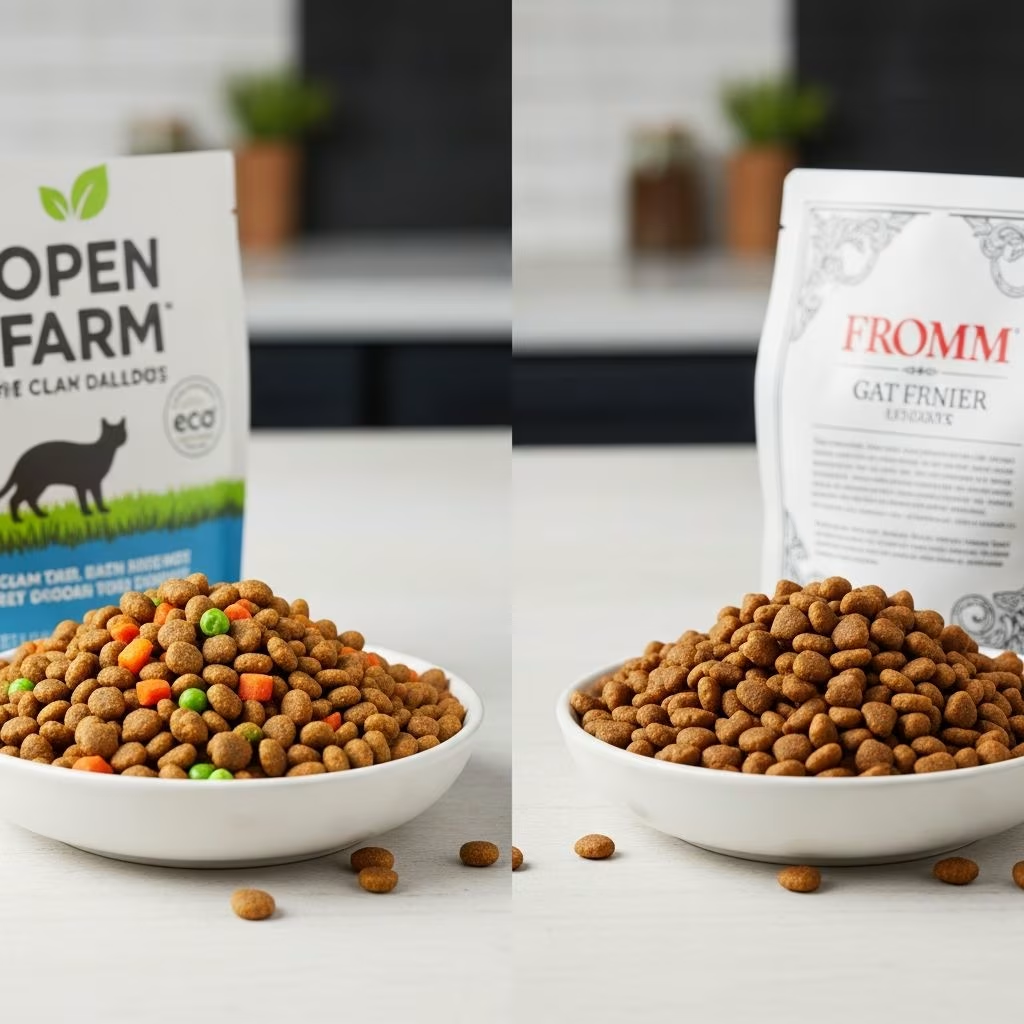
Choosing between Open Farm and Fromm cat food involves evaluating factors like ingredient sourcing, nutritional density, manufacturing standards, and cost-effectiveness. Both brands position themselves as premium options, but differences in transparency, protein focus, and recipe variety set them apart for cat owners seeking optimal feline nutrition.
Understanding Cat Nutritional Requirements
Cats are obligate carnivores, requiring diets high in animal-based proteins with adequate fats, minimal carbohydrates, and essential taurine for heart and eye health. According to AAFCO guidelines, adult maintenance cat foods must provide at least 26% crude protein and 9% crude fat on a dry matter basis. Research emphasizes protein levels around 50% of calories for optimal health, as cats naturally seek high-protein prey.
To compare foods accurately, especially wet versus dry, use dry matter basis (DMB) calculations: subtract moisture from 100%, then divide nutrient percentages by the dry matter figure and multiply by 100. This normalizes values for fair assessment. For instance, a wet food with 10% protein and 80% moisture yields 50% DMB protein (100 * 10 / 20).
Brand Overviews and Company Backgrounds
Open Farm launched in 2014 with a mission centered on ethical sourcing, using humanely raised meats and regenerative farming practices. The brand offers transparency via traceability links for ingredients, appealing to eco-conscious pet parents.
Fromm Family Foods, established over a century ago, remains family-owned and operates U.S.-based facilities. Known for four generations of pet food production, Fromm emphasizes small-batch cooking and rigorous quality controls without heavy reliance on marketing hype.
Ingredient Quality Breakdown
Both brands prioritize named meat sources over vague “poultry” generics, aligning with high ratings for digestibility. Open Farm often leads with fresh meats like turkey or salmon, supplemented by organs and broths in wet formulas. Fromm uses meat meals—concentrated proteins from rendered sources—which studies show can match or exceed fresh meat in amino acid profiles if high-quality.
- Protein Sources: Open Farm: Fresh chicken, pork, beef. Fromm: Chicken meal, turkey meal, duck meal.
- Carbs/Fillers: Open Farm limits grains, using lentils or peas; Fromm includes rice and barley in some recipes.
- Additives: Neither uses artificial colors or BHA/BHT; both employ natural preservatives like mixed tocopherols.
Ingredient transparency scores high for Open Farm due to farm-specific sourcing details, while Fromm provides consistent quality without batch-specific tracing.
Nutritional Profiles: Dry Matter Analysis
Analyzing guaranteed analyses on DMB reveals strengths. Open Farm’s dry recipes average 40-45% DMB protein, 18-20% fat, and under 20% carbs. Fromm dry foods hit 40-50% DMB protein, with fats at 18-20% and carbs 15-25%. Wet options from both exceed 50% DMB protein, ideal for hydration and muscle maintenance.
| Nutrient (DMB) | Open Farm Dry Avg | Fromm Dry Avg | Open Farm Wet Avg | Fromm Wet Avg |
|---|---|---|---|---|
| Protein | 42% | 45% | 55% | 52% |
| Fat | 19% | 19% | 25% | 28% |
| Carbs (calc) | 18% | 20% | <10% | <12% |
| Fiber | 4% | 3.5% | 2% | 2.5% |
Carbs are estimated by subtracting protein + fat + fiber + ash from 100% on DMB; lower values indicate meat-forward formulas. Fromm edges in protein density, supported by studies favoring meal-based kibble for bioavailability.
Recipe Variety and Special Diets
Open Farm provides 10+ dry recipes (kitten, weight management, grain-free) and 15 wet pates/pouches, including fish-heavy for omega-3s. Limited senior formulas focus on joint health.
Fromm offers broader lines: Gold (everyday), Classics (pates), Four-Star (mix-ins), and specialized like low-fat or sensitive stomach. Over 20 dry and 15 wet options cater to allergies, ages, and activities.
- Grain-Free: Both available, but Fromm warns of potential links to DCM—stick to balanced profiles.
- Kitten: High-calorie, DHA-enriched in both.
- Senior: Reduced calories, added glucosamine.
Manufacturing and Safety Standards
Open Farm partners with family-run plants audited for humane standards, avoiding Chinese sourcing. Formulas meet AAFCO via feeding trials.
Fromm manufactures solely in Wisconsin, using on-site labs for pathogen testing (Salmonella-free claims). Decades without major recalls underscore reliability.
Recall histories: Open Farm (zero major); Fromm (minor 2014 labeling issue, resolved swiftly).
Price Comparison and Value Assessment
Open Farm dry: $4-6/lb; wet: $3-4/can. Fromm dry: $3-5/lb; wet: $2-3/can. Per-calorie, Fromm offers better value for high-protein kibble, while Open Farm justifies premium for traceability.
| Product Type | Open Farm Price | Fromm Price | Calories/Oz |
|---|---|---|---|
| Dry Chicken | $5.50/lb | $4.20/lb | 400-420 |
| Wet Pate | $3.20/can | $2.50/can | 1,200/13oz |
Customer Feedback and Palatability
Open Farm garners praise for shiny coats and firm stools, though some cats reject novel proteins. Fromm excels in palatability—cats love the taste—with fewer digestive upsets reported. Average ratings: Open Farm 4.7/5; Fromm 4.8/5 across retail sites.
Environmental and Ethical Considerations
Open Farm’s regenerative agriculture reduces carbon footprints; blockchain traceability verifies claims. Fromm focuses on local sourcing, minimizing transport emissions, with sustainable fishing certifications.
Which Brand Wins for Your Cat?
Choose Open Farm if: Transparency and humane sourcing top your list; ideal for picky eaters on grain-free diets.
Choose Fromm if: Variety, affordability, and proven track record matter; suits multi-cat homes or special needs.
Both outperform average grocery brands in protein quality and meet/exceed AAFCO. Consult vets for personalized advice, especially for health conditions.
Frequently Asked Questions
Is Open Farm or Fromm better for grain-free diets?
Both offer grain-free lines, but Fromm’s broader testing ensures balance. Monitor for taurine adequacy.
How do their proteins compare on digestibility?
Meal-based (Fromm) shows high bioavailability per studies; fresh (Open Farm) excels in soluble proteins.
Are they AAFCO-compliant?
Yes, both via trials or profiles.
Which is cheaper long-term?
Fromm, due to lower pricing and high calorie density.
Any recalls?
Minimal; Fromm’s 2014 was minor.
References
- How We Rate Cat Food — Cats.com. 2023. https://cats.com/how-we-rate-cat-food
- Making Sense of the Guaranteed Analysis Label — The Honest Kitchen. 2022. https://www.thehonestkitchen.com/blogs/pet-food-ingredients/the-guaranteed-analysis-making-sense-of-it-all
- Cat Nutrition: Guide to Cat Food Nutrients — PetMD. 2024. https://www.petmd.com/cat/nutrition/cat-nutrition-what-makes-nutritional-cat-food
- The Hard Choice about Dry Pet Food: Comparison of Protein… — PMC/NCBI (Peer-reviewed). 2022-06-15. https://pmc.ncbi.nlm.nih.gov/articles/PMC9219525/
- The Ultimate Guide to Understanding Dry Matter Basis in Pet Food — Weruva. 2023. https://www.weruva.com/blogs/happy-healthy-hub/the-ultimate-guide-to-understanding-dry-matter-basis-in-pet-food
- Diabetic Cat Food Nutritional Composition — Sunnyside Vet Clinic (PDF). 2021. https://www.sunnysidevetclinic.com/uploads/DiabeticCatFood.pdf
- AAFCO Dog and Cat Food Nutrient Profiles — AAFCO (Official). 2023-01. https://www.aafco.org/wp-content/uploads/2023/01/Model_Bills_and_Regulations_Agenda_Midyear_2015_Final_Attachment_A.__Proposed_revisions_to_AAFCO_Nutrient_Profiles_PFC_Final_070214.pdf



