
Open Bar Method for Dog Reactivity Training
Transform your dog's fear into joy using the open bar closed bar technique for reactivity and socialization.
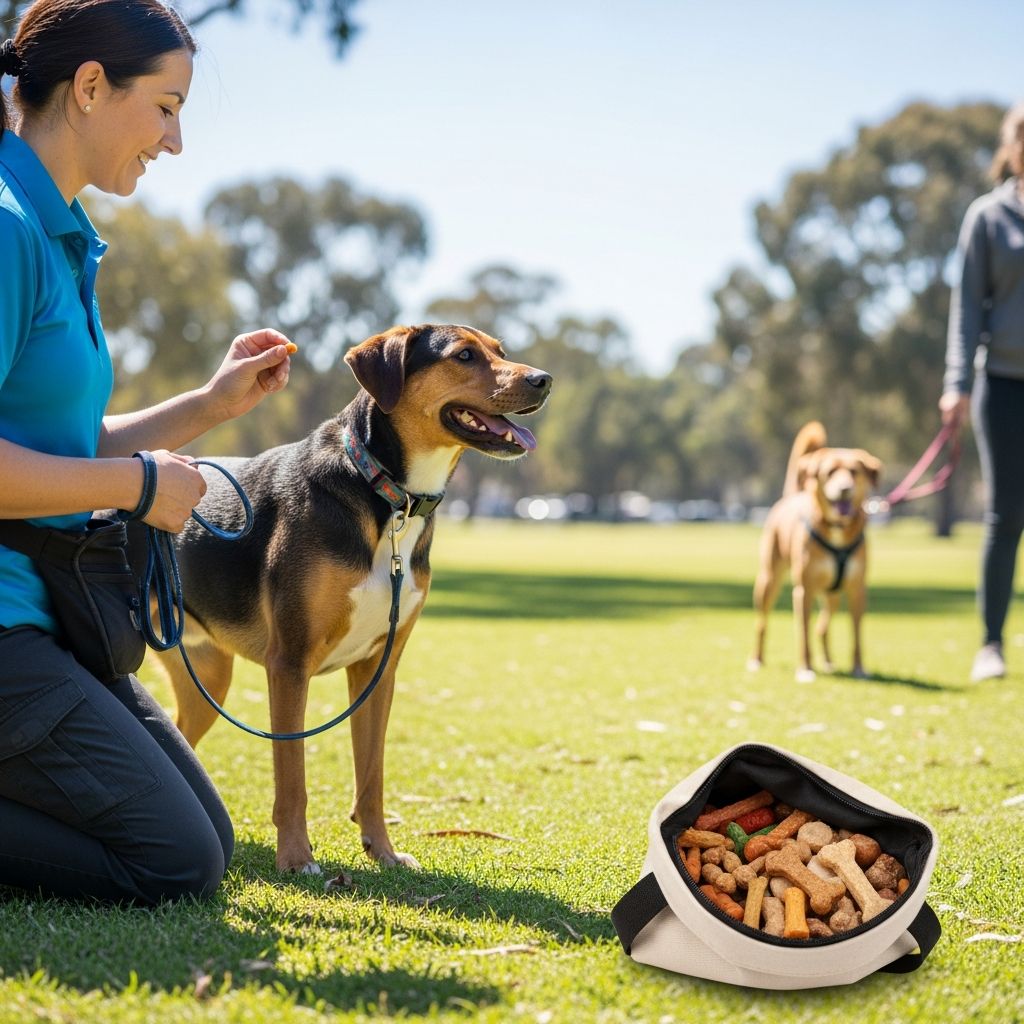
The open bar method, also known as open bar closed bar, is a powerful counterconditioning strategy that helps dogs replace fear or aggression with positive anticipation. By associating environmental triggers with an abundance of high-value treats, owners can reshape their dog’s emotional responses effectively.
Understanding Emotional Responses in Dogs
Dogs often display reactivity—such as barking, lunging, or stiffening—due to underlying emotions like fear or frustration. These behaviors stem from the dog’s nervous system shifting into a high-arousal state, prioritizing survival over learning. The open bar approach interrupts this cycle by introducing rewards precisely when triggers appear, fostering a new conditioned emotional response (CER) where the trigger predicts good things.
This technique draws from classical conditioning principles, similar to Pavlov’s experiments, where neutral stimuli become predictors of rewards. For dogs, a passing stranger or another canine becomes a cue for treats rather than threat.
Core Principles of the Open Bar Technique
The method operates on a simple rule: treats flow freely when the trigger is present and stop immediately when it departs. This predictability builds trust and shifts focus from the trigger to the owner.
- Trigger Detection: Identify what elicits the reaction, such as dogs, bicycles, or loud noises.
- High-Value Rewards: Use only the dog’s most favored treats, reserved exclusively for these sessions to maximize appeal.
- Timing Precision: Begin feeding the instant the trigger enters view, before any reactive behavior escalates.
- Duration Matching: Continue the treat delivery throughout the trigger’s presence.
- Cessation Rule: Halt treats abruptly when the trigger vanishes from sight or sound.
Step-by-Step Implementation Guide
To execute the open bar method successfully, follow these structured steps, starting in low-stress scenarios.
- Prepare Equipment: Stock up on pea-sized, soft, aromatic treats like chicken, cheese, or hot dog bits. Use a leash for safety but keep it loose.
- Determine Safe Distance: Observe from afar where your dog notices the trigger without stress—known as ‘under threshold.’ At this range, your dog remains food-motivated.
- Spot the Trigger Early: Scan ahead to preempt your dog’s awareness, enabling proactive treat delivery.
- Initiate Open Bar: Upon trigger appearance, deliver treats rapidly in a steady stream, aiming for one every second.
- Maintain Until Exit: Persist with feeding as long as the trigger persists, ignoring minor reactions if food is accepted.
- Close the Bar: Stop instantly when the trigger is gone; resume normal activity without treats.
- Repeat Consistently: Practice multiple repetitions per session, gradually testing closer distances as improvement occurs.
If barking occurs before treats, pair them anyway if the dog redirects quickly, then increase distance next time.
Maintaining Sub-Threshold Training
Staying under threshold is crucial; an over-aroused dog enters sympathetic nervous system dominance, shutting down learning and appetite. Signs include dilated pupils, panting, freezing, or refusal of food. Back away to restore calm, ensuring sessions end positively.
| Threshold Level | Dog’s Response | Action |
|---|---|---|
| Low (Safe) | Alert glance, ears perked, accepts treats | Proceed with open bar |
| Medium | Mild tension, brief bark then eats | Feed through it, note distance for adjustment |
| High (Over) | Intense barking, lunging, ignores food | Increase distance immediately |
Ideal Scenarios for Open Bar Application
This technique shines for transient triggers lasting under a minute, like a jogger passing by. For prolonged exposures, transition to engage-disengage games, where you reward eye contact away from the trigger.
- Leash walks encountering distant dogs or people.
- Doorbell rings signaling visitors.
- Puppy socialization with controlled novel stimuli.
- Noise phobias like vacuums or thunder, starting at low volumes.
For visitors, open the bar at the knock or sight through a window, maintaining distance initially to build comfort without forced interaction.
Advanced Variations and Combinations
Once basic proficiency is achieved, integrate with other protocols. Use open bar for close approaches within engage-disengage routines. For grooming tools or household items, present them briefly while feeding, withdrawing when treats stop.
Puppy applications boost socialization by making new experiences predictors of abundance, preventing future reactivity.
Common Challenges and Solutions
Owners often face hurdles; here’s how to overcome them:
- Dog Won’t Eat: Too close—retreat. Use hotter treats or play instead if food fails.
- Treats Given Wrongly: Avoid feeding without triggers to prevent ‘spoiling’; reserve for sessions only.
- Progress Stalls: Vary treat types, ensure consistency, or consult a professional trainer.
- Moving Triggers: Practice in parks or streets with predictable traffic patterns.
Real-World Benefits and Outcomes
Consistent application yields calmer walks, reduced barking, and eager owner focus. Dogs learn triggers herald rewards, transforming stress into salivation and anticipation. Long-term, this builds resilience against various stressors.
Frequently Asked Questions (FAQs)
What if my dog is too aroused to eat treats?
Increase distance until food is accepted enthusiastically. Threshold management is key to success.
How often should I practice open bar training?
Daily short sessions of 5-10 minutes, capitalizing on real-life trigger opportunities without forcing setups.
Can this work for aggressive dogs?
Yes, but under professional guidance for safety. It addresses emotional roots, not just symptoms.
What treats are best for open bar?
Soft, smelly, novel items like liver, peanut butter, or commercial training treats. Rotate to maintain value.
Is open bar suitable for puppies?
Absolutely—it’s excellent for proactive socialization, creating positive world associations early.
Enhancing Sessions with Professional Support
While DIY-friendly, group classes or certified trainers accelerate progress. Look for force-free methods emphasizing counterconditioning.
References
- Association of Professional Dog Trainers: Counter-Conditioning Protocols — APDT. 2023-05-15. https://apdt.com/resource-center/counter-conditioning/
- Journal of Veterinary Behavior: Classical Conditioning in Canine Reactivity — Elsevier. 2024-02-10. https://doi.org/10.1016/j.jveb.2024.01.005
- American Veterinary Society of Animal Behavior Position Statement on Puppy Socialization — AVSAB. 2022-08-01. https://avsab.org/wp-content/uploads/2018/03/Puppy_Socialization_Position_Statement_download-10-3-14.pdf
- Certified Applied Animal Behaviorists: Desensitization and Counterconditioning Guidelines — CAAB. 2025-01-20. https://certifiedanimalbehaviorist.com/resources/
- USDA Animal Welfare Information Center: Positive Reinforcement Training — USDA. 2023-11-12. https://www.nal.usda.gov/awic/positive-reinforcement-training
Similar Articles








Read full bio of medha deb




