

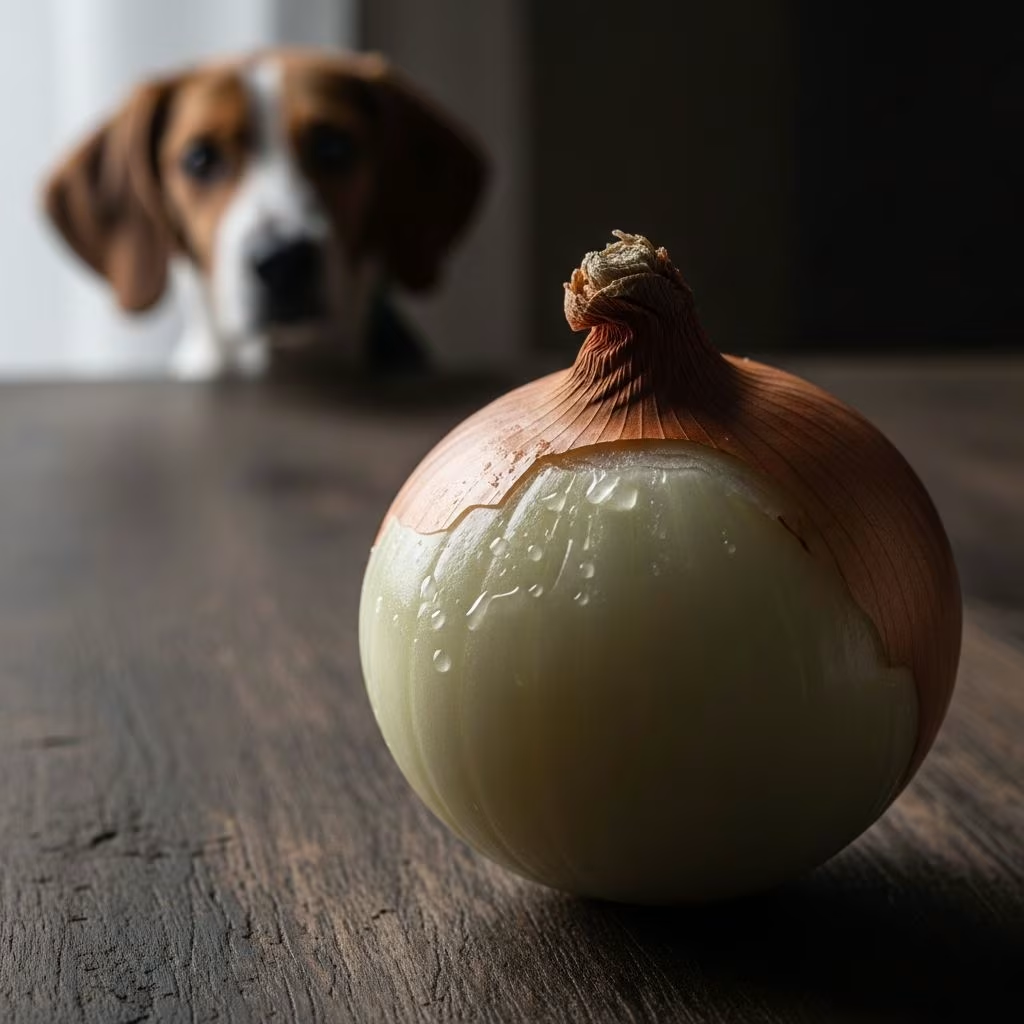
As a dog owner, you may have wondered whether sharing your meal with your furry companion is safe. One common kitchen staple that requires particular attention is the onion. The straightforward answer is that onions are toxic to dogs and should never be fed to your pet in any form, regardless of how they are prepared.
Understanding the Toxic Compound in Onions
Onions belong to a plant family called Alliums, which also includes garlic, leeks, and chives. The primary reason onions pose such a serious threat to canine health is the presence of a compound called N-propyl disulfide. This substance is highly toxic to dogs and works by damaging the structure and function of red blood cells in their bloodstream.
When a dog consumes onions, N-propyl disulfide attacks the red blood cells, causing them to become fragile and break down prematurely. This process leads to a medical condition known as hemolytic anemia, where the body cannot produce red blood cells as quickly as they are being destroyed. The reduction in red blood cells means less oxygen is transported throughout the dog’s body, which can result in serious and potentially life-threatening complications.
It is crucial to understand that this toxic compound remains present regardless of how the onion is prepared. Whether the onion is raw, cooked, powdered, dried, or processed into a meal, the toxicity level remains consistently dangerous for dogs.
How Much Onion Is Actually Dangerous?
One of the most important facts for dog owners to understand is that only a relatively small amount of onion can cause serious harm. The toxicity threshold varies depending on your dog’s size and body weight.
According to veterinary experts, the generally recognized toxic amount is approximately 0.5% of a dog’s body weight. To illustrate this more concretely:
- A 10-pound dog could experience toxic effects from consuming just 0.8 ounces of onion
- A 50-pound dog could become ill from consuming a large onion
- A 100-pound dog might be affected by consuming up to 8 ounces (half a pound) of onion
The American Kennel Club provides another measurement: approximately 3.5 ounces of onion per 44 pounds of a dog’s body weight can lead to toxic effects. This means that small-breed dogs are at particular risk, as even a modest amount of onion can reach dangerous toxicity levels in their systems.
All Forms of Onions Present Equal Risk
Pet owners sometimes wonder whether certain preparations of onions might be safer than others. The answer is unequivocally no. Every type and form of onion presents the same level of danger:
- Raw onions – contain full toxic compound levels
- Cooked onions – cooking does not reduce toxicity
- Onion powder – concentrated and equally dangerous
- Dried onions – toxicity is maintained through the drying process
- Green onions and scallions – all varieties are toxic
- Sweet onions, yellow onions, red onions – all varieties contain the harmful compound
Additionally, all parts of the onion plant pose a threat. The bulb, leaves, juice, and even processed powders are toxic to dogs. Pet owners should be especially cautious about preventing their dogs from accessing onion gardens or wild onion patches during hikes and outdoor activities.
Recognizing the Signs of Onion Poisoning
Understanding the symptoms of onion toxicity is essential for prompt intervention. It is important to note that symptoms may not appear immediately. In some cases, signs of illness can develop within a day, but it often takes several days for anemia symptoms to become apparent. This delayed reaction means that vigilant monitoring is necessary even if your dog seems fine immediately after consuming onion.
Common symptoms of onion poisoning include:
- Weakness and unusual lethargy (reluctance to engage in normal activities)
- Loss of appetite or decreased interest in food
- Vomiting and diarrhea
- Pale gums (indicating anemia)
- Dark or discolored urine (a sign of red blood cell breakdown)
- Rapid heart rate or elevated heart rate
- Increased panting and rapid breathing
- Collapse in severe cases
The severity and speed of symptom development depend on several factors, including your dog’s age, overall health status, and body weight. Small dogs and puppies are at higher risk of experiencing severe symptoms from even minimal onion consumption.
What to Do If Your Dog Eats Onion
If you suspect or know that your dog has consumed onions, immediate action is crucial. Early intervention can make a significant difference in your dog’s outcome and recovery.
Immediate Steps
- Contact your veterinarian immediately – Even if your dog appears healthy, professional evaluation is essential. Inform your vet of the approximate amount of onion consumed and when it was eaten.
- Provide details about your dog – Share your dog’s weight, age, overall health status, and any breed-specific health concerns.
- Avoid home remedies – Do not attempt to induce vomiting or administer any treatments without veterinary guidance, as this could potentially cause additional harm.
- Observe closely for symptoms – Even if your dog seems fine, watch carefully over the next 24 to 72 hours for any signs of illness.
Veterinary Treatment
Your veterinarian will likely perform blood tests to assess red blood cell counts and determine the extent of any damage. Treatment may include supportive care such as intravenous fluids, medications to address symptoms, and in severe cases, blood transfusions. The good news is that with prompt and appropriate treatment, most dogs recover well from onion poisoning.
Hidden Sources of Onions to Avoid
Beyond obvious whole onions, pet owners should be aware that onions appear in many prepared and processed foods. Always check ingredient labels before sharing any human food with your dog. Common foods containing onions include:
- Soups and broths
- Pasta sauces and gravies
- Seasoning blends and spice mixes
- Processed meats and deli products
- Baby food (some varieties contain onion)
- Pet treats from unreliable manufacturers
- Restaurant leftovers and takeout foods
Safe Dietary Alternatives for Dogs
While onions are off-limits, numerous safe and nutritious options can enhance your dog’s diet. These alternatives provide vitamins, minerals, and flavor variety without health risks:
- Carrots – crunchy, low-calorie, and good for dental health
- Green beans – fiber-rich and low in calories
- Sweet potatoes – packed with vitamins and nutrients
- Apples (without seeds) – a refreshing and nutritious treat
- Blueberries – antioxidant-rich and small-portion friendly
- Plain cooked chicken or turkey – excellent protein sources
- Pumpkin – beneficial for digestive health
Always introduce new foods gradually and in appropriate portions to avoid digestive upset.
Prevention Strategies for Pet Owners
The best approach to protecting your dog from onion toxicity is prevention. Implement these strategies in your household:
- Store onions in secure, elevated locations away from your dog’s reach
- Keep food preparation areas clear and supervised when working with onions
- Dispose of onion scraps and peels in secured trash containers
- Educate family members, guests, and caregivers about onion toxicity
- Provide alternative treats for your dog when you are eating meals containing onions
- Check ingredient labels on all processed foods before offering them to your pet
- Monitor your dog during outdoor activities to prevent consumption of wild onions
Frequently Asked Questions About Onions and Dogs
Q: Can dogs eat cooked onions?
No. Cooking does not reduce the toxicity of onions. Whether raw or cooked, onions remain toxic to dogs.
Q: Are certain dog breeds more susceptible to onion poisoning?
While all dogs are at risk, small-breed dogs experience more severe effects because even modest amounts of onion can reach dangerous toxicity levels in their smaller bodies.
Q: What if my dog ate a very small amount of onion?
Even small amounts can be harmful. Contact your veterinarian for guidance based on your dog’s size and the quantity consumed.
Q: Can onion powder in commercial pet treats be safe?
No. Onion powder remains toxic in any concentration and should not be present in quality pet products.
Q: How quickly will symptoms appear after eating onion?
Symptoms may appear within 24 hours, but can take up to 72 hours to develop. Delayed symptoms are common.
Q: Is garlic safer than onions for dogs?
No. Garlic is also a member of the Allium family and is equally toxic to dogs.
References
- Can Dogs Eat Onions? A Guide to Safety — Purina US. Accessed January 29, 2026. https://www.purina.com/articles/dog/feeding/can-dogs-eat/onions
- Can Dogs Have Onions? What To Do If They Eat Them — Spot & Tango. Accessed January 29, 2026. https://www.spotandtango.com/blog/can-dogs-eat-onions
- Onion Poisoning in Dogs: When Is It an Emergency? — Global Small Veterinary Services. Accessed January 29, 2026. https://gsvs.org/blog/onion-poisoning-dogs-emergency/
- Can My Dog Eat Onions? — Taste of the Wild Pet Food. Accessed January 29, 2026. https://www.tasteofthewildpetfood.com/articles/can-my-dog-eat-that/onions/
- Can Dogs Eat Onions? — PetMD. Accessed January 29, 2026. https://www.petmd.com/dog/nutrition/can-dogs-eat-onions
- Are Onions Bad for Dogs? — VO Vets. Accessed January 29, 2026. https://vovets.com/blog/are-onions-bad-for-dogs/
- Onion and Garlic Poisoning in Dogs — PDSA. Accessed January 29, 2026. https://www.pdsa.org.uk/pet-help-and-advice/pet-health-hub/conditions/onion-and-garlic-poisoning-in-dogs



