

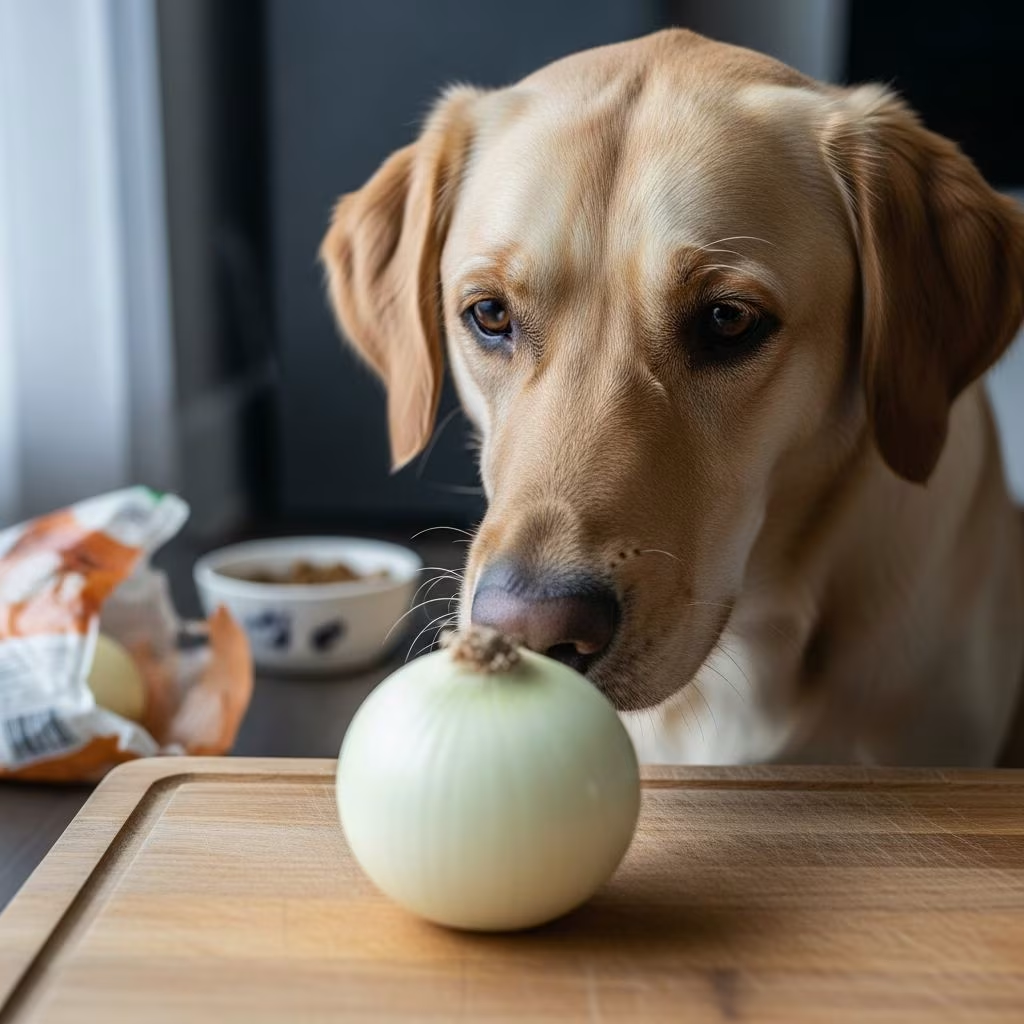
Onions represent a significant health hazard for dogs because they contain compounds that trigger the destruction of red blood cells, potentially leading to life-threatening anemia. Pet owners must understand these dangers to prevent accidental exposure through food scraps, gardens, or processed items.
The Science Behind Onion Dangers for Canines
The primary culprit in onions is N-propyl disulfide, a sulfur-based compound that binds to hemoglobin in red blood cells. This binding causes oxidative damage, making the cells fragile and prone to rupture in a process called hemolysis. As red blood cells break down faster than the body can regenerate them, oxygen delivery to tissues diminishes, resulting in hemolytic anemia.
This toxicity affects dogs more severely than humans because canine red blood cells lack sufficient protective enzymes like glutathione to neutralize the damage. All onion varieties—white, red, yellow, sweet, or green—carry this risk, as do related Allium family members such as garlic, leeks, chives, and shallots.
Forms of Onion Exposure to Avoid
Dogs face threats from onions in multiple preparations, none of which lose their harmful properties through cooking or processing:
- Raw onions: Fresh slices or chunks from salads or meals deliver the toxin directly.
- Cooked onions: Frying, boiling, or roasting does not degrade N-propyl disulfide.
- Onion powder: Concentrated forms in spices or seasonings amplify danger even in tiny quantities, like a teaspoon for small breeds.
- Dried or dehydrated onions: Found in snacks or broths, these retain full toxicity.
- Processed foods: Baby foods, soups, gravies, or human meals often hide onion ingredients—always scan labels.
Garden onions, wild varieties, and plant parts like bulbs, stems, or leaves also pose risks during walks or yard play.
Toxic Dosage: How Little Is Too Much?
The threshold for toxicity varies by dog size, with smaller pets at greater risk from minimal amounts. Veterinary sources indicate that 0.5% of a dog’s body weight in fresh onions—or roughly 0.22 to 0.5 pounds per 44 pounds of body weight—can induce harmful effects.
To illustrate:
| Dog Weight | Toxic Onion Amount (approx.) | Examples |
|---|---|---|
| 10 lbs (small breed) | 0.05 lbs (0.8 oz) | One small onion slice or pinch of powder |
| 44 lbs (medium breed) | 0.22 lbs (3.5 oz) | Half a medium onion |
| 100 lbs (large breed) | 0.5 lbs (8 oz) | One medium onion |
Japanese breeds like Akitas and Shiba Inus show heightened sensitivity, potentially reacting to lower doses. Cumulative exposure over days heightens danger, even if below single-dose thresholds.
Recognizing Signs of Onion Poisoning
Symptoms may emerge within hours or delay up to several days as anemia develops. Early detection hinges on monitoring these progressive indicators:
- Gastrointestinal upset: Vomiting, diarrhea, or appetite loss signals initial irritation.
- Anemia markers: Pale or white gums, lethargy, weakness, rapid breathing, or elevated heart rate.
- Severe progression: Collapse, panting, red-tinged urine (from hemoglobin release), or fainting.
Mild cases mimic stomach bugs, but worsening signs demand urgent veterinary evaluation. Check gums for color and capillary refill time—press gently; normal pink returns in under 2 seconds.
Immediate Steps If Your Dog Consumes Onions
Speedy action improves outcomes. Follow this protocol:
- Assess and contact professionals: Note the amount, type, and time of ingestion, then call your vet, a pet poison hotline (e.g., ASPCA at 888-426-4435), or an emergency clinic immediately.
- Do not induce vomiting: Unless directed by a vet, as it risks aspiration or further damage.
- Monitor closely: Track symptoms, hydration, and behavior en route to care.
- Veterinary interventions: Expect blood tests for red blood cell count, IV fluids for support, activated charcoal to bind toxins, and possibly blood transfusions in critical cases.
Prognosis excels with prompt treatment; delays elevate fatality risks, especially in small dogs.
Prevention Strategies for Onion-Free Homes
Avoiding exposure proves simplest safeguard:
- Kitchen habits: Secure counters, trash, and compost from curious noses. Train “leave it” commands.
- Label vigilance: Shun treats, stocks, or meals listing onions, garlic, or Alliums.
- Garden barriers: Fence off onion patches; supervise outdoor time.
- Pet-safe alternatives: Offer carrots, green beans, or apples (seeds removed) as low-calorie snacks.
- Education: Inform family and guests about risks, especially around holidays with onion-heavy dishes.
Opt for complete dog foods verified free of onion derivatives to minimize hidden exposures.
Related Allium Family Threats
Onions belong to the Allium genus, sharing toxicity profiles:
- Garlic: More potent; even powdered supplements harm.
- Chives and leeks: Common in gardens or garnishes.
- Shallots: Often overlooked in recipes.
Treat all identically: total avoidance.
FAQs on Onion Safety for Dogs
Are cooked onions safe for dogs?
No, cooking fails to eliminate the toxic compounds, maintaining full risk.
Can a tiny bit of onion hurt my dog?
Yes, especially for small dogs; toxicity scales with body weight, and traces accumulate.
What breeds are most vulnerable?
All dogs risk harm, but Japanese breeds like Akitas exhibit greater sensitivity.
Is onion powder in dog treats okay?
Never; its concentration heightens danger beyond fresh forms.
How long do symptoms take to show?
Hours for gut issues, days for anemia signs.
Long-Term Health Implications
Surviving acute poisoning may leave lasting effects like chronic anemia or organ strain if untreated. Repeated low-level exposure mimics slow poisoning, underscoring prevention’s importance. Regular vet checkups, including bloodwork for at-risk pets, aid early detection.
References
- Can Dogs Eat Onions? A Guide to Safety — Purina US. 2023. https://www.purina.com/articles/dog/feeding/can-dogs-eat/onions
- Can Dogs Have Onions? What To Do If They Eat Them — Spot & Tango. 2024. https://www.spotandtango.com/blog/can-dogs-eat-onions
- Can My Dog Eat Onions? — Taste of the Wild Pet Food. 2023. https://www.tasteofthewildpetfood.com/articles/can-my-dog-eat-that/onions/
- Onion Toxicity in Dogs: Emergency Guide — GSVS. 2024-10-15. https://gsvs.org/blog/onion-toxicity-dogs-emergency/
- Can Dogs Eat Onions? — PetMD. 2024. https://www.petmd.com/dog/nutrition/can-dogs-eat-onions
- Can Dogs Eat Onions? — American Kennel Club (AKC). 2023-05-12. https://www.akc.org/expert-advice/nutrition/can-dogs-eat-onions/
- Onion Poisoning in Dogs: When Is It an Emergency? — GSVS. 2024. https://gsvs.org/blog/onion-poisoning-dogs-emergency/



