

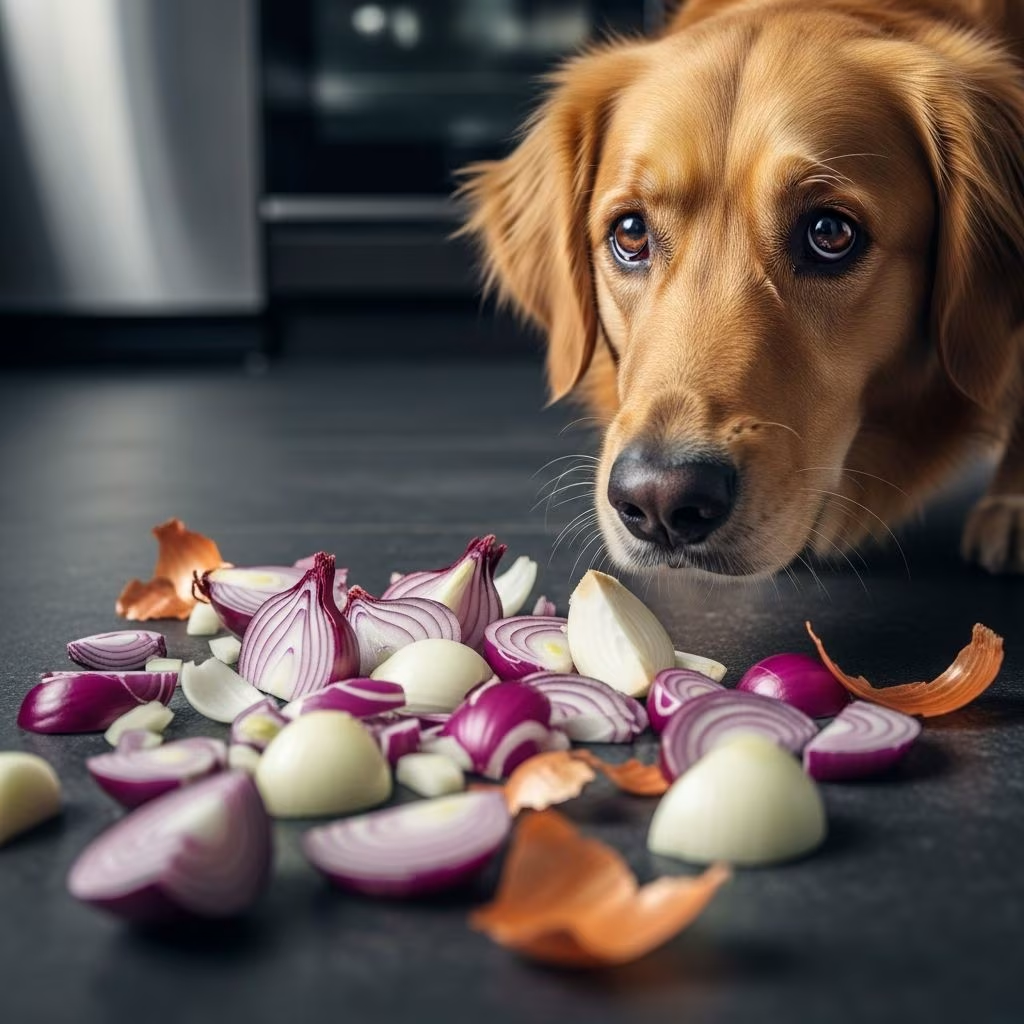
Onions and related allium plants trigger hemolytic anemia in dogs by damaging red blood cells, potentially leading to life-threatening conditions if untreated. Immediate veterinary intervention is essential upon suspicion of ingestion.
Understanding the Hidden Dangers of Alliums
Allium species, including onions, garlic, leeks, and chives, contain compounds like disulfides and thiosulfinates that oxidize hemoglobin in red blood cells, causing them to rupture. This process, known as oxidative hemolysis, reduces oxygen-carrying capacity in the blood, manifesting as anemia days after exposure. Even small amounts relative to body weight—typically 15-30 grams per kilogram (0.5% of body weight)—can prove toxic.
Cooked, raw, powdered, or dehydrated forms all carry the same risk, with onion powder being particularly concentrated and hazardous in seasonings or baby foods. Dogs metabolize these toxins differently than humans, lacking sufficient protective enzymes like glucose-6-phosphate dehydrogenase.
Recognizing Early Warning Signs
Symptoms divide into gastrointestinal upset appearing within hours and anemia developing over 1-5 days. Initial signs include:
- Vomiting and diarrhea
- Abdominal discomfort or pain
- Excessive drooling or onion-scented breath
- Loss of appetite and dehydration
Anemia indicators emerge later, such as:
- Lethargy and weakness
- Pale or yellowish gums (icterus)
- Rapid breathing (tachypnea) or heart rate (tachycardia)
- Dark red or brown urine (hemoglobinuria)
- Exercise intolerance and collapse in severe cases
Monitor closely for up to a week post-exposure, as delayed onset is common.
How Much Onion Is Too Much?
Toxicity thresholds vary by dog size and allium type, but guidelines indicate danger at:
| Allium Type | Toxic Dose (g/kg body weight) | Example for 20kg Dog |
|---|---|---|
| Raw Onion | 15-30 | 300-600g |
| Garlic | 5-15 | 100-300g |
| Onion Powder | ~0.5% body weight | 100g |
Data synthesized from veterinary toxicology reports. Smaller breeds face higher risk from tiny amounts.
Immediate Actions If Your Dog Eats Onion
Do not induce vomiting at home—risks aspiration or esophageal injury. Rush to a vet if ingestion occurred within 2-4 hours. Provide details: amount, time, form of allium, and dog weight. Vets assess via history and may perform bloodwork like packed cell volume (PCV) to detect early anemia.
Veterinary Treatment Protocols
Treatment focuses on decontamination, anemia management, and support:
- Decontamination: Emesis induction (e.g., apomorphine or ropinirole in dogs), gastric lavage, activated charcoal to bind toxins.
- Supportive Care: IV fluids for hydration, anti-emetics for nausea.
- Anemia Management: Oxygen therapy, blood transfusions for severe cases (PCV <20%), antioxidants like N-acetylcysteine (limited efficacy).
- Monitoring: Serial blood tests tracking PCV, reticulocyte count over 3-10 days.
Hospitalization lasts until stable, often 2-5 days. Prognosis excels with prompt care; delays raise fatality risk.
Prevention Strategies for Pet Owners
Secure kitchens and gardens:
- Store alliums out of reach; discard peels securely.
- Avoid sharing human meals—check ingredients in stocks, sauces, pizzas.
- Educate family on risks; use dog-safe treats only.
- Opt for allium-free pet foods; scrutinize labels for onion/garlic powder.
Landscaping tip: Plant non-toxic alternatives like herbs or berries.
Special Risks for Certain Dogs
Puppies, seniors, and those with pre-existing anemia (e.g., from breeds like Japanese types genetically prone) suffer worse outcomes. Cats face similar but more acute toxicity. Multi-pet homes amplify exposure risks.
Long-Term Recovery and Follow-Up
Post-treatment, dogs regenerate red cells in 10-14 days if hemolytic anemia is addressed early. Feed antioxidant-rich, low-oxidant diets; avoid propylene glycol in semi-moist foods. Schedule rechecks at 3-7 days. Most recover fully without sequelae.
FAQs on Onion Toxicity in Dogs
Q: Can a tiny bit of onion hurt my dog?
A: Yes, repeated small exposures accumulate damage; single doses over 15g/kg are acutely risky.
Q: What if symptoms appear days later?
A: Seek emergency vet care immediately for bloodwork and support; anemia peaks around day 5.
Q: Is garlic safer than onion?
A: No, garlic is 3-5x more potent; both cause identical hemolysis.
Q: How do vets test for onion poisoning?
A: PCV, Heinz body smears, reticulocyte counts confirm oxidative damage.
Q: Can home remedies treat this?
A: No—only professional care; milk or bread won’t neutralize toxins.
Key Takeaways for Dog Safety
Onion toxicity demands vigilance: recognize dual-phase symptoms, act within hours, and prioritize vet care. Prevention through awareness safeguards your companion.
References
- Onion Poisoning (Allium Toxicosis) in Dogs — Vetster. 2023. https://vetster.com/en/conditions/dog/onion-poisoning-allium-toxicosis-in-dogs
- Onion and garlic poisoning in dogs — PDSA. 2024. https://www.pdsa.org.uk/pet-help-and-advice/pet-health-hub/conditions/onion-and-garlic-poisoning-in-dogs
- The Truth About Onion and Garlic Toxicity in Dogs — FirstVet. 2023. https://firstvet.com/us/articles/the-truth-about-onion-and-garlic-toxicity-in-dogs
- Onion Poisoning in Dogs — WagWalking. 2024. https://wagwalking.com/condition/onions-poisoning
- Toxicology Brief: Allium species poisoning in dogs and cats — DVM360. 2022. https://www.dvm360.com/view/toxicology-brief-allium-species-poisoning-dogs-and-cats
- Garlic and Onion (Allium spp) Toxicosis in Animals — Merck Veterinary Manual. 2024. https://www.merckvetmanual.com/toxicology/food-hazards/garlic-and-onion-allium-spp-toxicosis-in-animals
- Onion Breath — ASPCApro. 2008 (authoritative toxicology reference). https://www.aspcapro.org/sites/default/files/x-vettech_0801.pdf



