

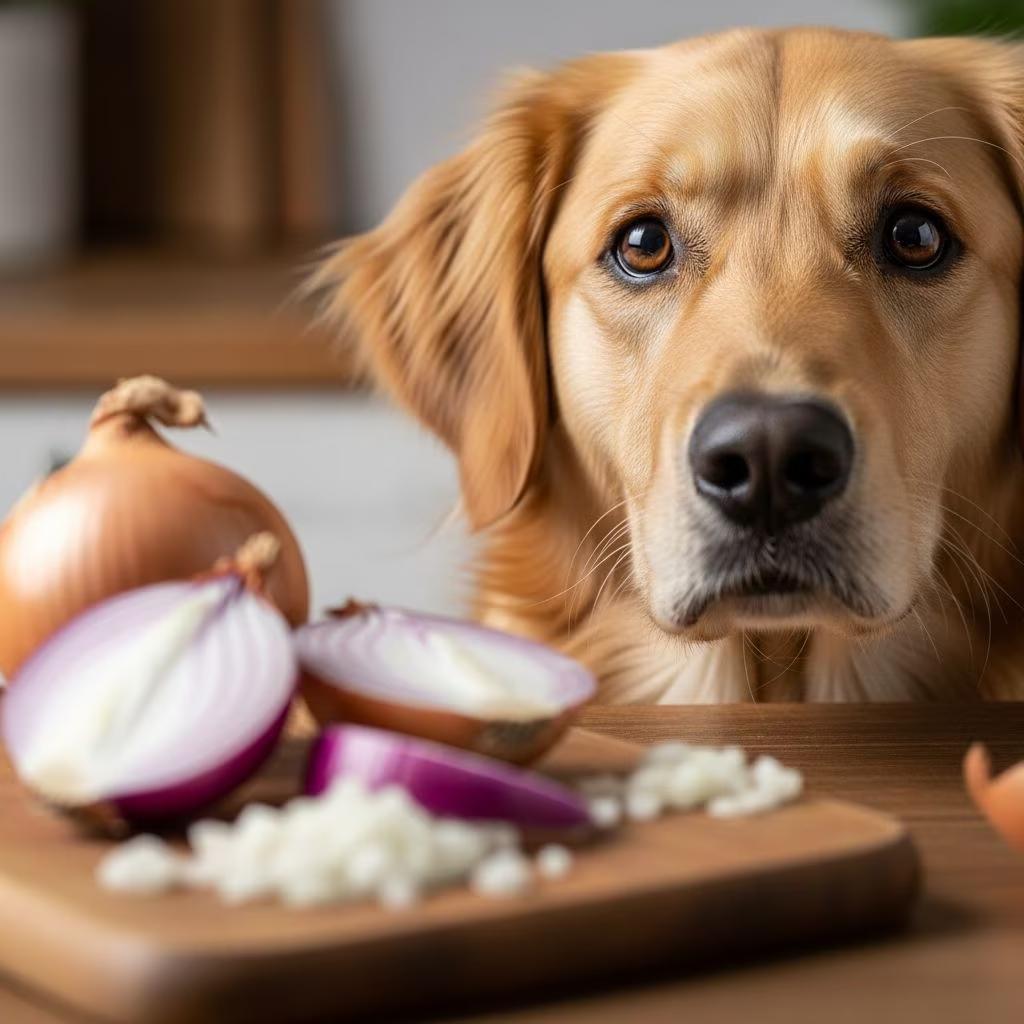
Onions, garlic, leeks, and other allium family members contain compounds that damage dogs’ red blood cells, leading to potentially fatal hemolytic anemia. Even small amounts can trigger gastrointestinal distress followed by delayed anemia symptoms, requiring immediate veterinary intervention.
Understanding the Allium Threat to Canine Health
Allium plants produce disulphides and thiosulfinates, which oxidize hemoglobin in red blood cells, causing them to rupture. This process, known as oxidative hemolysis, reduces oxygen-carrying capacity in the blood, manifesting first as stomach upset and later as severe weakness. Dogs are particularly vulnerable because their red blood cells lack sufficient protective enzymes like glucose-6-phosphate dehydrogenase compared to humans.
The toxicity arises from naturally occurring sulfur compounds that form upon cell damage during chopping or digestion. Raw, cooked, powdered, or dehydrated forms all pose risks, with effects varying by dose and dog size.
How Much Onion Is Dangerous for Dogs?
Toxicity thresholds depend on the dog’s body weight. A dose of 15-30 grams of onion per kilogram of body weight—roughly 0.5% of the dog’s mass—can induce anemia. For a 20-pound (9 kg) dog, this equates to about 135-270 grams of onion, or roughly one medium onion.
| Dog Weight (kg) | Toxic Dose (grams of onion) | Examples |
|---|---|---|
| 5 | 75-150 | Half to one small onion |
| 10 | 150-300 | 1-2 medium onions |
| 25 | 375-750 | 3-5 medium onions |
Garlic is five times more potent, so smaller amounts suffice for toxicity. Chronic low-level exposure, like from flavored treats, accumulates damage over time.
Recognizing Early Warning Signs of Onion Poisoning
Symptoms divide into two phases: immediate gastrointestinal effects within hours and hemolytic anemia emerging 1-5 days later.
- Gastrointestinal phase: Vomiting, diarrhea, abdominal discomfort, drooling, onion-scented breath.
- Anemia phase: Lethargy, pale or yellowish gums, rapid panting or heart rate, weakness, dark urine (hemoglobinuria), collapse.
Monitor closely post-exposure, as anemia peaks days after ingestion. Blood in urine or exercise intolerance signals emergency.
Immediate Actions: What to Do If Your Dog Eats Onion
Never induce vomiting at home—risks aspiration or esophageal injury. Contact a vet or poison hotline immediately. If within 2-4 hours, professionals may perform:
- Emesis induction using apomorphine or hydrogen peroxide (vet-administered).
- Gastric lavage to flush the stomach.
- Activated charcoal to bind toxins.
For later presentations, focus shifts to monitoring bloodwork for anemia progression.
Veterinary Diagnosis and Monitoring Protocols
Vets confirm via complete blood count (CBC) showing low packed cell volume (PCV), Heinz bodies (damaged red cells), and elevated bilirubin. Repeat tests track nadir, typically days 3-5 post-ingestion. Urinalysis detects hemoglobinuria; PCV below 20-25% indicates severe cases needing transfusion.
Core Treatment Strategies for Onion Toxicity
No specific antidote exists; care is supportive.
- Fluid therapy: IV crystalloids prevent kidney damage from hemoglobin debris.
- Oxygen support: For hypoxic dogs showing rapid breathing.
- Blood transfusion: In critical anemia (PCV <15-20%), using whole blood or packed red cells.
- Symptom management: Antiemetics, pain relief, antioxidants like N-acetylcysteine (limited efficacy).
Hospitalization lasts until PCV stabilizes and symptoms resolve, often 3-10 days.
Recovery Timeline and Long-Term Outlook
With prompt decontamination, most dogs recover fully. Anemia is regenerative; bone marrow ramps up new red cell production within a week. Severe cases risk kidney failure or disseminated intravascular coagulation, but prognosis improves with early intervention. Feed a bland, oxidant-low diet during recovery; avoid propylene glycol-containing foods.
Prevention Essentials: Keeping Alliums Out of Reach
Store onions securely; discard peels and scraps. Check human foods, baby foods, and stocks for hidden alliums. Train dogs to avoid kitchen counters and use baby gates. Opt for dog-safe seasonings like parsley or carrots.
- Read labels on treats and commercial foods.
- Educate household members on risks.
- Supervise meals; never share table scraps.
Safe Flavor Alternatives for Dog Treats and Meals
Enhance homemade dog food without toxins:
- Carrots, green beans, or pumpkin for crunch.
- Apples (no seeds), blueberries for sweetness.
- Turmeric or ginger in moderation for anti-inflammatory benefits.
Consult a vet nutritionist for balanced recipes.
FAQs on Onion Poisoning in Dogs
Can a tiny bit of onion hurt my dog?
Small amounts may not cause acute toxicity but contribute to chronic damage. Best to avoid entirely.
How soon after eating onion do symptoms start?
GI signs in 1-24 hours; anemia in 1-5 days.
Is cooked onion safer than raw?
No, cooking concentrates toxins in some forms.
What if my dog ate garlic bread?
Even trace amounts warrant a vet call; monitor for symptoms.
Can onion powder in dog treats cause issues?
Yes, it’s highly concentrated—avoid products listing it.
Key Takeaways for Dog Owners
Onion toxicity is preventable and treatable if caught early. Vigilance around allium foods saves lives. Arm yourself with knowledge: secure storage, prompt vet contact, and symptom awareness ensure your dog’s safety.
References
- Onion Poisoning (Allium Toxicosis) in Dogs — Vetster. 2023. https://vetster.com/en/conditions/dog/onion-poisoning-allium-toxicosis-in-dogs
- Onion and garlic poisoning in dogs — PDSA. 2024. https://www.pdsa.org.uk/pet-help-and-advice/pet-health-hub/conditions/onion-and-garlic-poisoning-in-dogs
- Onion and Garlic Toxicity in Pets: Signs + Treatment — FirstVet. 2023. https://firstvet.com/us/articles/the-truth-about-onion-and-garlic-toxicity-in-dogs
- Onion Poisoning in Dogs — WagWalking. 2024. https://wagwalking.com/condition/onions-poisoning
- Toxicology Brief: Allium species poisoning in dogs and cats — DVM360. 2022. https://www.dvm360.com/view/toxicology-brief-allium-species-poisoning-dogs-and-cats
- Garlic and Onion (Allium spp) Toxicosis in Animals — Merck Veterinary Manual. 2024. https://www.merckvetmanual.com/toxicology/food-hazards/garlic-and-onion-allium-spp-toxicosis-in-animals
- Onion Breath — ASPCApro. 2008. https://www.aspcapro.org/sites/default/files/x-vettech_0801.pdf



