

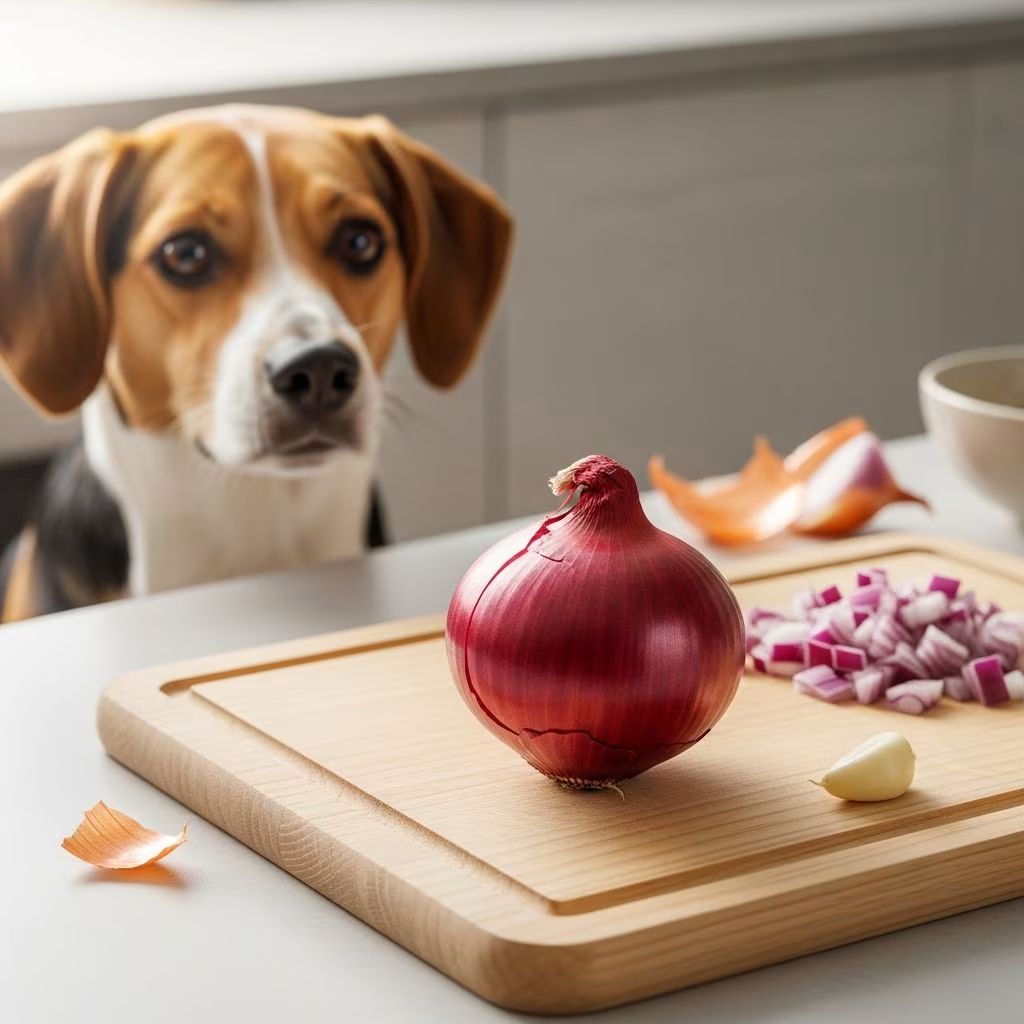
Pet owners often wonder about which human foods are safe to share with their canine companions. One common question involves onions—a staple ingredient in many kitchens. The straightforward answer is that onions are toxic to dogs in all forms and should never be included in your dog’s diet, whether raw, cooked, powdered, or dehydrated.
The Scientific Basis of Onion Toxicity
Onions belong to the Allium family of plants, which also includes garlic, chives, shallots, and leeks. All members of this family share a dangerous characteristic: they contain specific compounds that are harmful to canine metabolism. The primary toxic agent is a substance called N-propyl disulfide, alongside other related compounds like thiosulfate.
When a dog consumes onions, these toxic compounds enter the bloodstream and target the red blood cells directly. The mechanism of damage occurs through oxidative stress: the toxic compounds attach to oxygen molecules within red blood cells, disrupting the cell’s ability to transport oxygen throughout the body. Additionally, these compounds trigger an immune response that causes the dog’s body to recognize its own healthy red blood cells as foreign invaders.
This recognition leads to hemolysis—a process where red blood cells rupture and break down prematurely. The resulting condition, called hemolytic anemia, significantly reduces the number of functional red blood cells available to carry oxygen to vital organs. This creates a cascade of serious health complications that can rapidly become life-threatening if left untreated.
Recognizing When Your Dog Has Consumed Onions
The symptoms of onion toxicity in dogs typically appear within a few days of ingestion, though the timeline can vary depending on the quantity consumed and the individual dog’s sensitivity. Pet owners should remain vigilant for the following warning signs:
- Gastrointestinal distress: Vomiting and diarrhea are often the first visible indicators that your dog’s system is reacting to onion toxins. These symptoms occur as the body attempts to expel harmful substances.
- Reduced appetite: Dogs experiencing onion poisoning frequently show decreased interest in food, including their favorite treats and meals.
- Abdominal discomfort: Your dog may display signs of pain or unease in the stomach area, manifesting as whining, whimpering, restlessness, or reluctance to move normally.
- Accelerated heart rate: Tachycardia—an elevated heart rate—occurs as the cardiovascular system works harder to compensate for reduced oxygen-carrying capacity.
- Pale or discolored gums: Pale gums indicate anemia, while a yellowish tint may suggest more severe damage. Checking your dog’s gum color is a quick assessment tool.
- Respiratory challenges: In severe cases, your dog may struggle with breathing or display labored breathing patterns, signaling critical oxygen deprivation.
- Dark or unusual urine color: This symptom, called hemoglobinuria, results from the destruction of red blood cells and indicates serious internal damage.
- General lethargy: Dogs may appear unusually tired, weak, or uninterested in activities they normally enjoy.
How Much Onion Is Dangerous?
A critical question for dog owners is whether small amounts of onion might be safe. The answer remains unequivocally no. Research indicates that dogs can experience toxic effects when consuming as little as 0.5% of their body weight in onions in a single feeding. For a 44-pound dog, this translates to approximately 0.22 pounds of onion, which is relatively small.
However, toxicity is not solely determined by a single large dose. Repeated consumption of smaller amounts can accumulate in your dog’s system over time, building up to toxic levels. The concentration of toxic compounds means that even trace amounts in processed foods or seasoning powders warrant serious concern. Additionally, some dogs may show heightened sensitivity, making them vulnerable to toxicity at lower thresholds than others.
Why All Forms of Onion Pose Risk
A common misconception is that cooking onions destroys the toxic compounds, making them safer for dogs. This is false. The cooking process does not eliminate or significantly reduce N-propyl disulfide or other harmful compounds present in onions. Whether onions are fried, boiled, steamed, roasted, raw, or powdered, they retain their full toxic potential.
Powdered onion deserves special attention because it represents a concentrated form of the toxin. A small quantity of onion powder contains a significantly higher concentration of harmful compounds than the same weight of fresh onion. This concentrated nature means even minimal amounts can trigger severe reactions. Pet owners should carefully examine ingredient lists on commercial dog foods, treats, and seasoning blends, as onion powder often appears as a hidden ingredient.
Immediate Response to Onion Ingestion
If you suspect or confirm that your dog has eaten onions, swift action is essential. Contact your veterinarian immediately, providing details about the amount and form of onion consumed if possible. Time is critical in preventing serious complications.
While waiting for veterinary guidance, observe your dog carefully for any emerging symptoms. Do not attempt to induce vomiting unless explicitly instructed by your veterinarian, as this action can sometimes worsen the situation, particularly if onion ingestion occurred within the past hour. Inducing vomiting may cause additional damage to the digestive tract or allow stomach contents to enter the lungs.
Your veterinarian may recommend bringing your dog in for evaluation, where they can assess the situation and potentially administer supportive care. Early intervention significantly improves recovery outcomes and prevents the development of severe hemolytic anemia.
Veterinary Treatment and Recovery
If your dog receives prompt veterinary care following onion ingestion, the prognosis for recovery is generally positive. Veterinarians can provide supportive treatments such as intravenous fluids, oxygen therapy if needed, and medications to manage symptoms and support red blood cell production. Blood tests help determine the extent of red blood cell damage and guide treatment decisions.
The recovery timeline varies depending on the quantity consumed and how quickly treatment began. Some dogs recover within days, while others may require extended care and monitoring. Chronic or repeated exposure to onions can lead to long-term complications affecting organ function, particularly the liver and heart, which become stressed from compensating for reduced oxygen delivery.
Prevention Strategies for Your Home
The most effective approach to onion toxicity is prevention. Store all onions and foods containing onions in secure locations where your dog cannot access them. This includes:
- Fresh onions in the pantry or refrigerator
- Cooked dishes containing onions or onion powder
- Commercial seasoning blends and spice racks
- Processed foods that may contain onion powder as an ingredient
- Ornamental Allium plants in gardens or indoor spaces
When preparing meals for your family, ensure that food scraps and cooking byproducts are properly disposed of in sealed trash containers. Be mindful when eating meals containing onions around your dog, as some pets may attempt to eat fallen food pieces. If you prepare homemade dog food or treats, use only dog-safe ingredients and avoid any recipes that include onions or other Allium family members.
Frequently Asked Questions About Onions and Dogs
Can dogs eat onion powder found in processed foods?
No. Onion powder is actually more dangerous than fresh onions because it is concentrated, meaning smaller amounts contain higher levels of toxic compounds. Always check ingredient labels on dog foods, treats, and human foods your dog might access.
What if my dog only ate a tiny piece of onion?
Even small amounts pose a risk. While a single tiny piece might not cause immediate severe effects, it is still toxic and can contribute to cumulative damage, especially with repeated exposure. Contact your veterinarian for guidance based on your dog’s size and the amount consumed.
Are some dog breeds more susceptible than others?
Certain dog breeds, including Japanese Akitas and Shiba Inus, appear to have heightened sensitivity to onion toxicity. However, no dog breed is safe from onion poisoning—all dogs should avoid onions completely.
How long after eating onions do symptoms appear?
Symptoms typically develop within a few days, but onset timing can vary. Some dogs may show signs more quickly, while others take longer. This variability means you should monitor your dog carefully for at least a week after suspected onion ingestion.
Can I feed my dog foods that previously contained onions?
No. Any food that has been prepared with onions, even if the onions are removed, can still retain residual toxic compounds. It is safest to avoid such foods entirely.
Understanding the Broader Allium Family
Beyond onions, all Allium family plants are dangerous to dogs. Garlic is often considered even more toxic than onions due to higher concentrations of harmful compounds. Chives, shallots, and leeks also contain N-propyl disulfide and should be kept completely away from dogs. Additionally, ornamental Allium plants grown in gardens pose the same risk if your dog chews on them.
Creating a Safe Nutritional Plan
Instead of worrying about toxic foods, focus on providing your dog with nutritionally balanced meals designed specifically for canine needs. High-quality commercial dog foods are formulated to meet all essential nutritional requirements. If you prefer preparing homemade meals, consult with a veterinary nutritionist to ensure your recipes provide complete and balanced nutrition while avoiding dangerous ingredients like onions and other Allium plants.
Safe alternatives for adding flavor or variety to your dog’s diet include dog-safe vegetables like carrots, green beans, and sweet potatoes, as well as dog-safe fruits like apples (without seeds) and blueberries. These options provide nutritional value without the serious health risks associated with onions.
Conclusion: Protecting Your Dog from Onion Toxicity
The toxicity of onions to dogs is well-documented and scientifically understood. As a responsible pet owner, maintaining awareness of this danger and implementing preventive measures protects your dog from potentially life-threatening complications. By keeping onions and onion-containing products away from your canine companion, monitoring ingredient labels, and knowing the symptoms of toxicity, you provide your dog with the safest possible home environment. Should accidental ingestion occur, prompt veterinary attention can make the difference between a full recovery and serious long-term health consequences.
References
- Can Dogs Eat Onions? — American Kennel Club (AKC). 2024. https://www.akc.org/expert-advice/nutrition/can-dogs-eat-onions/
- Can Dogs Eat Onions? What to Know About Onion Toxicity in Dogs — Native Pet. 2024. https://nativepet.com/blogs/health/can-dogs-eat-onions-what-to-know-about-onion-toxicity-in-dogs
- Can Dogs Eat Onions? — PetMD. 2024. https://www.petmd.com/dog/nutrition/can-dogs-eat-onions
- Can Dogs Eat Onions? Everything You Need to Know — Volhard Dog Nutrition. 2024. https://www.volharddognutrition.com/blog/can-dogs-eat-onions/
- Can Dogs Eat Onions? Onion Toxicity in Dogs — Dragonfly Products. 2024. https://dragonflyproducts.co.uk/blogs/dog-nutrition/dog-onion-chives-allium
- Onion and Garlic Toxicity in Dogs — Joii Pet Care. 2024. https://www.joiipetcare.com/blogs/poisons/onion-and-garlic-toxicity-in-dogs



