
Onion, Garlic, Chive & Leek Toxicity in Dogs
Learn how onions, garlic, chives, and leeks can poison your dog and what to do if ingestion occurs.
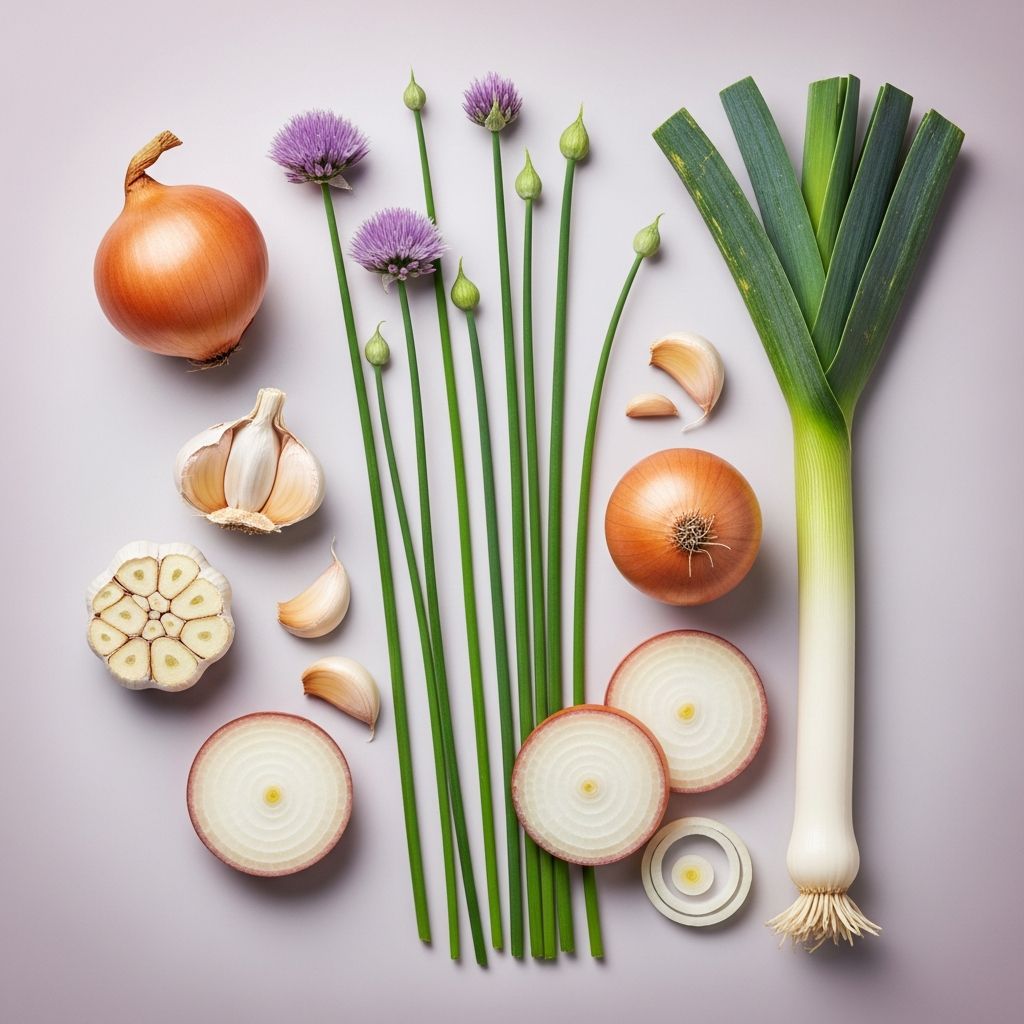
Understanding Onion, Garlic, Chive, and Leek Toxicity in Dogs
Onions, garlic, chives, and leeks are staple ingredients in many kitchens around the world, creating the foundation for countless delicious meals. While these culinary herbs and seasonings enhance human cuisine, they pose serious health risks to our canine companions. Pet owners and amateur chefs alike should be aware of the dangers these foods present, as accidental ingestion can lead to severe medical complications. Understanding the toxicity of these plants is essential for keeping your dog safe.
The domesticated species most commonly implicated in canine poisonings belong to the Allium family, specifically Allium cepa (onion), Allium porrum (leek), Allium sativum (garlic), and Allium schoenoprasum (chive). Among these, garlic stands out as the most toxic member of the group. Whether fresh, dried, powdered, liquid, cooked, or raw, all forms of these plants are poisonous to dogs. Dried and powdered forms are particularly concerning because they contain significantly higher concentrations of toxic compounds per unit weight due to water content removal. For example, one teaspoon of garlic powder is equivalent to approximately eight cloves of fresh garlic, making powdered seasonings substantially more dangerous than their fresh counterparts.
How These Plants Damage Your Dog’s Health
Onions, garlic, leeks, and chives contain sulfur-containing oxidants that cause oxidative damage to red blood cells. These compounds give these plants their distinctive pungent smell and flavor that humans enjoy, but they have a damaging effect on canine physiology. When dogs consume sufficient quantities of these Allium species, the oxidative compounds attack the membranes of red blood cells, leading to cell destruction in a process called hemolysis.
Red blood cells are responsible for carrying oxygen throughout the body and delivering it to vital organs. When these cells are destroyed faster than the body can replace them, the dog develops anemia, a condition where there aren’t enough healthy red blood cells to maintain adequate oxygen delivery to organs and tissues. This can result in serious complications affecting the heart, lungs, kidneys, and other vital systems.
The toxic effects typically emerge in two distinct phases. Initially, dogs may experience gastrointestinal irritation shortly after consumption. However, the more severe effects related to red blood cell damage develop over several days as the oxidative compounds continue their destructive work. This delayed presentation of serious symptoms can sometimes cause owners to underestimate the severity of the situation if they don’t connect the ingestion with symptoms appearing days later.
Recognizing Signs of Poisoning
The symptoms of onion, garlic, chive, or leek toxicity vary depending on the quantity consumed and the individual dog’s health status. Being able to recognize these signs is crucial for early intervention and treatment.
Initial Gastrointestinal Symptoms
When a dog ingests these toxic plants, gastrointestinal upset commonly occurs shortly after consumption. Early signs include:
- Decreased appetite or refusal to eat
- Vomiting
- Diarrhea
- Depression or lethargy
- Abdominal pain
- Drooling or excessive salivation
- Irritation of the mouth
- Nausea
Symptoms of Red Blood Cell Damage and Anemia
As red blood cell destruction progresses, more severe symptoms develop. These signs may take several days to appear but are indicative of significant internal damage:
- Weakness or loss of stamina
- Elevated heart rate (tachycardia)
- Increased respiratory rate and breathing effort
- Panting excessively
- Pale or white gums
- Red-colored or discolored urine
- Difficulty breathing
- Collapse
Signs of Kidney Damage
Kidney damage can occur in dogs that experience severe red blood cell destruction. Watch for these additional symptoms:
- Increased drinking (polydipsia)
- Increased or decreased urination
- Vomiting
- Decreased appetite
Toxicity Levels and Risk Factors
Different Allium species present varying levels of danger to dogs. Understanding the relative toxicity helps pet owners assess the urgency of the situation if ingestion occurs.
| Allium Type | Toxicity Level | Notes |
|---|---|---|
| Garlic | Most Toxic | 3-5 times more toxic than onions; most concentrated in powdered form |
| Onions | Highly Toxic | Toxic dose: over 15 grams per kilogram of body weight |
| Chives | Moderately Toxic | Less toxic than garlic or onions but still dangerous |
| Leeks | Moderately Toxic | Least toxic of the common Allium species but still poisonous |
While ingestion of any amount of onion or other Allium species causes red blood cell damage, healthy dogs have an abundance of red cells and continuously produce new ones. The prognosis depends on the amount consumed and the extent of resulting red blood cell damage. Certain dog breeds, especially those of Japanese descent such as Akitas and Shiba Inus, may have a higher genetic susceptibility to Allium poisoning and should be protected extra vigilantly.
Diagnosis of Allium Toxicity
If you suspect your dog has ingested onions, garlic, chives, or leeks, contact your veterinarian or animal poison control immediately. Professional advice from a poison hotline or veterinary professional is invaluable for determining the risks associated with the ingestion.
Veterinarians use several diagnostic approaches depending on whether they see the dog immediately after ingestion or when symptoms are already present. These include:
- A thorough history of potential ingestion and timeline
- Complete physical examination
- Bloodwork to assess red blood cell count and detect Heinz bodies
- Urinalysis to check for kidney function and hemoglobin in urine
- Additional testing if kidney damage is suspected
Treatment and Recovery Options
There is no specific antidote for Allium toxicity in dogs. Instead, treatment focuses on removing ingested material and managing symptoms while the body recovers.
Early Decontamination (Within 4 Hours)
When dogs present for treatment within four hours of ingesting a potentially dangerous dose, veterinarians employ decontamination techniques to remove as much of the toxic plant material from the digestive system as possible. These techniques include:
- Induction of vomiting to expel stomach contents
- Gastric lavage (stomach pumping) to remove material
- Activated charcoal administration to bind remaining toxins
Important Note: Induction of vomiting and administration of activated charcoal should only be performed by a veterinarian. There is no safe way to induce vomiting at home, and attempting to do so can cause additional harm to your dog.
Supportive Care and Monitoring
For dogs presenting too late for decontamination or with unknown ingestion history, baseline bloodwork and repeated monitoring are essential. Treatment may include:
- Intravenous fluid administration for hydration and kidney support
- Supplemental oxygen therapy for dogs with breathing difficulty
- Blood transfusions in cases of severe anemia
- Monitoring of vital signs and symptoms
Prognosis is dependent on several factors: the size of the ingested dose, the efficacy of decontamination efforts, the severity of resulting anemia, and how quickly treatment is initiated. Timely intervention immediately after ingestion makes a significant difference in the prognosis and is the best way to avoid serious health effects.
Prevention Strategies
Preventing access to onions, garlic, chives, leeks, and products containing these ingredients is the most effective way to protect your dog from toxicity. Implement these prevention strategies in your home:
Kitchen Safety
- Clean up promptly if these plants or ingredients are dropped on the floor while cooking
- Keep dogs out of the kitchen while preparing food
- Never share people food seasoned with onions or garlic with your dog
- Store leftover people food in sealed containers away from pet access
- Be cautious about foods and sauces containing these ingredients hidden as seasonings
Garden and Storage Protection
- Fence off gardens and plant beds containing onions, garlic, chives, or leeks
- Keep indoor plants, garlic braids, and other means of growing or storing these plants well out of reach of pets
- Dispose of leftovers containing these ingredients in areas where pets do not have access
- Remember that some determined pets can open lower cabinets or get into open drawers
- Be aware that pets can get onto counters or knock items off tables and counters
Supplement and Treat Vigilance
- Check pet food and treat labels carefully, as some products may contain garlic or onion powder
- Be cautious with human nutritional supplements, which may be a hidden source of these toxic plants
- Verify that homemade dog treats and foods don’t contain these ingredients
Frequency and Common Scenarios
While ingestion of Allium species plants is relatively common in dogs, the frequency of life-threatening anemia is less common. Eating small portions of foods seasoned with these plants does not usually pose a significant risk to healthy, larger dogs. However, the risk increases substantially with:
- Larger quantities of fresh or cooked Allium plants consumed at once
- Concentrated forms such as powders or supplements
- Repeated small ingestions over time that accumulate in the system
- Smaller dog breeds that require less total quantity to reach toxic levels
- Dogs with pre-existing health conditions or breed predisposition
Frequently Asked Questions About Allium Toxicity
Q: Can a small amount of garlic in dog food cause poisoning?
A: Occasional exposure to very small amounts of garlic found in some commercial pet foods is unlikely to cause toxicity. However, intentional feeding of garlic or foods heavily seasoned with garlic should be avoided entirely. The risk depends on the dog’s size, overall health, and frequency of exposure.
Q: Is cooked garlic or onion safer than raw?
A: No. Whether raw, cooked, dried, powdered, liquid, or fresh, all forms of onions, garlic, chives, and leeks are toxic to dogs. The cooking process does not eliminate the toxic compounds responsible for red blood cell damage.
Q: My dog ate a small piece of onion. Should I panic?
A: A single small piece of onion is unlikely to cause serious toxicity in a healthy, large dog. However, monitor your dog closely for the next several days for any signs of illness. If your dog is small, elderly, or has pre-existing health conditions, or if you’re unsure about the amount ingested, contact your veterinarian or animal poison control for guidance.
Q: What should I do if I catch my dog eating onions?
A: Contact your veterinarian or the ASPCA Animal Poison Control Center (888-426-4435) immediately. Do not attempt to induce vomiting at home. Provide information about the type of plant, the approximate amount ingested, and the time of ingestion. Seek emergency veterinary care if recommended.
Q: Can cats also be poisoned by these plants?
A: Yes. Cats are actually even more susceptible to Allium toxicity than dogs. They should never be given access to onions, garlic, chives, or leeks in any form.
References
- Onion Poisoning (Allium Toxicosis) in Dogs — Vetster. 2024. https://vetster.com/en/conditions/dog/onion-poisoning-allium-toxicosis-in-dogs
- Onion, Garlic, Chive, and Leek Toxicity in Dogs — VCA Hospitals. https://vcahospitals.com/know-your-pet/onion-garlic-chive-and-leek-toxicity-in-dogs
- Garlic and Onion (Allium spp) Toxicosis in Animals — Merck Veterinary Manual. https://www.merckvetmanual.com/toxicology/food-hazards/garlic-and-onion-allium-spp-toxicosis-in-animals
- Onions, Garlic, Chives, & Leeks: Allium Poisoning in Pets — Animal Emergency & Referral Center of Minnesota. https://aercmn.com/onions-garlic-chives-leeks-allium-poisoning-in-pets/
- Onions, Garlic and Chives — Veterinary Medications. https://vetmeds.org/pet-poison-control-list/onions-garlic-and-chives/
Similar Articles








Read full bio of medha deb




