

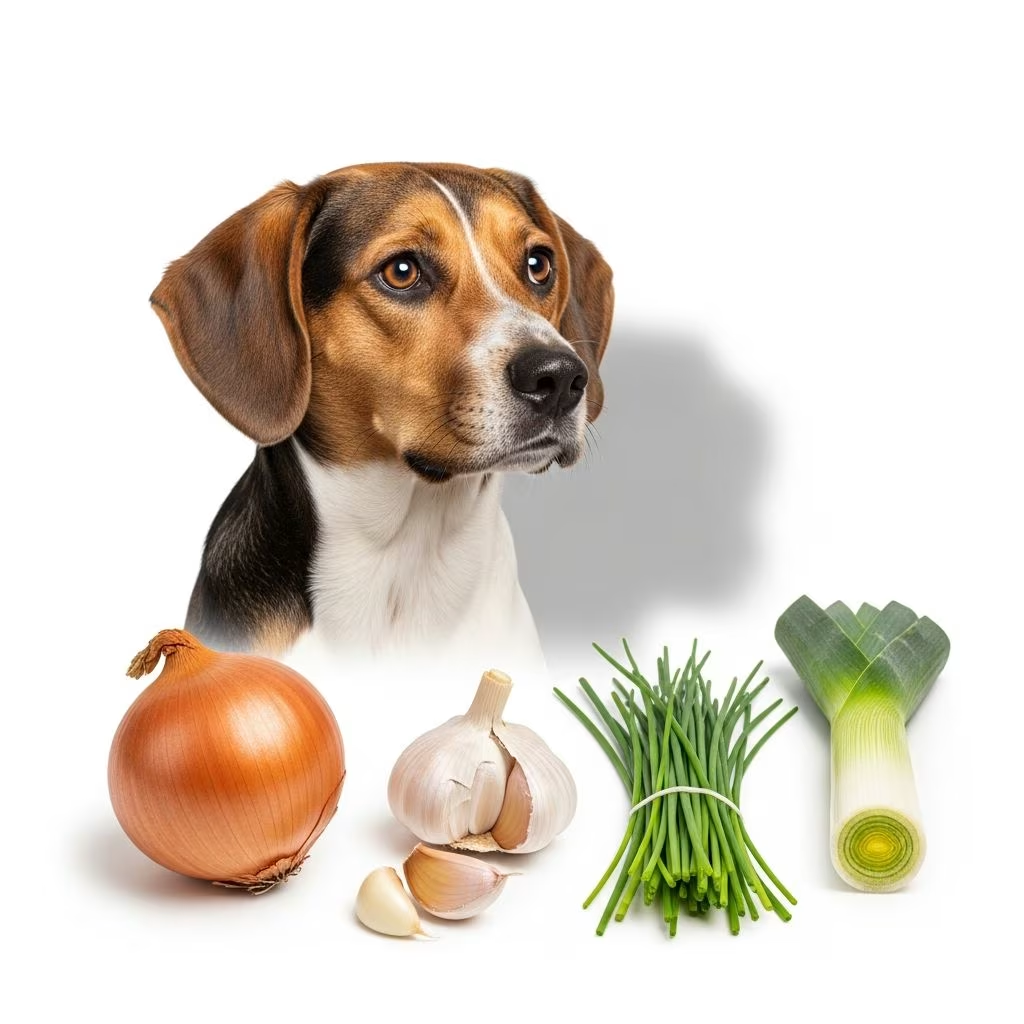
Understanding Onion, Garlic, Chive, and Leek Toxicity in Dogs
Onions, garlic, chives, and leeks are staples in many kitchens, adding flavor and depth to countless culinary dishes. However, while these seasonings delight our palates, they pose serious health risks to our canine companions. Pet owners and amateur chefs alike should understand the dangers these common kitchen herbs present to dogs, as accidental exposure can lead to severe medical complications.
What Are These Toxic Plants?
These four dangerous plants belong to the Allium family and are botanically classified as follows:
– Onion (Allium cepa)- Leek (Allium porrum)- Garlic (Allium sativum)- Chive (Allium schoenoprasum)
Among these, garlic is the most toxic, being approximately 3 to 5 times more potent than onion, while chives and leeks present lower but still significant toxicity risks.
Forms of Toxicity: Raw, Cooked, Dried, and Beyond
A critical fact for dog owners to understand is that toxicity applies to these plants in virtually any form. Whether your dog encounters these ingredients fresh, cooked, powdered, liquid, or dried, they all pose serious poisoning risks. This comprehensive toxicity makes prevention particularly important.
Dried and powdered forms warrant special attention, as they contain significantly higher concentrations of toxic compounds per unit weight. The water content removal during the drying and powdering process concentrates the poisonous substances dramatically. For example, one teaspoon of garlic powder is equivalent to approximately eight cloves of fresh garlic in terms of toxicity. This means that even small quantities of garlic powder can cause severe poisoning.
Pet owners should also be aware that human nutritional supplements may contain these toxic ingredients, particularly garlic supplements marketed for health benefits. These concentrated forms can be particularly dangerous if accidentally ingested by dogs.
How Do These Plants Poison Dogs?
The toxic mechanism of these plants involves specialized chemical compounds called sulfur-containing oxidants (SCOs). These compounds give the plants their distinctive pungent smell and flavor but also cause serious harm to canine physiology.
The Damage to Red Blood Cells
The primary mechanism of poisoning occurs when Allium species cause oxidative damage to red blood cell membranes. Red blood cells are essential for transporting oxygen throughout the body to vital organs and tissues. The SCOs in these plants cause chemical oxidation that makes red blood cell membranes fragile, leading to their destruction—a process called hemolysis. This destruction results in a dangerously low red blood cell count, or anemia.
When anemia develops, the body cannot deliver adequate oxygen to vital organs, triggering a cascade of serious health complications including increased heart rate, elevated respiratory rate and effort, weakness, and potentially organ damage or collapse.
Initial Gastrointestinal Effects
Beyond the red blood cell damage, these plants cause direct irritation to the gastrointestinal tract. This leads to gastroenteritis or inflammation of the stomach and intestines, causing immediate discomfort to affected dogs.
Clinical Signs of Poisoning
Symptoms of Allium toxicity vary depending on the quantity ingested and the sensitivity of the individual dog. Understanding these signs is crucial for early intervention.
Early Gastrointestinal Symptoms
Mild to moderate ingestion typically causes gastrointestinal upset, with symptoms that may appear relatively quickly after consumption:
– Decreased appetite- Vomiting- Diarrhea- Drooling- Nausea- Abdominal pain- Depression or lethargy
These initial signs can occur soon after ingestion, though the full onset of symptoms may take several days to appear.
Severe Systemic Symptoms
When larger quantities are consumed and red blood cell destruction occurs, more severe symptoms develop:
– Weakness and lethargy- Elevated heart rate (tachycardia)- Increased respiratory rate and effort- Difficulty breathing- Panting- Pale gums (indicating anemia)- Red-colored or discolored urine- Rapid heartbeat- Refusal to eat
If kidney damage occurs as a secondary complication, additional symptoms emerge, including increased drinking and urination, vomiting, and decreased appetite.
Breed Susceptibility and Risk Factors
While all dogs face risks from Allium toxicity, certain breeds exhibit increased vulnerability to poisoning. Breeds of Japanese descent are particularly susceptible, including:
– Akita- Shiba Inu
Additionally, cats are noted as the most susceptible species overall, followed by dogs. This breed predisposition suggests a genetic component to the sensitivity of red blood cells to oxidative damage.
Toxicity Thresholds in Dogs
Understanding the toxic dose is important for assessing risk when accidental exposure occurs. Research indicates that in dogs, ingestion of 15–30 grams per kilogram of body weight of raw onion has resulted in clinical signs of toxicity. For concentrated forms like powders, the threshold is considerably lower due to the concentration of toxic compounds.
Treatment and Emergency Response
If you believe your dog has ingested onions, garlic, chives, or leeks, immediate professional veterinary care is essential. Time is critical, as early intervention can significantly reduce the risk of severe complications.
Emergency Decontamination
If ingestion occurred within a few hours of seeking treatment, your veterinarian may induce vomiting to remove the toxic material from the stomach. This early decontamination is crucial for preventing systemic absorption of the poisonous compounds.
Following vomiting control, medical-grade activated charcoal may be administered to decrease further absorption of toxins from the gastrointestinal tract. However, activated charcoal should only be administered by a veterinarian, as improper administration can lead to serious complications including aspiration into the lungs and dangerous changes in sodium levels.
Diagnostic Testing
Blood work to examine red blood cells is typically performed to assess the extent of damage and determine if hemolysis has occurred. This diagnostic information guides treatment decisions and prognosis.
Hospitalization and Supportive Care
If red blood cell destruction is evident, hospitalized care may be recommended to provide intensive monitoring and supportive treatment. Treatment may include intravenous fluids, anti-inflammatory medications, and monitoring for kidney damage or other complications.
Contacting Poison Control
Pet owners should immediately contact their veterinarian or Pet Poison Helpline, a 24/7 animal poison control center, at 1-800-213-6680 to have the risk of poisoning assessed. The ASPCA Animal Poison Control can also be reached at 888-426-4435 for guidance.
Prevention Strategies
The most effective approach to protecting your dog from Allium toxicity is prevention through careful management of access to these dangerous plants and seasonings.
Food Safety Measures
– Never give food seasoned with onions or garlic to your dog, even in small quantities- Be cautious with table scraps and prepared foods containing these ingredients- Avoid sharing pizza, prepared meats, soups, and stews that may contain these seasonings- Dispose of leftovers containing these ingredients in areas where pets cannot access them- Keep these foods in secure containers rather than leaving them on counters
Garden and Environmental Protection
– Fence off gardens and plant beds containing onions, garlic, chives, or leeks- Prevent dogs from digging in vegetable gardens where these plants are grown- Supervise outdoor time in areas where these plants naturally grow
Household Safety Precautions
Many dogs are surprisingly resourceful at finding prohibited items. Pet owners should recognize that dogs can open lower cabinets, pull items from drawers, jump on counters, or knock items onto the floor.
– Secure all seasonings and spice containers in high, locked cabinets- Keep garlic and onion powders stored safely away from pet access- Never leave garlic bread, garlic supplements, or garlic pills within reach- Store vitamins and supplements containing these ingredients securely- Remember that pets may chew through closed bottles to reach contents- Check purses, backpacks, lunch boxes, and suitcases that could contain these ingredients- Never leave medications, plants, or seasonings on accessible surfaces
Supplement and Medication Safety
Never give any medications or supplements to your pet without first consulting a veterinarian. This is particularly important for garlic supplements marketed for flea or tick prevention, which can still cause anemia despite being labeled as “odor-free” or having SCOs removed. Safer and more effective alternatives for flea and tick prevention exist and should be discussed with your veterinarian.
Immediate Response to Spills
If medications, plant material, or seasonings are accidentally dropped or spilled, confine all pets to another area of the home until all material can be thoroughly cleaned up. Do not assume a pet will avoid eating something simply because it has an unpleasant taste—many dogs will eat these items despite any off-putting flavor.
Frequently Asked Questions
Q: Can a small amount of garlic powder hurt my dog?
A: Yes. Because garlic powder is concentrated (one teaspoon equals approximately eight cloves of fresh garlic), even small amounts can cause toxicity. Any exposure to garlic powder should be treated as potentially serious and warrants immediate veterinary consultation.
Q: Is cooked garlic or onion safer than raw?
A: No. Cooking does not eliminate the toxic compounds in these plants. Whether raw, cooked, dried, or powdered, all forms of onions, garlic, chives, and leeks remain poisonous to dogs.
Q: How long after eating these foods will my dog show symptoms?
A: Clinical signs such as vomiting can occur soon after ingestion, but the full onset of symptoms may take several days to appear. This delayed presentation makes prevention particularly important, as damage may be occurring before obvious symptoms manifest.
Q: What should I do if my dog eats food with garlic or onion?
A: Immediately contact your veterinarian or Pet Poison Helpline at 1-800-213-6680 to have the risk of poisoning assessed. Do not wait for symptoms to develop, as early treatment significantly improves outcomes. Time-sensitive cases may be classified as urgent.
Q: Are certain dog breeds more at risk?
A: Dogs of Japanese descent, such as Akitas and Shiba Inus, may have a higher risk for poisoning from these plants. However, all dogs are susceptible to toxicity from Allium species.
Q: Can garlic be used as a natural flea repellent for dogs?
A: This practice is not recommended. Even “odor-free” garlic supplements marketed for flea or tick prevention can still cause anemia in dogs. Your veterinarian can recommend safer and more effective alternatives for flea and tick prevention.
Conclusion
Onions, garlic, chives, and leeks represent a serious threat to canine health that extends beyond simple digestive upset. These plants contain toxic compounds that can damage red blood cells, leading to life-threatening anemia and organ damage. As a responsible dog owner, understanding these risks, recognizing the symptoms of toxicity, and implementing comprehensive prevention strategies are essential components of pet safety. By keeping these dangerous seasonings and their concentrated forms out of reach and seeking immediate veterinary care when exposure occurs, you can protect your beloved companion from serious harm.
References
- Onion, Garlic, Chive, and Leek Toxicity in Dogs — Veterinary Care America Hospitals (VCA). 2025. https://vcahospitals.com/know-your-pet/onion-garlic-chive-and-leek-toxicity-in-dogs
- Onions, Garlic, Chives, & Leeks: Allium Poisoning in Pets — AERCMN Animal Emergency & Referral Center. 2025. https://aercmn.com/onions-garlic-chives-leeks-allium-poisoning-in-pets/
- Garlic and Onion (Allium spp) Toxicosis in Animals – Toxicology — Merck Veterinary Manual. 2024. https://www.merckvetmanual.com/toxicology/food-hazards/garlic-and-onion-allium-spp-toxicosis-in-animals
- Leeks Are Toxic To Dogs — Pet Poison Helpline. 2024. https://www.petpoisonhelpline.com/poison/leeks/
- Onion and Garlic Toxicities in Pets — 4 Paws Veterinary Hospital. 2024-03. https://www.4pawsveterinaryhospital.com/resources/blog/march-2024/onion-and-garlic-toxicities-in-pets
- Allium Species Poisoning in Dogs and Cats — ASPCApro. August 2005. https://www.aspcapro.org/sites/default/files/c-vetm0805_562-566.pdf



