

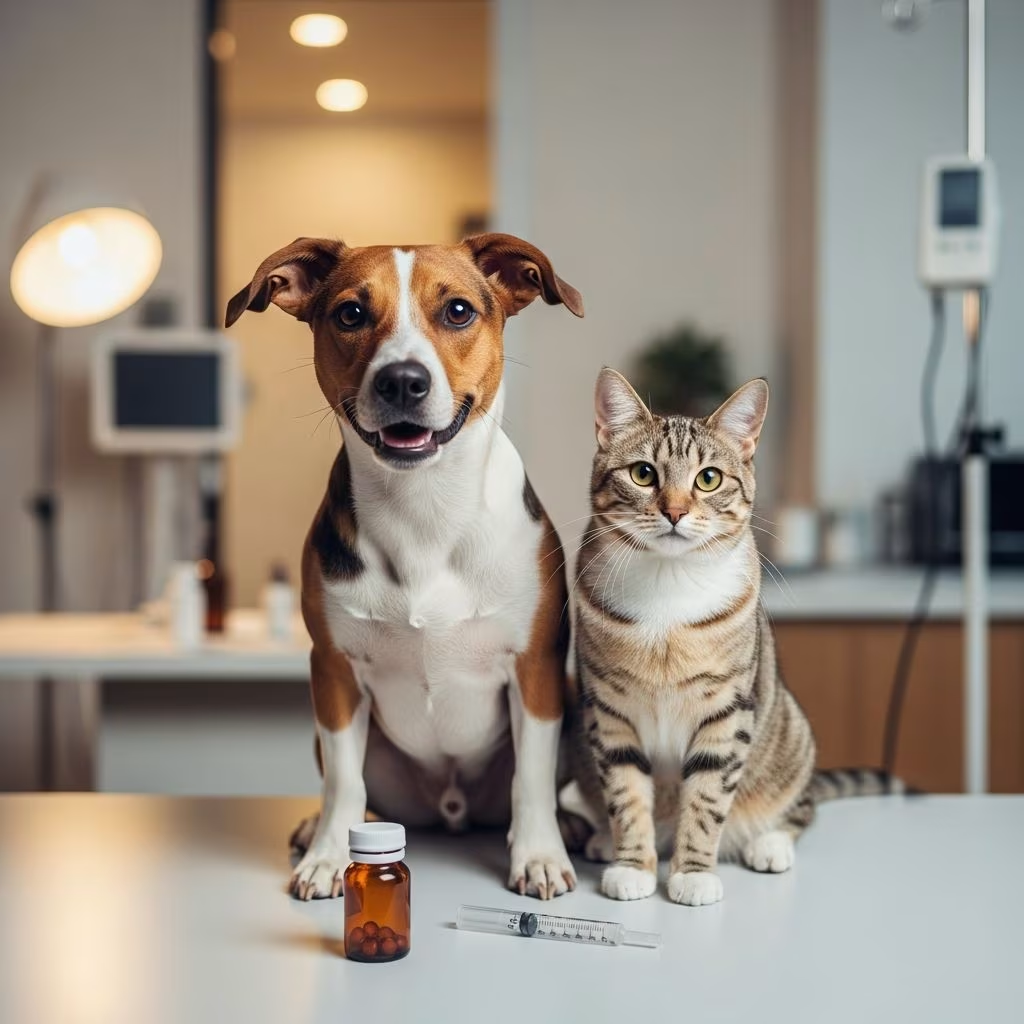
Ondansetron for Dogs and Cats: Complete Pet Owner’s Guide
Ondansetron is a prescription medication commonly used in veterinary medicine to treat nausea and vomiting in dogs and cats. This medication belongs to a class of drugs called 5-HT3 receptor antagonists, which work by blocking the signals in the body that trigger the vomiting reflex. Whether your pet is experiencing nausea from chemotherapy, surgery, or other medical conditions, understanding how ondansetron works and how to use it safely is essential for responsible pet ownership.
What is Ondansetron?
Ondansetron is a medication that prevents and treats nausea and vomiting in pets. It is available in multiple forms, including oral tablets and injectable solutions that can be administered under the skin. The medication is particularly valuable for pets undergoing chemotherapy treatment or experiencing severe gastrointestinal distress. Veterinarians may prescribe it as a preventative measure before anticipated nausea-inducing procedures or as a treatment for active vomiting episodes.
This short-acting medication begins working quickly, typically within 1 to 2 hours of administration. The effects are relatively brief, with the medication usually stopping its action within 24 hours, though the duration may be extended in pets with liver or kidney disease.
Uses of Ondansetron in Veterinary Medicine
Ondansetron serves multiple purposes in treating companion animals. Understanding these applications helps pet owners recognize when their veterinarian might recommend this medication.
Chemotherapy-Related Nausea and Vomiting
One of the primary uses of ondansetron in veterinary practice is managing the side effects of chemotherapy. Just as humans often experience severe nausea and vomiting following chemotherapy doses, dogs and cats face similar challenges. Veterinarians typically administer ondansetron before and after each chemotherapy session to control these distressing side effects. Treatment usually involves a single dose or multiple doses administered over several days, depending on the specific chemotherapy protocol and the pet’s response.
Post-Surgical Nausea
Pets recovering from surgical procedures frequently experience nausea as a side effect of anesthesia and surgical stress. Ondansetron helps manage this post-operative discomfort, allowing for better recovery and improved appetite during the healing process.
Gastrointestinal Disorders
Pets with various gastrointestinal conditions may benefit from ondansetron therapy. Severe diarrhea, gastritis, and other digestive issues that cause nausea can be managed more effectively with this medication as part of a comprehensive treatment plan.
Inner Ear Disease
Research suggests ondansetron may be useful in treating nausea associated with vestibular disease (inner ear problems) in dogs. While promising, this use has not yet become a standard extra-label treatment in veterinary medicine, and more research is needed to establish its routine effectiveness for this condition.
Dosage Information
The appropriate ondansetron dosage depends on several factors, including the pet’s weight, the medical condition being treated, the form of medication being used, and the individual pet’s response to treatment. Your veterinarian will determine the correct dosage for your specific pet based on their medical history and current health status.
For cats, the average oral dose typically ranges from 2 to 4 milligrams given 2 to 4 times daily, though finding the optimal dose for individual cats may take several days. Dogs may receive different dosages based on their size and condition. The medication can be given with or without food, making it convenient for most pet owners.
What If You Miss a Dose?
If you forget to give your pet a scheduled dose of ondansetron, administer it as soon as you remember and continue with the regular dosing schedule. However, if the next scheduled dose is approaching, skip the missed dose and resume the regular schedule. Never give your pet two doses at once to compensate for a missed dose, as this could lead to overdose complications.
Safety Considerations and Risk Factors
While ondansetron is generally well-tolerated in pets, certain conditions and circumstances require careful consideration before administering this medication.
When Ondansetron Should NOT Be Used
Ondansetron should never be given to pets with a known allergy or sensitivity to the medication. Additionally, pets with the following conditions should not receive ondansetron without veterinary guidance:
- Gastrointestinal obstruction or blockage
- Gastrointestinal toxicity
- Enlarged stomach (gastric distention)
- Non-functional large intestine (ileus)
When Ondansetron Requires Caution
Certain conditions warrant careful monitoring and possible dose adjustments when using ondansetron:
- Liver Disease: The liver metabolizes ondansetron, so pets with impaired liver function may require reduced doses or longer intervals between doses to prevent drug accumulation in the bloodstream.
- Heart Rhythm Abnormalities: Ondansetron may affect cardiac electrical signals, particularly at very high doses. Pets with underlying heart disease should receive lower doses.
- Kidney Disease: Unlike liver disease, ondansetron can generally be safely given to dogs with kidney disease, though veterinary monitoring remains important.
- MDR1 Gene Mutation: Certain dog breeds, including collies, sheepdogs, and their crosses, carry an MDR1 genetic mutation that impairs their ability to metabolize certain medications. These dogs require cautious ondansetron use.
- Abnormal Electrolyte Levels: Pets with electrolyte imbalances need careful monitoring when receiving ondansetron.
- Pregnancy and Lactation: Safety has not been clearly established in pregnant or nursing pets, so use requires veterinary discretion.
Potential Side Effects
Common Side Effects
Ondansetron is typically well-tolerated in most pets, with side effects being relatively mild and uncommon. The most frequently reported side effects include:
- Constipation
- Sedation or drowsiness
- Head shaking
- Low blood pressure (hypotension)
These common side effects rarely require discontinuation of the medication unless they become severe, persist over time, or worsen significantly. If you notice any of these signs continuing or worsening, contact your veterinarian for guidance.
Serious Side Effects
While rare, serious adverse reactions can occur. Stop administering ondansetron immediately and contact your veterinarian if your pet develops any of the following signs:
- Abnormal heart rhythms or arrhythmias
- Fainting, collapse, or severe lethargy due to low blood pressure
- Severe lack of energy
In one study, ondansetron used in very high doses was associated with changes in electrical signals within the heart. Although no changes in blood flow or clinical symptoms were observed in these dogs, veterinarians may prefer using lower doses in pets with underlying heart disease.
Drug Interactions
Ondansetron can interact with other medications, potentially causing health risks. The following medications should be used with caution when given alongside ondansetron:
- Apomorphine
- Certain heart medications
- Cyclophosphamide (a chemotherapy drug)
- Serotonergic drugs (medications affecting serotonin levels, such as certain antidepressants)
- Tramadol (a pain medication)
Always inform your veterinarian about any medications, vitamins, supplements, or herbal therapies your pet is currently taking before starting ondansetron treatment. This comprehensive medication history helps your veterinarian identify potential interactions and adjust treatment accordingly.
Overdose Information
Administering too much ondansetron can cause serious complications. Signs of ondansetron overdose may include severe constipation, diarrhea, lethargy or grogginess, head shaking, elevated liver levels, abnormal heart rhythms, and abnormally low blood pressure. In human cases, very high doses have caused sudden, temporary blindness and severe hypotension. There is also a risk of serotonin syndrome, a potentially serious complication that affects serotonin levels throughout the body.
If you suspect your pet has received an overdose of ondansetron, immediately contact your veterinarian, seek emergency veterinary care, or call an animal poison control center. Keep these emergency numbers readily available:
- Pet Poison Helpline: (855) 764-7661
- ASPCA Animal Poison Control: (888) 426-4435
Special Considerations for Different Pets
Dogs
Dogs generally tolerate ondansetron well across most breeds. However, breed-specific considerations apply, particularly for MDR1-positive dogs. Additionally, the medication’s effectiveness in treating vestibular disease-related nausea shows promise but remains an off-label use in veterinary medicine.
Cats
Ondansetron appears to be particularly well-tolerated by cats. Feline patients typically receive oral doses ranging from 2 to 4 milligrams given multiple times daily. Side effects remain rare in cats, similar to their canine counterparts.
Frequently Asked Questions About Ondansetron
Q: How quickly does ondansetron work in pets?
A: Ondansetron typically takes effect within 1 to 2 hours of administration. Improvement in clinical signs should follow as the medication reaches therapeutic levels in the bloodstream.
Q: Is ondansetron safe for long-term use in pets?
A: Ondansetron is typically prescribed for short-term use. While it has relatively few side effects and severe side effects are rare, the medication is usually not intended for extended long-term therapy. Your veterinarian will determine the appropriate duration of treatment based on your pet’s specific condition.
Q: Can ondansetron be given with food?
A: Yes, ondansetron oral tablets can be administered with or without food, making it convenient for pet owners. This flexibility helps ensure pets receive their medication consistently.
Q: What should I do if my pet vomits after receiving ondansetron?
A: Contact your veterinarian if vomiting persists or worsens after ondansetron administration. Your veterinarian may adjust the dosage, change the frequency of administration, or investigate underlying causes of the continued vomiting.
Q: Are there any breed-specific concerns with ondansetron?
A: Yes, dogs with the MDR1 genetic mutation, including collies, sheepdogs, and their cross-breeds, require cautious use of ondansetron. These breeds have difficulty metabolizing certain medications, and dose adjustments may be necessary.
Q: How long does ondansetron remain in a pet’s system?
A: Ondansetron is a short-acting medication that should stop working within 24 hours in most pets. However, the duration may be extended in pets with liver or kidney disease, as these organs are responsible for processing and eliminating the medication.
Conclusion
Ondansetron is a valuable medication in veterinary medicine for managing nausea and vomiting in dogs and cats. Its effectiveness in preventing chemotherapy-related side effects, post-surgical nausea, and other gastrointestinal disorders makes it an important tool in veterinary treatment plans. While generally well-tolerated with few serious side effects, responsible use requires understanding proper dosage, potential interactions, and individual pet risk factors. Always work closely with your veterinarian to ensure ondansetron is the right choice for your pet’s specific condition, and report any concerning symptoms promptly. With proper veterinary supervision, ondansetron can significantly improve your pet’s comfort and quality of life during challenging medical situations.
References
- Ondansetron for Dogs and Cats — VCA Animal Hospitals. 2024. https://vcahospitals.com/know-your-pet/ondansetron
- Ondansetron for Dogs: Dosage and Safety — SingleCare. 2024. https://www.singlecare.com/blog/ondansetron-for-dogs/
- Ondansetron — PetMD. 2024. https://www.petmd.com/pet-medication/ondansetron-dogs-and-cats
- Ondansetron Warnings and Side Effects — JAM Veterinary Services. 2024. https://www.jamdvm.com/ondansetron
- Ondansetron in Feline Medicine — The Cat Doctor. 2024. https://thecatdoctor.co.uk/medications/ondansetron/



