

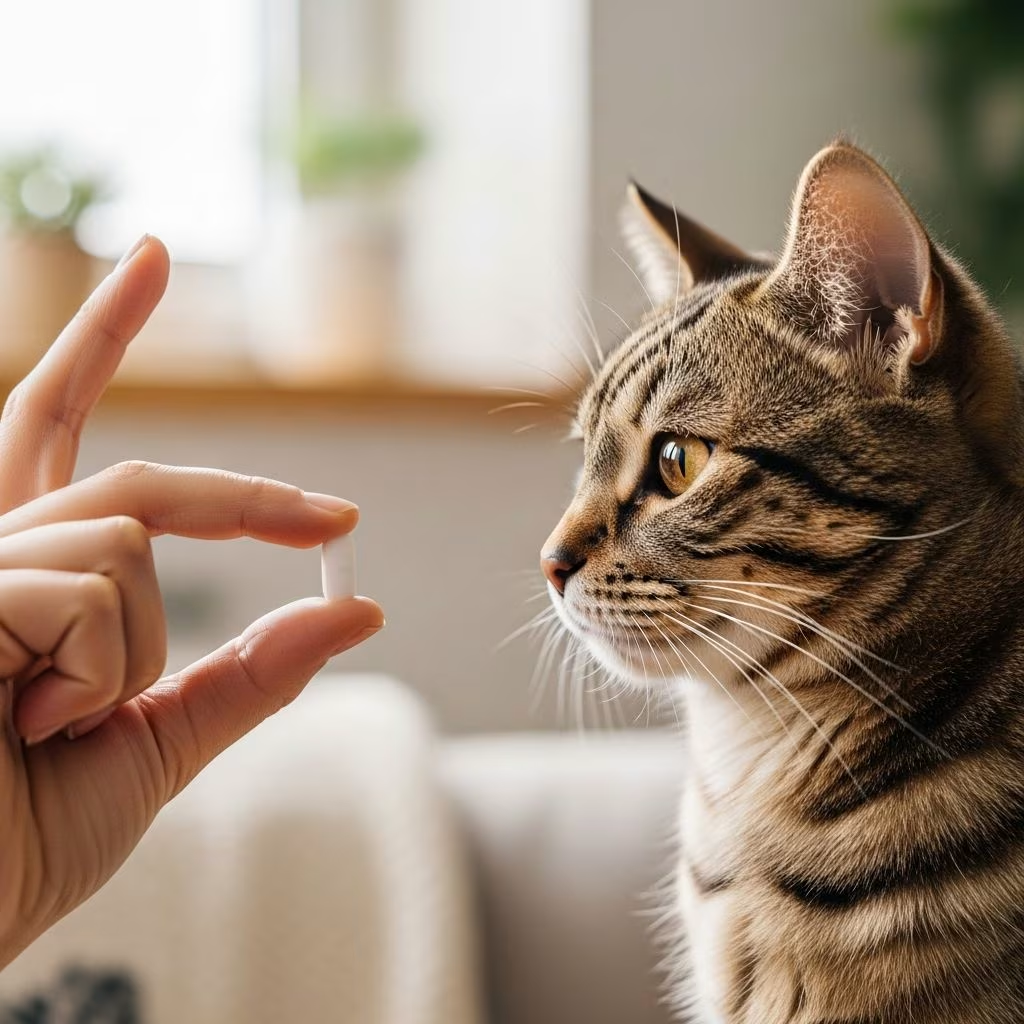
Omeprazole serves as a cornerstone medication in veterinary care for cats experiencing gastrointestinal distress, particularly conditions involving excessive stomach acid. This proton pump inhibitor (PPI) effectively reduces acid production, aiding in the treatment and prevention of ulcers in the stomach, duodenum, and esophagus. By targeting the root cause of acid-related damage, it promotes healing and improves comfort for affected felines.
Understanding the Role of Omeprazole in Feline Medicine
Cats often suffer from sensitive digestive systems, making them prone to issues like gastritis, esophagitis, and ulcers. Omeprazole works by irreversibly blocking the proton pumps in parietal cells of the stomach lining, which are responsible for secreting hydrochloric acid. This mechanism provides a more potent and longer-lasting suppression of acid compared to H2 blockers like famotidine.
In clinical practice, veterinarians prescribe it off-label for cats, as it is FDA-approved for humans and horses but has proven safe and effective through extensive veterinary use. Its application extends to managing symptoms from underlying causes such as kidney disease, stress, or infections like Helicobacter.
Common Conditions Treated with Omeprazole in Cats
Omeprazole addresses a range of acid-mediated disorders. Key indications include:
- Gastric and duodenal ulcers: Erosions in the stomach or intestinal lining due to excess acid.
- Esophagitis: Inflammation of the esophagus from acid reflux.
- Gastritis: Mild stomach irritation leading to nausea or vomiting.
- Acid reflux (GERD): Backward flow of stomach contents irritating the esophagus.
- Supportive therapy: In cases of chronic vomiting, IBD, or post-surgical GI protection.
Definitive diagnosis typically requires endoscopy, but symptoms like vomiting blood, tarry stools, or appetite loss prompt its use while investigating causes.
Optimal Dosage Guidelines for Cats
The standard dosage for omeprazole in cats is 0.5–1 mg per kilogram of body weight (approximately 0.2–0.5 mg per pound), administered once daily. Some protocols suggest up to 1–2 mg/kg divided into two doses for severe cases, but always follow veterinary instructions.
| Condition | Dosage (mg/kg) | Frequency | Duration |
|---|---|---|---|
| Gastric Ulcers/Esophagitis | 0.5–1 | Once daily | Up to 4 weeks |
| Severe Gastritis | 1–2 | 1–2 times daily | 2–4 weeks |
| Maintenance/Prevention | 0.5 | Once daily | Vet-monitored |
Administer 30–60 minutes before meals for maximum efficacy, as food stimulates acid production. Liquid or compounded flavored formulations are ideal for cats, avoiding the stress of pilling.
Safety Profile and Potential Side Effects
Omeprazole is generally well-tolerated in cats when used short-term (under 4 weeks), but monitoring is essential. Common mild side effects include:
- Decreased appetite
- Mild nausea or vomiting
- Flatulence or diarrhea
- Colic-like discomfort
Rarer serious effects may involve elevated liver enzymes, blood disorders, neurologic signs, or proteinuria. Cats with liver or kidney impairment require dose adjustments, as these organs metabolize and excrete the drug.
Long-term use beyond 8 weeks is discouraged due to risks like nutrient malabsorption (e.g., B12, magnesium) or microbial changes, though a PMC study found minimal fecal microbiome disruption in short-term feline use.
Drug Interactions and Contraindications
Avoid combining omeprazole with certain drugs:
- Clopidogrel: Reduces its antiplatelet effect.
- Diazepam, phenytoin: Prolongs their activity.
- Antifungals (ketoconazole): Decreased absorption.
Inform vets of all supplements or medications. It’s contraindicated in cats with known hypersensitivity.
Administering Omeprazole Effectively to Your Cat
Success hinges on proper delivery. Tips include:
- Use a syringe for precise liquid dosing.
- Mix with a small amount of wet food if tolerated, but ensure full consumption.
- Monitor weight and appetite daily.
- Store at room temperature, away from light.
Never use human formulations without vet approval due to concentration differences.
Alternatives to Omeprazole for Feline GI Issues
Other PPIs like pantoprazole or esomeprazole offer similar efficacy. H2 blockers (famotidine, ranitidine) provide milder suppression for short-term needs. Sucralfate coats ulcers protectively, often used adjunctively.
| Medication | Mechanism | Best For | Duration |
|---|---|---|---|
| Omeprazole (PPI) | Strong acid block | Ulcers, esophagitis | Short-term |
| Famotidine (H2) | Moderate acid reduction | Mild reflux | Longer-term |
| Sucralfate | Coating agent | Ulcer protection | Adjunct |
Monitoring Your Cat During Treatment
Observe for improvement within 3–5 days: reduced vomiting, better appetite, normal stools. Routine bloodwork isn’t always needed, but liver/kidney panels are wise for at-risk cats. Re-evaluate with your vet after 2 weeks.
Preventing Acid-Related Issues in Cats
Proactive steps reduce reliance on meds:
- Diet: Feed small, frequent meals of bland, high-quality food.
- Stress reduction: Provide hiding spots, pheromone diffusers.
- Weight management: Obesity exacerbates reflux.
- Regular check-ups: Early detection of kidney/liver issues.
Avoid NSAIDs like meloxicam, which can trigger ulcers.
Frequently Asked Questions (FAQs)
Can I give my cat human omeprazole?
No, consult a vet for appropriate feline dosing and formulation. Human pills may be too concentrated.
How long can cats take omeprazole?
Typically 4 weeks max; extensions require vet oversight.
Does omeprazole cause diarrhea in cats?
It’s a possible mild side effect, resolving post-treatment.
Is omeprazole safe for kittens or seniors?
Use cautiously; adjust for liver/kidney function.
What if my cat vomits after omeprazole?
Contact your vet; it may indicate dosage issues or unrelated problems.
Real-World Veterinary Insights
Vets report high success rates with omeprazole in 80–90% of ulcer cases when combined with cause-specific therapy. A study confirmed its minimal impact on gut bacteria, supporting its safety profile. Always pair with diagnostics for best outcomes.
References
- Omeprazole for cats: Dosage and safety — SingleCare. 2023. https://www.singlecare.com/blog/omeprazole-for-cats/
- Omeprazole for Cats: Overview, Dosage & Side Effects — Cats.com. 2023. https://cats.com/omeprazole-for-cats
- Omeprazole for Dogs and Cats — WebMD Pets. 2023. https://www.webmd.com/pets/pet-meds/omeprazole-dogs-cats
- Omeprazole for Dogs & Cats: Uses, Dosage, Safety & Side Effects — PetPlace. 2023. https://www.petplace.com/article/drug-library/drug-library/library/omeprazole-prilosec-gastrogard-for-dogs-and-cats
- Omeprazole — JAM Veterinary Services. 2023. https://www.jamdvm.com/omeprazole
- Omeprazole Minimally Alters the Fecal Microbial Community in Six Healthy Cats — PMC (NIH). 2018-04-25. https://pmc.ncbi.nlm.nih.gov/articles/PMC5911808/



