

Understanding Omeprazole: A Proton Pump Inhibitor for Pets
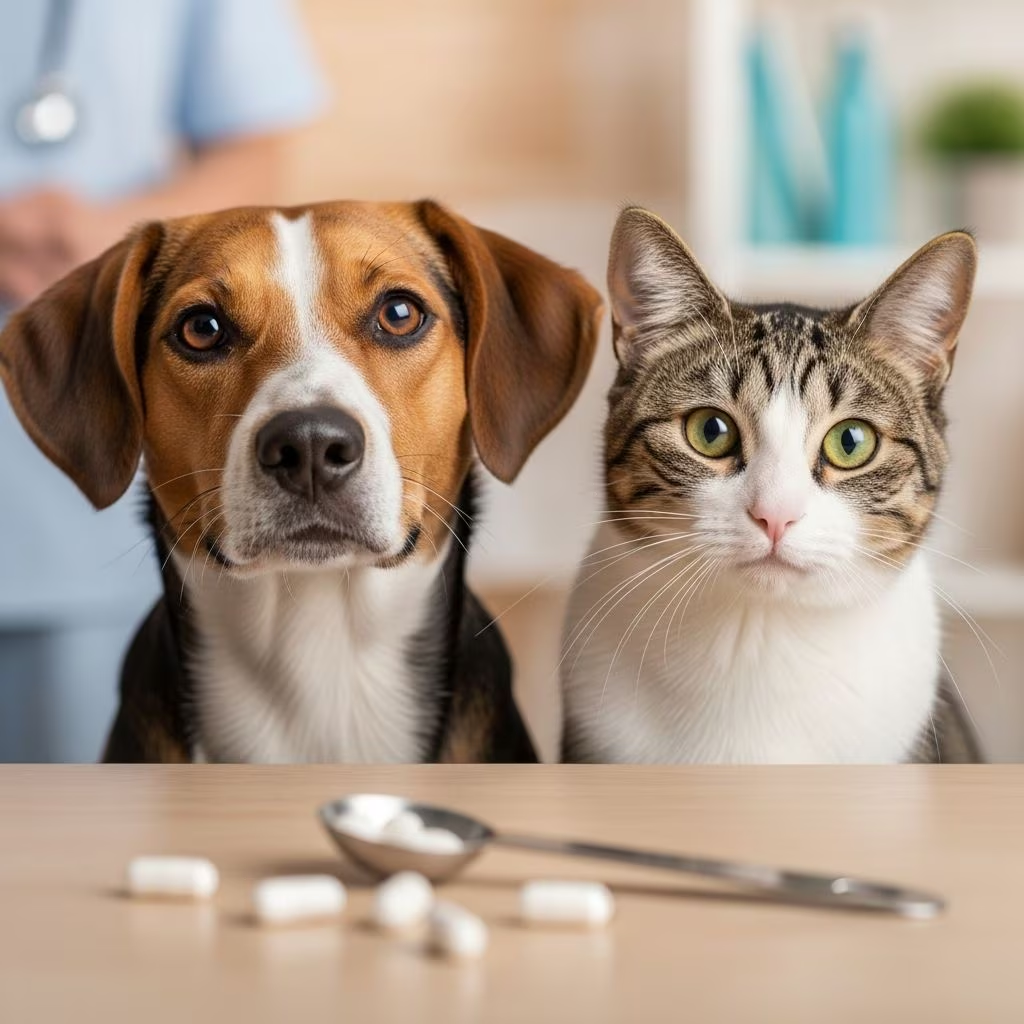
Omeprazole is a widely prescribed medication in veterinary medicine that belongs to a class of drugs known as proton pump inhibitors (PPIs). This medication plays an important role in managing various gastrointestinal conditions in dogs, cats, and other animals. Understanding how omeprazole works, when it’s prescribed, and what precautions to take can help pet owners make informed decisions about their animal’s healthcare.
Omeprazole is available under several brand names, including Gastrogard®, Losec®, and Prilosec®. The medication is designed to reduce stomach acid production, making it effective for treating ulcers and other acid-related conditions. Since omeprazole is commonly prescribed off-label in veterinary medicine—meaning it’s used in ways not specifically approved by the FDA or Health Canada—it’s crucial to follow your veterinarian’s directions carefully.
What Is Omeprazole and How Does It Work?
Omeprazole functions by targeting the proton pumps in the stomach lining. These pumps are enzymes responsible for producing stomach acid, which is essential for digestion but can become problematic when produced in excess. By binding to these proton pumps and blocking their function, omeprazole effectively reduces the amount of acid the stomach produces.
The medication works through a specific mechanism: it inhibits the final step of gastric acid secretion, providing relief from various acid-related conditions. This makes omeprazole particularly effective for treating stomach ulcers, preventing gastric erosions, and managing inflammatory conditions of the gastrointestinal tract.
Primary Uses of Omeprazole in Veterinary Medicine
Veterinarians prescribe omeprazole for several specific conditions and situations:
- Gastric and duodenal ulcers: Omeprazole is highly effective for treating ulcers occurring in the stomach and upper part of the small intestine in both dogs and cats.
- Drug-induced gastric erosions: The medication prevents and treats erosions caused by nonsteroidal anti-inflammatory drugs (NSAIDs) and corticosteroids.
- Helicobacter infections: Omeprazole is used as part of treatment protocols for Helicobacter pylori infections in pets.
- Acute gastritis: The medication effectively treats inflammation of the stomach lining in dogs.
- Gastroesophageal reflux: Omeprazole manages acid reflux by reducing stomach acid production.
- Off-label uses: In ferrets, the medication is used off-label to treat gastroenteritis, and veterinarians may prescribe it for other gastrointestinal conditions as clinically indicated.
How Is Omeprazole Administered?
Proper administration of omeprazole is essential for its effectiveness. The medication is available in multiple forms to suit different patient needs and preferences:
- Tablets and capsules: These are the standard forms of omeprazole available through most veterinary clinics.
- Compounded formulations: Compounding pharmacies can prepare omeprazole in alternative forms, such as liquids or sprinkles, which may be easier to administer to certain patients, particularly cats or animals with difficulty swallowing.
Dosing Instructions: Omeprazole should always be given by mouth on an empty stomach, ideally before the first meal of the day. This timing ensures optimal absorption and effectiveness. However, if your pet experiences vomiting when receiving the medication on an empty stomach, your veterinarian may recommend giving future doses with food to minimize gastrointestinal upset.
Potential Side Effects of Omeprazole
While omeprazole is generally well-tolerated in most pets, some animals may experience side effects. Common side effects include:
- Vomiting
- Decreased appetite
- Gas or flatulence
- Diarrhea
If any of these side effects worsen, become severe, or persist, contact your veterinarian immediately. It’s important to note that drug sensitivities can develop over time with repeated exposure. Your pet may show no reaction after the first few doses but could develop sensitivity later in treatment. Monitor your animal throughout the entire course of treatment for signs of allergic reactions or unusual symptoms.
This short-acting medication typically stops working within 24 hours, although effects may be prolonged in pets with liver or kidney disease. This pharmacokinetic profile is important to consider when establishing treatment schedules.
Risk Factors and Contraindications
Certain situations require caution or contraindicate omeprazole use entirely:
Do Not Use Omeprazole:
- In pets with known allergies to omeprazole or similar medications
Use With Caution In:
- Pets with liver or kidney disease
- Pregnant or nursing animals
These precautions exist because omeprazole metabolism and excretion are influenced by liver and kidney function. Animals with compromised organ function may accumulate the medication, requiring dose adjustments or increased monitoring. Similarly, the safety profile of omeprazole in pregnant or nursing animals has not been thoroughly established, so careful risk-benefit assessment is necessary in these populations.
Important Drug Interactions
Omeprazole can interact with several other medications, potentially affecting their absorption, metabolism, or efficacy. Medications that should be used with caution when given concurrently with omeprazole include:
- Benzodiazepines: Sedative medications whose metabolism may be affected
- Certain antibiotics: Absorption and effectiveness may be altered
- Clopidogrel: This antiplatelet medication requires specific consideration as omeprazole may affect its function
- Cyclosporine: An immunosuppressive drug whose absorption may be impacted
- Diuretics: Water-eliminating medications may interact with the acid-suppressing effects
- Levothyroxine: Thyroid hormone absorption may be reduced
- Phenobarbital: Barbiturate metabolism may be altered
Always inform your veterinarian about all medications, vitamins, supplements, and herbal therapies your pet is taking before starting omeprazole treatment. This comprehensive medication history helps your veterinarian identify potential interactions and adjust treatment protocols accordingly.
Monitoring Requirements During Omeprazole Treatment
Proper monitoring ensures that omeprazole is working effectively and not causing adverse effects. Your veterinarian will establish a specific reassessment schedule tailored to your pet’s condition. During home monitoring, watch carefully for:
- Development or worsening of side effects
- Changes in appetite or drinking habits
- Vomiting or regurgitation
- Diarrhea or constipation
- Signs of allergic reactions such as itching, swelling, or difficulty breathing
If any concerning symptoms develop, stop the medication and contact your veterinarian immediately. Regular check-ins with your veterinary clinic ensure the medication continues to be appropriate for your pet’s condition and that no complications are developing.
Proper Storage of Omeprazole
Correct storage is important for maintaining medication effectiveness and safety:
- Store omeprazole tablets and capsules in a tightly sealed container protected from light
- Maintain storage temperatures below 86°F (30°C)
- Keep the container out of reach of children and pets to prevent accidental ingestion
- Check expiration dates regularly and dispose of expired medication properly
Overdose and Emergency Situations
While overdoses of omeprazole are typically not serious, any suspected overdose should be treated as a potential emergency. If you believe your pet has ingested an excessive amount of omeprazole and is showing signs of an adverse reaction, contact your veterinary office immediately. If your regular clinic is unavailable, follow their emergency protocol to reach an emergency veterinary facility.
When calling for emergency care, be prepared to provide the following information:
- The medication product name and formulation
- Your pet’s weight
- The approximate amount ingested, if known
- The time of ingestion
- Any symptoms your pet is currently experiencing
Off-Label Use in Veterinary Medicine
Omeprazole is commonly prescribed off-label in veterinary practice, which is a legally permissible practice in veterinary medicine under certain circumstances. Off-label or extra-label use means the medication is prescribed in a way not specifically approved by regulatory agencies like the FDA or Health Canada. When your veterinarian prescribes omeprazole off-label, they are using their professional judgment based on clinical evidence and experience to treat conditions where the medication has demonstrated benefit, even if not explicitly approved for that use.
If your veterinarian prescribes omeprazole off-label for your pet, it’s particularly important to follow their directions and cautions carefully, as these may differ significantly from information on the medication label.
Frequently Asked Questions About Omeprazole
Q: Can omeprazole be used in both dogs and cats?
A: Yes, omeprazole is used in both dogs and cats to treat similar gastrointestinal conditions. Dosing and administration may differ between species, so always follow your veterinarian’s specific instructions.
Q: How long does omeprazole take to work?
A: Omeprazole typically begins reducing stomach acid within hours of administration. However, clinical improvement in symptoms may take several days to weeks depending on the specific condition being treated.
Q: Is omeprazole safe for long-term use?
A: While omeprazole can be used for extended periods when clinically indicated, long-term use should be monitored by your veterinarian. Periodic reassessment ensures continued appropriateness of therapy and helps identify any developing complications.
Q: What should I do if I miss a dose?
A: If you miss a dose, give it as soon as you remember unless it’s almost time for the next scheduled dose. Never double-dose to make up for a missed dose. Contact your veterinarian if you’re unsure about dosing schedules.
Q: Can omeprazole be combined with other medications?
A: Omeprazole can be used with many other medications, but certain drugs require cautious co-administration due to potential interactions. Always inform your veterinarian about all medications your pet is receiving.
Q: What is the difference between omeprazole brands like Gastrogard and Prilosec?
A: These are different brand names for the same active ingredient, omeprazole. While they contain identical medication, formulations, concentration strengths, and prices may vary. Your veterinarian will recommend the most appropriate option for your pet.
References
- Prevalence and Appropriateness of Omeprazole Prescription in Dogs — Frontiers in Veterinary Science. 2024-01-15. https://www.frontiersin.org/journals/veterinary-science/articles/10.3389/fvets.2024.1352496/full
- Omeprazole — VCA Animal Hospitals. 2024. https://vcahospitals.com/know-your-pet/omeprazole
- Omeprazole (GastroGard® Ulcergard®) — PetMD. 2024. https://www.petmd.com/pet-medication/omeprazole-gastrogard-ulcergard
- Gastritis in Dogs — VCA Animal Hospitals. 2024. https://vcahospitals.com/know-your-pet/gastritis-in-dogs
- Steroid Treatment – Long-Term Effects in Dogs — VCA Animal Hospitals. 2024. https://vcahospitals.com/know-your-pet/steroid-treatment-long-term-effects-in-dogs
- Gastroesophageal Reflux Disease (GERD) in Non-Brachycephalic Dogs — VCA Animal Hospitals. 2024. https://vcahospitals.com/know-your-pet/gastroesophageal-reflux-disease-gerd-in-nonbrachycephalic-dogs



