

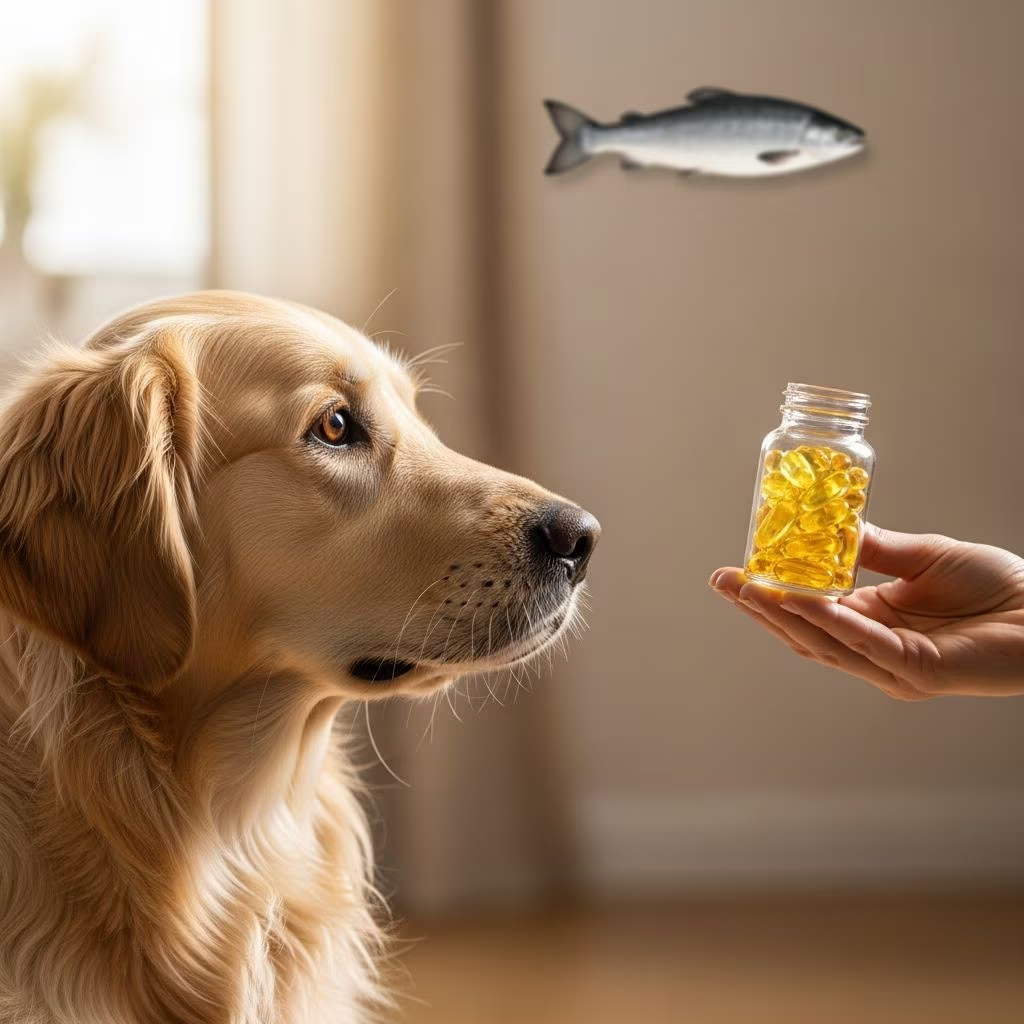
Fish oil supplements deliver essential omega-3 fatty acids, EPA and DHA, that combat inflammation and promote multiple aspects of canine health. These nutrients, sourced from fatty fish like salmon, offer targeted support for conditions ranging from arthritis to skin issues.
Understanding the Science Behind Omega-3 Fatty Acids
Omega-3 fatty acids are polyunsaturated fats vital for dogs, as they cannot synthesize them efficiently. EPA (eicosapentaenoic acid) and DHA (docosahexaenoic acid) stand out for their anti-inflammatory properties, modulating the body’s response to stressors and diseases.
Unlike omega-6 fats, which can promote inflammation when imbalanced, omega-3s restore equilibrium. Research shows they reduce pro-inflammatory cytokines and lipids, benefiting various systems.
Key Health Advantages for Canine Wellness
Fish oil addresses common dog health challenges through its bioactive compounds. Here’s a breakdown of primary benefits supported by veterinary studies.
Enhancing Cardiovascular Function
Dogs with heart conditions, such as atrial fibrillation or cardiomyopathy, experience fewer arrhythmias and improved heart strength from omega-3 supplementation. One study in Boxers with ventricular issues noted reduced irregular rhythms and increased omega-3 levels in heart tissue.
Additionally, fish oil lowers triglycerides, a risk factor for pancreatitis and heart disease, while acting as a mild anticoagulant to prevent clots.
Promoting Lustrous Skin and Coat
Allergies often cause itchy, flaky skin in dogs. Fish oil mitigates this by curbing cytokine production, leading to less scratching and healthier fur. Clinical trials report significant reductions in irritation, hair loss, and improved coat quality after 6 weeks of use.
Supporting Joint Mobility and Arthritis Relief
Osteoarthritis affects many dogs, causing pain and stiffness. Omega-3s decrease joint inflammation markers and enhance weight-bearing ability. A recent study found a 19% pain reduction in supplemented dogs, particularly smaller breeds.
Dogs with cranial cruciate ligament injuries also show lower inflammatory mediators in joints.
Protecting Kidney Health
Chronic kidney disease elevates blood pressure and protein loss in urine. Fish oil counters this by reducing hypertension, improving lipid profiles, and minimizing pro-inflammatory agents. Induced renal failure models confirm better function and survival rates.
Boosting Brain and Cognitive Performance
DHA is crucial for neural development in puppies, enhancing learning, memory, and retinal function. Maternal supplementation leads to superior visual acuity in offspring.
Senior dogs with cognitive dysfunction regain family recognition and reduce aggression via improved neurotransmitter balance.
Additional Perks: Anxiety Reduction and Cancer Support
Omega-3s influence dopamine and serotonin, easing anxiety symptoms. In cancer, particularly lymphoma, supplemented dogs have longer remission and higher EPA/DHA blood levels, potentially slowing tumor enzyme activity.
Forms of Fish Oil Supplements Available
- Liquid oils: Easy to mix into food; precise dosing for all sizes.
- Capsules: Convenient, odorless options; ideal for picky eaters.
- Chews: Tasty treats masking fishy taste; great for daily routines.
Choose products tested for purity, free from heavy metals and oxidized fats.
Determining the Right Dosage for Your Dog
Dosage varies by weight, condition severity, and product concentration. General guidelines suggest 20-55 mg EPA+DHA per kg body weight daily, but consult a vet for personalization.
| Dog Weight (lbs) | Daily EPA+DHA (mg) | Example Products |
|---|---|---|
| Under 15 | 250-500 | Small capsule or liquid drop |
| 15-50 | 500-1,500 | Medium chew or 1 tsp liquid |
| Over 50 | 1,500-3,000+ | Large dose capsules/chews |
Start low to monitor tolerance; divide doses to avoid GI upset.
Selecting High-Quality Fish Oil Products
Look for third-party tested supplements with high EPA/DHA ratios. Avoid rancid oils by checking for nitrogen flushing and dark bottles. Veterinary brands often meet stricter standards.
Over 11 years of analysis, UC Davis found variability in potency; opt for recent, certified products.
Potential Side Effects and Safety Precautions
Most dogs tolerate fish oil well, but excess can cause diarrhea, fishy breath, or bleeding risks at high doses. Monitor bloodwork for long-term use, especially with anticoagulants.
Pregnant dogs and puppies benefit, but avoid over-supplementation. Vegan alternatives like algae oil provide DHA sans fish.
Integrating Fish Oil into Daily Routines
Mix liquids into meals or hide capsules in treats. Consistency yields best results; track improvements in mobility or coat over 4-8 weeks.
Combine with balanced diets rich in antioxidants for synergistic effects.
Frequently Asked Questions
Can fish oil help dogs with allergies?
Yes, it reduces skin inflammation and itchiness associated with atopic dermatitis.
Is fish oil safe for puppies?
Absolutely; DHA supports brain and eye development.
How long until I see results?
Benefits for skin/joints appear in 3-6 weeks; cognitive in 1-2 months.
What if my dog refuses fishy smells?
Choose flavored chews or enteric-coated capsules.
Can it interact with medications?
Possible with blood thinners; vet approval essential.
Real-World Applications and Vet Insights
Veterinarians recommend fish oil for 70% of arthritis cases due to proven efficacy. Owners report 30-50% mobility gains in seniors.
For holistic care, pair with weight management and exercise. Ongoing research targets optimal omega-3 index (>3%) for peak health.
References
- Fish Oil for Dogs: Benefits, Dosage, and Vet Pick — PetMD. 2023. https://www.petmd.com/dog/general-health/fish-oil-for-dogs
- Fish Oil for Dogs: What to Know — American Kennel Club. 2023. https://www.akc.org/expert-advice/nutrition/fish-oil-for-dogs/
- Evidence-Based Guide to Fish Oil Health Benefits for Dogs and Cats — NomNomNow. 2023. https://www.nomnomnow.com/learn/article/guide-fish-oil-health-benefits-for-dogs-and-cats
- The Effects of Omega-3 Supplementation on the Omega-3 Index and… — PMC (NCBI). 2024-10-15. https://pmc.ncbi.nlm.nih.gov/articles/PMC11545626/
- Fish Oil For dogs | Overview of Omega-3 Fatty Acids for OA — Canine Arthritis Resources and Education. 2023. https://caninearthritis.org/article/overview-of-omega-3-fatty-acids-for-oa/
- Eleven-Year Interval Analyses of Fish Oil Supplements… — UC Davis eScholarship. 2022. https://escholarship.org/content/qt08q8882w/qt08q8882w.pdf
- Fish Oil — VCA Animal Hospitals. 2023. https://vcahospitals.com/know-your-pet/fish-oil



