

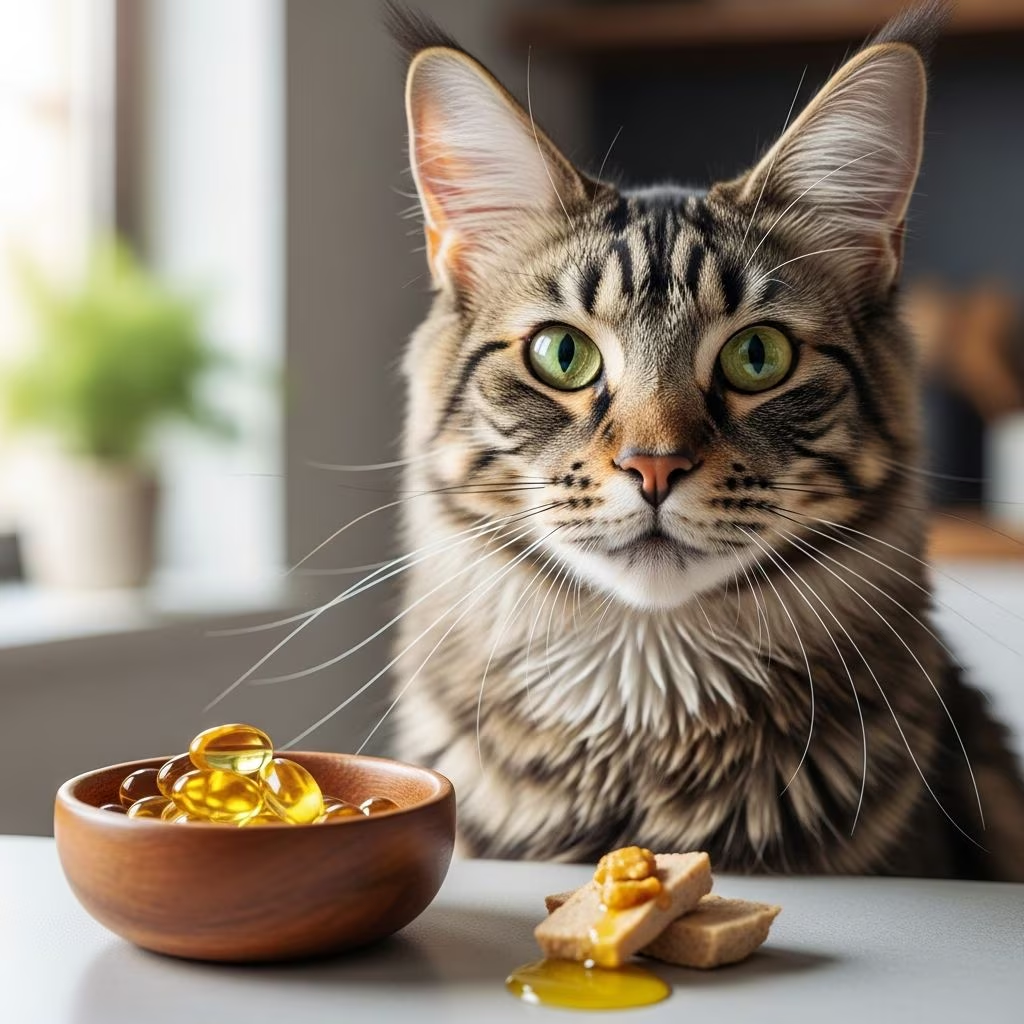
Omega-3 fatty acids are essential nutrients that play a crucial role in maintaining your cat’s overall health. Found primarily in fish oil, these polyunsaturated fats, particularly eicosapentaenoic acid (**EPA**) and docosahexaenoic acid (**DHA**), offer powerful anti-inflammatory benefits. Cats cannot efficiently produce EPA and DHA from plant-based alpha-linolenic acid (ALA) due to limited enzyme activity, making dietary supplementation vital.
This article explores the numerous benefits of omega-3 for cats, including support for joints, skin, kidneys, heart, and brain function. We’ll cover when to use these supplements, recommended dosages, potential side effects, and top product choices, all grounded in veterinary insights and research.
What Is Omega-3?
Omega-3 fatty acids are a family of essential polyunsaturated fats that cats must obtain through diet. The two most important forms for felines are **EPA** and **DHA**, sourced from cold-water fish like salmon, sardines, and anchovies, or alternatives like krill oil. Unlike omega-6 fatty acids, which promote inflammation, omega-3s counteract it by reducing pro-inflammatory cytokines and enzymes.
Cats have a nearly nonexistent delta-6 desaturase enzyme, preventing efficient conversion of ALA (from flaxseed or chia) into usable EPA and DHA. This makes direct supplementation from marine sources critical for optimal health. Research shows omega-3s integrate into cell membranes, stabilizing them and supporting everything from neurological development to immune modulation.
5 Benefits of Omega-3 for Cats
Omega-3 fatty acids provide multifaceted support for cats across all life stages. Here’s a breakdown of the key benefits, backed by clinical evidence.
1. Supports Joint Health and Mobility
Arthritis and osteoarthritis (OA) affect many older cats, causing stiffness, reduced activity, and pain. Omega-3s, especially EPA, inhibit inflammatory prostaglandins and cytokines that degrade cartilage, improving joint function.
In a double-blinded study of cats with naturally occurring OA, 10 weeks of supplementation (1.53g EPA + 0.31g DHA daily) led to owner-reported improvements: less gait stiffness (p=0.03), higher jumps (p=0.03), increased activity (p=0.07), and more stair climbing (p=0.07). Arthritic cats supplemented with fish oil showed greater comfort and agility compared to controls. These effects make omega-3 a cornerstone for managing feline joint issues.
2. Promotes Healthy Skin and Coat
Omega-3s strengthen the skin barrier, reducing dryness, flakiness, and itchiness from allergies or dermatitis. They regulate sebum production for a shiny coat and modulate immune responses to environmental allergens.
Veterinarians recommend fish oil for cats with inadequate skin barriers, as it alleviates allergic symptoms by curbing inflammation. Regular use leads to visible improvements in coat luster and reduced shedding. This is particularly helpful for breeds prone to skin issues.
3. Supports Kidney Function
Chronic kidney disease (CKD) is common in cats, especially seniors. Omega-3s reduce glomerular hypertension and proteinuria, slowing disease progression. In a study of 146 cats with CKD, those on omega-3-supplemented diets survived a median of 17 months versus 7 months for unsupplemented cats.
Dr. Sylvia Berns notes omega-3s are frequently prescribed for kidney health, as cats are predisposed to CKD. They support renal blood flow and reduce inflammation in nephrons.
4. Boosts Heart Health
Omega-3s stabilize cardiac cell membranes, preventing arrhythmias like atrial fibrillation. They lower triglycerides, inhibit clot formation, and promote vasodilation via nitric oxide. This reduces the heart’s vulnerability to irregular rhythms, benefiting cats at risk of cardiomyopathy.
5. Enhances Brain and Cognitive Function
DHA is vital for brain and retinal development in kittens, promoting neurogenesis and synaptogenesis. In seniors, omega-3s combat cognitive dysfunction syndrome (CDS), slowing memory loss and disorientation. Supplementation improves learning in adults and supports neurological health overall.
Who Should Get Omega-3 Supplements?
- Growing kittens: For brain, eye, and overall development.
- Senior cats: To manage arthritis, CDS, and kidney decline.
- Active/outdoor cats: For joint and recovery support.
- Breeds with skin/coat issues: E.g., Siamese or Sphynx.
- Cats at heart/kidney risk: Preventive care.
- Obese or stressed cats: To combat inflammation and support metabolism.
Most cats benefit preventatively, but consult a vet for tailored advice.
Omega-3 Dosage for Cats
Typical doses range from 20-55 mg/kg of combined EPA+DHA daily, split into meals. For a 10-lb (4.5 kg) cat, aim for 90-250 mg EPA+DHA. Start low to monitor tolerance.
| Cat Weight | Daily EPA+DHA (mg) |
|---|---|
| 5 lbs (2.3 kg) | 45-115 |
| 10 lbs (4.5 kg) | 90-250 |
| 15 lbs (6.8 kg) | 135-375 |
Adjust for conditions like CKD (higher therapeutic doses). Always vet-guided.
Fish Oil Side Effects in Cats
Generally safe, but possible issues include:
- Gastrointestinal upset: Diarrhea, vomiting, fishy breath—give with food.
- Bleeding risk: High doses may thin blood; caution with anticoagulants.
- Heavy metals: Choose purified products.
- Allergies: Rare; try krill oil if fish-sensitive.
Monitor for 1-2 weeks; discontinue if adverse effects persist.
Top 5 Fish Oil Supplements for Cats
- Welactin for Cats: Cold-water fish oil with EPA/DHA for skin, kidneys, brain. Vet-trusted.
- Omega Benefits Cat & Small Dog: Supports joints, heart, skin.
- VetriScience Omega Healthy Skin: Balanced omega-3/6/9 for immune, skin, heart.
- Krill Oil Alternatives: For fish-allergic cats; brain/heart benefits.
- Generic Purified Fish Oils: Vet-recommended, third-party tested.
Select products with at least 30% EPA+DHA, no additives, and NASC seal.
Frequently Asked Questions (FAQs)
What does omega-3 do for cats?
Omega-3s reduce inflammation, supporting joints, skin, kidneys, heart, and brain health.
Is fish oil safe for cats?
Yes, when vet-approved and dosed properly; purified sources minimize risks.
How much fish oil should I give my cat?
20-55 mg/kg EPA+DHA daily; consult vet for specifics.
Can kittens have omega-3?
Yes, for development; use kitten-formulated products.
What’s the best omega-3 source for cats?
Fish or krill oil providing EPA/DHA directly.
References
- The effect of dietary long-chain omega-3 fatty acid supplementation… — PubMed. 2012-08-15. https://pubmed.ncbi.nlm.nih.gov/22882740/
- Fish Oil for Cats [Omega 3]: 5 Vet Picks, Benefits & Side Effects — Sploot Vets. 2023-01-01. https://www.splootvets.com/post/best-fish-oil-for-cats-omega-3-benefits-side-effects
- Fish Oil for Dogs and Cats: Six Benefits — Animal Medical Center of Chicago. 2022-06-01. https://www.animalmedicalcenterofchicago.com/fish-oil-for-dogs-and-cats-six-benefits/
- Understanding Omega 3 Fatty Acids: Their Benefits for Dogs and Cats — BSM Partners. 2024-03-15. https://www.bsmpartners.net/insights/understanding-omega-3-fatty-acids-their-benefits-for-dogs-and-cats/
- Omega Benefits® Cat & Small Dog — VRS Health. 2023-05-10. https://vrshealth.com/products/smallomega
- Fish Oil for Cats — PetMD. 2024-02-20. https://www.petmd.com/cat/general-health/fish-oil-cats
- Fish Oil — VCA Animal Hospitals. 2023-11-05. https://vcahospitals.com/know-your-pet/fish-oil



