

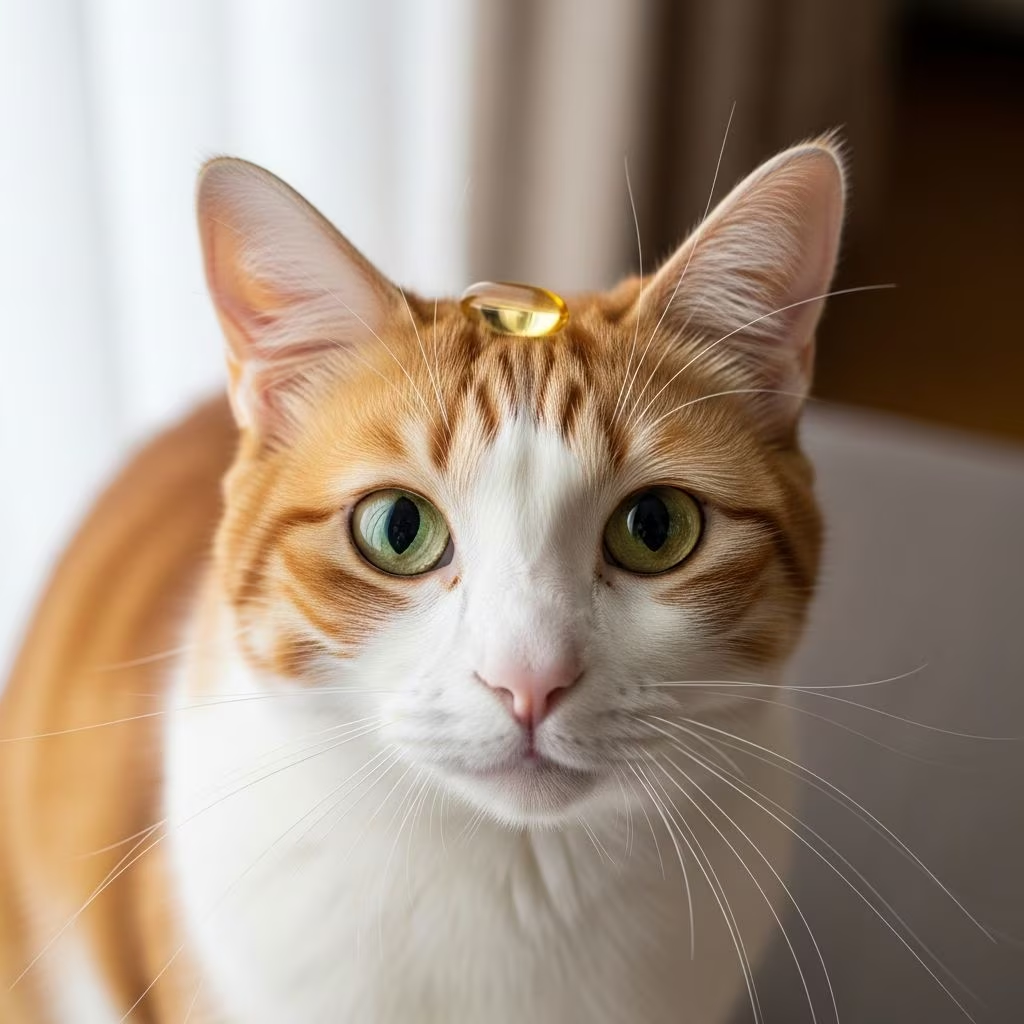
Cat dandruff, characterized by visible white flakes on the fur, signals underlying skin issues that omega-3 fatty acids can effectively address by nourishing the skin from within.
Understanding Feline Dandruff and Its Impact
Dandruff in cats appears as dry, flaky skin shedding excessively, often noticeable on the back, tail, or bedding. Unlike human dandruff, feline flakes stem from disrupted skin barrier function, leading to moisture loss and irritation. This condition affects cats of all ages but is more prevalent in seniors or those with dietary gaps. Left unaddressed, it can progress to itchiness, hair loss, or secondary infections, diminishing your cat’s comfort and appearance.
Owners frequently spot flakes during grooming or petting, mistaking them for dirt. Early intervention with omega-3s restores lipid balance in the skin, reducing flake production and promoting a glossy coat.
Primary Causes of Dandruff in Cats
Several factors contribute to cat dandruff, often overlapping. Identifying the root cause guides effective treatment.
- Dry Environmental Conditions: Low humidity, especially in heated homes, strips natural oils from the skin, causing flakes.
- Dietary Deficiencies: Diets low in essential fatty acids like omega-3s fail to support skin cell renewal, leading to dryness.
- Grooming Challenges: Obese, arthritic, or elderly cats groom less, allowing dead skin buildup.
- Allergens and Parasites: Fleas, mites (including ‘walking dandruff’ Cheyletiella), pollen, or food sensitivities trigger inflammation and flaking.
- Medical Conditions: Infections (bacterial, fungal like ringworm), hyperthyroidism, or kidney disease impair skin health.
A table summarizing common causes and indicators:
| Cause | Key Signs | Prevalence |
|---|---|---|
| Dry Skin/Dehydration | Flakes without itching; worse in winter | High in indoor cats |
| Parasites | Moving flakes, scratching | Common, contagious |
| Allergies | Itching, redness, seasonal | Frequent in atopic cats |
| Poor Grooming | Matted fur, obesity-related | Seen in seniors |
| Omega-3 Deficiency | Dull coat, generalized flakes | Diet-linked |
The Science Behind Omega-3 Fatty Acids for Cats
Omega-3 fatty acids, primarily EPA (eicosapentaenoic acid) and DHA (docosahexaenoic acid), are polyunsaturated fats vital for feline health. Cats cannot synthesize them efficiently, relying on diet. These fats modulate inflammation, strengthen the skin’s epidermal barrier, and enhance ceramide production—lipids that lock in moisture.
Research shows omega-3 supplementation reduces transepidermal water loss by up to 30% in animals with dry skin conditions. In cats, they counteract arachidonic acid-driven inflammation from omega-6 excess in many commercial foods. Regular intake yields visible improvements in 4-6 weeks, with flakes diminishing as skin hydration improves.
Selecting the Best Omega-3 Supplements
Choose high-quality, cat-specific omega-3 products to avoid digestive upset or toxicity.
- Fish Oil Sources: Salmon, anchovy, or krill oils provide bioavailable EPA/DHA. Look for third-party tested for purity (low mercury).
- Algal Oil Alternatives: Plant-based for fish-allergic cats, rich in DHA.
- Ratio Matters: Aim for EPA:DHA at 2:1 or higher for anti-inflammatory effects.
- Forms: Liquid (easiest to dose), capsules, or chews. Refrigerate to prevent oxidation.
Veterinarians recommend 20-55 mg/kg of combined EPA/DHA daily, adjusted by weight. For a 4kg cat, that’s about 80-220 mg. Start low to monitor tolerance.
Implementing Omega-3 into Your Cat’s Routine
Integrate supplements seamlessly for compliance.
- Consult Vet First: Rule out parasites or infections via skin scrape or bloodwork.
- Dosage Schedule: Add to food once daily; mix with wet food for palatability.
- Monitor Progress: Track flake reduction, coat shine, and stool quality weekly.
- Combine Therapies: Pair with humidifiers for dry air or flea preventives.
Enhance absorption by feeding alongside meals rich in antioxidants, like those with vitamin E.
Complementary Strategies for Optimal Results
Omega-3s shine brightest alongside holistic care.
- Brushing Routine: Daily with a soft brush removes flakes and distributes oils.
- Hydration Boost: Switch to 50% wet food or add water to kibble to combat dehydration.
- Medicated Baths: Weekly oatmeal or chlorhexidine shampoos soothe without stripping oils.
- Diet Upgrade: Opt for premium kibble with 0.5%+ omega-3 content or raw/fresh diets.
- Environmental Tweaks: Use humidifiers (40-60% humidity) and hypoallergenic bedding.
Realistic Expectations and Timeline
Improvements vary: mild cases resolve in 2-4 weeks; chronic ones take 8-12 weeks. Persistent flakes warrant vet re-evaluation for hypothyroidism or allergies. Track with photos for objectivity.
Frequently Asked Questions (FAQs)
Can omega-3 overdose harm my cat?
Rarely, if dosed correctly. Excess may cause diarrhea; stick to vet guidelines.
Is fish oil safe for kittens?
Yes, from 8 weeks at reduced doses. Consult for precision.
What if dandruff persists after 4 weeks?
Seek vet for diagnostics like fungal cultures or allergy tests.
Are plant-based omega-3s as effective?
Algal sources provide DHA well, but fish oil excels in EPA for inflammation.
Does dry food cause dandruff?
It contributes via low moisture and omega imbalance; mix with wet food.
Proactive management with omega-3s not only clears dandruff but elevates overall vitality, ensuring your cat thrives with lustrous fur and itch-free skin.
References
- Why Does My Cat Have Dandruff — North Jersey Animal Hospital. 2023-10-15. https://northjerseyanimalhospital.com/blog/cat-dandruff/
- Cat dandruff | Blog — Cats Protection. 2024-05-20. https://www.cats.org.uk/cats-blog/can-cats-get-dandruff
- Cat Dandruff – Causes and How to Treat It — Hill’s Pet Nutrition. 2024-02-10. https://www.hillspet.co.uk/cat-care/healthcare/cat-dandruff-causes-and-treatments
- Flaky Feline: How to Treat Cat Dandruff — Union Lake Pet Services. 2023-11-05. https://unionlakepetservices.com/blog/flaky-feline-how-to-treat-cat-dandruff
- Dandruff (Pet Dander) in Cats — Vetster. 2024-08-12. https://vetster.com/en/symptoms/cat/dandruff



