

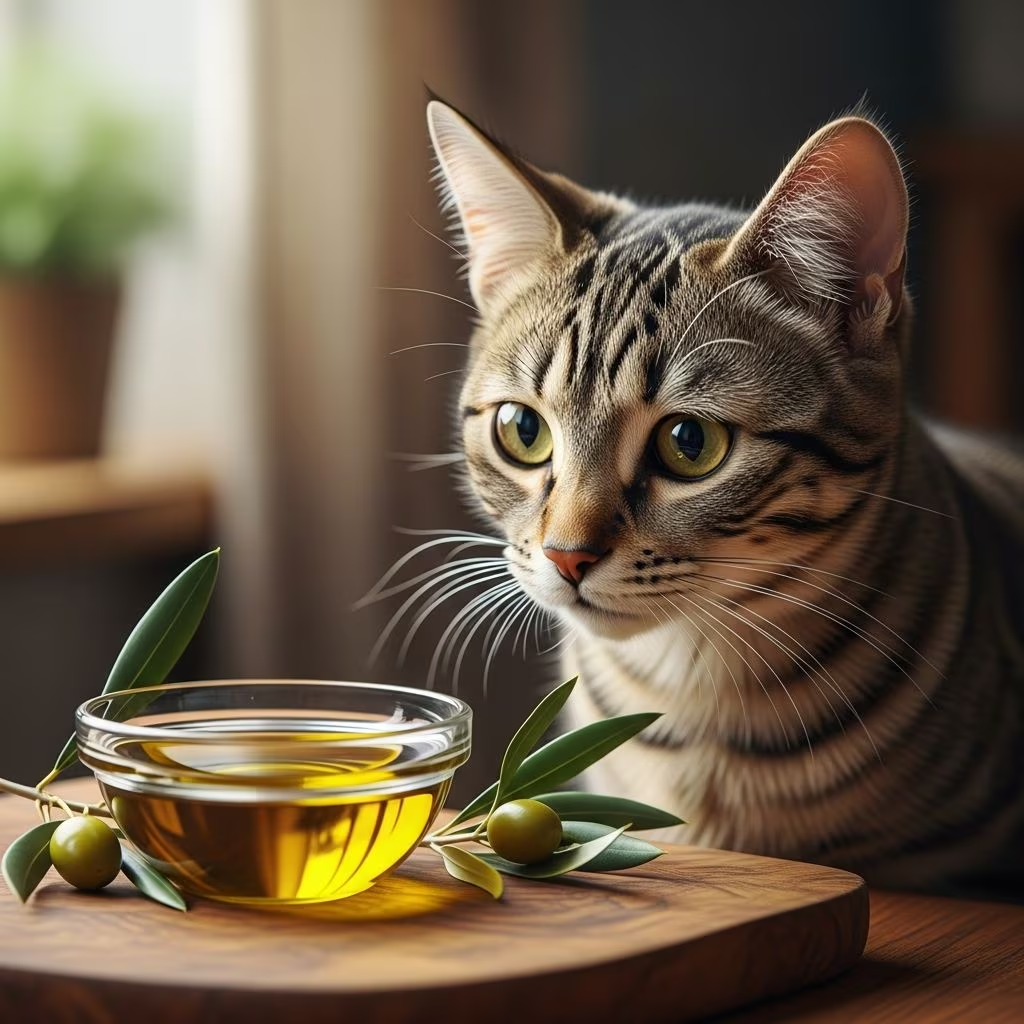
Constipation in cats manifests as infrequent or difficult bowel movements, often producing hard, dry stools that cause discomfort. While olive oil serves as a popular home lubricant to soften stools, understanding its proper use alongside root causes ensures safe application.
Recognizing Constipation in Your Feline Companion
Early detection prevents escalation to severe conditions like obstipation or megacolon. Cats typically defecate every 1-2 days; deviations signal issues.
- Straining in the litter box without results
- Hard, pebble-like stools or none at all
- Decreased appetite or vomiting from abdominal pressure
- Lethargy, bloating, or excessive grooming
Symptoms vary by age and health; seniors face higher risks due to mobility and chronic conditions.
Primary Causes Behind Feline Constipation
Multiple factors contribute, from lifestyle to medical issues. Identifying triggers guides targeted relief.
| Cause Category | Examples | Impact |
|---|---|---|
| Dietary | Dry food dominance, low fiber, dehydration | Stool hardens as colon absorbs excess water |
| Lifestyle | Obesity, inactivity, stress | Slows gut motility, promotes impaction |
| Medical | Kidney disease, megacolon, tumors, arthritis | Dehydration or pain hinders defecation |
| Other | Hairballs, anal sac issues, obstructions | Blocks passage or causes pain |
Dry diets exacerbate risks since cats naturally consume less water, leading to dehydrated stools.
How Olive Oil Aids in Relieving Constipation
Olive oil acts as a natural laxative by coating the intestines, lubricating passage for hard stools. Its monounsaturated fats soften feces without harsh stimulation.
- Dosage: Start with 1/4 to 1/2 teaspoon mixed into food daily for small cats; up to 1 teaspoon for larger ones. Adjust based on response.
- Administration: Drizzle over wet food or canned pumpkin for palatability. Avoid force-feeding to prevent aspiration.
- Duration: Use 2-3 days; discontinue if no improvement and consult vet.
Combine with hydration boosts like wet food fountains for synergy.
Additional Home Remedies for Gentle Support
Beyond olive oil, integrate these vet-recommended options for comprehensive care.
- Pumpkin Puree: 1 teaspoon plain canned pumpkin daily adds soluble fiber to bulk and soften stools.
- Probiotics: Support gut flora with cat-specific supplements to enhance motility.
- Hydration Hacks: Multiple water bowls, flavored water, or wet food transitions increase intake.
- Fiber Boost: Switch to high-fiber kibble or add psyllium husk under guidance.
- Exercise: Interactive toys and climbing trees promote intestinal movement.
Aim for gradual changes to avoid digestive upset.
Dietary Strategies to Prevent Recurrence
Proactive nutrition curbs chronic issues. Transition slowly over 7-10 days.
- Incorporate 25-50% wet food for moisture.
- Choose high-fiber formulas (5-10% fiber).
- Avoid string or bone ingestion that causes blockages.
Special diets like novel proteins (e.g., rabbit) reduce inflammation in sensitive cats.
When Home Treatments Fall Short
Persistent symptoms demand professional evaluation to rule out megacolon or obstructions.
- Vet diagnostics: X-rays, bloodwork, fecal analysis.
- Treatments: Enemas, laxatives (lactulose), fluids, surgery for severe cases.
Never attempt enemas at home; risks include perforation.
Long-Term Management for Healthy Digestion
Sustain relief through routine monitoring.
- Weigh weekly; obesity triples risks.
- Stress reduction via pheromones or routines.
- Regular vet checkups for seniors or CKD cats.
Track bowel habits in a journal for patterns.
Common Myths About Cat Constipation Remedies
Misinformation abounds; stick to evidence-based approaches.
- Myth: Milk laxative – causes diarrhea, not suitable for lactose-intolerant cats.
- Myth: Unlimited dry food – worsens dehydration.
- Fact: Olive oil helps mildly but isn’t a cure-all.
Frequently Asked Questions
Can olive oil harm my cat?
In small doses, no; excess causes diarrhea or pancreatitis. Vet approval recommended.
How long before olive oil works?
24-48 hours typically; longer indicates vet need.
Is constipation emergency?
Yes if no stool in 3 days, vomiting, or distress.
Best food for constipated cats?
High-moisture, high-fiber with probiotics.
Prevent hairball constipation?
Regular brushing, hairball formulas.
References
- Constipation in Cats: Causes, Symptoms & Treatment — AnimERge Vets. 2021-01-15. https://www.animergevets.com/site/blog/2021/01/15/constipation-dogs-causes-symptoms-treatment
- Feline Constipation: Causes, Symptoms, and Solutions — Stack Vet Hospital. N/A. https://stackvethospital.com/feline-constipation-causes-symptoms-and-solutions/
- Constipation in Cats: Causes, Symptoms & Treatment — TK Veterinary Emergency. 2022-01-30. https://www.tkves.com/site/blog/2022/01/30/constipation-cats-causes-symptoms-treatment
- Cat Constipation: Causes, Symptoms & Treatment — VEG ER for Pets. N/A. https://www.veg.com/post/6-ways-to-help-your-constipated-cat
- Constipation in Cats: Symptoms, Causes & Treatment — New Hope Animal Hospital. 2024-07-15. https://www.newhopeanimalhospital.com/site/blog/2024/07/15/constipation-cats
- Cat Constipation Symptoms and Causes — PetMD. N/A. https://www.petmd.com/cat/conditions/digestive/cat-constipation-symptoms-causes
- Constipation, Obstipation, and Megacolon in Small Animals — Merck Veterinary Manual. N/A. https://www.merckvetmanual.com/digestive-system/diseases-of-the-large-intestine-in-small-animals/constipation-obstipation-and-megacolon-in-small-animals



