

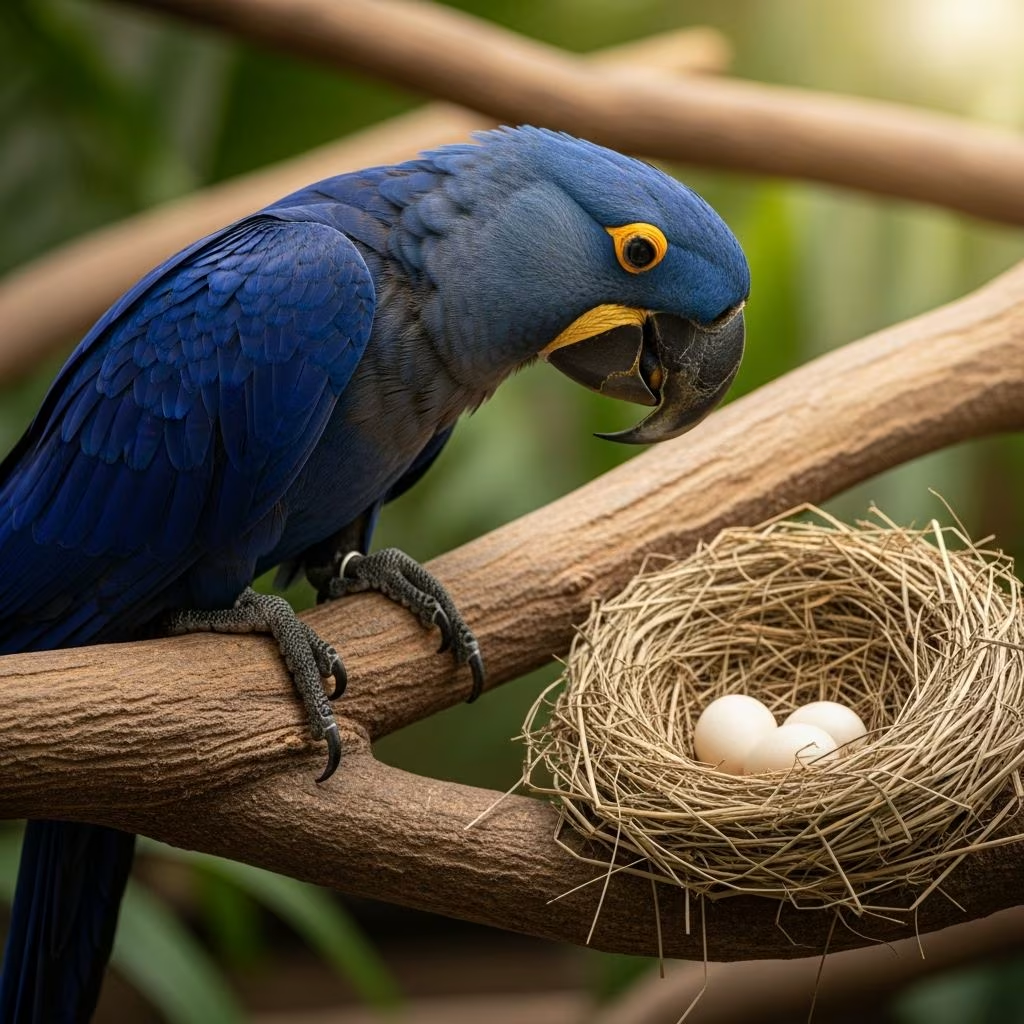
Understanding Egg Laying in Mature Macaw Hens
It is not abnormal for a mature macaw hen in captivity to lay eggs and display protective behavior toward them. However, this behavior can be challenging for pet bird owners to manage. When you observe your older macaw hen laying eggs, it is essential to understand the underlying causes and potential health implications associated with this reproductive activity. Recognizing normal behavior versus problematic patterns will help you provide appropriate care and interventions when necessary.
Many owners are surprised when their adult female macaws begin laying eggs, especially if they live as single pets in a home environment. This phenomenon occurs due to various environmental and biological factors that stimulate the reproductive cycle. Understanding these triggers will enable you to better manage your bird’s health and prevent potential complications.
Environmental Factors That Encourage Egg Laying
Your macaw hen’s environment plays a significant role in stimulating egg production. Carefully examine the spaces where your bird spends time, as certain conditions can inadvertently encourage reproductive behavior.
Small cages and enclosed spaces: Macaw hens confined to small cages might interpret their surroundings as a suitable nesting area. The limited space, combined with dark corners or enclosed perches, can trigger nesting instincts. To help prevent excessive egg laying, consider providing a larger living environment that discourages nest-building behavior.
Physical stimulation: Excessive stroking, particularly on the back or pelvis, can stimulate reproductive hormones. While gentle petting is appropriate, avoiding prolonged contact in sensitive areas helps reduce hormonal stimulation that leads to egg laying.
Presence of opposite-sex birds: Having a male macaw of the same species in the same room but not the same cage can trigger egg-laying behavior in females. Even visual contact with an available mate can stimulate reproductive cycles.
Nesting materials and areas: Providing shredded paper, cardboard boxes, or other nesting materials signals to your macaw that breeding conditions are favorable. Removing or limiting access to these materials can help reduce the frequency of egg production.
Is This Behavior Normal? What You Should Know
Yes, egg laying in mature macaw hens is a normal biological response to appropriate environmental conditions. Blue and gold macaws, in particular, often lay multiple clutches and produce numerous eggs throughout their reproductive years. Understanding that this behavior is natural helps contextualize your bird’s actions, even though managing it requires careful attention.
Your macaw hen may appear somewhat protective of her eggs initially but typically becomes less possessive over time. This behavioral shift is normal as her hormonal levels fluctuate and she loses interest in her clutch. However, the frequency and quantity of eggs some macaws produce can be concerning from a health perspective.
The key distinction is between normal reproductive behavior and excessive or chronic egg laying that compromises your bird’s health. Chronic egg laying places tremendous metabolic demands on your macaw’s body, depleting essential nutrients and potentially leading to serious health complications.
Dietary Considerations and Nutritional Needs
Proper nutrition is fundamental to managing egg-laying behavior in mature macaw hens. A healthy diet ensures your bird maintains the physical condition necessary to produce eggs safely and recover from the metabolic demands of reproduction.
Calcium requirements: Egg laying depletes calcium from your macaw’s body, as the mineral is essential for forming eggshells. Calcium also plays critical roles in muscle contraction and nerve function, enabling the reproductive tract to expel eggs effectively. Egg laying hens should be well-muscled and eating a nutrient-rich diet that provides adequate calcium sources.
Protein and overall nutrition: A balanced diet rich in proteins, vitamins, and minerals supports muscle development and overall health. High-quality pellets, fresh vegetables, nuts, and fruits provide the nutritional foundation your egg-laying hen requires.
Vitamin supplementation caution: Although egg laying can deplete calcium and other nutrients, it is risky to add excessive vitamin supplements to your macaw’s diet. Vitamin toxicity can result from an overabundance of supplements, creating new health problems while attempting to address nutritional deficiencies. Consult with an avian veterinarian before introducing any supplements to determine appropriate dosages and necessity.
Recommended nutritional approach: Focus on providing high-quality commercial macaw pellets formulated for reproductive females, supplemented with calcium-rich foods such as leafy greens and appropriate vegetables. This approach typically provides sufficient nutrition without requiring additional supplementation.
Health Risks Associated with Egg Laying
While egg laying is normal, chronic or excessive production poses several health risks that require your attention and potentially veterinary intervention.
Egg binding: Macaw hens with poor muscle tone run the risk of becoming egg-bound, a condition where the bird cannot pass an egg due to inadequate nutrition, an excessively large egg, poor muscle development, or inflammation of the oviduct. Egg binding is a medical emergency requiring immediate veterinary care. Birds experiencing egg binding typically exhibit depression, labored breathing, straining, abdominal distention, loss of appetite, and a fluffed appearance. However, egg binding is less common in larger birds like macaws compared to smaller species such as cockatiels and budgies.
Calcium depletion: Chronic egg laying depletes calcium reserves from the body, potentially leading to hypocalcemia. This mineral deficiency can cause weakened bones, poor muscle function, lethargy, and increased susceptibility to fractures and seizures.
Oviduct disease: After months or years of chronic egg laying, the oviduct may become diseased and produce abnormal or soft eggs. Eggshell material may accumulate within the oviduct, eventually leading to blockage of the entire reproductive tract. This serious condition may require surgical removal of the reproductive tract (salpingohysterectomy).
Infection and inflammation: Chronic egg laying may lead to infection or inflammation of the oviduct, which in turn may cause problems with egg laying that often lead to egg binding and other complications.
Behavioral changes: Birds laying eggs chronically are often less friendly when under the influence of reproductive hormones. They may display increased aggression, become more vocal while protecting their clutch, and develop cage-protective and territorial behaviors.
Managing Egg Laying in Your Macaw
Several strategies can help manage egg-laying behavior and reduce the frequency of egg production in your mature macaw hen.
Allow natural incubation: Do not remove eggs from the cage immediately after they are laid. Leaving your bird to sit on her eggs for a complete incubation period (generally 21 to 28 days, depending on the species) may signal her body to stop laying and allow her to rest and replenish body calcium stores. At the end of the incubation period, eggs may be removed one every one to two days. However, some birds may start to lay again after eggs are removed.
Protect eggs from damage: Pad the area under the perch with clean straw or shredded newspaper to prevent eggs from breaking. If an egg cracks, paint the cracks with clear nail polish or white glue to prevent bacteria from entering the egg. Discard any egg showing signs of bacterial growth. If an egg breaks, you can replace it with a ceramic egg of similar size to maintain the illusion of a viable clutch.
Environmental modifications: Remove or minimize access to small enclosed spaces, nesting materials, and dark areas that trigger nesting behavior. Ensure your macaw’s cage is large enough that it does not feel like a suitable nesting site. Reduce excessive stroking, particularly on sensitive body areas, and eliminate visual contact with potential mates.
Behavioral management: Spend time with your bird in activities that do not involve reproductive stimulation. Offer toys, foraging opportunities, and enrichment activities that redirect her attention from nesting behaviors.
Medical Treatment Options
When environmental and behavioral management strategies prove insufficient, medical interventions are available to manage excessive egg laying.
Veterinary consultation: Medical treatments exist to manage excessive egg laying, and an avian veterinarian can recommend appropriate options for your specific situation. These professionals can discuss how many eggs your macaw hen can safely lay and determine if medical intervention is necessary.
Hormonal management: Veterinarians may prescribe medications to suppress reproductive hormones and reduce egg production. These treatments should only be administered under professional veterinary guidance.
Surgical options: In cases of severe chronic egg laying with significant oviduct disease, surgical removal of the reproductive tract may be recommended. This permanent solution eliminates egg laying but requires careful consideration of the surgical risks and recovery process.
Monitoring Your Macaw’s Health
Regular observation and health monitoring help you identify potential problems early and maintain your macaw’s wellbeing.
Physical condition assessment: Monitor your bird’s weight, muscle tone, and overall appearance. A healthy egg-laying hen should maintain good muscle mass and energy levels. Weight loss, lethargy, or a hunched posture may indicate nutritional deficiencies or developing health issues.
Egg characteristics: Observe the size, shape, and integrity of eggs your macaw produces. Abnormally large, soft-shelled, or misshapen eggs may indicate oviduct problems or nutritional imbalances.
Behavioral observation: Track changes in your bird’s behavior, aggression levels, and social interactions. Increased aggression or protective behavior is normal during egg-laying cycles, but persistent behavioral changes may warrant veterinary evaluation.
Reproductive cycle frequency: Note how often your macaw produces clutches. If egg laying becomes extremely frequent without adequate recovery periods, consult with an avian veterinarian.
Frequently Asked Questions
Q: Is it normal for an older macaw hen to lay eggs without a mate?
A: Yes, it is completely normal for a mature female macaw to lay eggs in captivity, even without a male present. Environmental stimulation, such as small cages, nesting materials, or visual contact with other birds, can trigger reproductive behavior.
Q: How often should a healthy macaw hen lay eggs?
A: Healthy macaw hens typically lay eggs seasonally, but the exact frequency varies by individual. Blue and gold macaws often lay multiple clutches throughout the year. If your bird is laying excessively or too frequently, consult an avian veterinarian.
Q: What should I do if my macaw’s egg breaks?
A: If an egg breaks, paint the cracks with clear nail polish or white glue to prevent bacteria from entering. Discard any egg showing signs of bacterial growth. You can replace broken eggs with ceramic substitutes to maintain your bird’s incubation behavior.
Q: Can I supplement my egg-laying macaw’s diet with extra vitamins and calcium?
A: While it may seem beneficial, excessive vitamin supplementation can cause vitamin toxicity. Instead, provide a high-quality pellet diet formulated for reproductive females, supplemented with calcium-rich vegetables. Consult an avian veterinarian before adding supplements.
Q: What are the signs of egg binding in macaws?
A: Signs of egg binding include depression, labored breathing, straining, abdominal distention, loss of appetite, fluffed feathers, and sitting at the bottom of the cage. Egg binding is a medical emergency requiring immediate veterinary care, though it is less common in larger birds like macaws.
Q: How can I prevent my macaw from laying eggs?
A: Prevent egg laying by avoiding small enclosed cages, limiting excessive stroking on sensitive body areas, removing nesting materials, and ensuring visual barriers to opposite-sex birds. Allowing your bird to sit on eggs for complete incubation periods may also help reduce subsequent clutches.
Q: Should I remove eggs immediately after they are laid?
A: No, it is better to allow your macaw to sit on her eggs for the complete incubation period (21 to 28 days). This gives her body time to rest and replenish calcium stores, which may signal her to stop laying. After incubation ends, eggs can be removed gradually.
Q: When should I contact an avian veterinarian about my macaw’s egg laying?
A: Contact an avian veterinarian if your macaw lays excessively, shows signs of egg binding, displays unusual behavior, appears lethargic, loses appetite, or if you notice any changes in egg appearance. A professional evaluation can help determine if medical intervention is necessary.
Conclusion: Supporting Your Macaw’s Health
Understanding and managing egg-laying behavior in your older macaw hen ensures her long-term health and wellbeing. While egg production is a normal biological function, excessive or chronic laying can compromise your bird’s physical condition and quality of life. By creating an environment that discourages unnecessary reproduction, providing optimal nutrition, and seeking veterinary guidance when needed, you can support your macaw through her reproductive years. Regular communication with an avian veterinarian remains the cornerstone of responsible macaw care, enabling you to make informed decisions that prioritize your bird’s health and happiness.
References
- Reproductive Diseases of Pet Birds — Merck Veterinary Manual. 2024. https://www.merckvetmanual.com/exotic-and-laboratory-animals/pet-birds/reproductive-diseases-of-pet-birds
- Chronic Egg Laying in Birds — VCA Animal Hospitals. 2024. https://vcahospitals.com/know-your-pet/chronic-egg-laying-in-birds
- Chronic Egg-Laying in Birds — The Unusual Pet Vets. 2024. https://www.unusualpetvets.com.au/chronic-egg-laying-birds/
- Egg Binding (Dystocia) in Birds: Causes, Symptoms & Treatment — Lakewood Bird and Animal Hospital. 2024. https://lbah.com/avian/egg-binding-in-birds/
- Single Parrots and Egg Laying — BirdTricks. 2024. https://birdtricksstore.com/blogs/birdtricks-blog/single-parrots-and-egg-laying



