

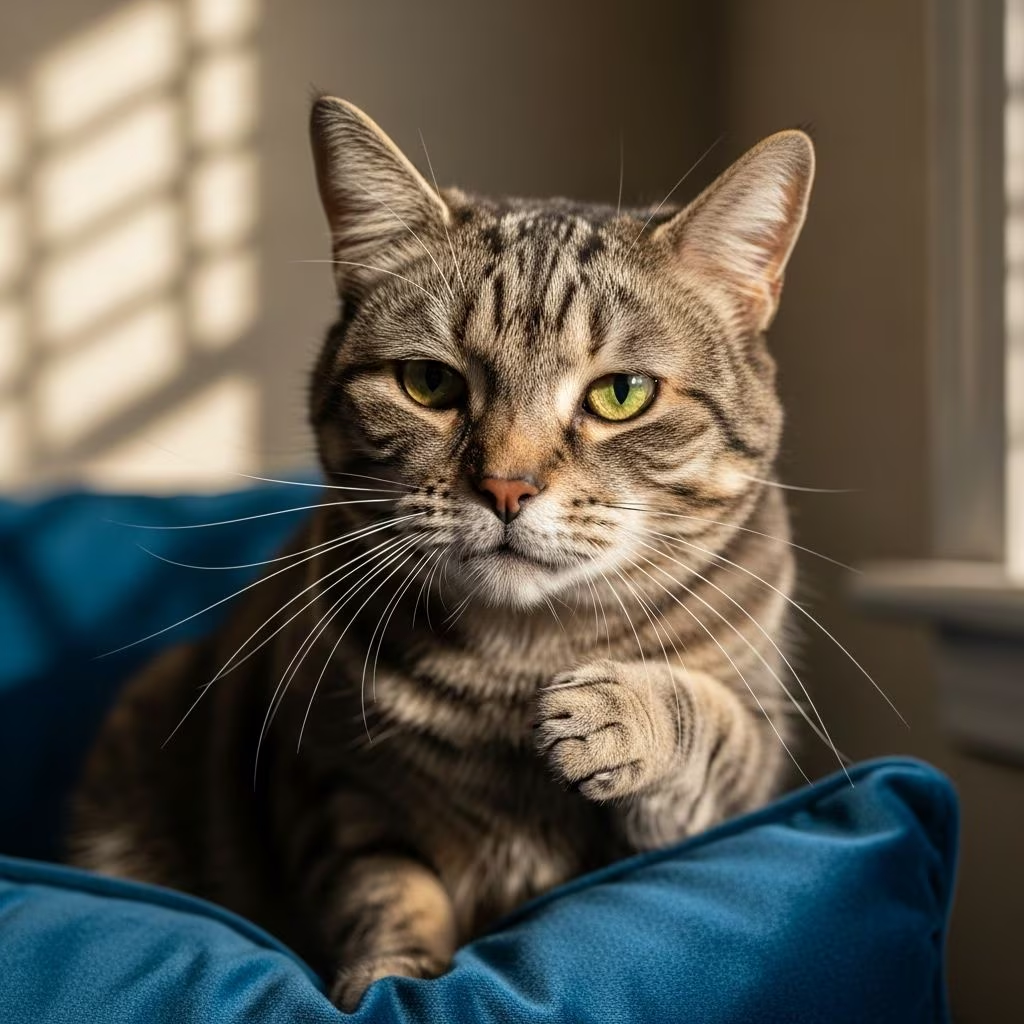
As cats age, many pet parents notice subtle shifts in their behavior, from forgetting familiar routines to increased irritability. These changes often stem from **feline cognitive dysfunction (FCD)**, a condition similar to dementia in humans, affecting memory, learning, awareness, and sensory perception. FCD impacts over 50% of cats aged 11-15 and up to 85% of those over 16, leading to sleep disturbances, disorientation, litter box avoidance, anxiety, aggression, and altered social bonds. While heartbreaking, these issues are frequently treatable. Many behavioral shifts mimic cognitive decline but arise from medical conditions like arthritis, dental disease, thyroid issues, cancer, or sensory loss, which cause pain, discomfort, or mobility challenges.
Don’t dismiss changes as ‘just old age.’ A veterinary exam is crucial to rule out treatable illnesses. Therapies, medications, environmental adjustments, and supplements can comfort your cat, reduce symptoms, and improve quality of life. This guide covers FCD signs, specific problems like house soiling and vocalization, and management strategies, drawing from veterinary experts.
Cognitive Dysfunction Checklist
Use this checklist to spot potential FCD. Track behaviors and consult your vet if several apply.
Learning and Memory
- Eliminates outside the litter box or in sleeping/eating areas
- Seems unable to recognize familiar people and pets
- Forgets locations of litter box, food bowls, or bed
Confusion and Spatial Disorientation
- Gets lost in familiar locations or stares into space
- Wanders aimlessly or fixates on objects
- Gets stuck, unable to navigate obstacles
Relationships and Social Behavior
- Less interested in petting, greetings, or interactions with people/pets
- Becomes overdependent, clingy, or seeks constant contact
Activity—Decreased, Apathetic
- Explores less, responds minimally to surroundings
- Grooms less frequently
- Eats less or shows appetite changes
Anxiety and Increased Irritability
- Restless, agitated, or paces excessively
- Vocalizes more, often urgently
- Generally more irritable or reactive
Sleep-Wake Cycles and Reversed Day-Night Schedule
- Sleeps restlessly, wakes frequently at night
- Sleeps more during the day
- Increased nighttime vocalization
Medical conditions exacerbate these: pain from arthritis makes cats irritable and touch-sensitive; thyroid dysfunction increases urination; hearing/sight loss heightens anxiety. If exams rule out illness and long-standing behaviors, aging brain changes are likely.
House Soiling
**Inappropriate elimination** is the top reason senior cats see behaviorists. Cats may urinate/defecate outside the box due to FCD-related memory loss, forgetting the box’s location, or associating it with discomfort. Medical culprits include sensory decline (can’t feel full bladder), mobility issues (arthritis hinders access), brain tumors, kidney disease, endocrine disorders, or urinary tract infections increasing frequency.
Diagnosis and Treatment:
- Vet Exam First: Bloodwork, urinalysis, imaging to identify issues like hyperthyroidism or cystitis.
- Medical Fixes: Treat infections, pain meds for arthritis, special diets for kidney disease.
- Litter Box Tweaks: Add boxes in accessible spots (low-sided for mobility), use senior-friendly litter (soft, unscented). Scoop daily, keep ultra-clean.
- Environmental Aids: Pheromone diffusers (Feliway) reduce stress; confine to easy-clean areas at night.
- Behavioral Therapy: Positive reinforcement for box use; never punish, as it worsens anxiety.
Success rates soar with combined vet and behavior interventions. One study notes 80% improvement in house soiling post-treatment. Monitor for recurrence signaling new issues.
Confusion and Disorientation
Pet parents often first notice **wandering, staring, or getting ‘lost’ at home**, signaling cognitive decline in 40%+ of cats over 17. FCD erodes spatial awareness; sensory losses compound it—deaf cats startle easily, blind ones bump into walls.
Management Strategies:
| Issue | Solutions |
|---|---|
| Wandering/Staring | Provide safe, enriched spaces; interactive toys during day; nightlights for vision-impaired cats. |
| Getting Stuck | Remove obstacles; use baby gates to limit risky areas; ramps for furniture. |
| Forgetting Routines | Maintain consistent schedules; use scent markers (your worn clothes) near box/food. |
Supplements like antioxidants (SAM-e, omega-3s) and prescription drugs (selegiline) may slow FCD progression; discuss with vet. Enrich environment with vertical spaces, puzzles to stimulate brain.
Excessive Vocalization
Senior cats meow or yowl excessively from disorientation, hearing loss, pain (thyroid/kidney disease), or FCD-induced anxiety/separation distress. Plaintive meows signal distress; nighttime yowling disrupts sleep.
Steps to Resolve:
- Rule Out Medical: Exam for hyperthyroidism, hypertension, or pain.
- Reset Sleep Cycle: Increase daytime play/exercise; evening meals mimic hunting; white noise machines block night stimuli.
- Comfort Measures: Extra attention, cozy beds; ignore attention-seeking yowls to avoid reinforcement.
- Medications: Anxiolytics or anti-depressants if needed.
Avoid punishment—it heightens anxiety. Gradual routine tweaks often quiet nights within weeks.
Aggression and Irritability
Aging reduces tolerance; pain makes cats snap, swat, or bite rather than flee. FCD heightens reactivity; inter-cat aggression rises from confusion.
Handling Aggression:
- Pain management (NSAIDs for arthritis).
- Slow introductions if new pets; separate resources.
- Calming pheromones; short, positive interactions.
Other Changes: Lethargy, Appetite, Hearing Loss
Lethargy signals depression, pain, or organ issues; appetite drops from dental pain or nausea. Hearing loss causes non-response to name, startling aggression. Vet checks include blood panels; encourage eating with warmed food, elevated bowls.
Frequently Asked Questions (FAQs)
Q: How do I know if my cat has FCD?
A: Look for checklist signs like litter accidents, disorientation, reversed sleep. Vet diagnosis via exam and ruling out medical causes.
Q: Can senior cat behavior problems be cured?
A: Not cured, but managed effectively with meds, diet, environment. Many cats improve significantly.
Q: Why is my old cat pooping outside the litter box?
A: Often FCD, arthritis, or UTI. Vet exam first, then optimize boxes.
Q: How to stop nighttime yowling?
A: Daytime activity, consistent routine, medical check for pain.
Q: Is aggression normal in older cats?
A: No, usually pain or FCD. Treat underlying issues.
Supporting senior cats requires patience and vigilance. Regular vet visits catch issues early, ensuring golden years are comfortable.
References
- Older Cats with Behavior Problems — ASPCA. 2023. https://www.aspca.org/pet-care/cat-care/common-cat-behavior-issues/older-cats-behavior-problems
- Common Older Cat Behavior Problems — Purina. 2024. https://www.purina.com/articles/cat/senior-cat/behavior/problems
- Aging Cats: Behavior Changes, Problems, and Treatments — WebMD. 2023. https://www.webmd.com/pets/cats/old-cat-behavior
- Meowing and Yowling — ASPCA. 2023. https://www.aspca.org/pet-care/cat-care/common-cat-behavior-issues/meowing-and-yowling
- Aggression in Cats — ASPCA. 2023. https://www.aspca.org/pet-care/cat-care/common-cat-behavior-issues/aggression-cats



