
Old World Chameleon Care: Complete Guide
Master Old World chameleon care with expert guidance on housing, diet, temperature, and behavior management.
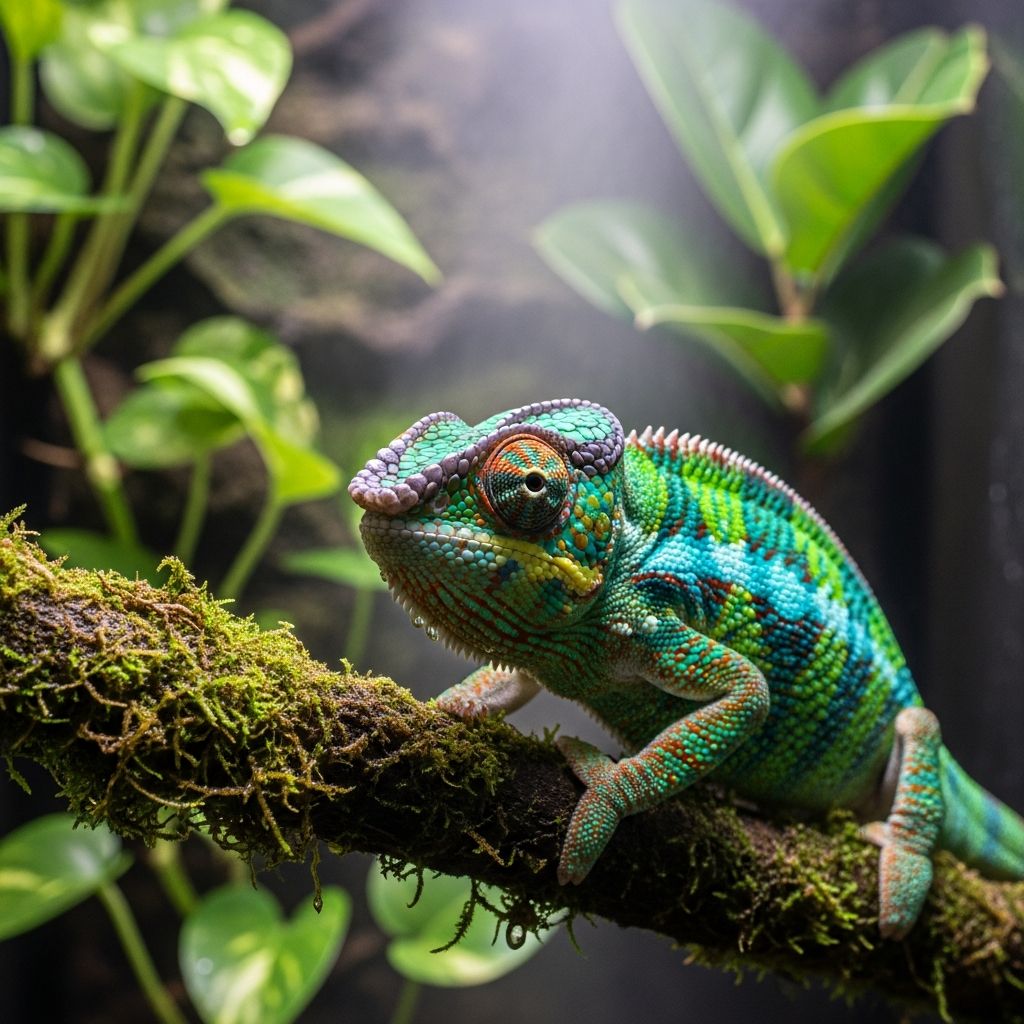
Introduction to Old World Chameleons
Old World chameleons represent a diverse and fascinating group of reptiles, with over 150 species distributed across Africa, Madagascar, and parts of Asia. Among the most commonly kept species in captivity are the veiled chameleon, panther chameleon, and Jackson’s or three-horned chameleon. Each species possesses unique behavioral characteristics and specific husbandry requirements that must be carefully considered before bringing one home. These remarkable reptiles are known for their ability to change colors, independently moving eyes, and prehensile tails that aid in their arboreal lifestyle. Understanding the natural history and requirements of these animals is essential for providing appropriate care in a captive environment.
Enclosure Setup and Design
Creating an appropriate enclosure is the foundation of successful Old World chameleon care. The cage design should mimic the natural arboreal environment these animals inhabit in the wild. A complete network of branches must be established throughout the enclosure to provide access to multiple zones including heat, UVB basking areas, sleeping locations, and feeding and drinking sites.
Cage Structure and Materials
The cage floor should ideally consist of mesh material to allow feces to drop through into a collection tray beneath, promoting sanitation and reducing bacterial growth. Alternative flooring options include indoor/outdoor carpet, moist sphagnum moss, newspaper, or butcher paper. Bedding materials should be avoided as chameleons may accidentally ingest them while striking at prey. For larger chameleons, supplemental natural branches or wooden dowels provide essential support and comfort. Branches should vary in size to mimic natural environments and prevent foot damage or strain. Branches should be cleaned from non-toxic trees to ensure safety. Live, non-toxic, sturdy potted plants or small trees serve as natural visual barriers and enhance the enclosure aesthetics. The tree base should be covered with plastic or gravel to prevent insect prey from consuming fecal-contaminated soil. Artificial plants can also be used and are easily disinfected, though silk plants should be avoided as they are not waterproof and may contain unsafe materials.
Temperature Management
Maintaining appropriate temperature gradients is critical for chameleon health and normal physiological function. Ideally, the room should be heated rather than individual enclosures to achieve baseline temperatures. Within the cage, a dedicated basking spot should be provided and monitored carefully.
Temperature Guidelines by Species
| Species | Daytime Temperature | Basking Spot | Nighttime Temperature |
|---|---|---|---|
| Veiled Chameleon | 70-95°F (20-35°C) | 85-90°F | 10-15°F drop |
| Jackson’s Chameleon | 70-80°F (21-27°C) | 82-85°F (28-29°C) | 55-74°F (13-24°C) |
| Panther Chameleon | 22°C (72°F) | Adequate basking area | 15-24°C (60-75°F) |
Heat bulbs should be mounted above the cage rather than on it to prevent thermal burns from direct contact. Incandescent lights should be positioned at least 15 centimeters (6 inches) above basking surfaces. A low wattage bulb helps prevent thermal burns that can occur if chameleons get too close to high-heat sources. Jackson’s chameleons are particularly sensitive to excessive heat and should never be maintained above 84°F (29°C) for extended periods.
Humidity and Water Management
Maintaining appropriate humidity levels is essential for chameleon health and hydration. Target humidity levels for most chameleons range between 50-70% and should be monitored using a digital hygrometer. Humidity should be increased at night to simulate natural conditions. Despite needing high relative humidity, the cage interior must remain completely dry, particularly perches, to prevent bacterial and fungal overgrowth. Proper ventilation, including the use of axial fans, further improves air circulation and prevents pathogenic organisms from establishing.
Water Provision Methods
Chameleons must have access to water sources, but they typically do not drink from standing water bowls. In their natural habitat, chameleons drink morning dew drops or raindrops that collect on leafy surfaces. The best water source remains routine misting or spraying of cage plants two to four times daily with distilled water. Additional water provision methods include:
- Vaporizers or humidifiers to maintain ambient moisture
- Moistened sphagnum moss at the cage bottom
- Small fountains designed for reptiles
- Water in a tray beneath the mesh floor, changed regularly
- Ice cubes placed on screen allowed to melt and drip
- Reptile water drippers and automatic watering systems on timers
- Spring water intravenous (IV) line set to a slow drip for specialized setups
- Direct radiant heat sources directed towards tree-mounted water bowls
Visual observation of drinking behavior and the chameleon’s hydration status provides the best confirmation that adequate water intake is occurring. Supplemental watering with a pipette or spraying water directly onto the tongue can ensure proper hydration.
Lighting Requirements
Ultraviolet-B radiation simulates natural sunlight and is necessary for many normal chameleon behaviors, including proper calcium metabolism and thermoregulation. UVB bulbs should be changed every six to eight months unless a UV meter is used to monitor output levels. Chameleons also benefit from access to unfiltered sunlight for at least several hours per week when weather permits. Outdoor housing exposure to natural sunlight provides invaluable benefits that captive lighting cannot fully replicate.
Visual Security and Stress Reduction
Although chameleons are predators, they are also prey to various species in the wild. This dual nature significantly impacts their behavioral needs in captivity. Careful cage placement in a quiet, less active part of the house is recommended to minimize stress. Rearrangement of cage furniture should be minimized as this can cause significant anxiety. Chameleons require protected, hidden spaces where they can retreat to feel safe and secure. The overall cage design should provide a natural flow allowing both basking and shade sites, as well as water and food access. Providing adequate visual security reduces stress-related health problems and promotes natural behaviors.
Feeding and Nutrition
Proper nutrition is fundamental to maintaining healthy captive chameleons. These insectivorous reptiles require a varied diet of appropriately-sized insects and, for certain species, plant material supplementation.
Feeding Schedule
Adult chameleons should be fed three to five times weekly. Juvenile chameleons and gravid (egg-bearing) females should be fed daily to support growth and reproductive demands. Hand feeding individual insects or providing insects in opaque containers allows for monitoring of consumption. Containers should be kept clean and not so tall that chameleons cannot reach insects at the bottom.
Dietary Components
Veiled chameleons, particularly adult males, are unique among Old World species in that they may supplement their water intake by eating plant material. These individuals may accept small dishes of leafy greens and vegetables. Appropriate plant matter includes grated carrots and blossoms or leaves such as dandelions or hibiscus. Fruits should not be offered. Insects should be appropriately sized to prevent choking hazards and ensure efficient feeding.
Calcium Supplementation
Calcium supplementation is critical for preventing metabolic bone disease. A calcium supplement without vitamin D3 should be administered as follows:
- Adult males: once weekly
- Adult females: two to three times weekly
- Egg-laying females: more frequent supplementation
- Juveniles: with every feeding
Calcium supplements should have minimum calcium-to-phosphorus ratios of 2:1 and be devoid of or low in phosphorus. Products containing vitamin D3 should be avoided as excessive supplementation can lead to toxicity. General vitamin and mineral supplements may be offered once weekly in addition to calcium supplementation.
Behavioral Considerations and Handling
Understanding chameleon behavior is essential for appropriate management and stress reduction. Most chameleons do not enjoy being held, and frequent handling can result in significant stress that may negatively impact general health and immune function. If handling is necessary, allow the lizard to crawl onto your hand voluntarily rather than grasping or forcing contact. Wild-caught chameleons that are unaccustomed to handling should be handled only as necessary at first, with frequency and duration gradually increasing to promote acclimation. Many captive-bred chameleons can be handled without problems, though some may initially resist handling.
Territorial and Breeding Behavior
Male chameleons are highly territorial and display significant aggression towards each other. Co-housing adult males should never be attempted. Juvenile panther chameleons may be maintained in small groups, but this practice should be carefully monitored and discontinued as they mature. During breeding season, territorial aggression intensifies, requiring separate housing for males to prevent injury.
Outdoor Housing
When weather permits, allowing chameleons to bask in natural sunlight provides unparalleled health benefits. Outdoor enclosures should provide access to sun, shade, and appropriate temperature gradients. Hardwired screening is recommended to prevent both escape and predator attacks from animals such as cats, raccoons, and opossums. Plastic screening is insufficient for predator protection. Glass or plastic aquariums should never be used for outdoor housing, as temperatures within these structures can rapidly exceed 60°C (150°F), resulting in fatal heat stress. Temperature must be continuously monitored during outdoor exposure to prevent chameleons from becoming too cold or too hot. Shade cloth or towels can be placed over portions of the enclosure to allow chameleons to escape excessive heat.
Neonatal and Juvenile Care
Young chameleons require specialized care during their developmental stages. Neonatal chameleons are approximately 1 to 1.5 inches in length and need temperate environments maintained at approximately 77 degrees Fahrenheit with minimal temperature variation. Higher humidity levels exceeding 60% must be maintained through periodic water misting. Neonates can be housed individually or in small groups of six to ten individuals. Enclosures may consist of glass or plastic containers with screen tops and adequate lighting. Cages should be modestly decorated with climbing branches and potted plants such as ficus, pothos, or hibiscus. Feeding schedules must be frequent to support rapid growth and development.
Health Monitoring and Veterinary Care
Regular observation and veterinary check-ups are essential for maintaining chameleon health. Signs of illness or stress include lethargy, abnormal color changes, loss of appetite, and changes in behavior or posture. Any observed health concerns should prompt consultation with a veterinarian experienced in reptile medicine. Routine health assessments help identify and address problems before they become serious, improving long-term survival and quality of life in captivity.
Frequently Asked Questions
Q: What is the ideal cage size for an Old World chameleon?
A: Cage dimensions should be sufficient to accommodate multiple perches at varying heights with adequate horizontal distance between basking and resting areas. Larger species require correspondingly larger enclosures with extensive branching networks.
Q: How often should I clean the chameleon enclosure?
A: Spot cleaning should occur regularly to remove uneaten prey and fecal matter. Complete enclosure cleaning depends on setup type, but maintaining dry perches and preventing bacterial growth requires frequent attention.
Q: Can chameleons be housed together?
A: Adult males must be housed individually due to territorial aggression. Juvenile panther chameleons may be temporarily maintained in small groups, but separation becomes necessary as they mature.
Q: What should I do if my chameleon refuses to eat?
A: Anorexia can indicate illness, stress, inappropriate temperatures, or improper lighting. Ensure environmental parameters are correct and consult a reptile veterinarian if the problem persists.
Q: How can I tell if my chameleon is dehydrated?
A: Dehydration signs include sunken eyes, lethargy, and lack of skin elasticity. Ensuring consistent misting schedules and monitoring drinking behavior helps prevent dehydration.
Q: Are chameleons good pets for beginners?
A: Old World chameleons require specific care including precise temperature and humidity control, appropriate lighting, and specialized feeding. They are better suited for experienced reptile keepers rather than beginners.
References
- Old World Chameleon Care — LafeberVet. 2024. https://lafeber.com/vet/old-world-chameleon-care/
- Basic Information Sheet: Veiled Chameleon — LafeberVet. 2024. https://lafeber.com/vet/basic-information-for-veiled-chameleon/
- Basic Information Sheet: Jackson’s Chameleon — LafeberVet. 2024. https://lafeber.com/vet/basic-information-for-jacksons-or-three-horned-chameleon/
- Old World Chameleon Care — Chicago Exotics Animal Hospital. https://www.exoticpetvet.com/old-world-chameleon-care.html
- Chameleon Care Guide Basics — Arbor View Animal Hospital. 2021. https://arborviewah.com/wp-content/uploads/2021/04/Chameleons.pdf
Similar Articles








Read full bio of medha deb


