

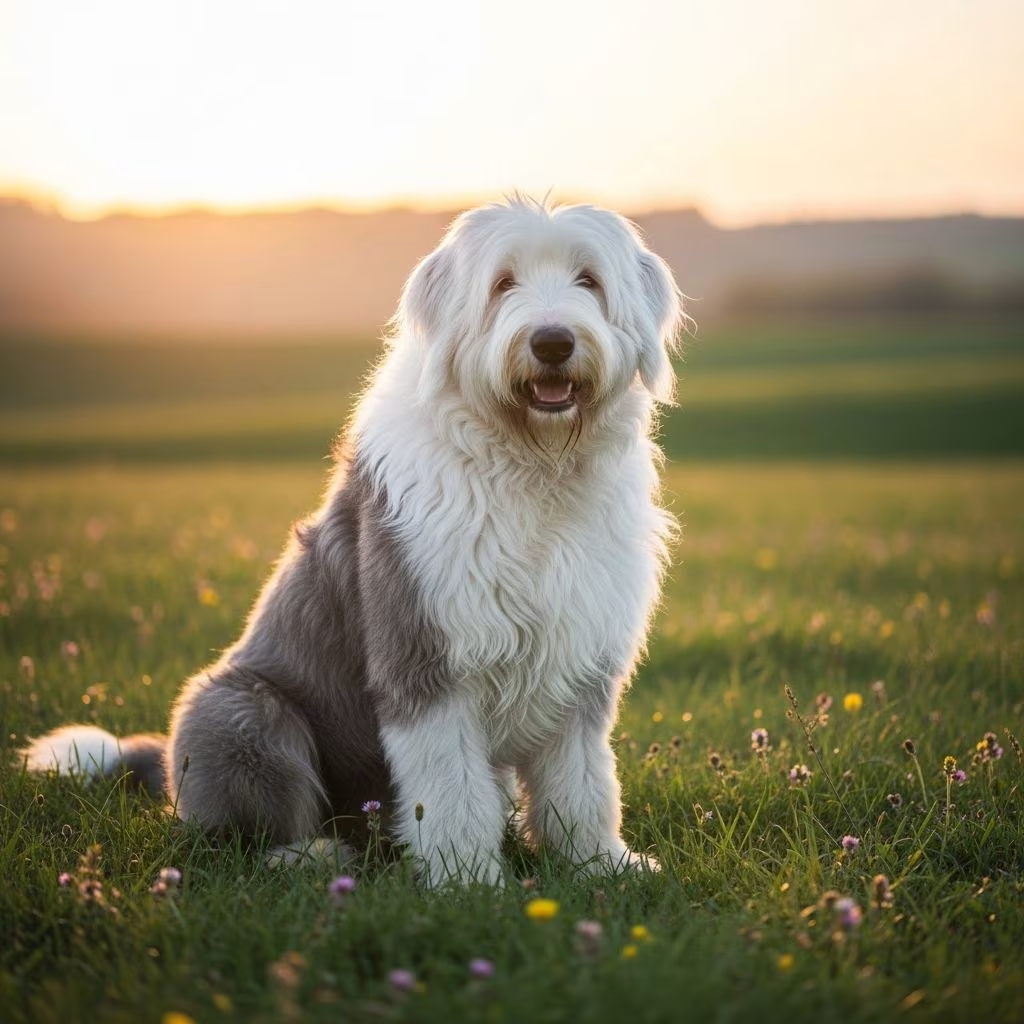
The Old English Sheepdog stands out as a timeless breed, renowned for its lush, shaggy coat and amiable personality. This sturdy herding dog combines strength, intelligence, and a playful spirit, making it a beloved choice for active families seeking a devoted companion.
Origins and Historical Role
Originating in England during the 18th and 19th centuries, the Old English Sheepdog emerged as a versatile working dog on farms. Farmers valued its ability to herd sheep and cattle across rugged terrains, often taxing livestock without payment to market towns—a practice that exempted these dogs from certain fees, hence their traditional docked tails.
Breeders selectively developed the dog for endurance and agility, drawing from ancestral lines possibly including Russian wolfhounds, European shepherds, and collies. By the late 1800s, it gained recognition in dog shows, solidifying its place in canine history. Today, while less common in active herding, it retains the work ethic that defined its past.
Physical Characteristics and Breed Standards
A hallmark of the breed is its robust, square-proportioned build, emphasizing symmetry and muscularity without excess bulk. Males typically stand 24 inches or taller at the shoulder, weighing 79-101 pounds, while females measure 22 inches upward at around 70-90 pounds. The body features a gently rising topline from lower withers to a higher loin, creating a distinctive pear shape from above.
| Feature | Description |
|---|---|
| Head | Capacious skull, square muzzle half the head length, black nose, dark or wall eyes (blue acceptable) |
| Coat | Profuse, weather-resistant double coat; harsh outer layer, waterproof undercoat; colors include blue merle, grizzle, sable, or pepper-and-salt |
| Legs and Feet | Straight forelegs with bone, muscular hindquarters, small round feet with thick pads |
| Tail | Traditionally docked or natural bobtail; undocked carries naturally with feathering |
The coat demands no artificial trimming to preserve the natural outline, contributing to the breed’s bear-like silhouette. Soundness remains paramount, with free movement essential for its herding heritage.
Temperament and Personality Traits
Old English Sheepdogs exhibit a biddable, even-tempered nature—bold yet gentle, faithful without aggression. They thrive as family-oriented pets, showing loyalty and protectiveness while remaining friendly toward strangers and children. Their playful, puppy-like demeanor persists into adulthood, often earning them the ‘forever puppy’ moniker.
- Intelligent and adaptable, quick to learn but independent-minded.
- Strong herding instinct may lead to gentle bumping of family members or pets.
- Loud, distinctive ‘pot-casse’ bark serves as an alert but can become excessive without training.
- Gentle with kids, yet requires supervision due to size and enthusiasm.
Males may display dog aggression, underscoring the need for socialization. Confident leadership prevents willful behavior, as passive handling can foster dominance.
Grooming and Coat Maintenance
The breed’s hallmark shaggy coat requires diligent care to prevent matting. Brush daily with a slicker brush and comb, focusing on the dense undercoat. Bathe every 4-6 weeks using dog-specific shampoos to maintain waterproofing.
Regular trimming around eyes, ears, and paws ensures hygiene without altering the natural shape. Professional grooming every 6-8 weeks helps manage the profuse fur. Shedding occurs seasonally, but frequent brushing minimizes loose hair indoors.
- Check ears weekly for infections due to feathering.
- Trim nails monthly to prevent overgrowth.
- Brush teeth 2-3 times weekly for dental health.
Training and Exercise Requirements
With their sharp intellect, Old English Sheepdogs excel in obedience, agility, and herding trials. Start training early using positive reinforcement—firm, consistent commands counteract their stubborn streak.
Daily exercise totaling 60-90 minutes suits this energetic breed: long walks, fetch sessions, or fenced play. Mental stimulation via puzzle toys or herding games prevents boredom-induced chewing or digging. They pace at slow speeds but trot with powerful extension.
Health Considerations and Lifespan
Old English Sheepdogs live 10-12 years on average, prone to hip dysplasia, elbow issues, hypothyroidism, and cataracts. Responsible breeders screen for genetic conditions via OFA certifications.
Feed a balanced diet calibrated to activity levels—high-quality kibble with joint supplements aids longevity. Annual vet checkups, vaccinations, and parasite prevention are essential. Obesity risks from overfeeding demand portion control.
Nutrition and Daily Care
Provide 3-5 cups of premium dog food daily, split into two meals, adjusted for age and energy. Fresh water access is crucial, especially post-exercise. Puppies need frequent, smaller meals for growth.
| Life Stage | Daily Calories | Key Nutrients |
|---|---|---|
| Puppy | 1,500-2,000 | Protein for muscle, DHA for brain |
| Adult | 2,000-2,500 | Glucosamine for joints, omega-3s |
| Senior | 1,800-2,200 | Antioxidants, reduced fat |
Living Environment and Suitability
Best suited to homes with yards, Old English Sheepdogs adapt to apartments if exercised adequately. They fare well in cooler climates due to their coat but struggle in heat—provide shade and cooling mats.
Families with children and experienced owners benefit most; novices may find the grooming and training demands challenging. They bond deeply, disliking long separations.
Choosing a Puppy and Breeder Tips
Select from reputable breeders adhering to AKC or Kennel Club standards, prioritizing health-tested parents. Puppies should exhibit outgoing temperaments. Rescue organizations offer adult dogs for adoption.
- Verify hip/elbow certifications.
- Observe parent dogs’ temperaments.
- Avoid puppy mills promising ‘rare’ colors.
Common Myths Debunked
Myth: They require constant clipping like poodles. Fact: Natural coat needs brushing, not sculpting.
Myth: Too big for families. Fact: Gentle giants excel with kids when trained.
Frequently Asked Questions
Are Old English Sheepdogs good with children?
Yes, their patient, playful nature makes them excellent family dogs, though supervision is advised due to size.
How often do they shed?
Moderate shedding year-round, heavier seasonally; regular grooming controls it.
Do they need a lot of exercise?
Daily moderate activity prevents behavioral issues.
What’s the best way to train them?
Positive reinforcement with consistent leadership.
Are they hypoallergenic?
No, but their coat sheds less than short-haired breeds.
Bringing Home Your Old English Sheepdog
Prepare with a sturdy crate, grooming tools, and chew toys. Enroll in puppy classes for socialization. This breed rewards dedication with unwavering loyalty and joy.
References
- Old English Sheepdog | Breed Standards — The Kennel Club. Accessed 2026. https://www.royalkennelclub.com/breed-standards/pastoral/old-english-sheepdog/
- Old English Sheepdog Dog Breed Information and Pictures — Dog Breed Info. Accessed 2026. https://www.dogbreedinfo.com/oldenglishsheepdog.htm
- AKC Breed Standard — Old English Sheepdog Club of America. 1990. https://oldenglishsheepdogclubofamerica.org/history/akc-brand-standard/
- Old English Sheepdog Dog Breed — Hill’s Pet Nutrition. Accessed 2026. https://www.hillspet.com/dog-care/dog-breeds/old-english-sheepdog
- Old English Sheepdog Dog Breed Information — American Kennel Club. Accessed 2026. https://www.akc.org/dog-breeds/old-english-sheepdog/
- Old English Sheepdog Dog Breed Information — Purina UK. Accessed 2026. https://www.purina.co.uk/find-a-pet/dog-breeds/old-english-sheepdog



