

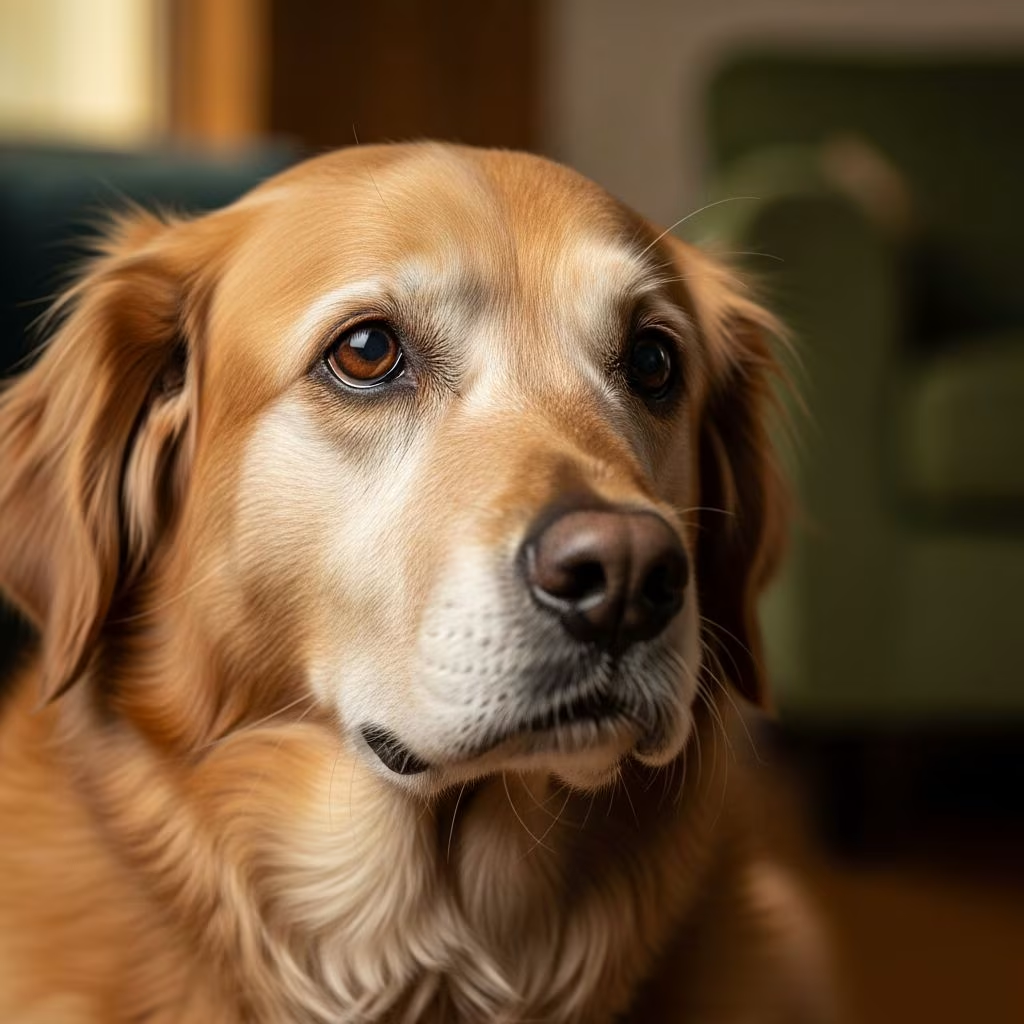
Understanding Diarrhea in Senior Dogs
As our beloved canine companions enter their golden years, they become more susceptible to various health conditions, and digestive issues are among the most common concerns pet owners face. Diarrhea in older dogs can range from a minor inconvenience to a sign of a serious underlying health condition. Unlike younger dogs whose digestive systems are typically more resilient, senior dogs experience significant changes in their gastrointestinal function, immune response, and overall metabolism that make them particularly vulnerable to loose stools and digestive upset.
Understanding the causes, recognizing warning signs, and knowing when to seek veterinary care are essential components of responsible senior dog ownership. This comprehensive guide explores the various aspects of diarrhea in older dogs, from acute episodes that may resolve quickly to chronic conditions requiring ongoing management.
Types of Diarrhea in Senior Dogs
Diarrhea in older dogs can be classified into three main categories based on duration and frequency: acute, chronic, and intermittent. Each type has different implications for diagnosis and treatment.
Acute diarrhea refers to sudden onset loose stools that typically develop over hours or days. This type often resolves within 48 hours with supportive care and may not require extensive veterinary intervention unless accompanied by other concerning symptoms. Chronic diarrhea persists for more than three weeks or recurs frequently, often indicating an underlying condition requiring professional diagnosis and ongoing treatment. Intermittent diarrhea comes and goes unpredictably, sometimes triggered by specific events or foods, and may indicate food sensitivities or stress-related digestive issues.
Common Causes of Acute Large Bowel Diarrhea
When your senior dog experiences acute diarrhea that appears to originate from the large intestine, a condition called colitis may be occurring. This type of diarrhea usually develops suddenly and may respond quickly to treatment. The most common causes of acute large bowel diarrhea in older dogs include:
- Dietary indiscretion, such as eating garbage, spoiled food, or human table scraps
- Ingestion of foreign objects and subsequent intestinal irritation from passing those items
- Adverse reactions to fatty foods, medications, or toxins
- Intestinal parasites, particularly whipworms
- Bacterial infections affecting the colon
- Inflammatory conditions such as inflammatory bowel disease (IBD)
- Irritable bowel syndrome triggered by stressful situations
- Systemic illnesses including liver disease, kidney disease, or Addison’s disease
Causes of Chronic and Intermittent Diarrhea
When older dogs experience diarrhea that persists for extended periods or occurs on an intermittent basis, different underlying causes are typically at play. These chronic conditions often require more extensive diagnostic work and long-term management strategies. Common causes include:
- Infectious diseases and viral infections, such as parvovirus (though less common in senior dogs, it can still develop)
- Small intestinal dysbiosis, an imbalance in beneficial gut bacteria
- Food responsive disease and food sensitivities
- Inflammatory bowel disease requiring ongoing management
- Systemic illnesses and cancer
- Exocrine pancreatic insufficiency and chronic pancreatitis
- Age-related digestive system changes and decreased enzyme production
Why Senior Dogs Are More Susceptible to Diarrhea
Senior dogs experience numerous physiological changes that increase their vulnerability to digestive problems. As dogs age, their digestive systems naturally slow down, reducing their ability to efficiently break down food and absorb nutrients. This decreased digestive efficiency makes older dogs more sensitive to dietary changes and rich foods that younger dogs might tolerate without issue.
The microbiome of aging dogs also undergoes significant changes. The diversity of beneficial gut bacteria tends to decline with age, which can lead to dysbiosis and digestive irregularity. Additionally, the immune system weakens substantially in senior dogs, making them more susceptible to infections and parasites that younger dogs can easily fight off. Many older dogs also take daily medications for chronic conditions like arthritis or heart disease, and certain medications, especially anti-inflammatories and antibiotics, can irritate the stomach or disrupt the gut lining, leading to diarrhea.
Stress-related diarrhea is particularly common in senior dogs, who may experience nervous digestive issues during veterinary visits, vaccinations, or boarding situations. If your older dog gets nervous diarrhea, discuss preventive strategies with your veterinarian, who may recommend pre-treating your dog with probiotics to help mitigate stress-related digestive upset.
Emergency Warning Signs Requiring Immediate Veterinary Care
While occasional mild diarrhea in senior dogs may resolve with home care and time, certain symptoms indicate a medical emergency requiring immediate professional attention. Take your senior dog to the veterinarian immediately if any of the following symptoms are present:
- Explosive diarrhea and/or bloody or black stools
- Persistent vomiting that does not stop
- Swollen or distended abdomen or belly
- Fever above 103 degrees Fahrenheit
- Signs of collapse or severe lethargy
- Dehydration indicators including prolonged skin tent, dry gums, or sunken eyes
- Significant loss of appetite
- Your senior dog is medically fragile due to other health conditions
Additionally, if your senior dog’s diarrhea persists for more than 24 to 48 hours without improvement, a veterinary visit is warranted. Senior dogs are at higher risk for debilitating dehydration and electrolyte loss, which can rapidly become life-threatening in older animals.
Diagnostic Approach and Veterinary Evaluation
When diarrhea persists beyond the initial period or is accompanied by other concerning symptoms, professional veterinary evaluation becomes necessary. Your veterinarian will begin with a thorough history and physical examination, asking detailed questions about the onset of diarrhea, your dog’s diet, recent dietary changes, medications, and any exposure to potential toxins or parasites.
Diagnostic tests typically include a fecal exam to check for parasites (bring a fresh stool sample with you to the appointment), blood work to assess organ function and rule out systemic diseases, and urinalysis. Your veterinarian may also recommend imaging studies such as abdominal ultrasound or X-rays if foreign body ingestion or obstruction is suspected. For chronic diarrhea cases, additional specialized testing may be needed to identify conditions like exocrine pancreatic insufficiency or inflammatory bowel disease.
Treatment Options for Senior Dog Diarrhea
Treatment for diarrhea in older dogs varies considerably depending on the underlying cause, but most cases involve a combination of monitoring, dietary management, hydration support, and sometimes medication. The approach taken will be tailored to your specific dog’s situation and the results of diagnostic testing.
Dietary Management
For most cases of acute diarrhea, dietary modification is a cornerstone of treatment. A bland diet consisting of easily digestible foods helps rest the digestive system and allows healing of the intestinal lining. Recommended bland diet options include boiled chicken with white rice, low-fat hamburger with rice, or prescription digestive care diets formulated specifically for sensitive digestion. These bland meals should be fed in smaller portions more frequently throughout the day rather than in one or two large meals.
For senior dogs with chronic diarrhea related to conditions like IBD or exocrine pancreatic insufficiency, a highly digestible, low-fat diet with quality protein sources is often recommended. Many dogs benefit from prescription diets specifically formulated for their particular condition. Any dietary changes should be made gradually over 7 to 10 days, mixing increasing amounts of the new food with the old to prevent additional digestive upset during the transition.
Hydration and Fluid Therapy
Maintaining proper hydration is critical in managing diarrhea in senior dogs, as fluid and electrolyte loss can quickly become problematic in older animals. In mild cases, ensuring constant access to fresh water usually suffices. However, dogs with severe or persistent diarrhea often require subcutaneous or intravenous hydration administered by a veterinarian to replace lost fluids and electrolytes more effectively.
Probiotics and Digestive Supplements
Probiotics containing beneficial bacteria can help restore healthy gut flora and improve digestive function, particularly in cases where antibiotics have been used or when dysbiosis is present. Products containing Purina Pro Plan FortiFlora or similar veterinary-grade probiotics can be particularly helpful for senior dogs recovering from diarrhea. These supplements support the reestablishment of a balanced microbiome and may help prevent future episodes of digestive upset.
Medications
Depending on the underlying cause, your veterinarian may prescribe specific medications to address the root problem. Deworming treatments eliminate parasitic infections, while anti-inflammatory medications reduce intestinal inflammation associated with conditions like IBD. Antibiotics may be prescribed for bacterial infections, and anthelmintics address intestinal worm infestations. Pain management medications can help reduce abdominal discomfort and intestinal spasms.
It is critical to administer all prescribed medications exactly as directed and to complete the full course of treatment, even if the diarrhea resolves before the medication is finished. Never give your dog any medication, including over-the-counter human medications, without prior approval from your veterinarian, as some can be harmful to dogs or may interact with other treatments.
Prevention Strategies for Senior Dogs
While not all cases of diarrhea can be prevented, several strategies can reduce the risk in senior dogs. Maintaining regular preventive care including ongoing parasite prevention is essential, as many pet owners mistakenly believe older dogs no longer need such protection. In reality, senior dogs often have weaker immune systems and cannot easily fight off parasites like Giardia, coccidia, and intestinal worms.
Careful dietary management including avoiding sudden diet changes, limiting access to fatty foods, and preventing dietary indiscretion can significantly reduce diarrhea episodes. Keeping your senior dog away from unknown foods, fecal matter, and potentially toxic substances during walks helps prevent contamination from pathogens like Salmonella and Giardia. Managing stress through predictable routines, adequate exercise appropriate for your dog’s age and health status, and creating a calm environment can also help minimize stress-related digestive issues.
Recovery Timeline and When Improvement Should Occur
Most dogs with mild diarrhea typically recover within two to three days with supportive care including bland diet and probiotics. However, the timeline varies depending on the underlying cause. Acute diarrhea from dietary indiscretion often resolves quickly once the offending food is removed and normal digestion resumes. Chronic diarrhea related to underlying conditions may require weeks or months of treatment before significant improvement is seen.
If your senior dog’s diarrhea does not show improvement within 48 hours, or if symptoms worsen despite home care efforts, follow up with your veterinarian. Persistent diarrhea may indicate a condition requiring professional intervention that has not yet been identified.
Frequently Asked Questions About Senior Dog Diarrhea
Q: What are the most common causes of diarrhea and weight loss in senior dogs?
A: The most common causes include inflammatory bowel disease, exocrine pancreatic insufficiency, chronic pancreatitis, organ dysfunction (particularly liver or kidney disease), various infections or parasites, and in some cases, cancer and diabetes.
Q: How long should I wait before taking my senior dog to the vet for diarrhea?
A: A veterinary visit is warranted if diarrhea lasts more than 24 to 48 hours, includes blood or vomiting, or if your dog shows signs of dehydration, lethargy, or stops eating. Immediate emergency care is needed for severe symptoms like collapse, explosive diarrhea, or persistent vomiting.
Q: Can I give my senior dog over-the-counter medication for diarrhea?
A: Never give your dog any medication without prior approval from your veterinarian. Some human over-the-counter medications can be harmful to dogs or may interact with other treatments your senior dog is receiving.
Q: What dietary changes can help manage chronic diarrhea in senior dogs?
A: A highly digestible, low-fat diet with quality protein sources is often recommended. Some dogs benefit from prescription diets specifically formulated for their condition. Any dietary changes should be made gradually over 7 to 10 days under veterinary supervision.
Q: Why is my senior dog more prone to diarrhea than when younger?
A: Senior dogs experience decreased immune function, slower metabolism, reduced enzyme production, and changes in their gut microbiome that make them more susceptible to diarrhea. They may also develop new food sensitivities and are more likely to be on medications that can affect digestion.
Q: How do parasites contribute to diarrhea in aging dogs?
A: Senior dogs have weakened immune systems, making them more susceptible to parasitic infections. These parasites can damage the intestinal lining, interfere with nutrient absorption, and cause inflammation leading to diarrhea and weight loss.
References
- Old Dog Diarrhea: Causes, Treatment, and More — Chewy. 2024. https://www.chewy.com/education/dog/health-and-wellness/old-dog-diarrhea
- Old Dog Diarrhea: Causes, Symptoms, and Treatment Guide — PetsCare. 2024. https://www.petscare.com/news/post/old-dog-diarrhea-guide
- What to Do If Your Senior Dog Gets Diarrhea — The Farmer’s Dog. 2024. https://www.thefarmersdog.com/digest/senior-dog-gets-diarrhea/
- Why Does My Senior Pet Have Diarrhea? — Lap of Love. 2024. https://www.lapoflove.com/blog/senior-pet-care/why-does-my-senior-pet-have-diarrhea
- What to Do If Your Senior Dog Gets Diarrhea — Ollie Blog. 2024. https://blog.myollie.com/senior-dog-diarrhea/
- Diarrhea — Cornell University College of Veterinary Medicine. 2024. https://www.vet.cornell.edu/departments-centers-and-institutes/riney-canine-health-center/canine-health-information/diarrhea
- Dog Diarrhea: How To Identify, Diagnose, and Treat It — PetMD. 2024. https://www.petmd.com/dog/symptoms/dog-diarrhea



