

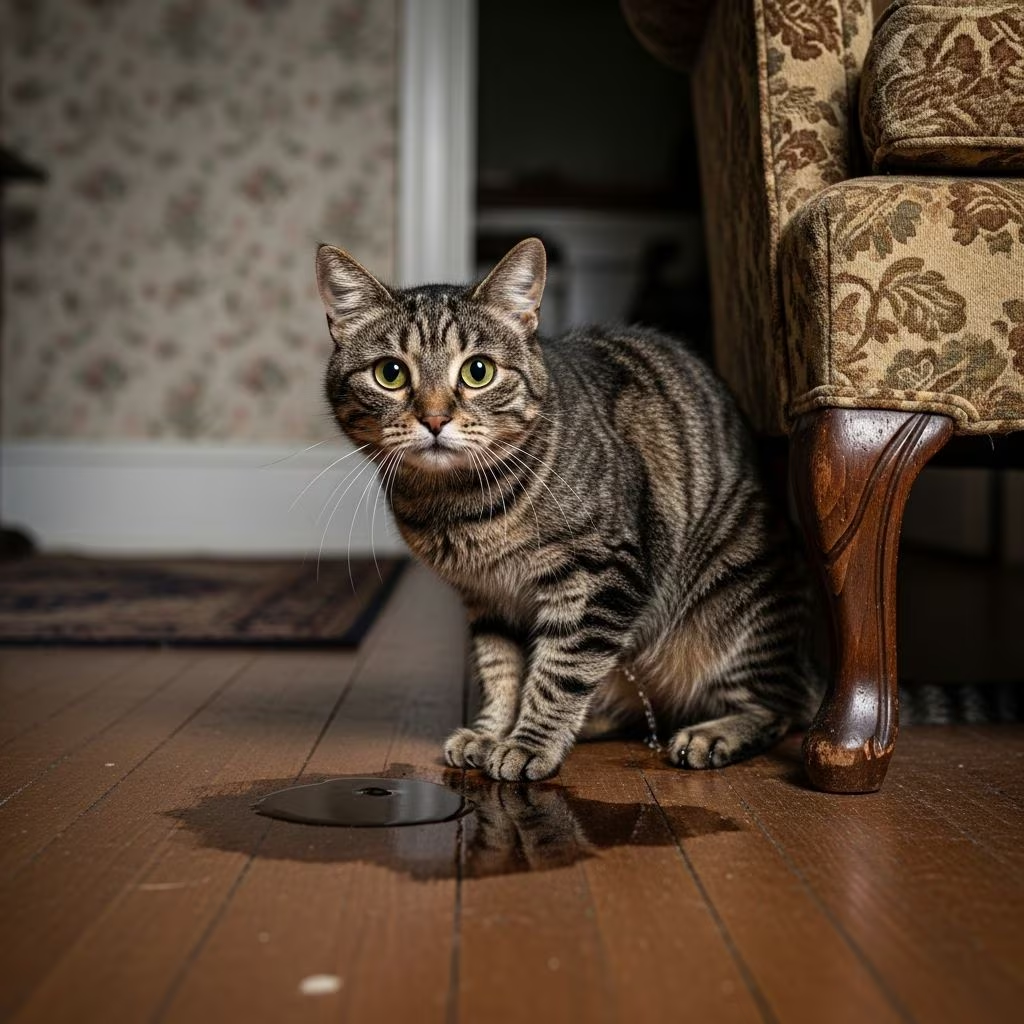
Old Cat Peeing Everywhere: Understanding and Addressing This Common Senior Cat Issue
When your beloved senior cat begins urinating outside the litter box, it’s often a sign that something needs attention. Whether your cat is a well-established indoor pet or has always been reliable with litter box habits, inappropriate urination in older cats is a common and distressing issue for both pet and owner. Unlike younger cats, senior felines may be dealing with age-related health conditions, physical limitations, or environmental stressors that impact their toileting behavior. Understanding the underlying causes is the first step toward finding effective solutions.
Medical Causes of Inappropriate Urination in Senior Cats
Before considering behavioral or environmental factors, it’s essential to rule out medical conditions. Many senior cats experience health issues that directly contribute to peeing outside the litter box. A veterinary examination should always be your first step when you notice this behavior.
Urinary Tract Infections (UTIs)
Older male cats are particularly susceptible to urinary tract infections due to a weakened immune system. UTIs make urination painful, causing cats to associate the litter box with discomfort. As a result, they may seek alternative locations to relieve themselves. Common symptoms of UTIs include straining during urination, frequent urination, and visible blood in the urine. A veterinary diagnosis through urine testing is necessary, and treatment typically involves antibiotics to eliminate the bacterial infection.
Kidney Disease
Chronic kidney disease is one of the most common conditions affecting senior cats. This progressive disease causes excessive thirst and increased urination, which can overwhelm your cat’s ability to maintain normal litter box habits. Cats with kidney disease may urinate more frequently and in larger volumes, making it difficult for them to always reach the litter box in time. Early signs include weight loss, decreased appetite, and lethargy. Diagnosis involves bloodwork and urinalysis, with treatment focused on maintaining hydration, dietary modifications, and prescribed medications to slow disease progression.
Diabetes Mellitus
High blood sugar levels in diabetic cats increase both thirst and urination. Senior cats with diabetes may urinate in inappropriate places simply because they cannot reach the litter box in time before the urge becomes urgent. Additional symptoms include unexplained weight loss despite increased appetite. Management requires insulin therapy, dietary adjustments, and close monitoring of blood sugar levels.
Hyperthyroidism
This condition results from overactivity of the thyroid gland, causing a rapid heartbeat and increased metabolic rate. Hyperthyroidism leads to increased thirst and frequent urination, sometimes exceeding your cat’s ability to reach the litter box consistently. Despite constant hunger, cats with this condition often experience severe weight loss. Treatment options include medication and dietary management to control thyroid hormone levels.
Arthritis and Mobility Issues
Degenerative joint disease causes chronic pain that can prevent older cats from comfortably accessing or entering their litter boxes. If your senior cat’s box requires climbing, jumping, or navigating tight spaces, arthritic joints may make these movements too painful. Solutions include providing low-sided litter trays, implementing pain management strategies, and making environmental adjustments to improve mobility and accessibility. Joint supplements and pain medications recommended by your veterinarian can significantly improve your cat’s quality of life.
Cognitive Dysfunction (Feline Dementia)
Senior cats can experience memory loss and confusion, similar to dementia in humans. This condition may cause cats to forget where their litter box is located or become disoriented about appropriate toileting behavior. Signs of cognitive decline include disorientation in familiar spaces, changes in sleep patterns, and altered interaction with family members. Managing cognitive dysfunction involves maintaining consistent routines, providing environmental enrichment, and sometimes using prescribed medications to support cognitive function.
Behavioral and Environmental Factors
Beyond medical conditions, behavioral and environmental issues significantly contribute to inappropriate urination in senior cats.
Stress and Anxiety
Older cats are creatures of habit who thrive on predictability. Changes in household routine, introduction of new pets, loud noises, or even rearrangement of furniture can trigger anxiety. When stressed, cats may urinate in inappropriate spots as a way to relieve anxiety through the comforting scent of their own urine. Creating a predictable, quiet environment is essential for senior cats. Calming aids such as feline pheromone diffusers (like Feliway) can help reduce anxiety and create a sense of security.
Territorial Marking Versus Incontinence
Understanding the difference between territorial spraying and true incontinence helps determine the appropriate treatment approach. Territorial spraying typically involves small amounts of urine deposited on vertical surfaces, often with the tail held high. Incontinence, in contrast, results in larger puddles of urine on horizontal surfaces and may indicate age-related physical decline or medical issues. Identifying which behavior your cat is exhibiting guides your veterinarian toward the correct diagnosis and treatment plan.
Litter Box Setup and Environmental Triggers
The litter box environment plays a crucial role in whether senior cats will use it consistently. Even minor changes can discourage an older cat from using the box.
Optimal Litter Box Configuration
Consider the following factors when setting up litter boxes for senior cats:
- Location: Place boxes in quiet, accessible areas away from high-traffic zones and noisy appliances. Senior cats need privacy and peace during toileting.
- Accessibility: Use low-sided or uncovered litter trays to allow easy entry and exit, particularly important for cats with arthritis or mobility limitations.
- Cleanliness: Scoop daily and completely replace litter weekly. Older cats are more sensitive to box cleanliness than younger cats.
- Number of boxes: Provide at least one litter box per cat, plus one extra. This is especially important in multi-cat households and ensures senior cats always have convenient access.
- Non-slip surfaces: Consider placing non-slip mats around the litter box area to help cats with mobility issues feel secure and stable.
Litter Type Preferences
Older cats typically prefer unscented, fine-grain litter. Strong fragrances and coarse textures can deter use, particularly in senior cats with sensitive preferences. If you’ve recently changed litter brands or types, consider reverting to what your cat previously used. Experimentation may be necessary to identify your cat’s preference, but avoid frequent changes that could increase confusion and stress.
Treatment and Management Strategies
Medical Management
Treatment depends entirely on the underlying diagnosis:
- Antibiotics: For bacterial urinary tract infections
- Pain relief and supplements: For arthritis and joint discomfort
- Insulin therapy: For diabetic cats
- Specialized diets: For kidney disease, urinary support, or thyroid conditions
- Cognitive support: Supplements and medications to support brain function in cats with dementia
Behavioral and Environmental Adjustments
- Establish and maintain a consistent daily routine to reduce stress and confusion
- Use calming aids such as Feliway or other feline pheromone products
- Provide enrichment including window views, comfortable bedding, and hiding spots
- Minimize exposure to stressors and maintain a calm household environment
- Introduce any new pets or changes gradually to prevent anxiety
Litter Box Improvements
- Ensure litter trays are easily accessible with low sides or open tops
- Trial different litter textures and brands to match your cat’s preferences
- Clean with enzymatic cleaners specifically designed to remove urine odors completely
- Maintain multiple boxes in strategic locations throughout your home
- Consider box placement in areas near where your cat spends time
Prevention and Long-Term Care for Senior Cats
Proactive management helps prevent or minimize inappropriate urination in aging cats:
- Regular veterinary visits: Schedule check-ups at least twice yearly for senior cats to catch health issues early
- Stable home environment: Maintain predictability and minimize disruptions
- Hydration support: Encourage water intake with wet food and fresh water sources, particularly important for cats with kidney disease or diabetes
- Appropriate litter box setup: Use low-entry boxes with non-slip surfaces and maintain excellent hygiene
- Behavioral monitoring: Keep detailed records of urination patterns, appetite changes, and behavioral shifts to share with your veterinarian
Supplements and Supportive Care
Several supplements may support urinary and cognitive health in senior cats, though all should be discussed with your veterinarian first. Omega-3 fatty acids may help reduce inflammation associated with urinary conditions. Cranberry extract has been studied for urinary tract support. Additionally, supplements specifically formulated for cognitive function in aging cats may help manage dementia-related symptoms. Always consult with your veterinarian before introducing any supplements to ensure they’re appropriate for your cat’s specific health conditions and won’t interact with prescribed medications.
Frequently Asked Questions
Q: What are the warning signs that my senior cat has a urinary problem?
A: Watch for frequent urination, accidents outside the litter box, straining during urination, visible blood in urine, and excessive meowing. Weight loss and behavioral changes may also indicate underlying issues. Any combination of these symptoms warrants a veterinary visit.
Q: How do I determine if the issue is medical or behavioral?
A: Medical causes often involve visible symptoms like straining, frequent urination, or blood in urine and generally develop suddenly. Behavioral issues typically coincide with environmental changes or stress and may be accompanied by other behavioral shifts. However, a veterinary examination is always the first step, as medical and behavioral causes can overlap.
Q: What’s the best litter box setup for an older cat?
A: Use a low-sided or uncovered tray in a quiet, easily accessible location. Keep it clean by scooping daily and replacing litter regularly. Avoid scented litters or frequent litter changes that could cause confusion. Providing multiple boxes throughout your home ensures convenient access.
Q: Are there supplements that can help with urinary issues?
A: Yes, omega-3 fatty acids, cranberry extract, and other vet-recommended supplements may support urinary health. Supplements for cognitive function may also help senior cats with dementia-related issues. Always consult your veterinarian before starting any supplements to ensure safety and appropriateness.
Q: How often should I take my senior cat to the vet?
A: Senior cats (typically over age 10) should be examined by a veterinarian at least twice yearly, or more frequently if they have existing health conditions. Regular check-ups help detect diseases early and monitor chronic conditions.
Q: Can stress really cause a cat to pee outside the litter box?
A: Yes, stress and anxiety are significant triggers for inappropriate urination in cats. Creating a calm, predictable environment with minimal changes and using calming aids can help reduce stress-related behavior.
References
- Why Is My Old Male Cat Peeing Everywhere? — Cat Evolution. Accessed January 2026. https://catevolution.com.au/blogs/cat_tips_tricks/why-is-my-old-male-cat-peeing-everywhere
- 6 Reasons Your Cat Is Peeing Outside the Litter Box — PetMD. Accessed January 2026. https://www.petmd.com/cat/behavior/reasons-your-cat-peeing-outside-litter-box
- Senior Cat Peeing Out of the Litter Box — Clayton Park Veterinary Hospital. September 2018. https://www.claytonparkvet.ca/resources/blog/september-2018/senior-cat-peeing-out-of-the-litter-box
- Why is My Cat Peeing Everywhere? Here’s What You Need to Know — Cat Veterinary Services Houston. Accessed January 2026. https://ctvsh.com/why-is-my-cat-peeing-everywhere-heres-what-you-need-to-know/
- Why is My Male Cat Peeing Everywhere and Meowing? — Taconic Veterinary Hospital. Accessed January 2026. https://taconicvet.com/blog/why-is-my-male-cat-peeing-everywhere-and-meowing/
- Feline Behavior Problems: House Soiling — Cornell University College of Veterinary Medicine. Accessed January 2026. https://www.vet.cornell.edu/departments-centers-and-institutes/cornell-feline-health-center/health-information/feline-health-topics/feline-behavior-problems-house-soiling
- Is Your Senior Cat Not Using the Litter Box? — Chewy Pet Education. Accessed January 2026. https://www.chewy.com/education/cat/training-and-behavior/solving-litter-box-problems-in-senior-cats



