

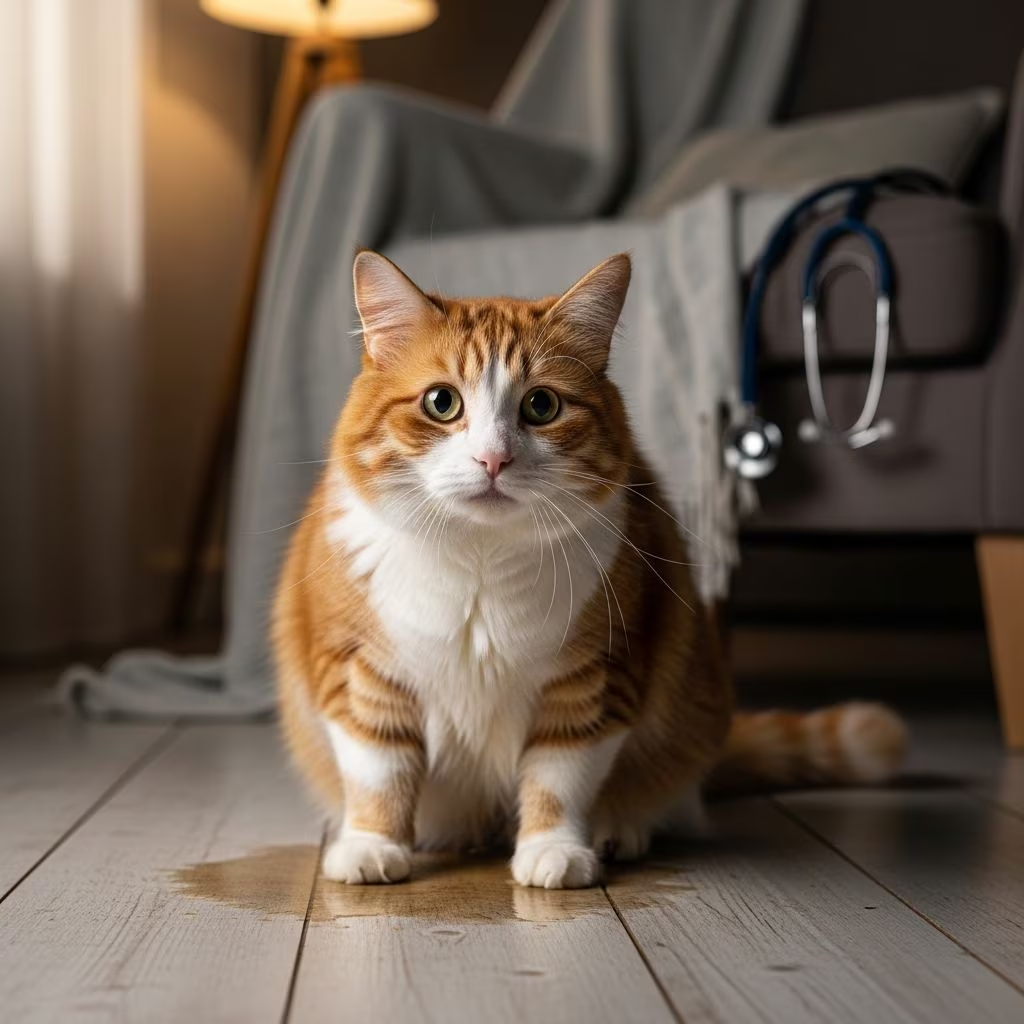
My Old Cat Is Peeing Everywhere Suddenly: Vet-Verified Causes and Solutions
If your elderly feline companion has suddenly started urinating outside their litter box, you’re not alone in experiencing this frustrating behavior. Senior cats peeing everywhere is a common concern for pet owners, and understanding the underlying causes is the first step toward finding a solution. In general, there are usually only two categories of reasons that your elderly cat is urinating everywhere: a medical issue or a behavioral issue. This comprehensive guide will help you identify which category applies to your situation and provide practical, vet-verified solutions to address the problem.
Understanding the Two Main Categories of Inappropriate Urination
When an older cat begins peeing outside the litter box, veterinarians typically investigate two primary areas: medical conditions and behavioral factors. Medical issues involve physical ailments that affect your cat’s ability to urinate properly or control their bladder, while behavioral issues relate to environmental stressors, litter box preferences, and emotional factors. Determining which category applies to your cat requires careful observation and, most importantly, a thorough veterinary evaluation.
Medical Causes of Inappropriate Urination in Senior Cats
Urinary Tract Infections (UTI)
A UTI is a fairly common occurrence in older felines, and the disorder is caused by bacteria in the urine that can cause an inflammatory response, resulting in a painful infection. Older male cats are particularly prone to UTIs due to a weakened immune system that comes with age. When your cat experiences the pain of a UTI, they may associate this discomfort directly with their litter box and consequently seek other places to urinate. Symptoms of a UTI include straining during urination, frequent urination attempts, and possible blood in the urine. Your vet will need to perform urine testing to confirm a diagnosis and typically prescribe a course of antibiotics to clear the infection.
Kidney Disease
Chronic kidney disease is one of the most common health conditions affecting senior cats. This condition often causes excessive thirst and dramatically increased urination, which may completely overwhelm your cat’s normal toileting habits. When a cat with kidney disease needs to urinate more frequently, they may not always make it to the litter box in time. Early signs of kidney disease include weight loss, poor appetite, and general lethargy. Diagnosis involves bloodwork and urinalysis conducted by your veterinarian. Treatment focuses on maintaining hydration, adjusting diet, and administering prescribed medications to slow disease progression.
Diabetes Mellitus
High blood sugar levels in diabetic cats increase both thirst and urination significantly. Senior cats with diabetes may urinate in inappropriate places simply because they cannot reach the litter box in time to relieve themselves. Other symptoms of feline diabetes include weight loss despite increased appetite and increased water consumption. Treatment requires insulin therapy, dietary modifications, and close monitoring of blood glucose levels by your veterinarian.
Hyperthyroidism
Hyperthyroidism is caused by overactivity of the thyroid gland, resulting in a rapid heartbeat and an increased rate of metabolism. This condition leads to severe weight loss even though your cat will be constantly hungry and wanting to eat. Like diabetes and kidney disease, hyperthyroidism increases urination frequency, which can cause your senior cat to have accidents outside the litter box. Hyperthyroidism can be treated with medications and dietary changes prescribed by your veterinarian.
Arthritis and Degenerative Joint Disease
Arthritis or other forms of painful degenerative joint disease may make it physically difficult for your aging cat to access their litter box. Painful joints prevent older cats from reaching or climbing into the litter box, and they’ll simply begin to go wherever is easiest and most comfortable. Solutions include providing low-sided litter trays for easy entry, ensuring the box is not at the bottom or top of long sets of stairs, and offering multiple litter box options around the home in easily accessible locations. Your vet can also prescribe appropriate pain management medications and joint supplements to help alleviate symptoms.
Cognitive Dysfunction (Feline Dementia)
Senior cats can suffer from memory loss and confusion, leading to forgotten litter box locations. This condition, sometimes called feline cognitive dysfunction or cat dementia, causes disorientation and changes in sleep patterns. Your cat may forget where their litter box is located or become confused about how to use it. Signs include altered interaction patterns, changes in sleep-wake cycles, and disorientation in familiar spaces. Managing cognitive decline involves providing environmental enrichment, maintaining consistent routines, and sometimes administering medication recommended by your veterinarian.
Feline Idiopathic Cystitis (FIC)
This condition is caused by stress or a change in the environment. Cats are creatures of habit, so any minimal change—even the location of their litter box or type of cat litter—can lead to stress and trigger FIC. When cats get stressed, they will often urinate in odd places or more frequently in small amounts. In severe cases, they can even develop blood in their urine. FIC can lead to both urinary tract infections and potentially life-threatening urinary obstructions, making veterinary attention essential.
Behavioral and Environmental Factors
Dirty Litter Box
This may seem obvious, but the first thing to check is that your cat’s litter box is clean. Cats are notoriously fussy animals, particularly about their toilets, and it’s not uncommon to see an old cat peeing outside their litter box due to cleanliness concerns. An even slightly messy litter box may cause them to do their business elsewhere. Make sure their litter box is as clean as possible at all times—this simple solution may resolve the issue entirely. Scoop the litter daily, or multiple times a day if you have multiple cats, and do a deep cleaning with enzymatic cleaners every one to two weeks to completely remove lingering odors.
Changes in Litter Box Design or Litter Type
If you have purchased a new type of litter box or litter, this can cause your cat to urinate all over the home. They may not enjoy the new design of the box or the smell of the litter. Additionally, their aging body may find it too difficult to get into a new box design. Older cats often prefer unscented, fine-grain litter and may be deterred by strong fragrances or coarse textures. Be sure to give your cat more than one option of litter box, as they enjoy choices. If you notice them predominantly using the old box or old litter, it may be the new purchase that has put them off.
Changes in Routine and Environmental Stressors
Cats enjoy routine and doing things their own way, especially senior cats. A sudden change or interruption in their routine may be the cause of their peeing all over the home. Moving to a new house, bringing home a new pet, a sudden surge of visitors, or even abnormally loud noises can all cause your cat stress. Something may have specifically caused them stress while they were using their litter box, and they are now too afraid to use it again. Stress can trigger urination in inappropriate spots as a way for anxious cats to relieve their anxiety—the smell of their own urine makes them feel safer. Try to identify the potential cause of stress in your cat’s life and take the necessary steps to reverse it, halt it, or get them accustomed to it gradually.
Territorial Marking vs. Incontinence
Understanding the difference between territorial spraying and true incontinence helps determine the appropriate treatment direction. Territorial spraying typically involves small amounts of urine on vertical surfaces, often accompanied by the cat backing up to the surface. In contrast, incontinence results in larger puddles on horizontal surfaces and may be due to aging or medical decline. Identifying which behavior your cat is displaying will help guide your veterinarian toward the correct diagnosis and treatment plan.
Optimizing Your Cat’s Litter Box Setup
The litter box “experience” is almost always a factor in cats peeing outside the box. The trick is making the litter box the first and only place they go. Consider the following recommendations:
- Choose a quiet, accessible location away from high-traffic areas and household appliances
- Use a low-sided litter tray for easy entry, especially important for cats with mobility issues
- Keep the box clean by scooping daily and replacing litter weekly
- Provide at least one litter box per cat, plus one extra
- Ensure boxes are not at the bottom or top of long flights of stairs
- Use uncovered trays so your senior cat can easily enter and exit
- Clean with enzymatic cleaners to remove lingering odors that might deter use
Treatment and Management Strategies
Medical Management
Depending on your veterinarian’s diagnosis, treatments might include antibiotics for infections, joint supplements or pain relief medications for arthritis, insulin for diabetes, special prescription diets for kidney or urinary support, and supplements to support cognitive function. Working closely with your veterinarian to implement the correct medical treatment is essential for resolving medically-related urination issues.
Behavioral Adjustments and Environmental Modifications
- Use calming aids such as Feliway pheromone diffusers to reduce anxiety
- Establish a consistent daily routine to provide security and predictability
- Provide plenty of enrichment including window views, soft bedding, and hiding spots
- Create a calm, quiet environment to minimize stress triggers
- Introduce changes gradually rather than suddenly
- Consider supplements that may help with stress and anxiety
Litter Box Improvements and Optimization
- Ensure litter trays are easy to access with low sides and stable, non-slip surfaces
- Trial different litter textures to find your cat’s preference
- Maintain multiple litter boxes in different locations throughout your home
- Clean boxes thoroughly with enzymatic cleaners to remove all urine odors
- Consider using unscented, fine-grain litter that older cats typically prefer
Prevention and Long-Term Care for Senior Cats
Taking a proactive approach to your senior cat’s health can help prevent or minimize inappropriate urination issues:
- Schedule regular veterinary visits for early detection of medical conditions
- Provide a stable, quiet home environment with minimal stress
- Encourage hydration by providing fresh water and incorporating wet food into their diet
- Use low-entry, non-slip litter boxes designed for elderly cats
- Monitor and record behavioral changes to share with your veterinarian
- Maintain consistent daily routines and minimize disruptions
- Consider preventative supplements for joint health and cognitive support
Frequently Asked Questions About Senior Cat Urination
Q: What are the warning signs that my senior cat may have a urination problem?
A: Look for frequent urination, accidents outside the tray, straining during urination, or blood in the urine. Weight loss and sudden changes in behavior may also be indicators of underlying medical issues. Any sudden change in litter box habits warrants a veterinary evaluation.
Q: How can I distinguish between medical and behavioral causes?
A: Medical causes often involve pain or visible symptoms like straining or blood in urine. Behavioral causes usually coincide with stress or environmental changes such as moving or introducing new pets. However, a thorough vet exam is always the first step to rule out medical issues.
Q: What’s the best type of litter box for an elderly cat?
A: Use a low-sided, uncovered tray in a quiet, accessible spot. Keep it scrupulously clean and consistent—scented litters or frequent tray changes can cause confusion. Many senior cats prefer unscented, fine-grain litter over coarse or heavily scented varieties.
Q: Are there supplements that can help with senior cat urination issues?
A: Yes—omega-3s, cranberry extract, or vet-recommended supplements may support urinary health or cognitive function. Some supplements can help with stress and anxiety as well. Always consult with your veterinarian before starting any supplement regimen to ensure it’s appropriate for your cat’s specific health needs.
Q: How often should I take my senior cat to the vet for check-ups?
A: Senior cats (typically age 7 and older) should visit the veterinarian at least twice yearly for wellness exams and preventative screening. More frequent visits may be necessary if your cat has chronic health conditions or urination issues.
Q: Can stress alone cause a cat to pee outside the litter box?
A: Yes, stress can trigger both behavioral changes and medical conditions like feline idiopathic cystitis. An anxious cat might pee elsewhere as a way to relieve their anxiety because the smell of their own urine makes them feel safer. Identifying and minimizing stress sources is important for resolution.
References
- Why Is My Old Male Cat Peeing Everywhere? — Cat Evolution. Accessed January 2026. https://catevolution.com.au/blogs/cat_tips_tricks/why-is-my-old-male-cat-peeing-everywhere
- My Old Cat Is Peeing Everywhere Suddenly: Vet Verified Causes — Catster. Accessed January 2026. https://www.catster.com/cat-behavior/old-cat-peeing-everywhere/
- Senior Cat Peeing Out of the Litter Box? — Clayton Park Veterinary Clinic. Accessed January 2026. https://www.claytonparkvet.ca/resources/blog/september-2018/senior-cat-peeing-out-of-the-litter-box
- 6 Reasons Your Cat Is Peeing Outside the Litter Box — PetMD. Accessed January 2026. https://www.petmd.com/cat/behavior/reasons-your-cat-peeing-outside-litter-box
- Why is My Male Cat Peeing Everywhere and Meowing? — Taconic Veterinary Associates. Accessed January 2026. https://taconicvet.com/blog/why-is-my-male-cat-peeing-everywhere-and-meowing/



