

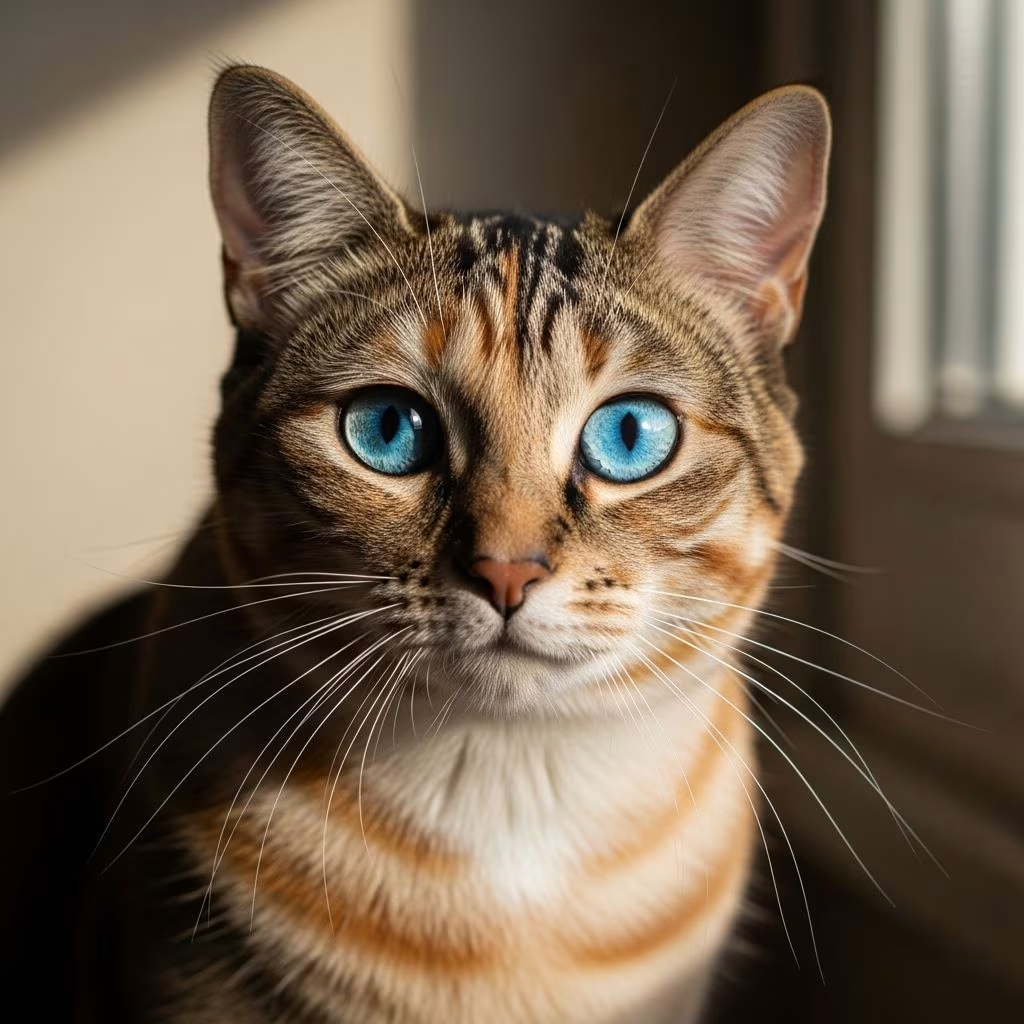
The Ojos Azules cat stands out as one of the most enigmatic and visually striking feline breeds, named after the Spanish phrase meaning “blue eyes.” Unlike typical blue-eyed cats tied to specific coat restrictions, these felines boast deep sapphire gazes paired with virtually any fur pattern, creating mesmerizing contrasts like black coats with piercing blue eyes.
Discovering the Origins of the Ojos Azules Breed
The story of the Ojos Azules begins in the late 1980s in New Mexico, USA, with a single domestic shorthair cat named Cornflower. This unassuming feline gave birth to kittens exhibiting an unprecedented trait: vivid blue eyes without the accompanying colorpoint patterns seen in breeds like the Siamese. Cornflower’s offspring, including one named Cucumber, passed on this dominant gene, sparking interest among cat fanciers.
By the early 1990s, dedicated breeders worked to establish the breed formally. The International Cat Association (TICA) provisionally recognized it in 1991 or 1992, appreciating its novelty. However, enthusiasm waned quickly due to emerging health risks associated with the blue-eye gene. Breeding programs were largely suspended, rendering the Ojos Azules possibly extinct in pure lines today, though a handful of enthusiasts persist with outcrosses to maintain genetic health.
Physical Characteristics That Define This Unique Breed
Ojos Azules cats possess a medium-sized, well-proportioned body that balances grace and sturdiness. They measure about 8 to 10 inches in height at the shoulder and weigh between 9 and 12 pounds, with neither an overly slender nor bulky frame.
- Head and Face: Triangular head shape with a gently rounded forehead, prominent cheekbones, and plump whisker pads. The muzzle is angular, and the nose features a subtle break.
- Eyes: The hallmark feature—large, round, and vividly blue, ranging from sky blue to deep sapphire. Some individuals display odd-eyed patterns, with one eye blue and the other gold, copper, green, or orange.
- Ears: Medium-sized, set high on the head, and tapered to rounded tips.
- Body and Legs: Arched neck, moderately stocky build, and hind legs slightly longer than the forelegs for agile movement. Paws are small and rounded.
- Tail: Medium-length, proportionate to the body, often with a distinctive flat tip or white spotting.
Coat varieties add to their allure: short, silky, and shiny with minimal undercoat, or occasionally longer textures. All colors and patterns are permissible except solid white, which blends too closely with other blue-eyed breeds. Common markings include white tail tips, paw spots, or facial patches, serving as genetic markers of the Ojos Azules trait.
The Genetics Behind Those Captivating Blue Eyes
The blue eye color in Ojos Azules stems from a lack of melanin in the iris, a dominant mutation unlike the recessive traits in most blue-eyed cats. This gene operates independently of coat color, allowing for extraordinary combinations impossible in other breeds, such as solid black or tabby fur with blue eyes.
However, the gene’s homozygous expression—when inherited from both parents—proves lethal or severely debilitating. Affected kittens suffer cranial deformities, excessive white fur, curled tails, and often perish in utero. To avert this, breeders outcross with non-blue-eyed cats, ensuring only heterozygous offspring. This practice limits population growth and contributes to the breed’s scarcity.
| Genetic Aspect | Description | Implications |
|---|---|---|
| Heterozygous (One Gene) | Healthy blue eyes, normal development | Safe for breeding with outcrosses |
| Homozygous (Two Genes) | Cranial issues, stillbirths | Breeding discontinued to prevent |
| Coat Independence | Blue eyes in any color | Unique visual diversity |
Temperament and Personality Traits
Though limited numbers mean scant data, available accounts paint Ojos Azules as affectionate, sociable companions. They form deep bonds with owners, enjoying cuddles and interactive play while retaining a playful curiosity. Active yet placid, they adapt well to indoor living and display standard feline smarts, mastering tricks like litter alternatives or puzzle feeders.
These cats often exhibit independence alongside friendliness, suiting various households. They relish attention but tolerate alone time better than clingier breeds. Water fascination is noted in early lines, with some enjoying baths or faucets.
Ideal Homes and Family Compatibility
- Families: Excellent for large or small groups, including those with children, due to their patient, gentle demeanor.
- Seniors: Low-maintenance yet engaging, providing companionship without high energy demands.
- Apartments: Moderate activity fits compact spaces; enrich with toys for mental stimulation.
Interactions with Other Pets
Early socialization fosters harmony with dogs, other cats, and small animals. Laid-back Ojos Azules typically avoid conflict, though individual wariness toward boisterous dogs may occur. Proper introductions ensure multi-pet success.
Caring for an Ojos Azules: Daily Needs and Health Watch
Lifespan averages 10-12 years with diligent care. Provide high-quality diet supporting their medium build, ample scratching posts, and climbing perches. Groom short coats weekly; longhairs need more brushing. Annual vet checks monitor for gene-related issues, though outcrosses mitigate most risks.
Potential concerns include rare visual impairments or sensitivities from low melanin, but no widespread deafness or squinting like in Siamese. Dental care and obesity prevention are standard.
Nutrition and Exercise Essentials
- Balanced wet/dry food for hydration and coat health.
- Interactive toys to channel intelligence and prevent boredom.
- Regular play sessions mimicking hunt to maintain fitness.
Finding and Adopting an Ojos Azules Kitten
Rarity makes acquisition challenging; TICA suspended registration, and purebreds are virtually nonexistent. Seek ethical breeders using outcrosses or consider rescues with blue-eyed mixes. Kittens demand socialization, costing premium prices if available—often thousands due to scarcity.
Puppy-like curiosity defines early weeks; prioritize homes with stimulation to curb mischief.
Fun and Surprising Facts About Ojos Azules
- Their white tail tips signal the gene’s presence across colors.
- Unlike Siamese, blue eyes cause no linked deafness or vision quirks.
- Early cats like Cornflower birthed the entire lineage from one mutation.
- Coats shine silkily, enhancing eye contrast dramatically.
Frequently Asked Questions (FAQs)
Are Ojos Azules cats extinct?
Not fully, but extremely rare; breeding is limited to avoid health issues.
Can Ojos Azules have long hair?
Yes, both short and long coats occur, all silky and low-shedding.
Do they make good lap cats?
Absolutely—affectionate snugglers who bond closely with families.
Why avoid breeding two blue-eyed Ojos Azules?
Homozygous genes cause fatal deformities in kittens.
What colors pair best with their eyes?
Any, but dark solids like black create the most striking effect.
References
- Ojos Azules Cat Breed: Info, Pictures, Temperament & More — Catster. 2023. https://www.catster.com/cat-breeds/ojos-azules/
- Ojos Azules Cats 101: Fun Facts & Myths — YouTube (Video Transcript). 2023. https://www.youtube.com/watch?v=yqCMV0qy7VU
- BLUE-EYED BREEDS – AMERICAN OJOS AZULES — Messybeast Cats. N/A (Authoritative feline genetics archive). http://messybeast.com/DBE-ojos-azules.htm
- All about Ojos Azules breed — Animalia.bio. 2024. https://animalia.bio/pets/ojos-azules
- Ojos Azules Cat Breed: Size, Appearance & Personality — Cats.com. 2023. https://cats.com/cat-breeds/ojos-azules



