

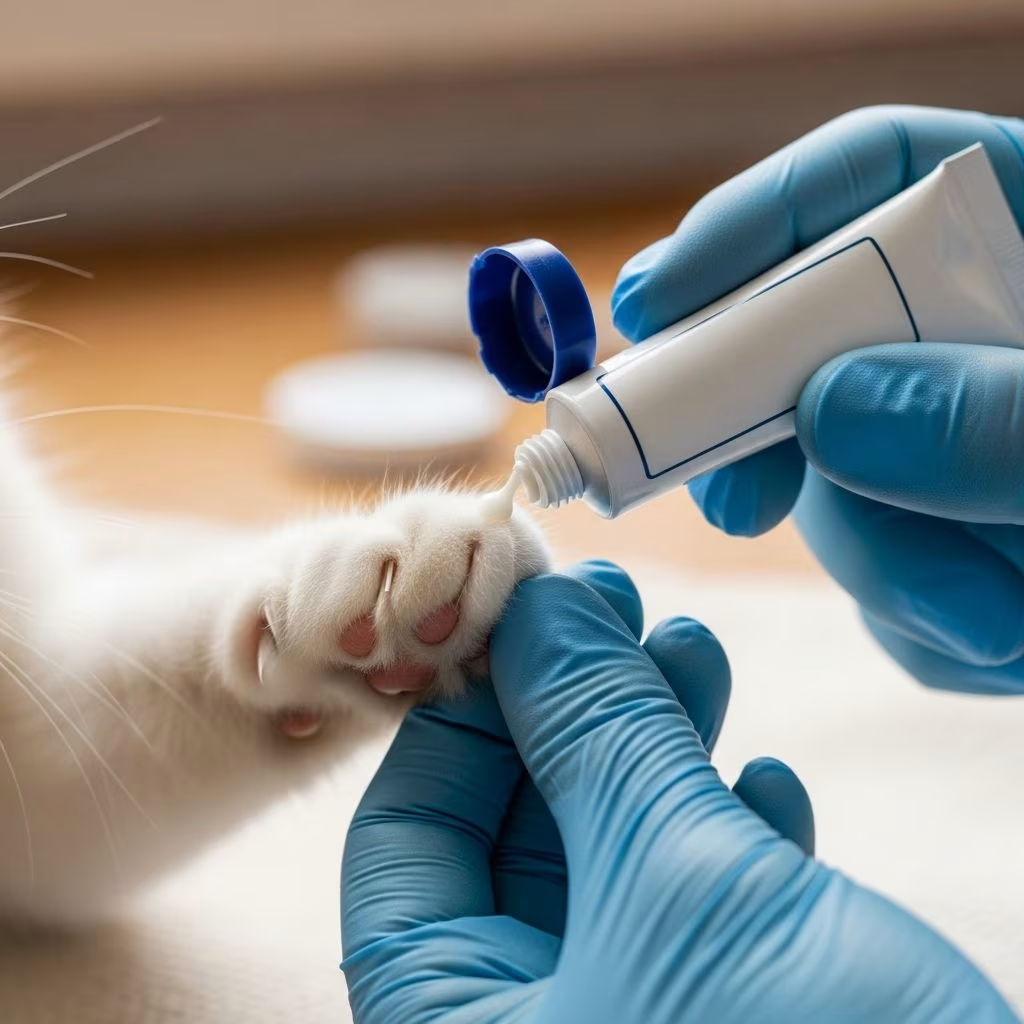
Cats are prone to wounds from fights, scratches, or accidents. Choosing the right ointment is crucial for preventing infection and promoting healing. This guide covers safe options, application methods, and veterinary advice.
Understanding Cat Wounds
Cat wounds often result from territorial fights, leading to puncture injuries that seal quickly but trap bacteria. Superficial scratches may seem minor but can deepen. Early intervention with appropriate ointments reduces complication risks like abscesses.
Signs of trouble include swelling, pus, foul odor, or lethargy. Minor wounds under 1 cm can often be managed at home with ointments, but deeper ones require veterinary closure or drainage.
Safe Antiseptics for Cleaning Cat Wounds
Before applying ointments, clean wounds properly. Use diluted chlorhexidine (0.05%, 1 part to 20 parts water) for broad-spectrum bacteria control without tissue damage. Povidone-iodine diluted to tea color offers strong antimicrobial action; gently wipe from center outward with soaked gauze.
Warm saline (1 tsp salt per 2 cups water) or tap water flushes debris effectively. Pat dry gently. Avoid pouring directly into wounds to prevent irritation.
What to Avoid When Cleaning
- Hydrogen peroxide: Damages healthy tissue and delays healing.
- Alcohol-based products: Cause pain and irritation.
- Undiluted antiseptics: Risk chemical burns.
- Tea tree oil or soaps: Toxic if ingested or delay healing.
Best Ointments for Cat Wounds
Topical antibiotics prevent bacterial growth. Silver sulfadiazine excels for burns and surfaces; mupirocin targets resistant strains; neomycin-polymyxin-bacitracin combos work for minor issues (vet-directed only). Medical-grade Manuka honey provides antimicrobial moisture balance for inflamed wounds.
Apply thin layers 2-3 times daily with clean swab or finger. Watch for allergies like rash or excess licking; stop and consult vet if seen. Human Neosporin may suit tiny wounds but confirm with vet—avoid pain-reliever versions as they’re toxic.
Prescription Options
For severe cases, vets prescribe:
- Silver sulfadiazine cream.
- Mupirocin ointment.
- Chlorhexidine gel.
Pain Management and Anti-Inflammatories
Pain hinders healing. Vet-prescribed meloxicam or robenacoxib (Onsior) suit short-term use; monitor for GI upset or lethargy. Corticosteroids address heavy inflammation but need bloodwork oversight, especially in seniors. No over-the-counter pain ointments—toxic to cats.
Wound Healing Accelerators
Boost recovery with:
- Medical-grade honey: Antimicrobial, moist healing environment.
- Collagen dressings: Scaffold new tissue.
- Vitamin E: Topical/oral for skin repair (vet-dosed).
- Omega-3 supplements: Reduce inflammation, aid regeneration.
How to Apply Ointments to Cats
Restrain gently: Wrap in towel, use helper, or distract with treats/Feliway spray. Clean paws first. Apply pre-feeding for cooperation. For face/eyes, use Elizabethan collar to block licking. Bandage layers if needed: non-stick dressing, absorbent padding, gauze support, self-adhering wrap. Change 1-2 times daily; vet may handle deep wounds.
Application Tips Table
| Step | Action | Tips |
|---|---|---|
| 1. Clean | Flush saline/chlorhexidine | Gentle circular motion, pat dry |
| 2. Trim | Clip fur border | 1-2 cm if possible, clean scissors |
| 3. Apply | Thin ointment layer | Cotton swab, 2-3x daily |
| 4. Protect | E-collar/bandage | Prevent licking, check circulation |
When to See a Vet
Seek immediate care for:
- Wounds >1 cm, deep, or bleeding heavily (direct pressure 5-10 min).
- Signs of infection: redness, heat, pus, fever >102.5°F.
- Limping, appetite loss, or behavioral changes.
- Puncture bites (high abscess risk).
Vets may suture, debride, prescribe antibiotics, or bandage under anesthesia. Home care suits superficial wounds only.
Building a Cat First Aid Kit
Stock essentials:
- Diluted chlorhexidine/povidone-iodine.
- Vet-approved antibiotic ointments.
- Sterile saline, gauze, non-stick pads.
- Blunt scissors, tweezers, gloves.
- Digital thermometer, E-collar.
- Syringe for meds, vet contacts.
Frequently Asked Questions (FAQs)
What ointment is safe for cat wounds?
Vet-approved like silver sulfadiazine, mupirocin, or Manuka honey. Avoid human products unless confirmed safe.
How often to clean and apply ointment?
Clean 2-3 times daily first few days; apply ointment similarly. Follow vet instructions.
Can I use Neosporin on my cat?
Basic version for minor wounds possibly, but consult vet first—no pain-reliever types.
Does hydrogen peroxide work on cat wounds?
No, it damages tissue and slows healing.
How to stop cat from licking wound?
Use E-collar, bandage, or bitter spray; distract during application.
Preventing Cat Wounds
Keep cats indoors or supervised outdoors. Neuter to curb fighting. Trim claws regularly. Promptly treat scratches. Annual vet checks catch skin issues early.
References
- Cat Wound Care: 5 Essential Medications for Pet Healing Success — The Pet Vet. 2023. https://thepetvet.com/cat-wound-care-2/
- Wound Care For Cats: How to Care For Your Cat During Recovery — PetMD. 2024-01-15. https://www.petmd.com/cat/general-health/wound-care-for-cats-how-to-help-your-cat
- Vet 2025 Guide: Wound Care for Cats — Ask A Vet. 2025. https://askavet.com/blogs/news/vet-2025-guide-wound-care-for-cats-healing-home-care-when-to-see-the-vet-%F0%9F%90%B1
- Care of Open Wounds in Cats — VCA Animal Hospitals. 2024. https://vcahospitals.com/know-your-pet/care-of-open-wounds-in-cats
- Applying Ointments, Creams, and Lotions on Cats — VCA Animal Hospitals. 2024. https://vcahospitals.com/know-your-pet/applying-ointments-creams-and-lotions-on-cats



