

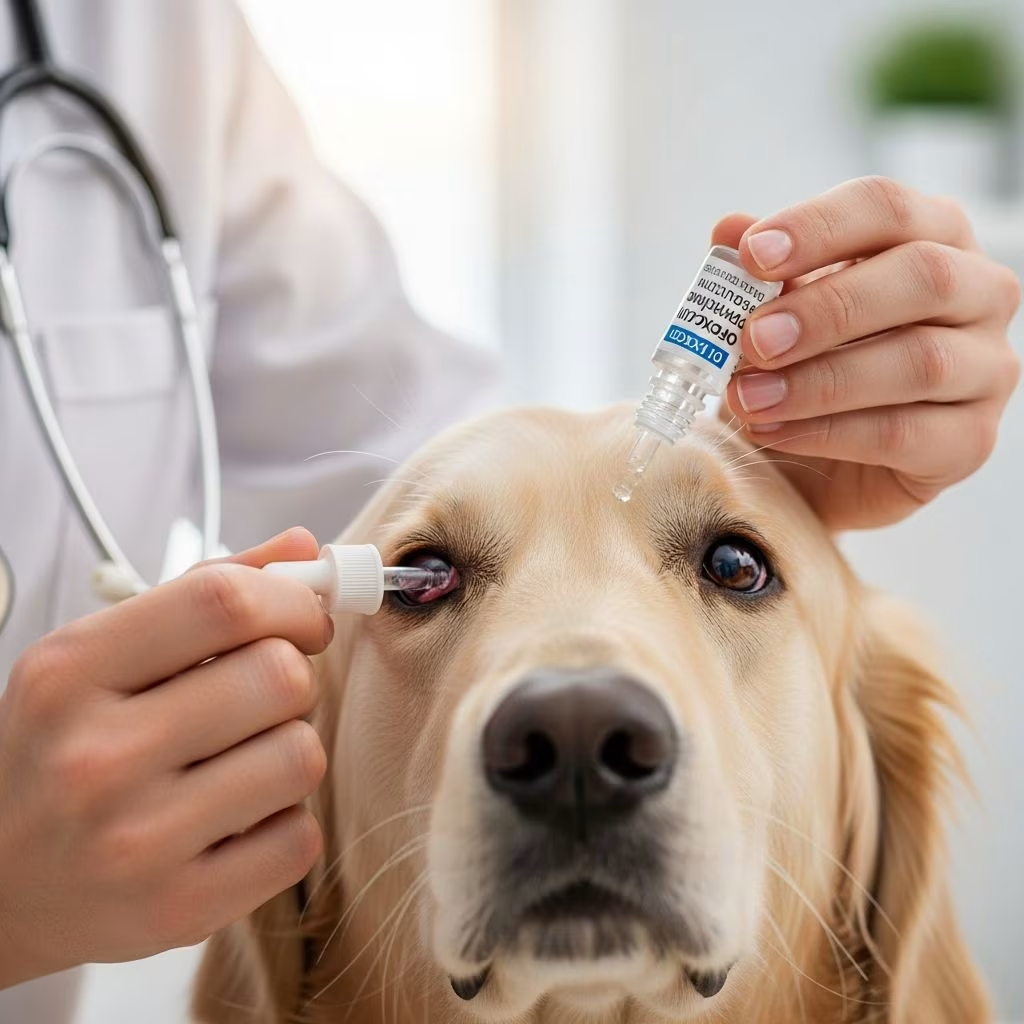
What is Ofloxacin Ophthalmic?
Ofloxacin ophthalmic is an antimicrobial medication used to treat certain types of bacterial eye infections in cats, dogs, and other species. This medication belongs to the fluoroquinolone class of antibiotics and works by targeting bacterial DNA to prevent reproduction and stop the spread of infection. It is available as a sterile ophthalmic solution containing 0.3% ofloxacin, which is applied directly to the affected eye.
While ofloxacin is not FDA-approved for all animal uses, its use in dogs, cats, and other species is considered “off-label” or “extra-label” in veterinary medicine. This is common practice, and many veterinarians prescribe this medication regularly for bacterial eye infections. When your veterinarian prescribes ofloxacin ophthalmic, it is important to follow their directions and cautions carefully to ensure the best outcomes for your pet.
Types of Bacterial Eye Infections Treated
Ofloxacin ophthalmic is effective against various bacterial eye infections, including bacterial conjunctivitis and keratitis caused by susceptible strains of bacteria. The bacteria that respond well to ofloxacin treatment include:
- Staphylococcus spp.
- Streptococcus spp.
- Pseudomonas aeruginosa
- Chlamydophila spp.
- Haemophilus spp.
Bacterial conjunctivitis causes inflammation of the conjunctiva (the clear membrane covering the white part of the eye), while keratitis involves inflammation of the cornea. Both conditions can cause significant discomfort, swelling, pain, itching, and light sensitivity in affected pets. Ofloxacin provides rapid relief from these symptoms while eliminating the underlying bacterial infection.
How Ofloxacin Ophthalmic Works
Ofloxacin is a second-generation fluoroquinolone antibiotic that functions at the genetic level to stop bacteria from multiplying. By interfering with bacterial DNA replication, ofloxacin prevents the infection from spreading and allows it to die quickly. This mechanism of action makes it particularly effective for topical eye application, as the medication can reach high concentrations directly at the site of infection.
The broad-spectrum nature of ofloxacin means it can target a wide range of bacteria, making it a reliable choice when the specific causative organism has not yet been identified. However, it is important to note that ofloxacin is effective only against bacterial infections and will not work against viral or fungal eye infections.
Administration and Dosage Guidelines
Proper administration technique is crucial for the effectiveness of ofloxacin ophthalmic and to prevent contamination. Follow these step-by-step instructions when administering the medication to your pet:
- Wash your hands: Before giving your pet this medication, wash your hands thoroughly with soap and water.
- Avoid contamination: Do not allow the dropper tip to touch your pet’s eye, eyelids, hands, or any other surface. This prevents contamination of the sterile solution.
- Apply the drops: Gently pull your pet’s lower eyelid down to create a pocket between the eyelid and the eyeball, then apply the prescribed number of drops into this pocket.
- Keep the cap sealed: Keep the cap on the bottle when not in use to maintain sterility.
- Space medications: If administering more than one eye medication to your pet, wait 5 to 10 minutes between each medication. Always give eye drops before eye ointments.
For dogs and cats, the typical dosage is one drop applied to the affected eye every 6 hours. A loading dose may be used initially, consisting of one drop applied to the affected eye every 15 minutes for four doses. Birds typically receive one drop every 12 hours, while reptiles receive one drop every 8 to 12 hours. Always follow your veterinarian’s specific instructions regarding dosage and frequency.
Continue giving this medication for the entire time prescribed by your veterinarian, even if it appears that your pet is feeling better. Stopping treatment early may allow the infection to return or worsen.
What to Expect During Treatment
When beginning ofloxacin ophthalmic treatment, you may notice certain changes in your pet’s eyes. These effects are generally harmless and part of the normal response to treatment.
Crystal Formation: Small crystals may appear on the surface of the treated eye or in the corner of the eye for a few days after starting ofloxacin. These crystals are completely harmless and do not indicate a problem. They should not cause concern and typically resolve on their own as treatment continues.
Other Possible Effects: Some pets may experience increased tear production, blurred vision, or sensitivity to bright lights during treatment. These effects are usually mild and temporary. If any of these symptoms persist or cause significant discomfort, inform your veterinarian.
This short-acting medication should stop working within 24 hours, meaning that if you miss a dose, the effects will wear off relatively quickly. If you miss a dose, give it when you remember, but if it is close to the time for the next dose, skip the missed dose and continue with the regular schedule. Never give your pet two doses at once or extra doses.
Potential Side Effects and Allergic Reactions
While ofloxacin ophthalmic is generally well-tolerated in most pets, some animals may experience side effects. Most side effects are minor and resolve as treatment continues.
Common Side Effects: Minor ocular irritation, redness, and hypersensitivity reactions may occur. These effects are typically mild and do not require discontinuation of treatment unless they become severe.
Rare but Serious Allergic Reactions: Although rare, allergic reactions can occur. Contact your veterinarian immediately if your pet experiences any of the following symptoms:
- Irregular or difficult breathing
- Rash on the skin
- Fever
- Puffiness and swelling around the face, lips, or throat
- Severe or worsening inflammation of the affected eye
It is important to note that drug sensitivities can develop over time with repeated exposure. Your pet may have no reaction after the first few doses but may develop a sensitivity later in the course of treatment. Watch carefully for signs of an allergic reaction throughout the entire treatment period.
If you notice anything unusual or any other side effects that concern you, contact your veterinarian immediately.
Risk Factors and Precautions
Contraindications: Ofloxacin ophthalmic should be avoided in animals with known allergies or hypersensitivity to any component of the medication or to fluoroquinolone antibiotics in general. If your pet has a known fluoroquinolone allergy, inform your veterinarian before treatment begins.
Lactating Animals: Caution should be used when giving this medication to lactating animals, as ofloxacin distributes into milk. Discuss this concern with your veterinarian if your pet is nursing.
Superinfection Risk: Prolonged or repeated use of antibiotics may result in superinfection by resistant organisms. This is why it is essential to use ofloxacin only when prescribed and to complete the full course of treatment as directed, not longer.
Solution Integrity: Do not use the solution if it changes color, becomes cloudy, or if you see particles in it. These signs indicate that the medication may be contaminated or degraded and should not be applied to your pet’s eye.
Preventive Use: Ofloxacin should not be used as a preventive medication to avoid eye infections. It should only be used to treat active bacterial infections.
Drug Interactions
No known drug interactions have been reported for ofloxacin ophthalmic. However, it is crucial to inform your veterinarian about any other medications your pet is taking, including vitamins, supplements, or herbal therapies, before starting treatment with ofloxacin. Your veterinarian can assess whether any interactions are possible and adjust treatment plans accordingly.
When using multiple eye medications simultaneously, maintain a 5 to 10-minute interval between applications to ensure each medication works effectively and to prevent dilution or chemical reactions between products.
When to Contact Your Veterinarian
While ofloxacin ophthalmic is generally a safe and effective treatment, certain situations warrant immediate veterinary attention. Contact your veterinarian if:
- Your pet’s condition does not improve or worsens within 2 to 3 days of starting treatment
- Your pet’s condition does not improve within one week of starting treatment
- Your pet shows signs of an allergic reaction
- You notice severe or worsening inflammation of the affected eye
- Your pet experiences any unusual behavioral or physiological changes while using the medication
- The solution changes appearance or develops particles
- You have concerns about the medication or your pet’s response to treatment
Storage and Handling
Proper storage ensures that ofloxacin ophthalmic remains effective and safe for your pet. Store the medication at room temperature away from direct sunlight and heat. Keep the bottle tightly sealed when not in use to maintain sterility and prevent contamination. Do not use the medication if it has been stored improperly or if the expiration date has passed.
This medication is for topical ophthalmic use only. Do not allow your pet to ingest ofloxacin, and do not use the medication for any purpose other than treating the eyes as directed by your veterinarian.
Important Reminders for Pet Owners
Following these guidelines will help ensure successful treatment of your pet’s bacterial eye infection with ofloxacin ophthalmic. Always use the exact medication prescribed by your veterinarian, follow all instructions carefully, and complete the full course of treatment even if your pet appears to feel better. Do not share this medication with other pets or use it for conditions other than those prescribed.
If you have any questions or concerns about ofloxacin ophthalmic or your pet’s treatment, do not hesitate to contact your veterinarian. They are the best resource for guidance specific to your pet’s situation and medical history.
Frequently Asked Questions
Q: Can ofloxacin ophthalmic be used for all types of eye infections?
A: No. Ofloxacin is effective only against bacterial eye infections. It will not work for viral or fungal infections. Your veterinarian must confirm that your pet has a bacterial infection before prescribing this medication.
Q: What should I do if I forget to give a dose?
A: If you miss a dose, give it when you remember. However, if it is close to the time for the next scheduled dose, skip the missed dose and continue with the regular dosing schedule. Never double-dose your pet.
Q: Are the crystals that form in my pet’s eye dangerous?
A: No, the crystals that may appear in your pet’s eye are completely harmless and are a normal response to the medication. They typically resolve without treatment as therapy continues.
Q: How long does it take for ofloxacin to work?
A: Ofloxacin ophthalmic is a short-acting medication that should stop working within 24 hours. However, improvement in your pet’s symptoms may be noticeable within a few days of starting treatment. Always complete the full prescribed course for best results.
Q: Can I use other eye medications while giving my pet ofloxacin?
A: If your pet requires multiple eye medications, you can use them together, but you must wait 5 to 10 minutes between applications. Always apply eye drops before eye ointments. Do not mix medications in the same dropper or application.
Q: Is ofloxacin ophthalmic safe for all animals?
A: Ofloxacin ophthalmic is used in dogs, cats, birds, reptiles, and horses. However, it should not be used in animals with known allergies to fluoroquinolone antibiotics. Always inform your veterinarian about your pet’s medical history and any known allergies.
References
- Ofloxacin Ophthalmic for Dogs and Cats — VCA Animal Hospitals. 2024. https://vcahospitals.com/know-your-pet/ofloxacin-ophthalmic
- Fluoroquinolone Antibiotics in Veterinary Ophthalmology — Journal of Veterinary Pharmacology and Therapeutics. 2023. https://doi.org/10.1111/jvp.12944
- Bacterial Conjunctivitis and Keratitis in Small Animals — Merck Veterinary Manual. 2024. https://www.merckvetmanual.com/eye-disorders-and-treatment/conjunctivitis-and-episcleritis/bacterial-conjunctivitis
- Topical Antimicrobial Therapy in Veterinary Ophthalmology — American Animal Hospital Association. 2023. https://www.aaha.org/publications/aaha-guidelines
- Ocular Drug Delivery and Administration in Companion Animals — Veterinary Clinics of North America: Small Animal Practice. 2023. https://doi.org/10.1016/j.cvsm.2023.03.001



