

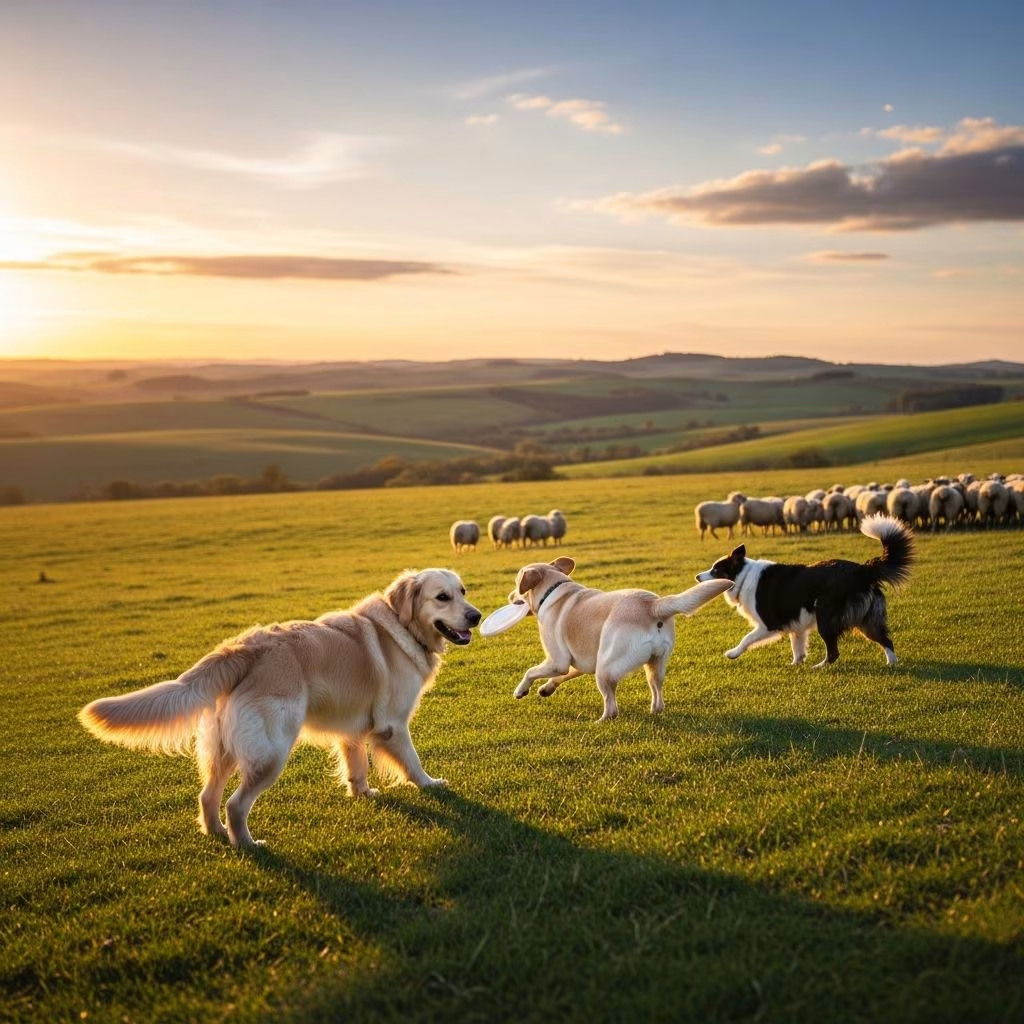
Training a dog to thrive off-leash transforms everyday outings into joyful, stress-free experiences. This guide outlines a step-by-step approach grounded in positive reinforcement, focusing on building unbreakable habits for safety and reliability.
Essential Prerequisites Before Going Off-Leash
Success in off-leash scenarios hinges on foundational skills mastered first. Your dog must demonstrate proficiency in basic obedience amid distractions to minimize risks like chasing wildlife or ignoring traffic.
- Sit and Stay: Commands that halt movement and maintain position, even with mild temptations.
- Recall (Come): Immediate return to your side on cue, practiced across increasing distractions.
- Leave It/Drop It: Ignoring or releasing hazardous items like food scraps or toxic substances.
- Emergency Stop: A sharp cue to freeze in place during high-risk moments.
Assess readiness by testing these in controlled settings. If your dog falters 20% or more of the time, revisit basics with daily 10-minute sessions using high-value rewards.
Building the Check-In Habit: Radius Awareness
Radius training conditions dogs to self-monitor proximity without constant cues, fostering independence while prioritizing you as the reward source. Begin indoors to eliminate external variables.
- Move casually around a quiet room, leash-free.
- Watch for voluntary attention: ear flicks, glances, or approaches.
- Mark instantly with “Yes!” or a clicker, followed by a jackpot treat at your feet.
- Release with “All done” to resume exploration.
Repeat until check-ins occur every 1-2 minutes. Progress to a 15-20 foot long line in a yard, allowing drag for safety. Reward directional shifts noticed by your dog, gradually spacing rewards to intermittent reinforcement for lasting behavior.
Long-Line Drills: Bridging Controlled and Free
A 20-50 foot lightweight long line provides freedom with a safety net, ideal for open spaces before full release. Attach to a harness to avoid neck strain.
| Training Phase | Leash Length | Focus | Distractions |
|---|---|---|---|
| Beginner | 10-15 ft | Check-ins & basic recall | None/low (toys) |
| Intermediate | 20-30 ft | Directional changes | Mild (people walking by) |
| Advanced | 30-50 ft (dragging) | Full recall with temptations | High (other dogs, food) |
During walks, follow your dog’s lead with slack leash, rewarding self-initiated returns. Abruptly change direction 5-10 times per session; mark and treat awareness. This builds a “handler awareness” reflex essential for off-leash success.
Mastering Recall: The Lifeline Command
Reliable recall prevents disasters. Use an upbeat tone, never for punishment, and pair with 100% rewards initially.
- Indoors Start: Call from 5 feet, reward heavily.
- Leash Progression: Practice in fenced areas, reeling in gently if ignored.
- Distraction Layers: Add squeaky toys, then joggers, rewarding 10x normal value.
Incorporate hand signals or whistles for noisy environments. Aim for 95% success before advancing; patience yields perfection.
Boundary Respect and Impulse Control
Off-leash dogs need invisible fences in their minds. Teach boundaries using visual markers like cones for roads or “no-go” zones.
Commands like “Wait” at curbs pair with stays. Practice “Place” to a mat or bed from distance, reinforcing selective engagement—ignore squirrels unless cued “OK.” Physical prep matters: trim nails and groom for comfort during dynamic sessions.
Graduated Exposure: From Yard to Wilderness
Transition methodically to build confidence.
- Secure Enclosure: Fenced yard, 5-10 minute off-leash sessions with family distractions.
- Low-Risk Parks: Early mornings, long line until flawless.
- High-Distraction Tests: Dog parks or trails, intervening only if needed.
- Urban Challenges: Sidewalks with traffic sounds, rewarding hyper-focus.
Monitor body language: stiff posture signals stress—backtrack levels. Local leash laws are non-negotiable; verify via municipal sites.
Positive Reinforcement: The Reward Arsenal
High-motivation tools cement learning. Rotate to prevent boredom:
- Treats: Liver bits, cheese (pea-sized).
- Toys: Tug ropes for fetch addicts.
- Praise: Enthusiastic, personalized (“Great job, champ!”)
- Life Rewards: Permission to sniff or chase (on cue).
Avoid low-value kibble outdoors. Jackpot (multiple treats) for stellar responses in tough spots.
Common Pitfalls and Fixes
Steer clear of these errors:
- Calling for Negatives: Never recall to end fun; use “Come play!” instead.
- Inconsistent Rewards: Randomize post-mastery, not prematurely.
- Rushing Phases: Minimum 2 weeks per level.
- Ignoring Fitness: Build stamina with short bursts to avoid fatigue errors.
If regression occurs, revert to long line without frustration—dogs sense doubt.
Choosing the Right Dog for Off-Leash
Not all breeds excel equally. Herding types like Border Collies often self-regulate, while hounds may prioritize scents. Age, energy, and prey drive factor in—puppies under 6 months lack impulse control. Consult vets for health checks pre-training.
Legal and Safety Imperatives
Off-leash privileges demand responsibility. Scout areas: avoid unfenced playgrounds. Carry waste bags, ID tags, and microchip info. In emergencies, a backup whistle pierces chaos.
Advanced Techniques for Reliability
Once basics shine, layer complexities:
- Whistle Recall: Ultrasonic for range.
- Group Practice: With calm dogs to mimic packs.
- Real-Life Simulations: Bike jogs or picnics with food temps.
Track progress in a journal: success rates, distraction types. Professional classes accelerate via structured distractions.
Frequently Asked Questions (FAQs)
Can any dog learn off-leash reliability?
Yes, with time and consistency, though high-prey-drive breeds require extra effort.
How long does training take?
4-12 weeks for basics, 3-6 months for advanced, varying by dog and commitment.
What if my dog ignores recall?
Don’t repeat; approach casually, leash up, and train in lower-distraction spots.
Is a retractable leash safe for training?
No—opt for fixed long lines to prevent tangles and maintain control.
Should I use e-collars?
Only under certified trainer guidance after positive methods fail; prioritize force-free first.
References
- Off-Leash Training for Dogs — VCA Animal Hospitals. Accessed 2026. https://vcahospitals.com/know-your-pet/off-leash-training-for-dogs
- The Complete Guide To Off Leash Dog Training — Tractive. Accessed 2026. https://tractive.com/blog/en/training-en/the-complete-guide-to-off-leash-dog-training
- Master Off-Leash Dog Training | Paw Oasis Pet Resort & Spa — Paw Oasis Pet Resort. Accessed 2026. https://pawoasispetresort.com/mastering-off-leash-dog-training-a-beginners-guide/
- The Five Senses of Off-Leash Dog Training — Thriving Canine. Accessed 2026. https://www.thrivingcanine.com/blog/five-senses-leash-dog-training/
(Word count: 1672)



