

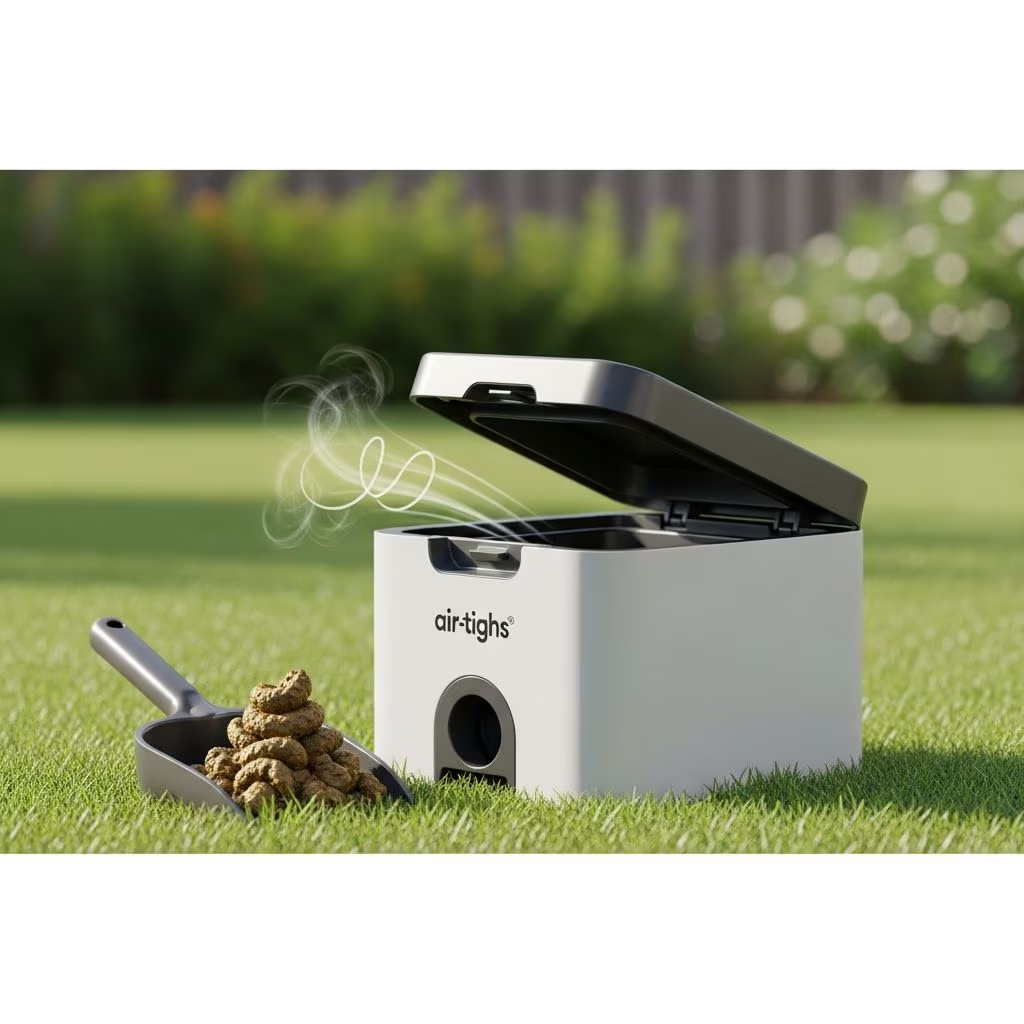
Dog owners face the daily challenge of managing pet waste hygienically and without unpleasant odors. Proper disposal not only keeps living spaces clean but also protects the environment and public health. This comprehensive guide outlines innovative, practical methods to handle dog poop effectively, minimizing smells while considering factors like cost, effort, and sustainability.
Why Odor Control Matters in Pet Waste Management
Dog feces contain bacteria, parasites, and nutrients that can attract pests and release strong odors if not handled promptly. In urban yards or apartments, smells can quickly become a neighbor nuisance. Effective disposal prevents pathogen spread, reduces fly infestations, and maintains property value. Studies show unmanaged pet waste contributes to water contamination, emphasizing the need for responsible practices.
Key benefits of odorless methods include improved air quality, reduced maintenance time, and eco-conscious choices that align with modern pet ownership trends.
Essential Tools for Mess-Free Collection
Before disposal, efficient collection tools make the process quicker and cleaner. Long-handled scoops prevent direct contact, while durable materials resist wear.
- Claw-style scoopers: Ideal for grass, these grab waste in one motion without bending.
- Rake-style tools: Best for larger areas, they gather multiple piles efficiently.
- Spade scoops: Perfect for hard surfaces like patios or driveways.
Investing in rust-resistant metal or high-grade plastic ensures longevity. Pair with glove use for ultimate hygiene.
Bag-Based Solutions: Balancing Convenience and Ecology
Traditional plastic bags dominate due to affordability, but they trap odors and linger in landfills. Upgrading to advanced options eliminates smells at the source.
| Method | Odor Control | Eco-Rating | Cost |
|---|---|---|---|
| Standard Plastic Bags | Medium (seals odor temporarily) | Low | Low |
| Biodegradable Bags | High (with odor-lock tech) | Medium | Medium |
| Compostable Bags | High | High | Medium-High |
Biodegradable bags break down faster than plastic, often infused with baking soda or charcoal for instant neutralization. Store sealed bags in outdoor bins away from living areas to prevent any residual scents.
Flushing: A Plumbing-Safe Option?
For households with modern plumbing, flushable bags offer a discreet method. Made from polyvinyl alcohol, these dissolve in water, carrying waste directly to treatment facilities. However, use only certified products to avoid clogs—cold water slows dissolution, so flush promptly.
Pros include no bagged trash and immediate odor elimination. Cons: Not suitable for all septic systems; check local regulations. Test a small batch first to confirm compatibility.
In-Ground Systems: Permanent Yard Solutions
Digesters, or doggy septic tanks, provide hands-off disposal for yard waste. Dig a 4-foot hole, install the unit, and add waste with water and enzymes periodically. Bacteria break down solids, filtering liquids into soil harmlessly.
Popular models like Doggie Dooley require minimal upkeep: enzyme tablets every few days keep processes odor-free. Ideal for suburban homes with suitable soil—avoid clay-heavy or high-water-table areas.
- Installation time: 1-2 hours
- Capacity: Handles 1-2 large dogs
- Maintenance: Low, with enzyme refills
These systems score high on convenience, producing no trash or smells when maintained properly.
Composting: Turning Waste into Garden Gold
Proper composting transforms dog poop into nutrient-rich soil amendment for non-edible plants. Unlike human waste, canine feces can be processed safely with heat and carbon balance.
Step-by-Step Composting Process:
- Select a dedicated bin away from veggies or water sources.
- Mix 2 parts waste with 1 part carbon material (sawdust, leaves) to absorb moisture and odors.
- Monitor temperature (aim for 140°F+) using a thermometer for pathogen kill-off.
- Turn weekly for aeration; add lime if smells develop.
- Harvest after 6-12 months for flower beds.
Challenges include odor risk without balance—overly wet piles stink. Use pet-safe accelerators for faster breakdown. Not for edible gardens due to parasite concerns.
Wormeries: Nature’s Odor-Eating Recyclers
Vermicomposting employs worms to devour waste silently. Special composting worms process poop in bins, producing odorless castings usable as fertilizer.
Setup involves a shaded bin with bedding, worms, and gradual waste introduction. Worms thrive at moderate temps, neutralizing smells through digestion. Eco-rating excels as it generates zero waste.
Suitable for small spaces; start with 1 lb worms per dog. Harvest castings monthly for plants.
Advanced Tech: Biogas and Vacuums
Biogas digesters capture methane from waste, converting it to cooking fuel—a futuristic yet proven farm tech adapting to pets. Early models for homes are emerging.
Vacuum systems suit large properties, sucking waste into sealed canisters for bagless disposal. Battery-powered portability makes them versatile, though pricier.
Tailored Strategies by Living Situation
Apartment Dwellers
Opt for flushable bags or small countertop composters. Double-bag for transport to public bins, using deodorizing sprays.
Suburban Yards
Digesters or composting shine here. Pair with scoopers for daily routines; pro services handle overflow.
Rural Properties
Large-scale wormeries or biogas suit multi-dog setups. Burying works short-term but risks groundwater.
Professional Services: Effortless Cleanups
Pet waste removal companies visit weekly, using specialized tools for thorough, odor-free collection. They compost or landfill responsibly, saving time for busy owners. Costs average $15-25 per visit, scaling with yard size.
Odor Neutralizers and Prevention Tips
Enhance any method with enzyme sprays that break down residues. Yard treatments like lime or beneficial bacteria prevent smells post-cleanup.
- Scoop daily to avoid buildup.
- Train dogs to specific potty areas.
- Use pet-safe diets to reduce waste volume and odor.
Frequently Asked Questions
Can I flush dog poop directly without bags?
Only in small amounts for septic-safe systems; bags are safer for standard plumbing.
Is composting dog waste safe for my family?
Yes, if hot-composted and kept from edibles; pathogens die at high temps.
How do I choose the best poop bags?
Prioritize oxo-biodegradable with odor control; test for leaks.
Do digesters work in cold climates?
Enzymes slow but function; insulate for best results.
What’s the greenest disposal method?
Wormeries or biogas produce usable outputs with no landfill impact.
Conclusion: Sustainable Choices for Responsible Owners
Selecting the right odorless disposal method depends on space, budget, and values. From simple bags to high-tech digesters, options abound for clean, scent-free pet parenting. Start small, monitor effectiveness, and adjust for optimal results.
References
- The 7 Best Dog Poop Disposal Options (+ eco-friendly rating) — Our Pets Health. 2019-01-10. https://ourpetshealth.com/info/how-to-dispose-of-dog-poop
- 7 Best Eco-Friendly Dog Poop Disposal Methods — Scoop Rangers. N/A. https://scooprangers.ca/best-eco-friendly-dog-poop-disposal-methods/
- Pet Waste Removal Tools and Techniques You Should Know — Bombs Away. N/A. https://www.getbombsaway.com/pet-waste-removal-tools-and-techniques-you-should-know/
- What to Do With Dog Poop | Disposal Methods — Poo Squad. N/A. https://www.poosquad.com/what-to-do-with-dog-poop/
- The Ultimutt Guide to Zero Waste Dog Poop Disposal — WagWalking. N/A. https://wagwalking.com/wellness/the-ultimutt-guide-to-zero-waste-dog-poop-disposal



