
Ocular Local Anesthetics in Veterinary Practice
Comprehensive guide to using local anesthetics for eye procedures in dogs, cats, and other animals to ensure pain-free diagnostics and surgeries.
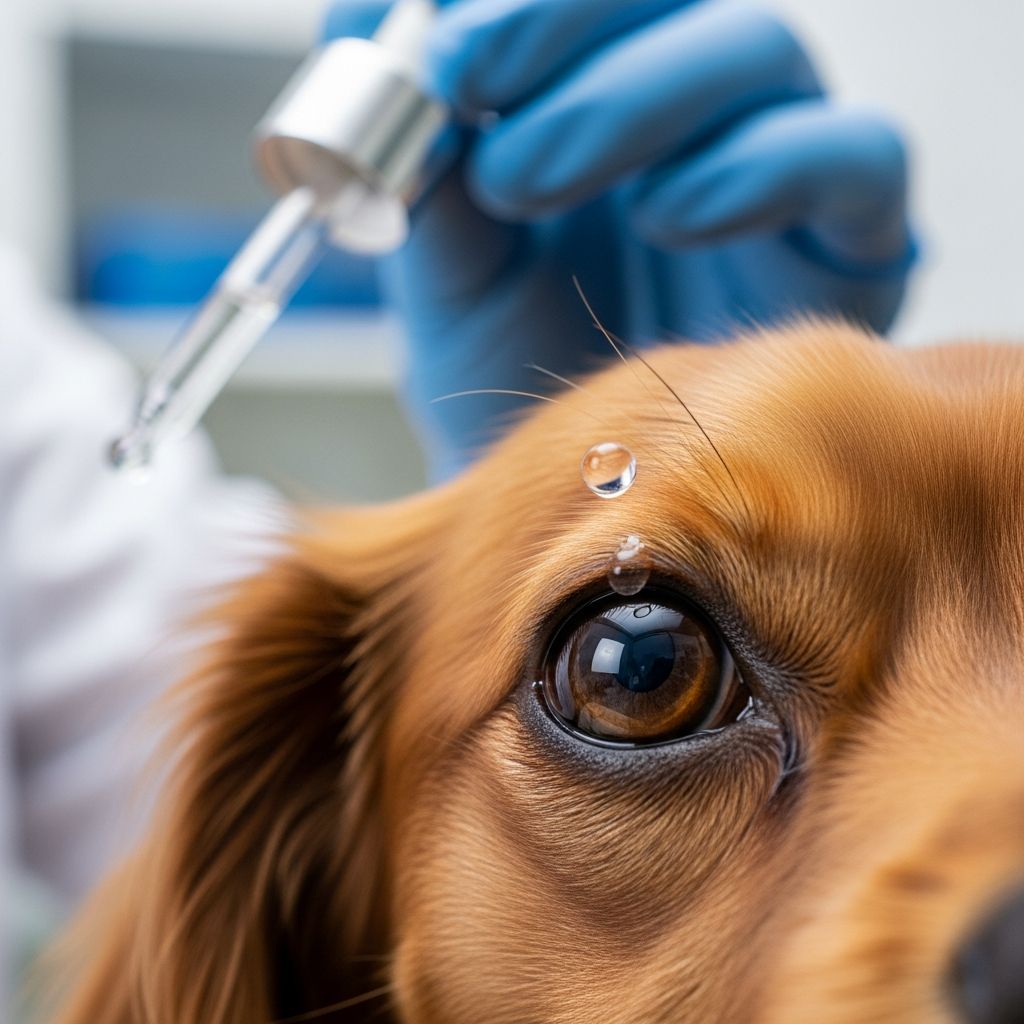
Local anesthetics play a crucial role in veterinary ophthalmology by providing targeted pain relief during diagnostic tests, minor procedures, and surgeries on the eye and surrounding tissues. These agents numb specific areas, reducing the need for general anesthesia and improving patient comfort and recovery times in dogs, cats, and other species.
Importance of Anesthesia in Eye Care for Animals
The eye and its adnexa feature dense sensory innervation, making even routine examinations potentially painful. Applying local anesthetics facilitates procedures like tonometry, corneal sampling, and surgical interventions without causing distress. In clinical settings, these drugs minimize systemic analgesic requirements and enhance surgical precision.
Benefits extend to postoperative care, where blocks can lower pain scores and speed recovery, particularly after enucleations or orbital surgeries. Veterinary professionals increasingly integrate these techniques into multimodal pain management strategies.
Common Types of Local Anesthetics for Ocular Use
Several agents are standard in veterinary practice, each with unique onset times, durations, and applications. Topical forms are preferred for surface procedures, while injectables suit deeper blocks.
- Proparacaine (0.5%): Achieves corneal anesthesia in dogs within 1 minute, lasting up to 45 minutes (peak at 15 minutes); in cats, duration is about 25 minutes (peak at 5 minutes). Two drops spaced 10 minutes apart extend effects in dogs.
- Tetracaine: A potent topical option used pre-diagnostics and surgeries in cats and dogs. Instilled as drops directly into the eye after hand washing to avoid contamination.
- Lidocaine (2%): Versatile for topical, infiltration, or nerve blocks; maximum canine dose considerations apply for small patients under 5 kg.
- Bupivacaine: Longer-acting injectable, often combined with lidocaine for retrobulbar use; dosing at 1-2 mg/kg.
| Anesthetic | Onset in Dogs | Duration in Dogs | Onset in Cats | Duration in Cats |
|---|---|---|---|---|
| Proparacaine 0.5% | 1 min | 45 min | 1 min | 25 min |
| Tetracaine | Minutes | Variable | Minutes | Variable |
| Lidocaine 2% | Rapid | 1-2 hrs | Rapid | 1-2 hrs |
| Bupivacaine | Slower | 4-8 hrs | Slower | 4-8 hrs |
This table summarizes approximate timings based on veterinary studies; actual effects vary by dose and species.
Topical Application Techniques and Protocols
Topical anesthetics are administered as drops. Clean hands and avoid dropper contact with the eye or surfaces to prevent contamination. For multiple medications, space drops 5-10 minutes apart, applying liquids before ointments. Effects begin within minutes.
In dogs, proparacaine supports tonometry, cytology collection, and debridement. Tetracaine similarly aids diagnostics. Always complete the prescribed course, even if symptoms improve, to ensure full efficacy.
Injectable Methods for Periocular and Intraocular Anesthesia
Injectables target deeper structures via infiltration, nerve blocks, or retrobulbar/peribulbar approaches.
Eyelid and Periocular Blocks
For eyelid procedures, use 1-2 mL per eyelid as a splash block at the incision or line block along margins. Lidocaine suits small volumes without systemic toxicity risks in most patients.
Infraorbital Nerve Block
Locate the foramen midway between the medial canthus and canine tooth base in dogs. Insert a 23-25G needle no deeper than the 4th premolar width; use digital pressure in cats and brachycephalics to avoid ocular trauma. Aspirate first to prevent intravascular injection.
Complications include hemorrhage, neuropraxia, or globe proptosis in short-nosed breeds.
Retrobulbar and Peribulbar Injections
These provide profound analgesia for enucleations and orbital surgeries. In dogs, 2 mL total (1 mL per orbit) of lidocaine/bupivacaine mix diffuses intraconal without raising intraocular pressure (IOP). Inferior temporal approaches minimize risks.
Volumes over 2 mL may be needed based on skull type; cadaver studies validate supero-temporal and peribulbar methods.
Effects on Intraocular Pressure and Safety Considerations
Topical agents like tetracaine and proparacaine significantly alter IOP, measured via rebound tonometer pre- and post-instillation (0-35 minutes). Bupivacaine and lidocaine show less impact; account for changes in diagnostics.
Contraindications: Infection at injection sites, hypersensitivity (rare), or epinephrine-containing solutions in poor-circulation areas. Small patients (<5 kg) require dose caution.
Species-Specific Guidelines
- Dogs: Standard for most techniques; prefer intraconal retrobulbar for surgery adjunct.
- Cats: Shorter durations; avoid deep infraorbital advances due to anatomy.
- Other Species: Adapt volumes; lidocaine 2% common for bovine ocular/foot procedures, though less detailed for eyes.
Potential Complications and Risk Mitigation
Key risks: Intravascular injection (aspirate always), nerve damage (avoid resistance), ocular trauma (technique precision), and IOP spikes. Monitor postoperatively; combine with systemic analgesics.
Controlled trials are limited, lacking robust comparisons or adverse event data.
Integrating Anesthesia into Multimodal Protocols
Use with sedation for comprehensive care. Retrobulbar blocks reduce general anesthetic needs, improving outcomes in routine surgeries.
Frequently Asked Questions (FAQs)
What is the fastest-acting topical anesthetic for dog eyes?
Proparacaine 0.5% numbs corneas in 1 minute.
Can tetracaine be used in cats?
Yes, as drops for diagnostics and adjunct surgery.
How much anesthetic for retrobulbar in dogs?
2 mL total (1 mL/orbit) suffices without IOP rise.
Does proparacaine affect IOP measurements?
Yes, significantly; time readings accordingly.
Are there contraindications for eye blocks?
Infection, allergy, or poor circulation sites.
References
- A review of ophthalmic local and regional anesthesia in dogs and cats — PubMed. 2018-12-05. https://pubmed.ncbi.nlm.nih.gov/30503700/
- Effect of four local anesthetics (tetracaine, proparacaine, lidocaine …) on IOP — PubMed. 2018-06-25. https://pubmed.ncbi.nlm.nih.gov/29934932/
- CUVS Ocular Anesthesia — Cornell University Veterinary Specialists. Undated PDF (recent veterinary lit review). https://www.cuvs.org/sites/default/files/inline-files/1-3%20Eaton%20-%20Pain%20in%20the%20Eye.pdf
- Tetracaine Ophthalmic – VCA Animal Hospitals — VCA Hospitals (.edu affiliate). Undated (ongoing). https://vcahospitals.com/know-your-pet/tetracaine-ophthalmic
- Small Animal Local and Regional Anesthesia — University of Illinois Vet Med. 2016-09. https://vetmed.illinois.edu/wp-content/uploads/2016/09/75.-Keating-Local-and-Regional-Anesthesia-in-Small-Animals.pdf
Similar Articles








Read full bio of medha deb


