

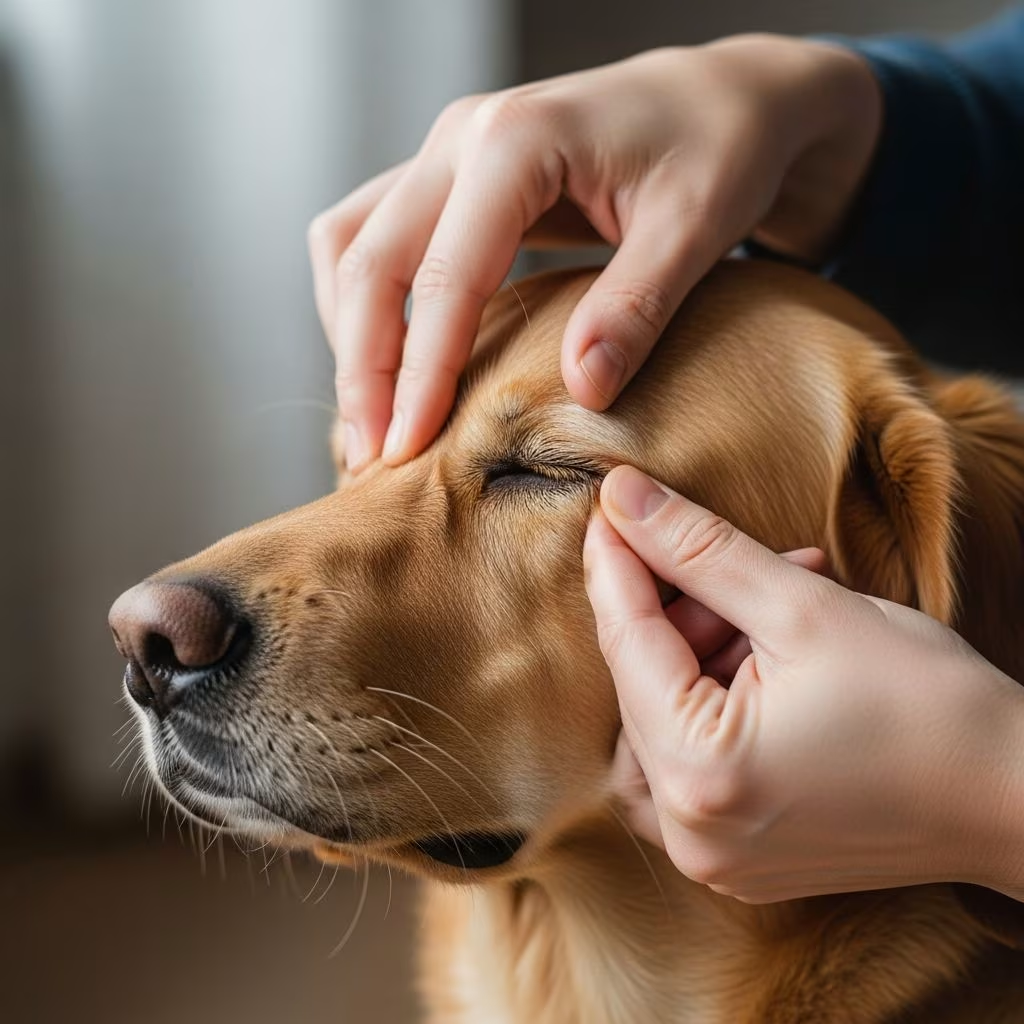
Seizures in dogs, often linked to epilepsy, can be frightening for pet owners. Ocular compression offers a non-drug approach by applying gentle pressure to the eyes, potentially interrupting seizure activity through vagus nerve activation.
Understanding Canine Seizures and Epilepsy
Canine idiopathic epilepsy is a prevalent neurological condition characterized by recurrent, unprovoked seizures. These episodes result from sudden bursts of abnormal electrical activity in the brain, leading to symptoms like convulsions, drooling, loss of consciousness, or paddling limbs. While the exact cause remains unknown in many cases, genetic factors play a role in breeds such as Labrador Retrievers, German Shepherds, and Border Collies.
Seizures typically unfold in phases: the pre-ictal (aura) stage with behavioral changes like anxiety or pacing; the ictal phase of active convulsions lasting 1-3 minutes; and the post-ictal recovery period involving confusion or lethargy. Cluster seizures or status epilepticus (prolonged seizures) demand urgent intervention to prevent brain damage.
The Science Behind Ocular Compression
Ocular compression involves digital pressure on closed eyelids to stimulate trigeminal nerve endings around the eyes. These signals travel to the brainstem, activating the vagus nerve—a key regulator of parasympathetic responses. This stimulation can slow heart rate, promote muscle relaxation, and exert an inhibitory effect on seizure-generating brain regions.
A pivotal 1999 study examined this technique in seven dogs. Pressure was applied by veterinarians, staff, or owners. Results showed seizure abortion in three dogs, heart rate reduction and relaxation in one, and prevention of onset in two. One dog experienced rhythmic facial twitches, highlighting potential variability. Subsequent reports affirm its role in vagal nerve stimulation without invasive procedures.
Benefits of This Technique for Dog Owners
- Non-Invasive and Cost-Free: Requires no equipment or medications, making it accessible during emergencies.
- Quick Application: Can be performed at home, potentially shortening seizure duration or preventing clusters.
- Complements Medications: Enhances rectal diazepam or other anticonvulsants in treatment plans.
- Empowers Owners: Builds confidence in managing episodes, reducing reliance on immediate vet visits.
Step-by-Step Guide to Performing Ocular Compression
Practice this on your calm dog first to familiarize both of you. Always prioritize safety.
- Ensure Safety: Move your dog to a padded, hazard-free area. Dim lights and reduce noise.
- Position Yourself: Kneel beside your dog, placing hands gently on either side of the head.
- Locate Closed Eyelids: Use thumbs or fingertips on the upper eyelids; eyes should remain closed naturally during seizures.
- Apply Pressure: Press firmly but gently inward and downward toward the eye socket for 10-60 seconds. Avoid excessive force to prevent injury.
- Monitor and Repeat: Release, observe for 10-30 seconds, then repeat up to 3-5 times at 5-minute intervals if needed.
- Post-Application Care: Offer quiet comfort during recovery; note response for your vet.
| Timing | Action | Duration |
|---|---|---|
| Pre-Ictal (Aura) | Preventive pressure | 20-30 seconds |
| During Seizure | Interrupt active phase | 10-60 seconds, repeat |
| Cluster Prevention | Between episodes | As directed by vet |
Safety Precautions and When to Avoid
While generally safe, this method isn’t suitable for all situations. Skip if your dog shows aggression, open eyes, or eye injuries. Minor side effects include bradycardia (slow heart rate), facial twitching, or brief limb movements. Never delay professional care for prolonged seizures (>5 minutes) or clusters—seek emergency vet attention.
- Consult your vet before incorporating into a plan, especially with existing heart conditions.
- Not a standalone cure; integrate with diagnostics like EEGs or bloodwork.
- Avoid in puppies under 6 months or dogs with glaucoma risks.
Integrating into a Comprehensive Seizure Management Plan
Ocular compression shines as part of a multi-faceted strategy. Track seizures with logs noting triggers (stress, meals), duration, and responses. Veterinary options include phenobarbital, potassium bromide, or levetiracetam for maintenance, plus rescue meds like rectal diazepam.
Lifestyle adjustments help: consistent routines, omega-3 supplements, and avoiding flashing lights. Advanced therapies like implantable vagus nerve stimulators are emerging but experimental. Regular neurologist check-ins ensure optimal control.
Real-World Effectiveness and Limitations
Evidence from small cohorts suggests 40-70% efficacy in aborting or preventing seizures, though larger trials are needed. Success varies by seizure type—more effective for focal than generalized. Owners report faster recoveries and reduced post-ictal fatigue.
Limitations include inconsistent responses and lack of standardization. It’s adjunctive, not primary treatment. Ongoing research explores non-invasive vagal stimulation devices for better outcomes.
Frequently Asked Questions (FAQs)
Is ocular compression painful for my dog?
No, when done gently on closed eyes, it mimics natural pressure without discomfort. Monitor for distress and stop immediately.
How soon does it work during a seizure?
Effects may appear within 10-30 seconds, slowing activity via vagal response. Repeat if no change.
Can I use it preventively every day?
Not recommended routinely; reserve for auras or clusters per vet guidance to avoid habituation.
What if it triggers twitching?
Mild twitching is reported but transient. Discontinue and consult your vet for alternatives.
Does it replace vet-prescribed meds?
No—it’s a supportive tool. Always follow your dog’s full treatment protocol.
Preparing Your Home for Seizure Episodes
Empower yourself with a seizure kit: padded mat, rectal thermometer, rescue meds, and logbook. Train family members on techniques. Apps for seizure tracking aid pattern recognition. Join support groups for shared experiences.
Early diagnosis via vet neurologists, including MRI/CT scans, rules out structural causes like tumors. Holistic aids like CBD oil show promise but require vet oversight.
References
- Use of ocular compression to induce vagal stimulation and aid in the treatment of paroxysmal seizures in dogs — Speciale J, et al. Journal of the American Veterinary Medical Association. 1999-03-15. https://pubmed.ncbi.nlm.nih.gov/10088014/
- Ocular Compression for Epileptic Dogs: A Gentle Technique for Seizure Management — Dogileptic. Accessed 2026. https://www.dogileptic.com/post/ocular-compression-for-epileptic-dogs-a-gentle-technique-for-seizure-management
- Ocular compression for seizures in dogs – all you need to know — Canine Neurology. Accessed 2026. https://www.canineneurology.com/post/ocular-compression-for-seizures-in-dogs-all-you-need-to-know
- Ocular Compression For Canine Epilepsy — YouTube (Veterinary Demonstration). Accessed 2026. https://www.youtube.com/watch?v=ijP6rHQhazk
- Anticonvulsants for Emergency Treatment of Seizures in Dogs and Cats — MSD Veterinary Manual. Accessed 2026. https://www.msdvetmanual.com/pharmacology/systemic-pharmacotherapeutics-of-the-nervous-system/anticonvulsants-for-emergency-treatment-of-seizures-in-dogs-and-cats



