

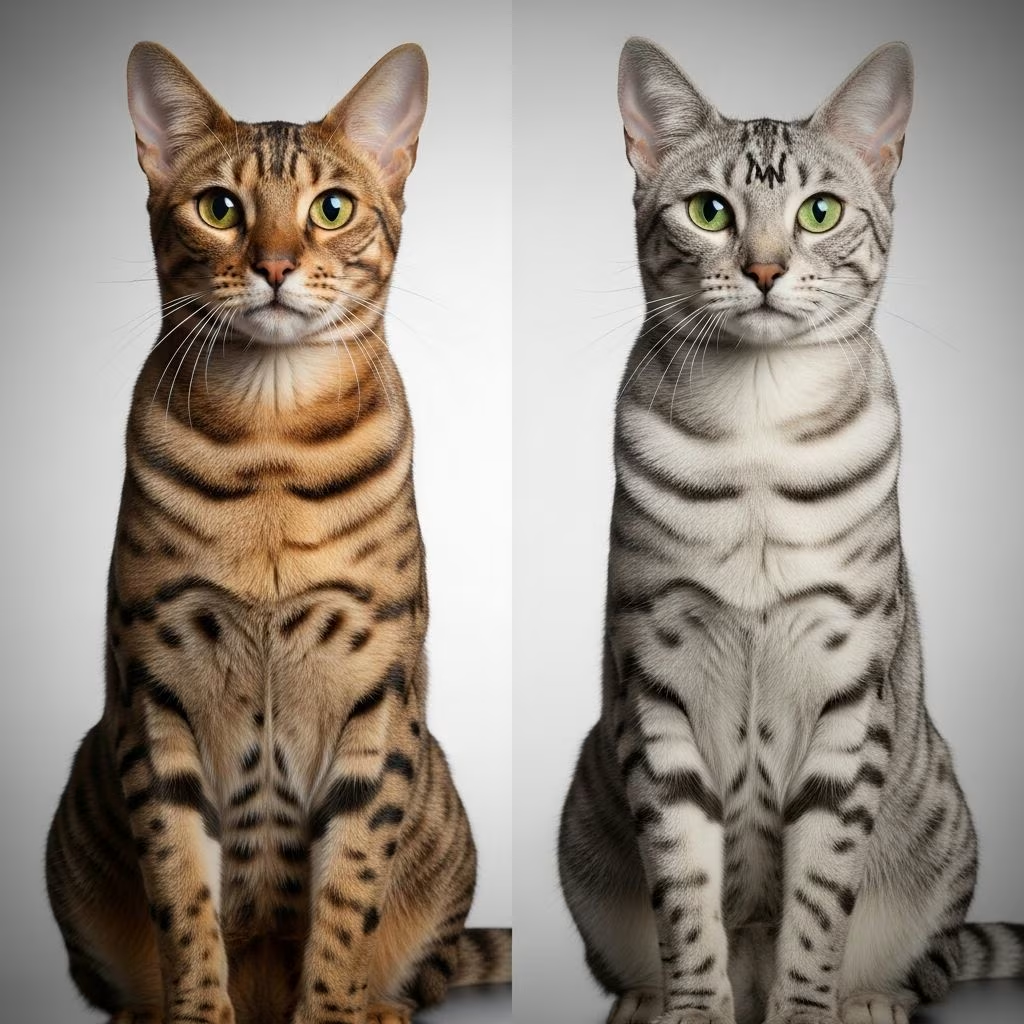
When searching for a new feline companion, prospective cat owners often encounter two striking spotted breeds: the Ocicat and the Egyptian Mau. Both breeds captivate admirers with their distinctive spotted coats and athletic builds, yet they possess distinct characteristics that set them apart. This guide explores the defining features, behavioral traits, care requirements, and suitability of each breed to help you make an informed decision.
Origins and Development: Tracing the Ancestry of Each Breed
The Ocicat represents a relatively modern creation in the cat world. Virginia Daly, a Michigan-based breeder, initiated the Ocicat breeding program in 1964 with the goal of developing an Abyssinian-pointed Siamese cat. The first spotted kittens emerged unexpectedly from this breeding effort and were affectionately nicknamed “Ocicats” due to their resemblance to ocelots. Subsequent generations involved introducing American Shorthair genetics, which contributed enhanced bone structure and the introduction of silver coloring to the breed’s color palette.
In contrast, the Egyptian Mau boasts ancient roots. The breed represents the only naturally occurring spotted domestic cat, with historical documentation tracing back centuries. Modern development of the Egyptian Mau breed took place in the United States when a breeding pair was transported from Egypt in 1956. The breed gained formal recognition in the United States in 1958 and later in Europe in 1992.
Physical Characteristics: Spotting the Differences in Appearance
Size and Body Structure
Both breeds present athletic, muscular frames, though with notable variations. Ocicats are the larger of the two, weighing between 4 and 7 kilograms, with strong musculature and well-developed legs. The breed features a distinctive wedge-shaped head with large, pointed ears, creating an expression of alertness and intelligence.
Egyptian Maus are medium-sized cats, typically weighing between 3 and 5 kilograms. Despite their smaller stature, they are densely muscled and athletic. The most distinctive physical feature is their unique body configuration: their hind legs are noticeably longer than their front legs, creating the illusion that they are standing on tiptoe. This structural arrangement contributes to their exceptional speed and agility.
Facial Features and Eye Characteristics
Ocicats possess almond-shaped eyes that can display various colors, and their heads have a slightly rounded wedge shape with medium to large ears. The facial structure creates an expression that blends domestic friendliness with exotic wildness.
Egyptian Maus are renowned for their distinctive “gooseberry green eyes,” a striking characteristic that all Maus share. The triangular-shaped head and large almond-shaped eyes give them an alert, somewhat regal appearance. Both breeds feature characteristic facial markings: Ocicats display an “M” marking on the forehead along with mascara-like lines on the cheeks, while Egyptian Maus have similar markings that enhance their wild appearance.
Coat Characteristics and Color Variations
Ocicats display a short, smooth, satiny coat that comes in 12 approved colors, each featuring dark thumbprint-shaped spots on a light background. The standard recognized colors include chocolate, cinnamon, and tawny. The spotting pattern creates rows of round spots along the spine, with additional spots scattered across the shoulders and rear, extending down the legs. The tail features horizontal brush-stroke-like markings that sometimes alternate with spots.
Egyptian Maus have a medium-length coat with a silky, fine texture in the smoke coloration, and a denser, more resilient texture in silver and bronze colors. The body displays randomly scattered spots that vary in size and shape—small, large, round, or oblong. The coat comes in several colors including silver, black, tan, and blue. A distinctive dark stripe runs from the Mau’s head to its tail, a characteristic that sets them apart from other spotted breeds.
Temperament and Personality: Understanding Behavioral Traits
Despite their wild appearance, both breeds possess distinct personality profiles that influence their suitability for different households.
The Ocicat: Social and Trainable Companions
Ocicats inherit personality traits from both their Siamese and Abyssinian ancestors, resulting in cats that are friendly, playful, and highly sociable. They thrive on human interaction and form deep bonds with their families. Many Ocicat owners describe the experience as owning a cat with dog-like qualities—they can learn basic commands and tricks, and some can even be trained to walk on a leash.
The Ocicat’s intelligence and love of attention make them excellent family pets. They excel with children and coexist well with other animals. However, they dislike being left alone for extended periods and require consistent human interaction to remain content. Their highly energetic nature demands engagement through play, toys, and attention from their human companions.
The Egyptian Mau: Loyal but Reserved Companions
Egyptian Maus are deeply loyal to their chosen family members but tend to be reserved around strangers. They are sensitive animals that respond better to gentle correction than harsh discipline. While they are adaptable in many ways, Egyptian Maus do not enjoy being left alone for long periods.
The breed’s hunting heritage remains evident in their behavior. They are skilled hunters with a prey drive that makes them unsuitable household companions for pet birds or small animals. However, they typically coexist peacefully with dogs and cat-friendly households, provided they receive proper introduction and socialization.
Activity Level and Exercise Requirements
Both breeds are active cats, but their exercise needs and abilities differ significantly. The Egyptian Mau holds the distinction of being the fastest domestic house cat breed, capable of running at speeds up to 30 miles per hour, thanks to a unique flap of skin extending from their flank to their back knee.
Ocicats are highly energetic and love interactive games and play sessions. They benefit from toys that stimulate thinking and encourage physical activity. The breed’s intelligence means they appreciate mental enrichment alongside physical exercise.
Health, Lifespan, and Care Requirements
Lifespan Expectations
Egyptian Maus have an average lifespan of 13 to 16 years, while Ocicats typically live between 12 and 18 years. Both breeds’ longevity can vary based on genetics, diet quality, and consistency of healthcare.
Grooming and Maintenance
Both breeds have relatively low grooming maintenance requirements compared to long-haired cats. The Ocicat’s short, smooth coat requires weekly brushing or combing to remove dead hairs. Bathing is rarely necessary for this breed.
Egyptian Maus require regular brushing to remove dead hair and distribute skin oils throughout their coat. The Ocicat generally sheds less than the Egyptian Mau, making it a preferable choice for individuals concerned about shedding.
Training and Socialization: Preparing Your New Cat
The Ocicat typically responds better to training efforts, making them ideal for novice cat owners. Their dog-like qualities extend to their willingness to learn commands and participate in interactive activities. Early socialization and positive reinforcement methods yield excellent results with this breed.
Egyptian Maus benefit from positive reinforcement training and early socialization, though they may be less responsive to training than Ocicats. Their sensitive nature means they respond poorly to harsh corrections and thrive with gentle, patient instruction.
Breed Suitability for Different Lifestyles
Family Compatibility
Both breeds can make excellent family pets when matched with appropriate household environments. Ocicats are particularly well-suited to families with children and other pets due to their social, non-aggressive nature and playful disposition. The breed’s trainability and love of interaction make them suitable for school-age children who match their energy levels.
Egyptian Maus are well-suited to families who appreciate their independent yet loyal nature. Their athletic abilities and hunting drive make them engaging companions for active households. However, they are better suited to families without small pets due to their predatory instincts.
Living Space Considerations
Both breeds are adaptable to various living situations, including apartments and houses. However, their high energy levels mean they require adequate space for physical activity and mental stimulation. Vertical spaces such as cat trees and shelves are beneficial for both breeds.
Comparative Analysis: Head-to-Head Breakdown
| Characteristic | Ocicat | Egyptian Mau |
|---|---|---|
| Origin | United States (1964) | Egypt (Ancient); Developed in US (1956) |
| Weight Range | 4-7 kg | 3-5 kg |
| Lifespan | 12-18 years | 13-16 years |
| Eye Color | Any color except blue | Gooseberry green (all) |
| Coat Length | Short and smooth | Medium length |
| Shedding | Less shedding | More shedding |
| Temperament | Social, outgoing, dog-like | Loyal, reserved, sensitive |
| Trainability | Highly trainable | Moderately trainable |
| Maximum Speed | Average cat speed | 30 mph (fastest domestic cat) |
| Best For | Active families, novice owners | Experienced owners, athletic households |
Making Your Decision: Which Breed Is Right for You?
Choosing between an Ocicat and an Egyptian Mau depends on your lifestyle, experience level, and household characteristics. If you prefer a low-maintenance coat and seek a highly trainable, social companion that thrives on interaction and training, the Ocicat emerges as the superior choice. Their dog-like qualities and responsiveness to training make them ideal for first-time cat owners and active families.
Conversely, if you appreciate a cat with ancient heritage, are experienced with feline behavior, and can provide an environment that respects their independent yet devoted nature, the Egyptian Mau may be your ideal match. Their exceptional athletic abilities, striking appearance, and loyal companionship appeal to owners seeking a more unique, reserved feline partner.
Both breeds require owners who understand their need for attention, activity, and engagement. Neither breed tolerates prolonged periods of solitude well. Consider your daily schedule, living space, and commitment level before making your final decision.
Frequently Asked Questions
Are Ocicats good for first-time cat owners?
Yes, Ocicats are generally excellent for first-time cat owners due to their trainability, friendly nature, and responsiveness to positive reinforcement. Their dog-like qualities make them more predictable and easier to manage than many other breeds.
Can Egyptian Maus be kept in apartments?
While Egyptian Maus can adapt to apartment living, they require sufficient space for their high energy levels and athletic pursuits. Vertical enrichment through cat trees and climbing structures is essential for their wellbeing.
Which breed is better with children?
Ocicats are typically better suited to families with children due to their playful, patient, and social nature. Egyptian Maus are better suited to families with older children or experienced pet owners who understand their reserved temperament.
Do both breeds require specialized grooming?
No, both breeds have relatively simple grooming requirements compared to long-haired cats. Regular brushing to remove dead hair is sufficient for both breeds, with bathing rarely necessary.
Which breed lives longer?
Ocicats have a slightly longer average lifespan (12-18 years) compared to Egyptian Maus (13-16 years), though individual lifespans vary based on genetics and care quality.
References
- Ocicat vs Egyptian Mau – Breed Comparison — MyCatBreeds. Accessed January 2026. https://www.mycatbreeds.com/ocicat-vs-egyptian-mau
- Egyptian Mau VS. Ocicat — YouTube. Accessed January 2026. https://www.youtube.com/watch?v=ERakKiiqy5U
- Egyptian Mau vs Ocicat: Which Cat is Right for You? — Clawmate. Accessed January 2026. https://clawmate.com/breeds/compare/egyptian-mau-vs-ocicat
- Spots Before Your Eyes? — The Cat Fanciers’ Association. Accessed January 2026. https://cfa.org/cat-talk/spots-before-your-eyes/



