

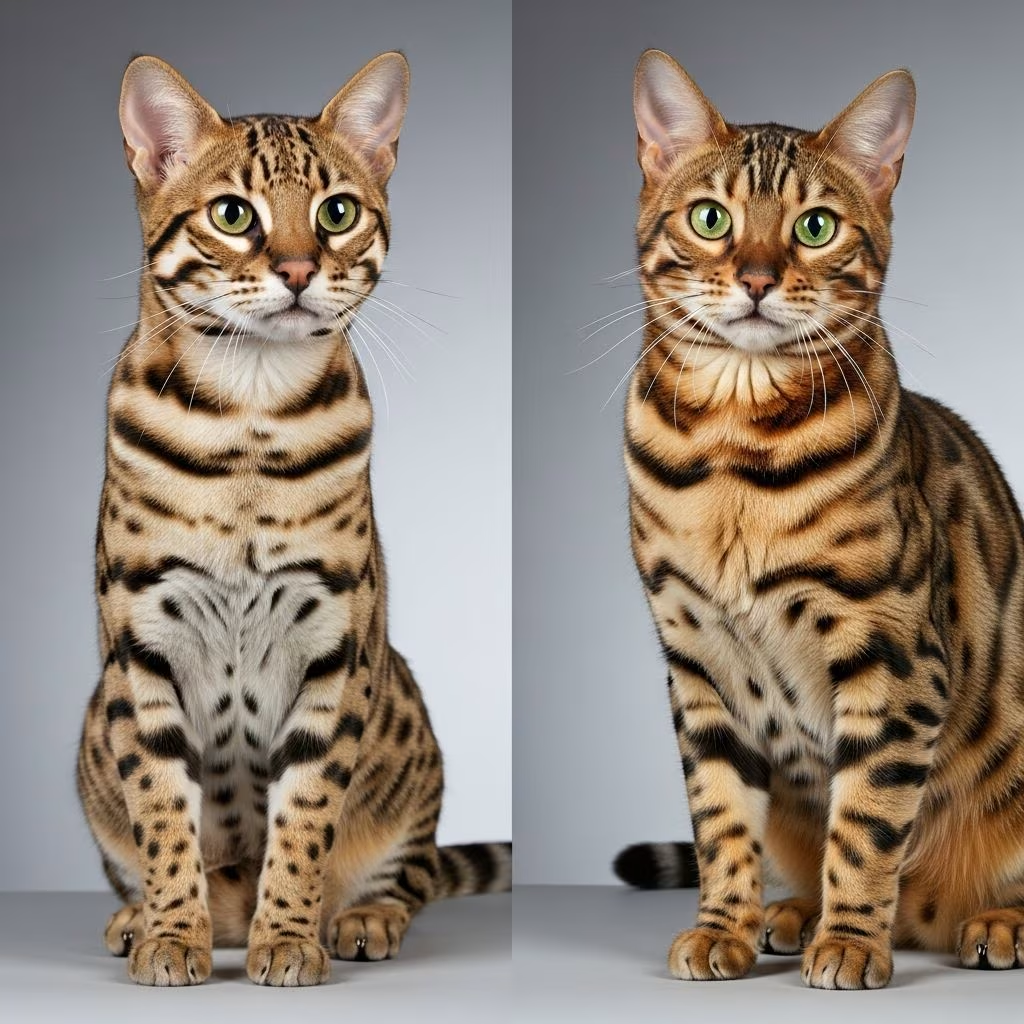
Two of the most striking domestic cat breeds, the Ocicat and Bengal, captivate cat lovers with their wild-inspired appearances and vibrant personalities. While both feature bold spotted coats that mimic big cats, they differ significantly in origins, body structures, energy levels, and daily care requirements. This comprehensive guide breaks down every aspect to help you decide which breed aligns with your home and lifestyle.
Origins and Development of These Spotted Beauties
The Ocicat emerged in the United States during the 1960s through accidental genetics. Breeder Virginia Daly from Michigan aimed to create an Abyssinian-pointed Siamese but produced a litter with unexpected spotted kittens, resembling the wild Ocelot—hence the name. No wild blood runs in their veins; they result from crosses between Abyssinian, Siamese, and later American Shorthair breeds for added robustness. This blend yields a cat that looks feral but is fully domestic.
In contrast, the Bengal carries genuine wild ancestry. Jean Mill in California pioneered the breed in the 1970s by hybridizing domestic cats with the Asian Leopard Cat, infusing that untamed aesthetic into a pet-friendly package. Early generations (F1-F3) were closer to wild, but modern Bengals are several generations removed, balancing exotic looks with domestic temperaments. Both breeds hail from the U.S. and share approval from major registries like CFA and TICA.
Physical Build: Size, Structure, and Proportions
Bengals typically outsize Ocicats, with males reaching 14-15 pounds on average (up to 20 pounds) and females 10-12 pounds. Their heavier bone structure supports a muscular, athletic frame standing 14-18 inches tall at the shoulder. Ocicats are more moderate, with males at 9-12 pounds (up to 14) and females 7-9 pounds, measuring 9-11 inches in height. Bengals boast longer legs, especially in the rear, contributing to their agile, jungle-prowler gait.
A distinctive Bengal trait in males is a muscular “hump” at the neck-shoulder junction, a remnant of wild heritage absent in Ocicats. Both have elongated bodies, but Bengals appear more robust, while Ocicats maintain a sleeker, racy profile.
Head and Facial Features
Ocicat heads are wedge-shaped with a longer, squarer muzzle, tall pointed ears set high (often with tufts), and almond-shaped eyes that convey alertness. Bengals feature rounder heads, prominent whisker pads, shorter rounded ears positioned laterally, and large, nearly oval eyes in vivid green or blue shades. These contrasts make Ocicats seem more elegant and Bengals bolder.
Coat Patterns and Colors: The Wild Markings Explained
Both breeds dazzle with spotted patterns, but details set them apart. Ocicats display classic “bullseye” rosettes—circular spots with a darker center—extending uniformly across the body, belly, and legs. Their coat is tight, silky, and close-lying in colors like tawny, chocolate, cinnamon, silver, and blue. Bengals prefer horizontal, tiger-like rosettes or marbled patterns, with a whiter belly showing fewer spots. Their pelt feels thicker, luxuriously soft, in brown, seal mink, silver, or snow varieties, often with a glittered sheen.
Tail markings differ too: Ocicats have a solid line atop with lateral spots, while Bengals sport deep, encircling stripes ending in a dark tip. Neither sheds heavily, making them low-maintenance groomers.
Personality and Temperament: Energy Levels Compared
Expect high energy from both, but Bengals demand more. Described as confident, talkative, and ever-alert, they excel at fetch, tricks, and leash walks, using dexterous paws like hands. Their wild spark makes them bold explorers, sometimes challenging for novices.
Ocicats are friendly, dog-like companions—playful, sociable, and trainable for commands. They thrive on human interaction, puzzle toys, and family life but mellow easier than Bengals. Ocicats suit multi-pet homes better due to their easygoing vibe, while Bengals prefer older kids who match their intensity.
| Aspect | Ocicat | Bengal |
|---|---|---|
| Energy | Moderate-High | High |
| Sociability | Very Friendly | Confident & Vocal |
| Trainability | Highly Trainable | Moderately Trainable |
| Family Fit | Great with Kids/Pets | Best with Older Kids |
Care Essentials: Grooming, Exercise, and Maintenance
Grooming is minimal for both low-shedders. Weekly brushing preserves coat gloss; baths are rare. Bengals may need slightly more due to their denser pelt.
Exercise is crucial: Bengals require extensive play—interactive toys, climbing gyms, daily sessions—to curb mischief. Ocicats enjoy moderate activity like leash walks and puzzles. Both benefit from scratching posts and vertical spaces.
- Diet: High-protein, grain-free food supports their lean muscles. Portion control prevents obesity in Bengals.
- Litter: Large, covered boxes; Bengals prefer privacy.
- Enrichment: Toys mimicking prey for hunting instincts.
Health and Lifespan: What to Watch For
Both enjoy 12-16 year lifespans with proper care. Ocicats, lacking hybrid vigor issues, face hypertrophic cardiomyopathy (HCM) risks—annual screenings advised. Bengals may inherit PRA or heart conditions from wild roots; reputable breeders test. Regular vet visits, dental care, and parasite prevention are key.
Which Breed Fits Your Home?
Choose Ocicat for a sociable, trainable athlete blending wild looks with chill vibes—ideal for apartments or families. Opt for Bengal if you crave a high-octane, exotic companion ready for adventures, provided you commit to stimulation.
Quick Comparison Table
| Feature | Ocicat | Bengal |
|---|---|---|
| Weight (Adult) | 7-14 lbs | 8-20 lbs |
| Height | 9-11 in | 14-18 in |
| Lifespan | 12-16 yrs | 12-16 yrs |
| Grooming | Low | Low-Moderate |
| Exercise Needs | Moderate | High |
Frequently Asked Questions (FAQs)
Are Ocicats or Bengals hypoallergenic?
Neither is truly hypoallergenic, though low-shedding coats reduce allergens. Bengals’ claims lack science.
Can Bengals or Ocicats live with dogs?
Yes, with socialization. Ocicats adapt easier.
Which is easier to train?
Ocicats edge out with dog-like eagerness.
Do they need much space?
Bengals thrive in larger homes; Ocicats manage smaller spaces.
What’s the price range?
Both $800-$2500 from breeders, varying by lineage.
Bringing Home Your Spotted Companion
Whether Ocicat’s elegance or Bengal’s ferocity calls, prioritize ethical breeders who health-test. These breeds reward active owners with loyalty, playfulness, and stunning visuals. Prepare for joyful chaos!
References
- Lesson Time – Ocicat vs Bengal — TheCatSite. 2006. https://thecatsite.com/threads/lesson-time-ocicat-vs-bengal.125421/
- Ocicat vs Bengal – Breed Comparison — MyCatBreeds. N/A. https://www.mycatbreeds.com/ocicat-vs-bengal
- Ocicat Cat VS. Bengal Cat — YouTube. N/A. https://www.youtube.com/watch?v=fN6VvEHF6X0
- Ocicat vs Bengal: The Differences (With Pictures) — Hepper. N/A. https://articles.hepper.com/ocicat-vs-bengal/
- Spots Before Your Eyes? — Cat Fanciers’ Association (cfa.org). N/A. https://cfa.org/cat-talk/spots-before-your-eyes/



