
Joint Cartilage Breakdown in Dogs: OCD Explained
Comprehensive guide to recognizing and treating osteochondritis dissecans in canines
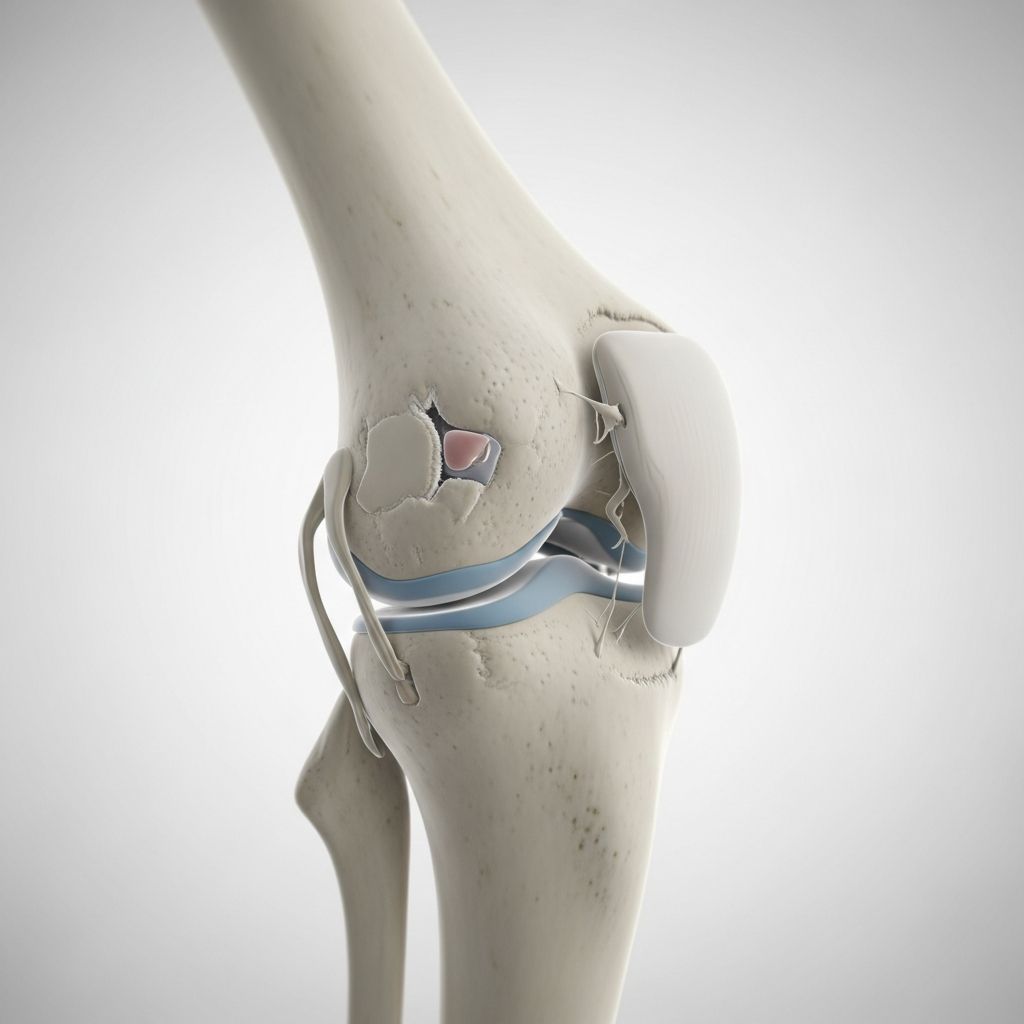
Osteochondritis dissecans (OCD) represents a significant orthopedic concern for dog owners, particularly those with large and giant breed dogs. This developmental joint condition affects the cartilage that covers bone surfaces within joints, leading to pain, lameness, and reduced mobility. Understanding this condition is essential for pet owners seeking to provide appropriate care and make informed decisions about their dog’s health and treatment options.
The Biological Basis of Joint Cartilage Disease
Osteochondrosis begins as a disruption in the natural process through which cartilage cells convert into bone tissue during a puppy’s growth phase. This fundamental biological process, known as endochondral ossification, is crucial for proper skeletal development. When this conversion fails to occur normally, cartilage layers thicken abnormally at the ends of long bones near joints.
In rapidly growing puppies, particularly those from large and giant breeds, the cartilage growth rate can exceed the blood supply reaching those tissues. This oxygen deprivation results in abnormal cartilage thickening and structural weakness. Over time, pieces of this damaged cartilage can separate from the underlying bone, creating loose fragments—sometimes referred to as “joint mice”—that float within the joint capsule, causing mechanical irritation and inflammation.
If left untreated, this condition progressively damages the joint surfaces, ultimately leading to osteoarthritis and permanent functional impairment. The genetic predisposition of certain breeds means prevention through selective breeding practices remains an important consideration for responsible dog breeders.
Which Dogs Face the Greatest Risk
OCD predominantly affects young, large, and giant breed dogs, with typical onset occurring between 6 months and 2 years of age. Breeds with accelerated growth rates and genetic predispositions include German Shepherds, Labrador Retrievers, Golden Retrievers, Great Danes, and Saint Bernards. The condition typically manifests during the critical growth phase when skeletal development is most active.
Contrary to common misconceptions, neither excessive exercise nor dietary choices cause OCD. The condition is fundamentally genetic in nature, though inadequate nutrition during growth phases may exacerbate severity. Young dogs from predisposed breeds should still receive appropriate exercise tailored to their developmental stage, as this supports overall musculoskeletal health.
Recognizing Physical and Behavioral Symptoms
The clinical presentation of OCD varies depending on which joints are affected and the severity of cartilage damage. Dogs typically exhibit one or more of the following signs:
- Lameness or limping: A noticeable reduction in weight-bearing on the affected limb, often more pronounced after activity. Some dogs show intermittent lameness that worsens with exercise, while others display constant reluctance to use the affected leg.
- Joint pain and stiffness: Dogs may cry out or display sensitivity when the affected joint is touched, manipulated, or moved. Stiffness typically appears as an inability or reluctance to move the affected limb through its normal range of motion.
- Postural abnormalities: Affected dogs often hold or position the affected limb differently than normal, sometimes adopting unusual postures to reduce weight-bearing stress.
- Difficulty with mobility: Rising from rest, climbing stairs, or jumping may become challenging or cause visible discomfort. Muscle loss around the affected joint often develops due to reduced use.
- Joint swelling: The affected joint may appear enlarged, feel warm to the touch, and display visible inflammation.
- Behavioral changes: Pain-related alterations in behavior, such as reluctance to play, reduced activity levels, or increased irritability when handled in the affected area, may become apparent.
Diagnostic Approaches and Imaging Techniques
Accurate diagnosis requires a multi-faceted approach combining physical examination, imaging studies, and clinical history. During an orthopedic examination, veterinarians manipulate the affected joint and apply pressure to elicit pain responses and assess joint stability and range of motion.
Radiographic imaging serves as the primary diagnostic tool for OCD confirmation. X-rays reveal characteristic findings including bone loss, cartilage flap separation, and joint structural changes. Different joint locations require specific radiographic positioning to visualize affected areas optimally.
Advanced imaging, including computed tomography (CT) scans and magnetic resonance imaging (MRI), may be employed in complex cases or when standard radiographs provide insufficient detail. These modalities offer superior visualization of soft tissue structures and cartilage damage.
Arthroscopy provides both diagnostic and therapeutic benefits, allowing direct visual inspection of the joint interior while simultaneously enabling treatment intervention. This minimally invasive technique has become the gold standard for OCD management.
Conservative Management Strategies
For young puppies under six months of age presenting with minimal clinical signs and no substantial radiographic changes, conservative management may be attempted initially. This approach includes several key components:
- Exercise restriction: Limiting activity prevents excessive joint stress and allows healing responses. Controlled, low-impact exercise replaces free play and strenuous activity.
- Weight management: Maintaining optimal body weight reduces biomechanical stress on affected joints, supporting functional improvement.
- Anti-inflammatory medications: Non-steroidal anti-inflammatory drugs (NSAIDs) reduce pain and inflammation, improving comfort and mobility.
- Joint supplements: Nutraceuticals containing glucosamine, chondroitin, and omega-3 fatty acids may provide modest supportive benefits for joint health.
- Physical rehabilitation: Therapeutic exercises, passive range of motion work, and controlled activity progression support joint function and muscular support.
However, conservative management proves ineffective for most dogs over six months of age. The progressive nature of the condition and continued cartilage fragmentation typically necessitate surgical intervention to prevent permanent damage.
Surgical Treatment: The Modern Standard
Surgical intervention represents the definitive treatment approach for most OCD cases, particularly in dogs exceeding six months of age. Arthroscopic surgery has emerged as the gold standard, offering superior outcomes compared to traditional open surgical approaches.
Arthroscopic procedures involve accessing the joint through small incisions, allowing the surgeon to visualize the internal joint structures using a specialized camera and instruments. This minimally invasive approach enables precise removal of damaged cartilage and loose bone fragments while preserving healthy tissue. The surgeon carefully removes the cartilage flap and debrides the bone bed, creating a surface that stimulates formation of fibrocartilage scar tissue.
The advantages of arthroscopic intervention include:
- Reduced tissue trauma compared to open surgery
- Faster recovery and return to normal function
- Decreased post-operative pain
- Fewer complications, occurring in less than 2 percent of cases
- Superior visualization enabling precise treatment
- Improved long-term joint preservation
In severe cases with substantial bone defects, surgeons may implant artificial cartilage plugs or use advanced biologic treatments to optimize healing and restore joint surface integrity.
Post-Operative Recovery and Rehabilitation
Following surgical treatment, structured recovery protocols significantly influence functional outcomes. Immediate post-operative management includes:
- Confined rest: Restricting activity for 6-8 weeks allows surgical sites to heal and scar tissue to form appropriately.
- Pain management: Prescribed analgesic medications maintain comfort during the recovery phase.
- Wound care: Proper incision management prevents infection and supports optimal healing.
- Physical therapy: Passive range of motion exercises, therapeutic exercises, and progressive activity advancement restore joint function and strength.
- Hydrotherapy: Water-based rehabilitation provides low-impact exercise supporting strength development and mobility restoration.
Physical therapy can substantially accelerate recovery trajectories and improve long-term outcomes. Veterinarians typically teach owners passive range of motion techniques to perform during recovery, maintaining joint flexibility while supporting tissue healing.
Long-Term Prognosis and Outcome Expectations
The prognosis following appropriate surgical treatment is generally excellent. Most dogs experience complete lameness resolution within several months post-operatively. The surgical approach directly addresses the underlying pathology by removing damaged cartilage and restoring normal joint mechanics, thereby reducing pain and improving functional capacity.
Key factors contributing to positive outcomes include early diagnosis and intervention, minimally invasive surgical techniques, and dedicated post-operative rehabilitation. In most cases, residual arthritis remains minimal, with dogs returning to normal activity levels.
However, arthroscopic surgery complications, while uncommon, can include temporary joint swelling, anesthetic reactions, infections, or nerve damage. Long-term outcomes may be influenced by individual healing responses, underlying genetic predisposition, and the extent of pre-surgical cartilage damage.
Frequently Asked Questions
- Can diet prevent or cure OCD?
- No. OCD is a genetic developmental condition that diet cannot prevent or reverse. However, proper nutrition supporting healthy growth and appropriate weight management may help minimize severity during the critical growth phase.
- Does exercise cause OCD?
- Excessive exercise does not cause OCD, as the condition is genetic in nature. However, intensive exercise in dogs with untreated OCD can exacerbate lameness and accelerate joint damage.
- At what age should OCD be treated?
- OCD typically requires treatment between 6 months and 2 years of age when symptoms become apparent. Early surgical intervention prevents progressive joint deterioration and osteoarthritis development.
- Is arthroscopic surgery necessary for all dogs with OCD?
- While conservative management may benefit very young puppies with minimal signs, most dogs require arthroscopic surgery for optimal outcomes and permanent lameness resolution.
- How long does recovery require after arthroscopic surgery?
- Initial recovery typically spans 6-8 weeks with restricted activity. Complete functional recovery and return to normal activity may require several months, with physical therapy accelerating improvement.
- Will my dog develop arthritis after OCD surgery?
- While some mild arthritis may develop later in life, particularly with heavy use, properly treated OCD cases show minimal residual arthritis compared to untreated cases, which inevitably progress to severe osteoarthritis.
Making Informed Treatment Decisions
Pet owners facing OCD diagnoses should prioritize consultation with board-certified veterinary orthopedic specialists who can provide detailed assessments and treatment recommendations tailored to individual cases. Imaging results, the dog’s age, severity of clinical signs, and overall health status should inform decision-making processes.
Early intervention offers substantially better outcomes than delayed treatment, as progressive cartilage damage becomes increasingly difficult to reverse. While initial treatment costs may seem significant, early surgical intervention prevents more extensive joint damage requiring costly salvage procedures or resulting in permanent disability.
Understanding that OCD is a genetic condition without dietary or exercise causes helps owners make realistic decisions about their dog’s care without unnecessary guilt or misinformation. With appropriate surgical treatment and rehabilitation, most affected dogs return to comfortable, active lifestyles with excellent long-term prognoses.
References
- Understanding Osteochondritis Dissecans (OCD) in Dogs: Essential Info for Pet Parents — Animal Surgical Center of Michigan. 2024. https://asc.vet/blog/understanding-osteochondritis-dissecans-ocd-in-dogs-essential-info-for-pet-parents/
- Shoulder Osteochondrosis Dissecans (OCD) In Dogs — SurgiPet. 2024. https://www.surgipet.com/article/shoulder-osteochondrosis-dissecans-in-dogs
- Stifle OCD Diagnosis & Treatment for Pets — Walker Veterinary Hospital. 2024. https://walkervet.com/stifle-osteochondritis-dissecans
- Osteochondritis Dissecans (OCD) — MVS Vets UK. 2024. https://www.mvsvets.co.uk/pet-owners/osteochondritis-dissecans-ocd/
- Osteochondrosis Dissecans (OCD) in Dogs — SASH Veterinary Specialists. 2024. https://sashvets.com/diseases/ocd-in-dogs/
- Hock Osteochondritis Dissecans (OCD) — Fitzpatrick Referrals. 2024. https://www.fitzpatrickreferrals.co.uk/orthopaedics/hock-osteochondritis-dissecans-ocd/
- Osteochondritis Dissecans (OCD) in Dogs — VCA Animal Hospitals. 2024. https://vcahospitals.com/know-your-pet/osteochondritis-dissecans-or-ocd-in-dogs
- Osteochondritis Dissecans in Dogs — VSH North County Veterinary Hospital. 2024. https://www.vshnorthcounty.com/blog/osteochondritis-dissecans-in-dogs
Similar Articles








Read full bio of Sneha Tete




