

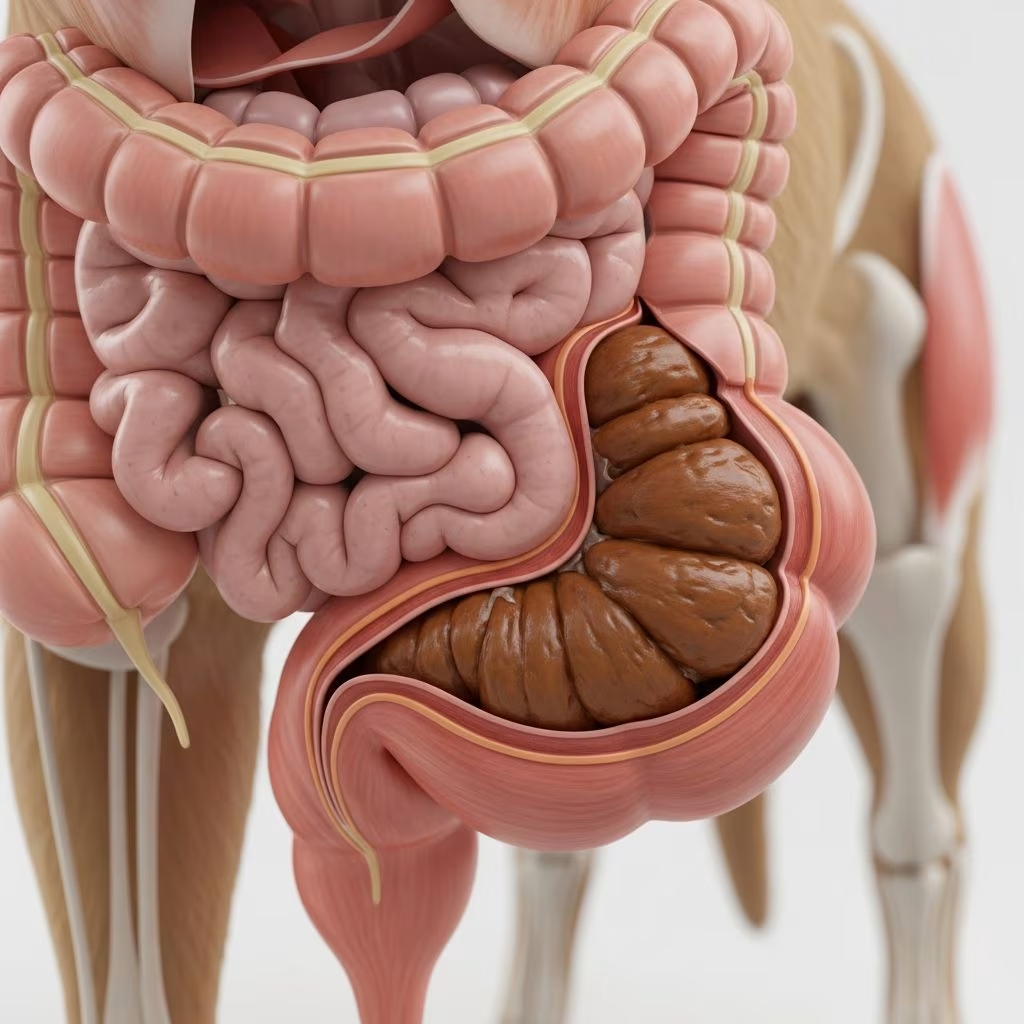
Digestive health issues in pets can range from mild to life-threatening, and among the most serious are two interrelated conditions: obstipation and megacolon. While occasional constipation is common and often resolves with dietary adjustments and increased hydration, these two conditions represent severe, chronic dysfunction of the digestive system that demands immediate veterinary attention. Understanding the differences between these conditions, recognizing warning signs, and knowing when to seek emergency care can be the difference between managing symptoms and facing a crisis.
Defining the Conditions: From Constipation to Crisis
Constipation refers to infrequent or difficult bowel movements, typically temporary and responsive to home remedies or veterinary care. Many pet owners encounter mild constipation in their animals, which usually resolves within a few days with proper hydration and dietary modifications.
Obstipation represents a severe escalation of constipation that resists standard treatment approaches. Unlike temporary constipation, obstipation is characterized by an inability to evacuate hardened, dry feces despite repeated straining efforts. In obstipation, impacted fecal material may extend throughout the entire colon, from the rectum to the ileocolic valve, creating a blockage that prevents normal bowel function.
Megacolon is a pathological condition in which the colon becomes severely dilated and loses its muscular contractility. The colon expands to abnormal proportions, losing the ability to generate the muscular contractions necessary to propel stool forward. This enlargement and loss of function typically develops after prolonged, untreated constipation causes permanent structural changes to the organ. Megacolon is the most common underlying cause of obstipation in cats and represents a chronic, progressive condition requiring ongoing management.
Why Your Pet’s Colon Becomes Enlarged and Weakened
The transition from constipation to megacolon follows a predictable pathway of deterioration. When fecal material remains in the colon longer than normal, the organ stretches to accommodate the accumulating mass. Initially, the colon may still possess sufficient muscular strength to eventually expel this impacted material, but each episode of constipation weakens the muscular wall further. Over time, the colon loses its elasticity and the smooth muscle loses its ability to contract effectively.
Cats develop megacolon more frequently than other species, though the condition does occur in dogs. The exact reason cats are predisposed to this condition remains unclear in many cases, though researchers have identified several contributing factors.
Mechanical Obstruction and Injury
Physical barriers to normal stool passage force feces to accumulate behind the obstruction, leading to prolonged stretching of the colon. Pelvic fractures from traumatic injuries (such as vehicle accidents) narrow the passageway through which stool must travel. Tumors or masses within or adjacent to the colon can obstruct passage as well. Perineal hernias—where tissue protrudes through the pelvic floor—create structural problems that interfere with normal defecation. Even an abnormally narrow pelvis, whether present from birth (congenital) or developing from injury, can trigger the cascade toward megacolon.
Neurological Dysfunction
The colon relies on precise nerve signaling to coordinate muscular contractions that move stool forward in a process called peristalsis. When nerve function becomes impaired, the smooth muscle of the colon wall loses the signals needed to contract properly. This neurological damage may result from spinal cord disease, nerve injury, or systemic neurological disorders. In these cases, the colon becomes progressively wider as it attempts to accommodate stool that cannot be moved forward, even though no mechanical blockage exists.
Idiopathic Megacolon
In many cases, veterinarians cannot identify a specific cause for megacolon despite thorough examination and diagnostic testing. These instances of idiopathic megacolon suggest that underlying factors—possibly genetic predisposition, developmental abnormalities, or subtle neurological changes—remain undetectable with current diagnostic tools. Idiopathic megacolon appears relatively common in cats, accounting for a significant proportion of cases.
Recognizing Symptoms: Early Signs and Emergency Red Flags
Pet owners often miss the early stages of these conditions, particularly in multi-cat households or with indoor-outdoor cats where litter box habits are less observable. However, attentive monitoring can reveal progressive changes that warrant veterinary evaluation.
Initial Warning Signs
- Visible straining in the litter box with reduced stool production
- Increased frequency of litter box visits without proportional stool output
- Noticeably harder, drier feces than normal
- Mild discomfort or sensitivity when the abdomen is touched
- Hunched posture or unusual litter box behavior such as extended scratching without producing stool
- Vocalization or signs of discomfort during defecation
Advanced Symptoms Requiring Urgent Care
- Repeated, unproductive visits to the litter box throughout day and night
- Visible abdominal distention or swelling
- Firm, visibly enlarged abdomen that may be apparent even from a distance
- Signs of pain when picked up or when the stomach area is touched
- Resistance to handling or growling when approached
- Loss of energy and unusual lethargy
- Withdrawal or hiding behavior in normally active pets
- Reduced appetite or refusal to eat
- Vomiting, particularly in cats
- Evidence of dehydration including sunken eyes, dry gums, or skin that tents when gently pulled
- Absence of stool production for more than 24 hours despite repeated straining
The Diarrhea Paradox
Owners sometimes observe watery diarrhea in pets with severe megacolon or obstipation, which seems contradictory. This occurs when liquid intestinal secretions are forced around the hardened fecal mass blocking normal passage, leaking out as apparent diarrhea. Some owners mistakenly attribute the straining and discomfort to urinary issues rather than digestive problems, delaying appropriate treatment.
How Veterinarians Diagnose These Conditions
Diagnosis begins with a thorough history and physical examination. Your veterinarian will ask detailed questions about litter box habits, including frequency of use, appearance of stool, and duration of symptoms. They will palpate (feel) the abdomen to assess for retained fecal material and may perform a rectal examination to confirm impaction.
Diagnostic Imaging and Testing
| Diagnostic Tool | What It Shows |
|---|---|
| X-rays (Radiographs) | Enlarged colon filled with fecal material; confirms megacolon diagnosis |
| Ultrasound | Colon wall thickness and overall structure; rules out masses |
| CT Scan or Contrast Study | Detailed visualization of colon function and any strictures or narrowing |
| Colonoscopy | Direct visual examination of the colon interior |
| Bloodwork | Identifies systemic illness, dehydration, and electrolyte imbalances |
| Neurological Examination | Assesses nerve function if neurogenic megacolon is suspected |
Treatment Approaches: Medical Management and Surgical Options
Medical Therapy as First-Line Treatment
Most pets initially respond to medical management focusing on softening stool and promoting normal bowel function. Veterinarians typically prescribe stool softeners and laxatives to ease passage of fecal material. Increased dietary fiber helps bulk stool and promotes healthier bowel function. Enhanced water intake through dietary modifications or supplementation supports hydration and softer stool consistency.
Dietary changes are fundamental to managing these conditions long-term. Many veterinarians recommend higher-fiber diets specifically formulated for digestive health. Some pets benefit from increased meal frequency with smaller portions. Adequate fresh water availability encourages hydration, which directly impacts stool consistency.
Regular exercise and environmental enrichment also support digestive function. Activity stimulates intestinal motility and promotes regular defecation patterns.
When Medical Therapy Fails: Surgical Intervention
If medical management proves unsuccessful after adequate time and multiple treatment adjustments, surgical removal of the affected colon section may become necessary. This procedure, known as a colectomy or subtotal colectomy, involves removal of the dilated, non-functional portion of the colon.
Following colon removal surgery, pets typically experience diarrhea initially as their digestive system adjusts to altered anatomy. However, over several months, stool consistency typically normalizes, though stools may never achieve the exact firmness of the pre-condition state. Most pets adapt well to life with a shortened colon and achieve acceptable quality of life.
Preventing Progression: What You Can Do Today
Many cases of megacolon can be prevented or delayed through proactive management. Ensure your pet maintains adequate hydration by providing fresh water access throughout the day. Monitor litter box habits regularly, noting any changes in frequency or consistency. Maintain appropriate body weight, as obesity can complicate constipation. Provide a high-fiber diet unless your veterinarian recommends otherwise. Schedule regular veterinary check-ups, which allow early detection of developing problems. Address any injuries, particularly pelvic trauma, promptly and completely.
When Emergency Veterinary Care Is Critical
Untreated megacolon can progress to life-threatening complications. The chronically impacted colon may lose all muscular function, becoming permanently damaged. Toxins normally eliminated through stool can be reabsorbed into the bloodstream, causing systemic illness. Contact your veterinarian immediately if your pet shows no stool production for more than 24 hours, displays severe abdominal pain, appears lethargic or depressed, or shows signs of dehydration. These situations demand urgent evaluation and may require hospitalization for intensive treatment.
Frequently Asked Questions
What’s the difference between occasional constipation and megacolon?
Occasional constipation is temporary and usually responds to diet, hydration, and modest intervention. Megacolon is chronic, progressive, and involves permanent structural changes to the colon that persist despite treatment attempts.
Are certain pets at higher risk?
Cats develop megacolon far more frequently than dogs, though the condition does occur in canines. Older pets may be at increased risk for the condition, though it can develop at any age.
Is megacolon curable?
Megacolon typically cannot be reversed once the colon has become permanently enlarged and lost muscular function. Management focuses on controlling symptoms and preventing progression, with surgery reserved for cases unresponsive to medical therapy.
What should I monitor in my pet’s litter box habits?
Track frequency of litter box visits, amount of stool produced, consistency of feces, and any signs of straining. Changes from your pet’s baseline habits warrant veterinary discussion.
References
- Megacolon in Cats: Symptoms, Causes, Treatment, and FAQs — PetMD. 2024. https://www.petmd.com/cat/conditions/digestive/c_ct_megacolon
- Megacolon in Dogs – Causes, Treatment and Associated Conditions — Vetster. 2024. https://vetster.com/en/conditions/dog/megacolon
- Megacolon in Cats: Emergency Symptoms and Fast Action Steps — Georgia School of Veterinary Surgery. 2024. https://gsvs.org/blog/cat-megacolon-emergency-signs/
- Is Megacolon Causing Your Cat’s Constipation? — WebMD Pets. 2024. https://www.webmd.com/pets/cats/what-is-megacolon-in-cats
- Tackling Tummy Troubles: Helping Your Cat Overcome Megacolon — Texas A&M School of Veterinary Medicine. 2024. https://vetmed.tamu.edu/news/pet-talk/help-your-cat-overcome-megacolon/
- Megacolon — Animal Surgical Center of Michigan. 2024. https://www.animalsurgicalcenter.com/megacolon
- Constipation, Obstipation, and Megacolon in Small Animals — Merck Veterinary Manual. 2024. https://www.merckvetmanual.com/digestive-system/diseases-of-the-large-intestine-in-small-animals/constipation-obstipation-and-megacolon-in-small-animals



