
Observing Your Dog’s Urination: Key Health Clues
Learn why monitoring your dog's pee habits reveals vital insights into their wellness, behavior, and potential medical issues early on.
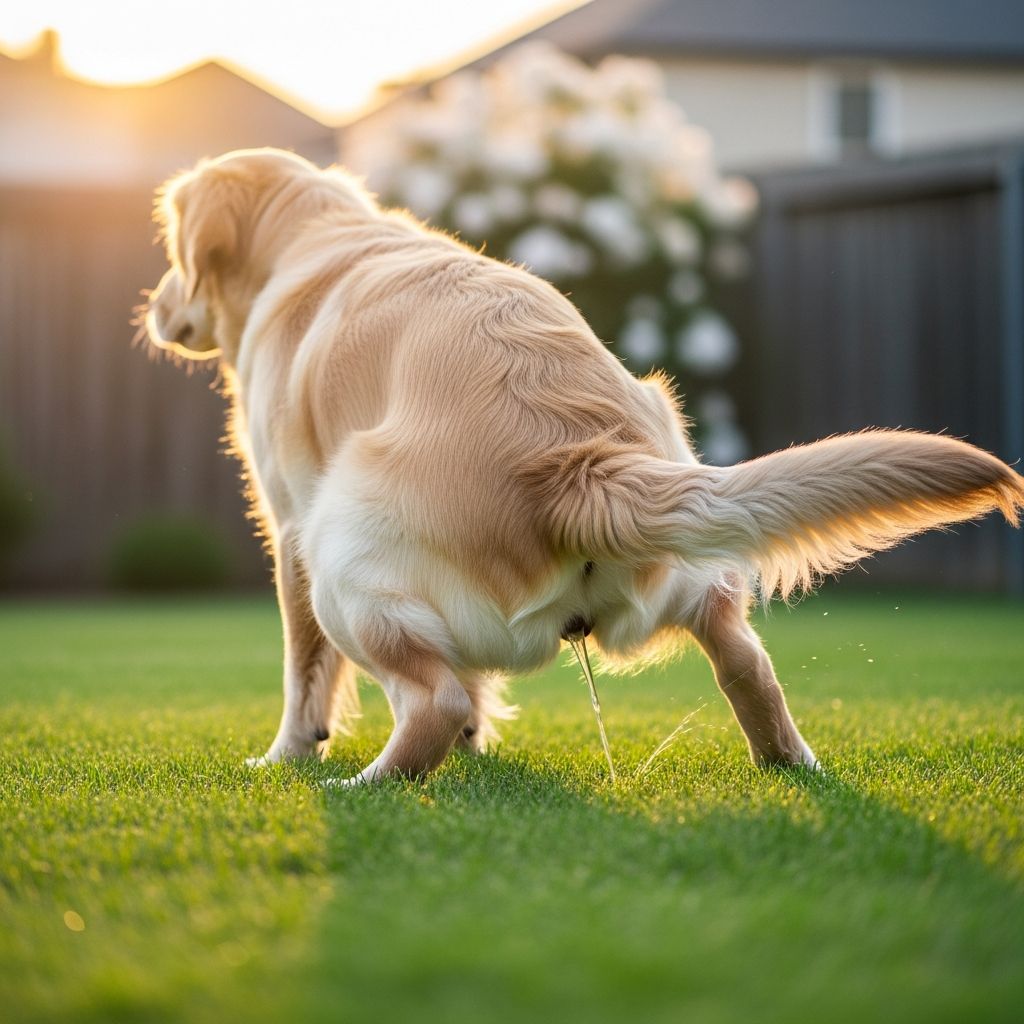
Tracking how and when your dog urinates offers a window into their overall well-being. Changes in frequency, volume, color, or accompanying behaviors can signal underlying health concerns or emotional states, allowing for timely intervention.
The Fundamentals of Canine Urination Patterns
Dogs typically urinate multiple times daily, with patterns varying by age, size, diet, and activity level. Puppies may go every few hours, while adults often hold it for 6-8 hours. Observing these norms helps identify deviations early.
- Normal frequency: 3-5 times per day for adults, more for puppies.
- Posture variations: Males often lift a leg; females squat. Both can indicate comfort or discomfort.
- Volume consistency: Steady streams suggest good bladder function; dribbles may point to issues.
Physiological factors influence these patterns. Hormones like testosterone drive marking behaviors in intact males, leading to frequent, small-volume urinations on vertical surfaces. Neutered dogs or females may show less of this, but monitoring remains crucial.
Visual Indicators in Urine Appearance
Urine color, clarity, and odor provide direct health diagnostics. Clear to pale yellow is ideal; darker shades or cloudiness warrants attention.
| Urine Trait | Possible Meaning | Action Needed |
|---|---|---|
| Pale or clear | Overhydration or dilute diet | Monitor intake |
| Dark yellow/amber | Dehydration | Increase water; vet check |
| Reddish/bloody | UTI, stones, or trauma | Urgent vet visit |
| Cloudy | Infection or crystals | Sample for analysis |
Blood in urine, known as hematuria, often stems from urinary tract infections (UTIs) or bladder stones. Studies link urinary neurotransmitter levels, like dopamine, to behavioral responses during marking, which can correlate with stress or infection. Strong ammonia smells may indicate concentrated urine from dehydration or dietary factors.
Frequency and Timing: What Excessive or Infrequent Peeing Means
Increased urination (polyuria) can signal diabetes, kidney disease, or Cushing’s syndrome. Dogs with these conditions may drink and urinate excessively, sometimes indoors. Conversely, straining or infrequent urination points to blockages, especially in male dogs with prostate issues.
- Too frequent (every 1-2 hours): Diabetes, infections, or excitement behaviors.
- Rare (less than 2x/day): Pain, retention, or kidney failure.
- Nighttime accidents: Age-related incontinence or hormonal shifts.
Research shows gonadal hormones influence marking frequency, with higher testosterone linked to more agonistic responses. Track patterns with a journal: note time, duration, and environment for vet discussions.
Behavioral Cues During Urination
Posture and context reveal emotional states. Submissive urination—small leaks during greetings with lowered posture, tucked tail, or averted gaze—stems from fear or anxiety, common in young females.
Excitement urination happens amid wagging tails and play, often in puppies. Conflict urination blends both, triggered by mixed emotions like attraction and fear.
- Sniffing and circling excessively: Normal pre-pee ritual; prolonged may indicate discomfort.
- Crying or whining: Pain from stones or infection.
- Marking indoors: Stress, territory claims, or unmet needs.
Urinary analysis reveals correlations: higher cortisol and oxytocin link to fearful expressions, while testosterone ties to aggression during odor exposure.
Medical Conditions Linked to Urination Changes
Several diseases manifest through pee habits. UTIs cause frequent, small-volume urination with straining. Diabetes leads to large volumes and thirst. Kidney issues dilute urine, increasing frequency.
In older dogs, incontinence from weakened sphincters or spay-related estrogen loss appears as dribbles. Prostate problems in intact males cause bloody urine or blockages—emergencies.
Behavioral house soiling mimics medical issues: excitement/submissive types peak in puppies, resolving with maturity. Differentiate via observation: medical cases lack emotional triggers.
Practical Monitoring Strategies for Owners
Daily vigilance prevents escalation. Walk your dog consistently to observe outdoor habits. Collect samples mid-stream in clean containers for vet tests—avoid first morning void if diet affects it.
- Establish a routine: Set potty times post-meals, play, naps.
- Use apps or logs for patterns.
- Check hydration: Skin tent test or gum moisture.
- Note diet: High-protein increases odor; watch for irritants.
For marking, neutering reduces incidence in 50-60% of cases, per studies, but combine with training.
Addressing Behavioral Urination Problems
Submissive/excitement urination responds to calm interactions. Avoid punishment—it worsens anxiety. Strategies include:
- Greet quietly; ignore until settled.
- Desensitize triggers gradually.
- Use belly bands for management.
For anxiety-driven marking, pheromone diffusers or vet-prescribed meds help alongside enrichment.
When to Seek Professional Veterinary Help
Red flags demand immediate care: blood, straining without output, lethargy with accidents, or sudden changes. Vets perform urinalysis, checking pH, crystals, bacteria, and glucose.
Urgent for blockages, as they can be fatal in hours. Routine checks for seniors catch issues early.
Preventive Measures for Healthy Urination
Diet matters: Balanced kibble prevents crystals. Ample water access dilutes urine. Regular exercise aids bladder control. Annual vet exams include urine screens.
For breeds prone to stones (Dalmatians, Bulldogs), specialized diets help. Weight management reduces incontinence risk.
Frequently Asked Questions (FAQs)
Why does my dog suddenly pee more often?
Increased frequency often signals diabetes, UTIs, or kidney issues. Consult a vet for urinalysis.
Is submissive peeing a training failure?
No, it’s emotional—fear or excitement. Calm responses and maturity resolve it.
How do I collect a urine sample at home?
Use a shallow dish mid-stream during walks. Refrigerate and deliver promptly.
Does neutering stop marking?
It reduces it significantly, especially in young males, but training reinforces.
What if urine smells very strong?
Dehydration or infection likely. Increase water; test if persistent.
Conclusion: Empower Your Pet Care
Observant owners catch problems early through urination monitoring. Combine vigilance with vet partnerships for thriving dogs. (Word count: 1678)
References
- Decoding dog communication through the physiology and behavior — PMC/NCBI. 2023. https://pmc.ncbi.nlm.nih.gov/articles/PMC12800104/
- Submissive, Excitement, and Conflict Urination — VCA Animal Hospitals. 2023. https://vcahospitals.com/know-your-pet/dog-behavior-problems–submissive-excitement-and-conflict-urination
- Canine House Soiling: Back to Basics — Today’s Veterinary Practice. 2023. https://todaysveterinarypractice.com/behavior/canine-house-soiling-back-basics/
- Urinary neurotransmitter analysis and canine behavior assessment — Frontiers in Veterinary Science. 2023. https://www.frontiersin.org/journals/veterinary-science/articles/10.3389/fvets.2023.1124231/full
- 7 Reasons Dogs Are Marking Their Territory & How To Stop It — Rover. 2023. https://www.rover.com/blog/dog-marking-territory/
Similar Articles








Read full bio of medha deb




