Obesity in Birds: Causes, Risks, and Treatment
Understanding bird obesity: causes, health risks, and effective management strategies for pet birds.
Obesity in Birds: A Growing Health Concern
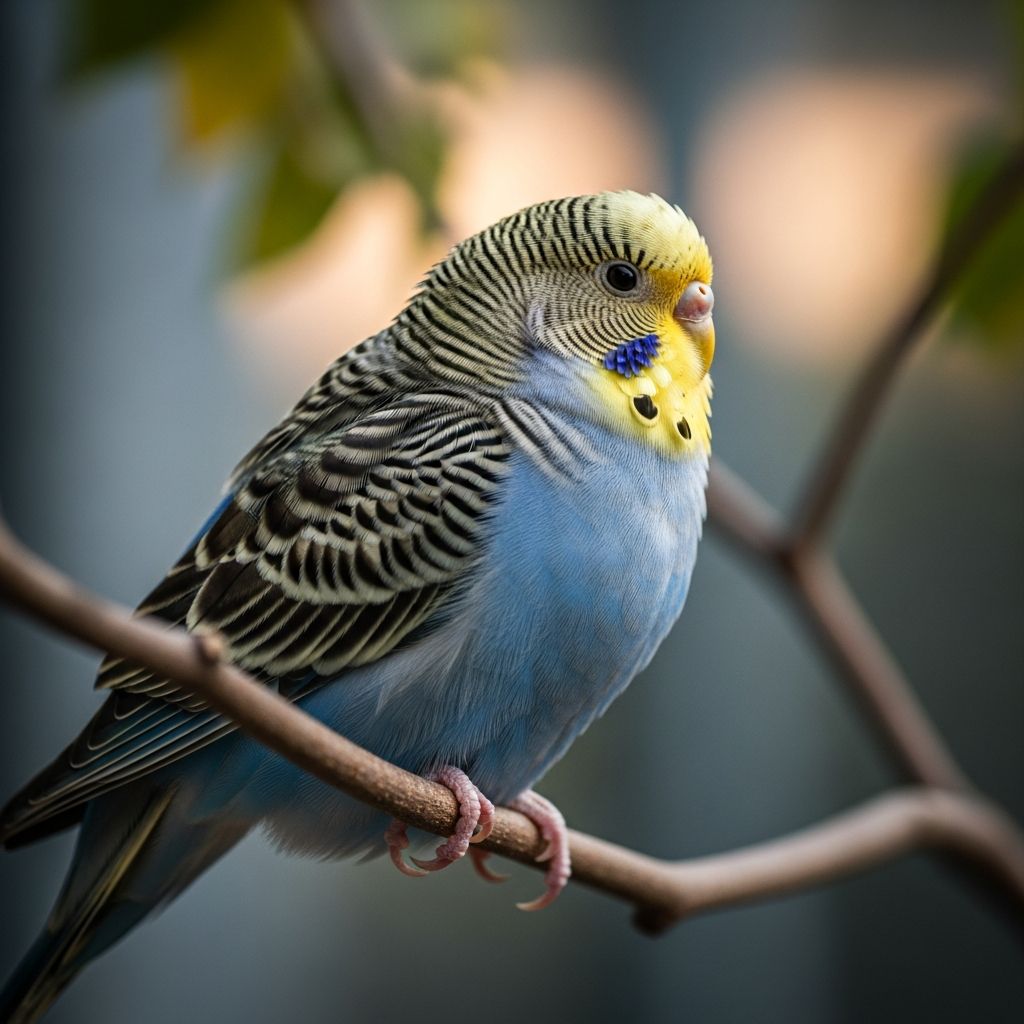
Obesity is an increasingly common problem among pet birds, affecting birds of all ages and species. Unlike their wild counterparts that spend much of their day foraging, flying, and engaging in natural behaviors, captive pet birds face a sedentary lifestyle that predisposes them to weight gain. When combined with improper nutrition, this lack of activity creates the perfect environment for obesity to develop. Understanding the causes, recognizing the signs, and implementing proper management strategies are essential for maintaining your pet bird’s health and longevity.
Understanding the Causes of Bird Obesity
Bird obesity develops when birds consume more calories than they burn. Pet birds are typically confined to cages with their wings trimmed to prevent flight, resulting in minimal daily exercise. This sedentary lifestyle means birds burn very few calories compared to their wild relatives. The primary culprit behind obesity in captive birds, however, is improper diet.
The Problem with Seed-Based Diets
Many bird owners unknowingly contribute to obesity by feeding their pets diets consisting primarily or entirely of seeds. While birds naturally enjoy seeds because their high fat content makes them palatable, seeds are fundamentally inadequate for long-term avian health. Seeds are deficient in essential vitamins and minerals, particularly vitamin A and calcium. Additionally, seeds and many nuts contain elevated levels of cholesterol and triglycerides, making them inherently high-fat food sources. A high-fat diet combined with minimal exercise creates an ideal situation for rapid weight gain.
Lack of Natural Foraging Behavior
In the wild, birds spend considerable time foraging, searching for food sources, and engaging in purposeful movement. Captive birds, however, often receive food served directly in bowls or dishes, eliminating the natural foraging behavior that would normally burn calories. This passive feeding removes the mental and physical stimulation that birds require, often leading to boredom and subsequent overeating.
Excessive Treats and Overfeeding
Well-meaning pet owners frequently offer excessive treats such as millet sprays, nuts, and table scraps, showing affection through food without understanding the caloric consequences. These treats are often high in fat and calories, and without proper portion control, they quickly contribute to excess fat accumulation. Additionally, environmental factors such as extended daylight hours from artificial lighting, hormonal changes during breeding season, and exposure to mirrors or nesting materials can stimulate appetite and hormonal imbalances, further promoting overeating.
Health Complications Associated with Bird Obesity
Obesity in birds is not merely a cosmetic concern; it precipitates numerous serious medical conditions that can significantly impact quality of life and longevity. Understanding these potential complications underscores the importance of maintaining proper weight in pet birds.
Fatty Liver Disease (Hepatic Lipidosis)
One of the most serious consequences of bird obesity is fatty liver disease, also known as hepatic lipidosis. This condition occurs when excessive fat accumulates in liver tissue, progressively impairing hepatic function. Fat gradually infiltrates the liver over time, reducing functional liver tissue until normal body metabolism becomes disrupted. Birds with fatty liver disease experience lethargy, poor feather quality, immune suppression, and in advanced stages, sudden death. The condition is particularly common in species such as Amazons, cockatiels, and budgies. Affected birds may display a distended abdomen, poor feather condition, and diarrhea. Severely affected birds may even be unable to withstand routine stress and can experience sudden death during veterinary examinations or minor procedures.
Arteriosclerosis and Atherosclerosis
Obese birds frequently develop arteriosclerosis and atherosclerosis, conditions characterized by hardening of the arteries with fat deposits. The fat deposits in blood vessels cause vessel walls to become rigid, inhibiting proper blood flow and reducing oxygen delivery to vital organs, particularly the brain. This vascular compromise can precipitate strokes and other cardiovascular emergencies, particularly when blood pressure rises during stress or exertion.
Heart Disease and Cardiovascular Problems
Excess fat places significant strain on the avian cardiovascular system, reducing overall cardiovascular efficiency. Obese birds may develop enlarged hearts, elevated blood pressure, and compromised circulation. Clinical signs of cardiac compromise include shortness of breath, open-mouth breathing after minimal activity, and fainting episodes. These cardiac complications place obese birds at substantially higher anesthetic risk, making necessary medical procedures more dangerous.
Metabolic and Endocrine Disorders
Pet birds can develop diabetes mellitus when their bodies lose the ability to regulate blood glucose effectively. This metabolic disorder is often directly linked to obesity and poor diet quality. Birds with diabetes display increased thirst, frequent urination, weight loss despite continued eating, and lethargy. Managing avian diabetes requires specialized dietary protocols and consistent veterinary oversight.
Joint and Bone Problems
The excessive weight carried by obese birds places tremendous stress on joints and bones. Gout, a painful condition resulting from uric acid crystal accumulation, commonly affects overweight birds. Articular gout causes swelling and stiffness in joints, particularly affecting the feet and legs, while visceral gout damages internal organs such as the kidneys and liver and is often fatal. Birds with gout limp, avoid perching, or display signs of extreme discomfort. Additionally, obesity exacerbates arthritis and other degenerative joint diseases.
Fatty Tumors and Neoplasias
Obese birds have increased susceptibility to fatty tumors (lipomas) and other fat-based tumors called xanthomas. These growths can impair normal physiological function and may require surgical intervention. The surgical removal of these tumors carries inherent risks, particularly in birds already compromised by obesity and its associated conditions.
Immune Suppression and Kidney Disease
Obesity compromises immune function, making birds more susceptible to bacterial, fungal, protozoal, and viral infections. Additionally, renal failure is common in older obese birds. Increased water consumption and elevated urine content in droppings indicate declining kidney function. Kidney disease in birds can progress rapidly and is often difficult to treat effectively.
Recognizing Signs of Obesity in Your Pet Bird
Identifying obesity in birds can be challenging because feathers conceal fat deposits. However, careful observation and regular handling allow attentive owners to detect weight gain early. Key indicators include:
Physical Signs: Overweight birds display visible fat deposits on and within their chest and abdomen. Feathers may appear fluffed or disheveled. Some obese birds develop an overgrown beak that grows rapidly and abnormally—a sign often indicative of underlying fatty liver disease.
Behavioral Changes: Obese birds tend to be sedentary and become easily winded with exercise or mild exertion. They may show reluctance to fly, climb, or engage in normal activity. Some birds emotionally eat when bored or stressed, creating a cycle of increasing obesity.
Respiratory Symptoms: Shortness of breath, open-mouth breathing after light activity, and labored respiration indicate cardiovascular and respiratory compromise.
Managing and Treating Bird Obesity
Dietary Modifications
The foundation of obesity management involves transitioning birds from seed-based diets to nutritionally balanced commercial pellet diets supplemented with fresh fruits and vegetables. This dietary transition should be implemented gradually and sympathetically, as abrupt changes may cause birds to refuse food entirely. A properly balanced diet provides essential vitamins, minerals, and appropriate fat levels while reducing caloric density. Pet owners should consult with avian veterinarians for guidance on implementing dietary changes appropriate to their specific bird species and individual needs.
Exercise and Environmental Enrichment
Implementing a regular exercise program helps birds burn calories and maintain muscle tone. Interactive toys, games, and supervised flight opportunities provide both physical and mental stimulation. Environmental enrichment through foraging opportunities—such as hiding food within toys or requiring birds to work for treats—restores natural behaviors while increasing daily calorie expenditure. Proper lighting cycles, typically 10-12 hours of daylight, also help regulate metabolism and appetite.
Portion Control and Treat Reduction
Careful portion control and significant reduction of high-calorie treats are essential for weight management. Owners should measure food quantities and eliminate or dramatically restrict millet sprays, nuts, and table scraps. Understanding appropriate portion sizes for your bird’s species and size helps prevent overfeeding.
Veterinary Monitoring
Regular veterinary checkups allow avian veterinarians to monitor weight loss progress, screen for developing complications, and adjust management strategies as needed. Early detection and intervention can reverse obesity before irreversible damage occurs.
Prevention Strategies for Healthy Birds
Preventing obesity is significantly easier than treating established obesity and its complications. From the moment you bring a bird home, establish healthy feeding practices:
Establish proper diet from the start: Begin with high-quality pellet-based diets supplemented with fresh fruits and vegetables rather than seed-focused diets.
Provide ample exercise opportunities: Allow supervised flight time when possible, provide climbing structures, and rotate toys regularly to maintain interest and activity levels.
Practice portion control: Measure daily food quantities and establish consistent feeding schedules.
Minimize treats: Limit treats to occasional offerings of healthy foods rather than high-fat commercial treats.
Schedule regular veterinary exams: Annual or biannual veterinary examinations help identify early weight gain before obesity becomes established.
Frequently Asked Questions
Q: How can I tell if my bird is overweight?
A: Feel your bird’s keel bone (breastbone) gently. You should be able to feel it without excessive fat padding. Visible fat deposits on the abdomen and chest, combined with reduced activity levels and labored breathing, indicate obesity.
Q: What is the best diet for preventing obesity?
A: A diet consisting primarily of high-quality commercial pellets supplemented with fresh vegetables and limited fresh fruits provides proper nutrition while maintaining appropriate caloric intake. Avoid seed-based diets as the primary food source.
Q: Can obesity be reversed in birds?
A: Yes, obesity can be treated and reversed through proper nutrition and increased exercise, particularly if detected early before serious complications develop. However, damage from conditions like fatty liver disease or atherosclerosis may be permanent if allowed to progress.
Q: How much exercise does my bird need daily?
A: While specific requirements vary by species, all pet birds benefit from daily exercise opportunities. This includes flight time (if possible), climbing, playing with toys, and foraging activities. Even small birds confined to cages benefit from interactive play and movement.
Q: Are certain bird species more prone to obesity?
A: Yes, larger parrot species such as Amazons and Macaws, as well as cockatiels and budgies, show particular susceptibility to obesity and its complications. However, any captive bird can develop obesity with improper diet and insufficient exercise.
References
- Obesity in Birds — VCA Animal Hospitals. 2025. https://vcahospitals.com/know-your-pet/obesity-in-birds
- Bird Health Awareness: Common Health Problems Every Pet Bird Owner Should Know — Mount Pleasant Veterinary Group. 2025. https://www.mountpleasant.com.sg/education/common-health-problems-every-pet-bird-owner-should-know/
- Obesity in Pet Birds — ZuPreem. 2025. https://zupreem.com/obesity-in-pet-birds/
- Bird Obesity: What You Should Know — PDS Parrot Shop. 2025. https://pdsparrotshop.com/blogs/pds-parrot-blog/bird-obesity
- Fatty Liver Disease in Birds — Animal House of Chicago. 2025. https://animalhouseofchicago.com/news/birds-fatty-liver
- An Overweight Bird is Unhealthy — Pet Assure. 2025. https://www.petassure.com/new-newsletters/an-overweight-bird-is-unhealthy/
Similar Articles







Read full bio of medha deb