

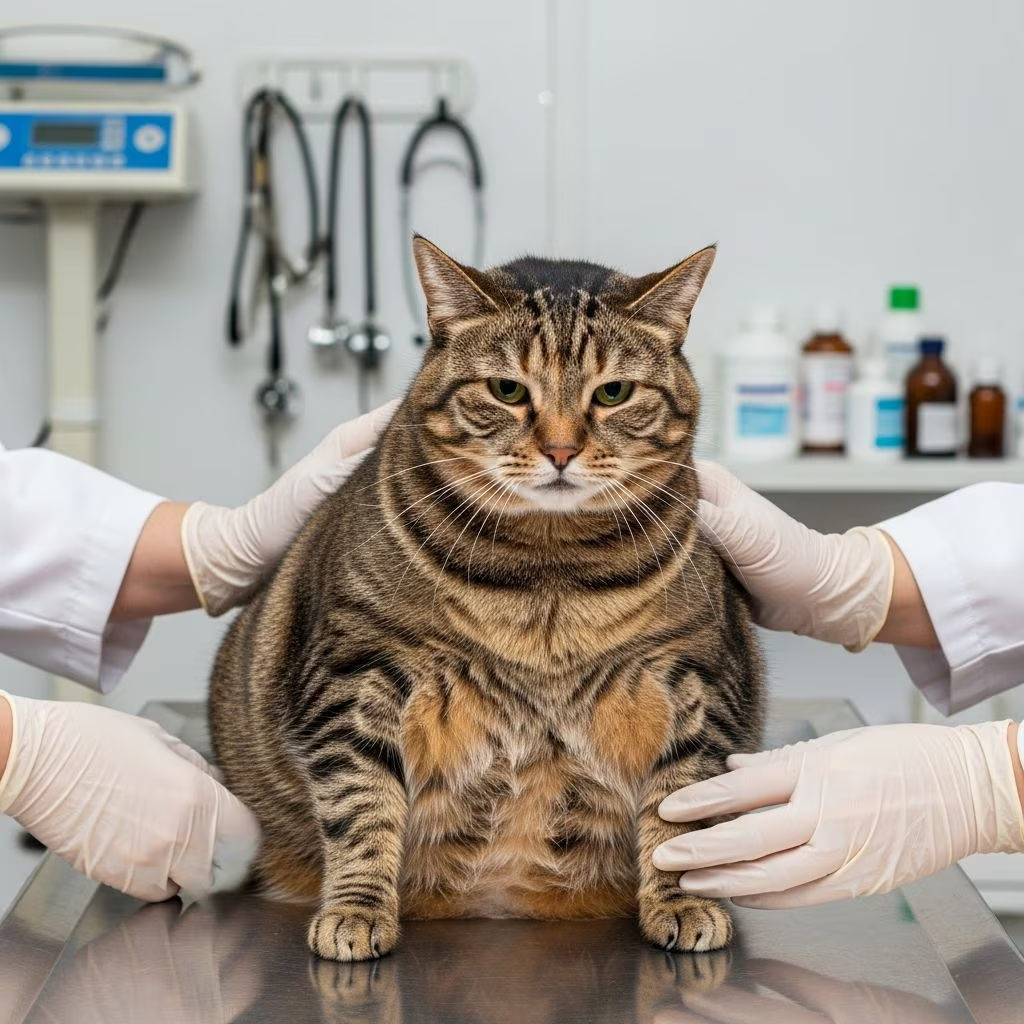
Understanding Cat Obesity: A Growing Health Concern
Obesity has emerged as one of the most significant health challenges affecting domestic cats today. What might seem like a cosmetic concern is actually a serious medical condition that can dramatically shorten your cat’s lifespan and quality of life. The prevalence of feline obesity continues to rise, with an estimated 60% of cats in North America classified as overweight or obese. Understanding the causes, recognizing the warning signs, and taking action to manage your cat’s weight are essential responsibilities of any caring pet owner.
Why Cat Obesity Is So Prevalent
Several factors contribute to the widespread problem of obesity in cats today. Most cats live indoors, meaning they no longer must roam and hunt for food, which significantly reduces their daily calorie expenditure. Unlike their outdoor ancestors, indoor cats have minimal opportunity for natural activity and exercise, leading to a sedentary lifestyle that promotes weight gain.
Pet food manufacturers have also gradually increased the energy density of their products over time, meaning more calories are packed into each cup or can of food. Additionally, when cats have access to free-choice feeding—where food remains in the bowl throughout the day—they often consume far more calories than their bodies require. This combination of factors creates a perfect storm for weight gain: when calories consumed exceed calories burned, obesity becomes inevitable.
Certain cats face higher risk factors for developing obesity. Middle-aged cats (8-12 years old), spayed or neutered cats, and indoor-only felines are particularly vulnerable. Neutered cats show an increased appetite shortly after surgery and require a substantial 30-40% reduction in daily caloric intake just to maintain their current weight, making weight management especially challenging for these animals.
Recognizing the Signs of an Obese Cat
Identifying obesity in your cat requires careful observation of both physical and behavioral changes. Understanding these warning signs allows you to intervene early before serious health complications develop.
Physical Indicators
A healthy cat should have ribs that you can feel with gentle pressure, though not visibly prominent. In severely obese cats, the ribs cannot be felt through a heavy layer of fat, and there are noticeable fat deposits over the lumbar area, face, and limbs. Your cat may also have lost their natural waist definition and display a sagging belly.
Behavioral Changes
Behavioral symptoms often appear first in obese cats. Watch for reduced energy and activity levels, with your cat sleeping significantly more than usual. Overweight cats frequently exhibit decreased enthusiasm for play and may show reluctance to engage in activities they previously enjoyed. Many obese cats struggle with grooming, resulting in a dull, scaly coat, particularly on the hind quarters, due to their reduced ability to reach all areas of their body.
Mobility Issues
If your cat has difficulty walking, jumping, or getting on and off furniture, their excess weight may be a contributing factor. You might notice lameness or hesitation before jumping, with obese cats being almost five times more likely to develop lameness compared to lean cats. Some cats may also display increased vocalization, excessive meowing, or begging for food more frequently than before.
Serious Health Risks Associated With Feline Obesity
The health consequences of obesity in cats are extensive and often life-threatening. Excess weight doesn’t just affect mobility—it creates systemic changes throughout the body that increase vulnerability to multiple serious conditions.
Metabolic and Endocrine Disorders
Type 2 Diabetes: Obese cats are three times more likely to develop type 2 diabetes than cats of normal weight. The underlying mechanisms are complex: weight gain reduces the expression of glucose-transport molecules in muscle and fat tissue, while also increasing intra- and extramyocellular lipid, all of which contribute to insulin resistance. Symptoms include increased thirst, excessive urination, and weight loss despite increased appetite. The encouraging news is that obesity-induced changes in glucose homeostasis are at least initially reversible with weight loss.
Orthopedic Complications
Osteoarthritis and Joint Disease: Being overweight or obese sets the stage for joint damage and osteoarthritis, leading to chronic pain. Excess weight places mechanical stress on joints, but that’s only part of the problem. Fat tissue is biologically active, secreting hormones and chemical compounds that cause inflammation, creating a vicious cycle of pain and deterioration. Research suggests that 12-22% of lameness cases in overweight cats could be eliminated if they achieved ideal body weight.
Cardiovascular Problems
Heart Disease and Hypertension: Increased body fat contributes to high blood pressure and cardiovascular complications, which may eventually lead to heart failure. These conditions develop insidiously, often without obvious symptoms until significant damage has occurred.
Urinary and Renal Issues
Overweight cats face greater risk of urinary infections and blockages, which can become medical emergencies. Additionally, extra weight can strain kidney function, accelerating chronic kidney disease progression in susceptible cats.
Additional Health Complications
Obese cats also face increased risks of:
- Bladder stones
- Some forms of cancer
- Weakened immune system function
- Liver disease (hepatic lipidosis)—a life-threatening condition that can develop if an obese cat suddenly stops eating
- Respiratory disorders
- Skin and coat problems
- Chronic inflammation throughout the body
Perhaps most significantly, obesity shortens cats’ lives substantially. By maintaining a healthy weight, your cat can enjoy a significantly longer lifespan and better quality of life throughout their senior years.
Common Causes of Obesity in Cats
Understanding why your cat has become overweight is the first step toward solving the problem. Multiple factors can contribute to obesity, and addressing them requires identifying which causes are most relevant to your individual pet.
Overfeeding and Feeding Practices
Free Feeding: Leaving food in the bowl all day is a known cause of obesity in cats of any age. Cats fed this way often eat out of boredom rather than genuine hunger, consuming far more calories than needed.
Large Infrequent Meals: Feeding one or two large meals daily may increase obesity risk compared to spreading food into smaller, frequent meals. This feeding pattern can also increase begging behaviors as cats become hungry between meals.
Excessive Treats: Treats tend to be higher in fat and calories than regular diet food, so offering too many treats quickly increases total daily calorie intake and can create nutritional imbalances.
Rapid Food Consumption
If your cat eats too quickly, this can lead to continued crying and begging, which may result in feeding your cat additional food off-schedule to keep them quiet and entertained.
Underlying Medical Conditions
In some cases, certain health conditions can lead to weight gain and obesity. Thyroid disorders, hormonal imbalances, and other metabolic issues should be ruled out with your veterinarian before beginning a weight loss program.
Implementing an Effective Weight Loss Program
The good news is that obesity is preventable, and even if your cat is already overweight or obese, the condition can be reversed. With commitment and the right approach, you can help your cat achieve a healthy weight and normal body condition, restoring their life expectancy to normal levels.
Dietary Modifications
Calorie-Restricted Foods: Most weight loss programs begin with switching to a specially formulated calorie-controlled food that promotes weight loss while maintaining lean muscle mass. Low-carbohydrate and low-fat diets with higher protein and insoluble fiber are generally recommended for obese cats, as they help your cat feel fuller longer.
Switching from Kibble to Canned Food: Many veterinarians recommend transitioning from dry kibble to canned food as part of a weight loss strategy. Canned foods typically contain fewer calories per serving and have higher moisture content, helping cats feel satiated.
Prescription Metabolic Diets: For cats requiring significant weight loss, your veterinarian may suggest prescription diets explicitly formulated for feline weight loss. These specialized foods are designed to support metabolic function while promoting gradual, sustainable weight reduction.
Gradual Diet Transition: Any dietary changes should be made gradually to prevent digestive upset and ensure your cat accepts the new food willingly. A slow transition typically takes 7-10 days.
Portion Control and Feeding Strategies
Implement portion control by measuring food carefully according to your veterinarian’s recommendations. Instead of free feeding, establish set feeding times with specific portion sizes. Feeding multiple small meals throughout the day rather than one or two large meals can help maintain metabolism and reduce hunger-related begging.
Increasing Physical Activity
Your veterinarian may recommend that your cat get more exercise and activity. This might include:
- Daily interactive play sessions with toys
- Supervised outdoor time or leashed walks
- Environmental enrichment to prevent boredom
- Puzzle feeders and interactive toy feeders that slow eating pace while providing mental stimulation
These activities not only burn calories but also prevent the boredom that often leads to excessive eating.
Monitoring Progress and Regular Veterinary Care
Regular veterinary check-ups are essential for monitoring weight loss progress and overall health during the weight loss journey. Your veterinarian can assess body composition, ensure weight loss is occurring at a healthy pace, and adjust the program as needed. Correct assessment of body composition is important not only for recognizing early obesity but also for monitoring the success of weight-loss programs.
Supporting Hydration
Ensure your cat has constant access to fresh, clean water, as proper hydration supports overall health and metabolic function during weight loss.
Prevention Strategies for Weight Management
The best approach to obesity is prevention. By implementing healthy lifestyle habits early, you can help your cat maintain an ideal body weight throughout their life:
- Feed measured portions of high-quality, appropriate calorie-level food
- Avoid free-choice feeding practices
- Limit treats to no more than 10% of daily caloric intake
- Provide regular opportunities for play and exercise
- Create an enriched indoor environment to encourage activity
- Schedule regular veterinary wellness visits
- Monitor your cat’s weight and body condition consistently
Frequently Asked Questions
Q: How can I tell if my cat is overweight versus truly obese?
A: Overweight cats have difficulty feeling their ribs and show reduced waist definition when viewed from above. Obese cats have ribs that cannot be felt at all, significant fat deposits over the lumbar area and face, and a prominent sagging belly. Your veterinarian can provide a precise body condition score assessment.
Q: How quickly should my cat lose weight?
A: Healthy weight loss in cats typically occurs at a rate of 1-2% of body weight per week. Rapid weight loss can be dangerous and may lead to hepatic lipidosis (fatty liver disease), a potentially life-threatening condition. Your veterinarian should establish an appropriate weight loss timeline for your individual cat.
Q: Can obesity in cats be reversed?
A: Yes, obesity can be reversed with commitment to dietary changes, portion control, and increased activity. Even more encouraging, obesity-induced metabolic changes like insulin resistance are often reversible with weight loss, meaning your cat can recover normal metabolic function.
Q: What if my cat won’t eat the new diet food?
A: Work with your veterinarian to find an acceptable alternative. A slow, gradual transition over 7-10 days often helps cats accept new foods. Your vet may also recommend specific brands or formulations that are more palatable to your cat while still supporting weight loss.
Q: How often should I have my cat’s weight monitored during a weight loss program?
A: Regular veterinary check-ups every 4-6 weeks help ensure weight loss is progressing appropriately and that your cat remains healthy throughout the process. Your veterinarian can adjust the program based on your cat’s individual response.
Q: Are certain cat breeds more prone to obesity?
A: All cat breeds can become obese, though individual metabolism and lifestyle factors are more important determinants than breed. Spayed or neutered cats and those living primarily indoors face higher obesity risk regardless of breed.
Taking Action for Your Cat’s Future
Maintaining a healthy weight is essential for your cat’s well-being and longevity. By addressing obesity through dietary changes, portion control, increased activity, and regular veterinary monitoring, you can dramatically improve your feline companion’s quality of life and reduce the risk of serious, life-threatening health problems. The investment you make today in your cat’s weight management will pay dividends for years to come, allowing your cat to live its best life for as long as physically possible.
References
- Understanding Cat Obesity: Causes, Symptoms, and Solutions — Pinepoint Veterinary Clinic. 2024. https://pinepointvet.com/understanding-cat-obesity/
- Overweight, Obesity, and Pain in Cats: Prevention and Action Plans — VCA Animal Hospitals. 2024. https://vcahospitals.com/know-your-pet/overweight-obesity-and-pain-in-cats-prevention-and-action-plans
- Obesity in Cats: Signs, Causes, and Treatment — PetMD. 2024. https://www.petmd.com/cat/conditions/digestive/c_ct_obesity
- Feline Obesity: The Health Risks and How to Help Your Cat Lose Weight — Parker Veterinary Hospital. 2024. https://parker-vet.com/feline-obesity-the-health-risks-and-how-to-help-your-cat-lose-weight/
- Management of obesity in cats — PMC/NIH National Center for Biotechnology Information. 2020. https://pmc.ncbi.nlm.nih.gov/articles/PMC7337193/
- Obesity in Cats — Central Hospital For Veterinary Medicine. 2024. https://centralpetvet.com/2024/07/16/obesity-in-cats/
- Understanding Cat Obesity — Purina. 2024. https://www.purina.com/articles/cat/health/symptoms/obesity



