

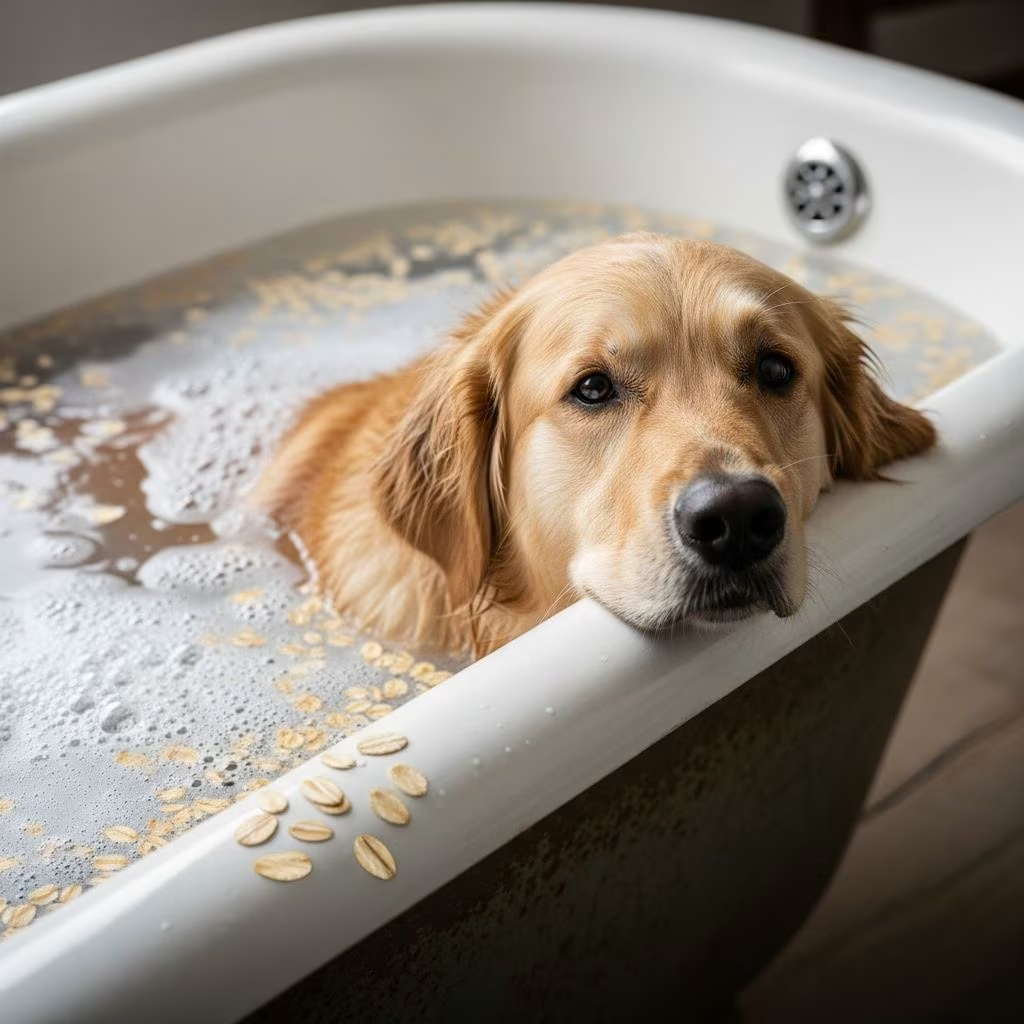
Understanding Dry Skin in Dogs
Dry skin affects dogs across all breeds and ages, though certain breeds with shorter coats or hairless varieties face higher prevalence rates. Environmental factors, seasonal changes, allergies, and dietary deficiencies can all contribute to the development of uncomfortable dryness. When a dog’s skin lacks adequate moisture, the condition often progresses to itching, flaking, and visible discomfort. This uncomfortable state can significantly impact a dog’s quality of life, leading to excessive scratching that may cause secondary infections or further irritation.
Pet owners searching for relief often turn to commercial products filled with harsh chemicals, but nature offers a gentler, proven alternative. Oatmeal has served as a trusted remedy for skin irritation in both humans and animals for centuries, and modern veterinary science continues to support its effectiveness. The compound nature of oatmeal provides multiple therapeutic pathways that work synergistically to restore skin health and comfort.
The Science Behind Oatmeal’s Healing Properties
Oatmeal possesses a unique chemical composition that makes it exceptionally suited for treating canine skin conditions. The compound contains several active ingredients that work together to address dry skin from multiple angles. Understanding these components helps explain why veterinarians recommend oatmeal-based treatments as a first-line natural solution.
Key Active Components
- Starches and Beta-Glucans: These compounds create a moisture-retaining barrier on the skin’s surface, preventing hydration loss and supporting long-term skin health.
- Avenanthramides: These plant-derived compounds possess powerful anti-inflammatory properties that directly reduce redness, swelling, and skin irritation.
- Phenols: Acting as natural antioxidants, phenols protect skin cells from environmental damage and support the body’s natural healing processes.
- Saponins: These natural cleansing agents gently remove dirt and impurities without stripping away essential oils that maintain skin health.
When oatmeal contacts the skin, these components work together to create multiple beneficial effects. The moisturizing properties hydrate dry patches, while the anti-inflammatory compounds reduce irritation and discomfort. Simultaneously, the gentle cleansing action removes debris without causing additional irritation, creating an optimal environment for skin recovery.
Understanding Colloidal Oatmeal for Canine Care
Colloidal oatmeal represents a specially processed form of oat grain that differs significantly from breakfast oatmeal. The colloidal preparation involves grinding oats into an extremely fine powder that disperses evenly in water, creating a milky suspension. This specific formulation maximizes the surface area available for skin contact, enhancing the therapeutic benefits compared to regular oatmeal.
The distinction between colloidal and regular oatmeal matters considerably for pet care applications. Colloidal oatmeal adheres better to the skin and coat, remains suspended in water longer, and provides more consistent contact with affected areas. These properties make colloidal oatmeal the preferred choice for both bath applications and topical paste treatments.
Creating Effective Oatmeal Bath Solutions
An oatmeal bath represents one of the most effective methods for treating widespread dry skin conditions affecting multiple body areas. The immersive nature of a full bath allows the therapeutic compounds to contact the majority of the dog’s skin simultaneously, maximizing relief and healing potential.
Preparation and Measurement Guidelines
The first step involves determining the appropriate quantity of oatmeal based on your dog’s size. For small dogs, begin with one-third cup of colloidal oatmeal, scaling up to one full cup for large breeds. If using regular oatmeal, grind it in a food processor or blender until it reaches a fine powder consistency, similar to flour or powdered sugar.
Pour warm (not hot) water into the bathtub to a comfortable depth—most dogs do well when water reaches approximately their lower abdomen. Add the oatmeal powder slowly while stirring to ensure even distribution. The water should take on a milky appearance, indicating proper oatmeal concentration and suspension.
Application Technique
Carefully place your dog in the bath and allow a few moments for adjustment. Using a cup, slowly pour the oatmeal solution over your dog’s entire body, ensuring complete coverage from neck to tail. Pay special attention to areas showing visible irritation, redness, or excessive scratching. Gently massage the oatmeal mixture directly onto these sensitive zones, allowing the therapeutic compounds maximum contact time.
Allow your dog to soak for approximately ten minutes while continuing gentle massage motions. This duration provides sufficient time for the oatmeal’s active components to penetrate the skin and deliver their therapeutic effects. Some dogs may become anxious during this period, so maintaining a calm, reassuring demeanor helps ensure cooperation and comfort.
Rinsing and Post-Bath Care
After the soak period, rinse your dog thoroughly with warm, clean water until no oatmeal residue remains. Pat the coat dry with soft towels, avoiding high-heat blow dryers that can further dry the skin. Your dog will likely feel slippery immediately after the bath, so provide extra care to prevent slipping on tile or hardwood floors.
Consider brushing the coat gently once dry to distribute natural oils throughout the fur and prevent matting. If your dog tolerates additional moisturizing steps, applying a dog-safe conditioning product can enhance the hydrating benefits of the oatmeal bath.
Enhancing Bath Efficacy with Additional Ingredients
While oatmeal alone provides substantial benefits, combining it with complementary ingredients amplifies the moisturizing and soothing effects. These additions create a more comprehensive treatment that addresses multiple aspects of skin health.
Dairy-Based Enhancement
Adding one cup of milk (dairy or non-dairy alternatives work equally well) to the oatmeal bath increases the moisturizing properties significantly. Milk contains natural fats and proteins that nourish the skin and enhance hydration. This addition is particularly beneficial for dogs with severely compromised skin barriers or extensive dry patches.
Oil-Based Boosters
A tablespoon of olive oil provides additional nutrient-rich oils that penetrate the skin and support natural oil production. These healthy fats complement the oatmeal’s inherent moisturizing properties and help restore the skin’s protective lipid layer. Other suitable options include coconut oil or fish oil, each offering unique nutritional benefits alongside moisturizing effects.
Targeted Oatmeal Paste for Localized Treatment
While full baths address widespread dry skin, localized conditions like hotspots, insect bites, or isolated rashes require more concentrated treatment. An oatmeal paste delivers powerful therapeutic action directly to problem areas without requiring full immersion.
Paste Preparation
Mix equal parts colloidal oatmeal and water to create a thick, spreadable consistency. Starting with one-half cup of each ingredient provides a manageable quantity for most applications. Adjust the water content gradually to achieve the desired thickness—the paste should adhere to the skin without being so wet that it drips excessively.
Application Method
Apply the paste directly to affected areas, spreading it evenly across the irritated skin. Press the paste gently into the area to maximize contact with the skin surface. Allow the paste to remain in place for ten to fifteen minutes, during which the oatmeal’s active compounds penetrate the skin and reduce inflammation.
Some dogs benefit from distraction during this waiting period. Offering a favorite toy, treat, or engaging activity helps prevent your dog from licking or scratching the paste away prematurely, allowing the full therapeutic duration.
Removal and Follow-up
After the appropriate duration, gently rinse the paste away using lukewarm water. Pat the area dry with soft towels, being careful not to rub or create additional friction. Repeat this treatment daily or as recommended by your veterinarian until the condition shows significant improvement.
Conditions Responsive to Oatmeal Treatment
Oatmeal-based remedies address a surprisingly broad spectrum of canine skin conditions, extending far beyond simple dry skin. Understanding which conditions respond well to oatmeal helps pet owners determine whether this natural approach suits their dog’s specific situation.
| Skin Condition | Oatmeal Effectiveness | Recommended Application |
|---|---|---|
| Dry Skin | Highly Effective | Weekly baths or daily paste for affected areas |
| Itching and Pruritus | Highly Effective | Baths twice weekly or paste as needed |
| Allergic Reactions | Moderately Effective | Baths twice weekly combined with other treatments |
| Hotspots | Highly Effective | Paste application twice daily |
| Insect Bites | Highly Effective | Paste application as needed for relief |
| Dermatitis | Moderately Effective | Weekly baths with veterinary oversight |
| Dandruff | Highly Effective | Weekly baths or twice weekly for severe cases |
| Sunburn | Moderately Effective | Paste application for affected areas |
Timeline for Visible Improvement
Pet owners often wonder how quickly they should expect to see positive results from oatmeal treatments. The timeline for improvement varies based on the severity of the condition, the dog’s individual skin sensitivity, and the consistency of treatment application.
Mild cases of dry skin may show improvement within a few days of beginning regular oatmeal baths. Dogs experiencing significant relief from itching often exhibit behavioral changes—increased calm, reduced scratching frequency, and more comfortable rest periods—within this initial window. More moderate cases typically require one to two weeks of consistent treatment before pronounced improvements become apparent.
Severe or chronic skin conditions may demand extended treatment periods of three to four weeks before reaching maximum benefit. Consistency matters significantly during this process; irregular or sporadic treatments yield slower results and less dramatic improvements. Establishing a regular schedule—such as weekly baths combined with daily paste applications for problem areas—maximizes the likelihood of rapid, sustained improvement.
Safety Considerations and Precautions
Oatmeal represents one of the safest natural remedies available for canine skin care. It contains no toxic compounds and poses virtually no risk of adverse reactions in the vast majority of dogs. However, certain precautions and considerations ensure optimal safety and efficacy.
Water Temperature Management
Always use warm water rather than hot water for oatmeal baths. Excessively hot water can further irritate already compromised skin and potentially cause burns. Test the water temperature with your inner wrist or elbow—it should feel comfortably warm but not hot to human touch.
Preventing Ingestion
While oatmeal is non-toxic if ingested, encouraging your dog to lick oatmeal off their skin or coat during treatment may limit the remedy’s effectiveness. Some dogs naturally attempt to lick substances applied to their skin, reducing the therapeutic contact time. Consider using a recovery collar or engaging your dog with interactive toys to minimize this behavior during treatment.
Monitoring for Adverse Reactions
Although rare, some dogs may exhibit sensitivity to oatmeal products. Watch for signs of increased itching, redness, or swelling following treatment. If your dog displays any adverse reactions, discontinue use and consult your veterinarian, as these symptoms may indicate sensitivity or an underlying condition requiring different treatment approaches.
Complementary Care Strategies
While oatmeal treatments prove highly effective for many dogs, combining them with complementary approaches often yields superior results. A comprehensive approach addresses dry skin from multiple angles, promoting faster healing and more sustained improvement.
Dietary improvements play a crucial role in skin health, particularly incorporating omega-3 and omega-6 fatty acids that support skin barrier function. Adding high-quality supplements or feeding fish-based diets can enhance the healing effects of topical oatmeal treatments. Additionally, ensuring adequate hydration by maintaining consistent fresh water availability supports skin health from within.
Environmental modifications—such as using humidifiers during dry seasons, minimizing exposure to harsh chemicals or irritants, and protecting paws from salt and rough surfaces—reduce ongoing skin irritation and allow oatmeal treatments to work more effectively. Regular grooming with gentle products maintains skin health while monitoring for new problem areas.
When to Seek Professional Veterinary Guidance
While oatmeal treatments address many cases of canine dry skin successfully, certain situations warrant professional veterinary evaluation. If dry skin persists despite consistent oatmeal treatments lasting three to four weeks, underlying allergies or medical conditions may require professional diagnosis and treatment. Similarly, if your dog displays signs of secondary infections, excessive hair loss, or behavioral changes related to skin discomfort, veterinary assessment ensures proper diagnosis and appropriate treatment planning.
Dogs experiencing systemic conditions such as hypothyroidism, nutritional deficiencies, or autoimmune disorders may develop dry skin as a symptom. These cases benefit from professional evaluation and targeted treatment of the underlying cause alongside supportive oatmeal care.
Frequently Asked Questions
Is oatmeal safe for all dog breeds?
Yes, oatmeal represents a safe treatment for dogs of all breeds and ages. Its gentle composition and lack of toxic compounds make it universally suitable for canine skin care.
How often should I give my dog oatmeal baths?
For mild dry skin, once weekly baths typically suffice. More severe cases benefit from twice-weekly baths. Paste applications for localized areas can occur daily as needed without safety concerns.
Can I use regular oatmeal instead of colloidal oatmeal?
Yes, regular oatmeal works effectively when ground to a fine powder. Colloidal oatmeal is more convenient and disperses more evenly, but grinding regular oatmeal achieves similar results.
What should I avoid when treating dry skin with oatmeal?
Avoid excessively hot water, harsh commercial shampoos, and frequent bathing with non-oatmeal products. Also avoid scents or additives that may irritate sensitive skin further.
Can oatmeal treat allergic reactions?
Oatmeal provides relief from itching and inflammation associated with allergic reactions, but doesn’t address the underlying allergen. Combining oatmeal treatment with allergen identification and avoidance yields best results.
References
- Giving Your Dog an Oatmeal Bath: Helping Dogs With Itchy Skin — Friendly Animal Clinic. https://www.greensboroncvet.com/site/friendly-animal-clinic-blog/2020/11/26/dog-oatmeal-bath
- Is Colloidal Oatmeal Extract Good for a Dog’s Skin & Coat? — Lola Hemp. https://lolahemp.com/blogs/dog-health/colloidal-oatmeal-extract-for-dogs-coat
- The Powerful Topical Benefits of Colloidal Oatmeal for Pets Explained — HICC Pet. https://hiccpet.com/blogs/dogs/the-powerful-topical-benefits-of-colloidal-oatmeal-for-pets-explained
- Oatmeal Baths for Dogs — Whole Dog Journal. https://www.whole-dog-journal.com/care/oatmeal-baths-for-dogs/
- How to Make an Oatmeal Bath for Dogs With Itchy Skin — PetMD. https://www.petmd.com/dog/grooming/how-make-oatmeal-bath-dogs-itchy-skin
- Home Remedies for Dry Dog Skin — AKC Pet Insurance. https://www.akcpetinsurance.com/blog/home-remedies-for-dry-dog-skin
- Why Oatmeal Extract Is a Skin Superhero for Pets — Pure and Natural Pet. https://pureandnaturalpet.com/blogs/news/why-oatmeal-extract-is-a-skin-superhero-for-pets



