
Oak Toxicity in Pets: Risks and Remedies
Discover the hidden dangers of oak trees for dogs, cats, and livestock, from acorns to buds, and learn vital steps for prevention and emergency care.
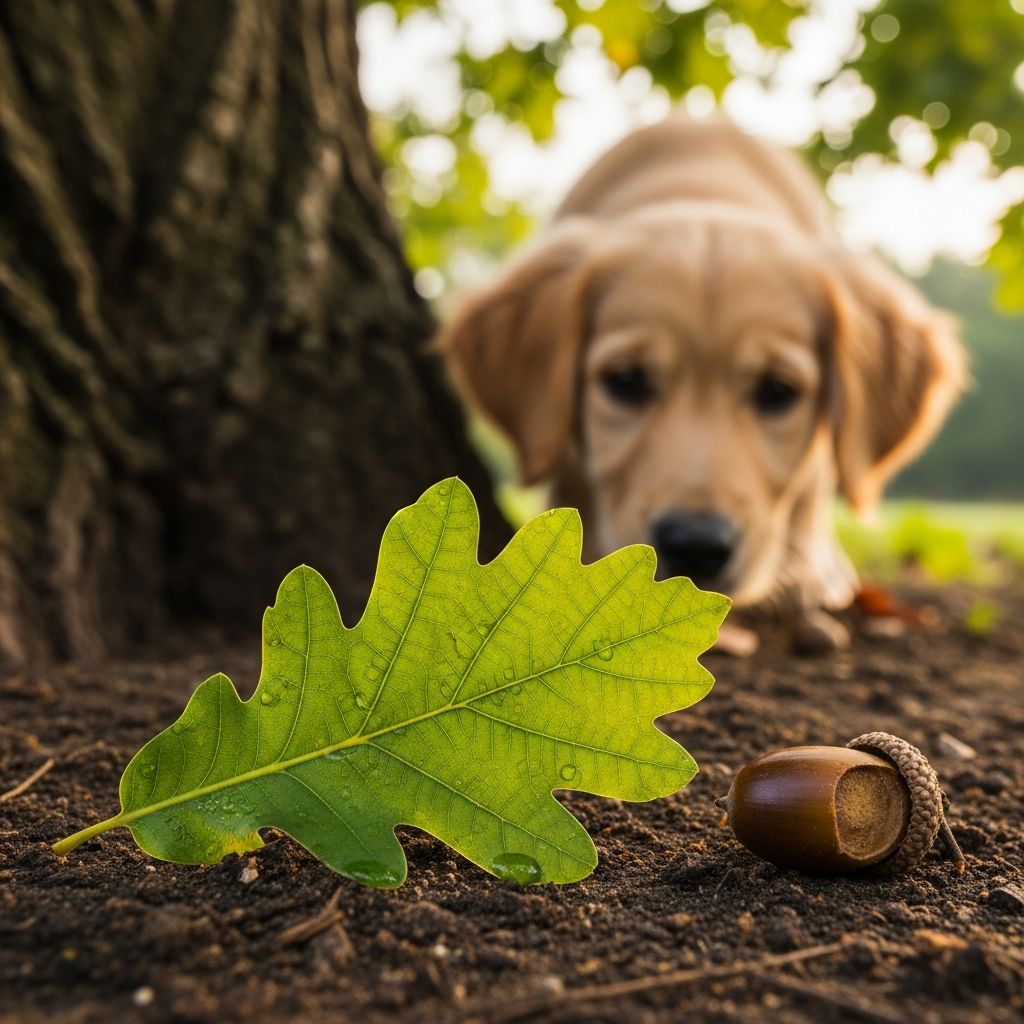
Oak trees, belonging to the Quercus genus, pose a significant poisoning risk to pets through their buds, leaves, and especially acorns, which contain high levels of tannins that can lead to severe gastrointestinal, liver, and kidney damage.
Understanding the Toxic Components of Oak Plants
Oak toxicity stems primarily from hydrolysable tannins, compounds abundant in young leaves, buds, and developing acorns. These substances interfere with protein digestion and damage kidney tubules when metabolized, leading to acute renal failure in severe cases. Gallotannins and ellagitannins are the key culprits, converting into gallic acid and pyrogallol, which are nephrotoxic and hepatotoxic.
Acorns represent the highest risk due to their concentrated tannin content, particularly in unripe ones. Immature buds and foliage also harbor these toxins, making spring and fall seasons especially hazardous when pets forage outdoors.
Animals Most Vulnerable to Oak Poisoning
Dogs, horses, cattle, sheep, and goats are highly susceptible, with livestock often affected in pastures dominated by young oaks. Dogs commonly ingest acorns during walks or play in wooded areas, while cats are less prone but not immune if they chew on plant parts.
- Dogs: Frequent acorn eaters, showing rapid onset of symptoms after consuming handfuls.
- Horses and ruminants: Suffer mass outbreaks when grazing oak-rich ranges, with high mortality if untreated.
- Cats: Rare cases, typically from curiosity-driven nibbling.
Smaller pets or those with pre-existing conditions face amplified risks due to lower tolerance thresholds.
Recognizing Early Warning Signs
Symptoms typically emerge 6-24 hours post-ingestion, starting with digestive upset and progressing to organ failure if unchecked. Initial signs include profuse vomiting, often containing plant fragments, followed by watery diarrhea that may turn bloody.
| Stage | Symptoms | Common in Species |
|---|---|---|
| Early (Hours 1-12) | Vomiting, diarrhea, abdominal pain, loss of appetite | Dogs, horses |
| Intermediate (Days 1-3) | Lethargy, dehydration, icterus (jaundice), pale gums | Cattle, dogs |
| Advanced (Days 3+) | Kidney failure signs (thirst, weak pulse), tremors, collapse | All susceptible animals |
Owners report pets becoming depressed, with rapid breathing and mouth ulcers in prolonged exposures. In dogs, cracked acorns exacerbate issues by releasing more tannins.
Pathophysiology: How Tannins Wreak Havoc
Upon ingestion, tannins bind to proteins in the gut, disrupting nutrient absorption and causing mucosal inflammation. Absorbed metabolites target the liver, elevating enzymes like ALT and AST, and kidneys, leading to tubular necrosis.
In ruminants, rumen microbes partially detoxify tannins, but overload overwhelms this, causing acidosis. Horses and dogs lack such adaptation, resulting in faster progression to hepatorenal syndrome.
Immediate Response Protocols for Suspected Exposure
Act swiftly: Prevent further intake by removing access to oak debris. Do not induce vomiting at home, as it risks aspiration or tannin release from fragmented acorns.
- Assess the situation: Note amount ingested, time elapsed, and initial symptoms.
- Contact a veterinarian or poison hotline immediately for guidance.
- Transport to a clinic with sample of ingested material if possible.
Time-sensitive interventions like activated charcoal can bind residual toxins within the first few hours.
Veterinary Interventions and Supportive Care
Treatment focuses on decontamination, hydration, and organ support. IV fluids correct dehydration and flush kidneys, while anti-emetics control vomiting.
- Decontamination: Gastric lavage or emetics under supervision, followed by charcoal.
- Organ support: Hepatoprotectants (e.g., SAMe), nephroprotectants, and bloodwork monitoring.
- Ruminant-specific: Rumen transfaunation to restore flora.
A documented dog case recovered fully after 6 days of ICU care, including fluids and monitoring, despite initial liver and kidney injury. Surgery may address blockages from acorn shells.
Prognosis Factors Influencing Recovery
Early intervention yields high success rates in monogastrics like dogs (near 100% with prompt care), but ruminants face 50-90% mortality if renal damage sets in.
Favorable factors: Low ingestion volume, quick treatment, no comorbidities. Poor indicators: Oliguria, severe azotemia, or prolonged exposure.
Seasonal and Environmental Prevention Strategies
Fall acorn drops and spring budding heighten risks. Rake yards regularly, supervise outdoor time, and train dogs against foraging.
For livestock, fence off oak stands, especially immature ones, and provide alternative forage. Educate on hybrid oaks with higher tannin levels.
Diagnostic Approaches in Veterinary Practice
Vets confirm via history of exposure, elevated BUN/creatinine, liver enzymes, and urinalysis showing casts. Tannin presence in gut contents supports diagnosis, though not always tested.
FAQs on Oak Poisoning in Pets
Are all oak species equally toxic?
Red oaks generally have higher tannin levels than white oaks, but all Quercus can poison. Maturity reduces risk in ripe acorns.
How many acorns are dangerous for a dog?
Even 5-10 can sicken a medium dog; more guarantees severe effects. Size and health matter.
Can oak poisoning be fatal?
Rare in treated dogs/cats, but common (up to 90%) in untreated livestock with kidney involvement.
What home remedies work?
None reliably; professional care is essential. Avoid milk or oils, which may worsen absorption.
Is oak toxicity seasonal?
Peak in fall (acorns) and spring (buds), but year-round from leaves.
Long-Term Management and Monitoring
Post-recovery, monitor kidney/liver function for weeks. Annual bloodwork for at-risk pets. Promote oak-free zones in pet habitats.
References
- Toxin Alert: What to Do if Your Pet Eats Something Poisonous — Mission Veterinary Clinic. 2023. https://missionvet.com/toxin-alert-what-to-do-if-your-pet-eats-something-poisonous/
- Toxic Ingestion / Poison — Summit Dog and Cat Hospital. 2023. https://www.summitdogandcat.com/toxic-ingestion-/-poison
- Are Acorns Poisonous to Dogs? — Blue Cross. 2024-02-01. https://www.bluecross.org.uk/advice/dog/health-and-injuries/are-acorns-poisonous-to-dogs
- Toxic Plant Garden — UC Davis School of Veterinary Medicine. 2023. https://www.vetmed.ucdavis.edu/toxic-plant-garden
- Successful management of suspected acorn (Quercus petraea) poisoning in a dog — PMC (PubMed Central). 2021-04-20. https://pmc.ncbi.nlm.nih.gov/articles/PMC8118173/
- Pet Poisoned — Vets Now. 2023. https://www.vets-now.com/pet-care-advice/pet-poisoned/
- Quercus Poisoning in Animals — Merck Veterinary Manual. 2024. https://www.merckvetmanual.com/toxicology/quercus-poisoning/quercus-poisoning-in-animals
Similar Articles








Read full bio of Sneha Tete


