

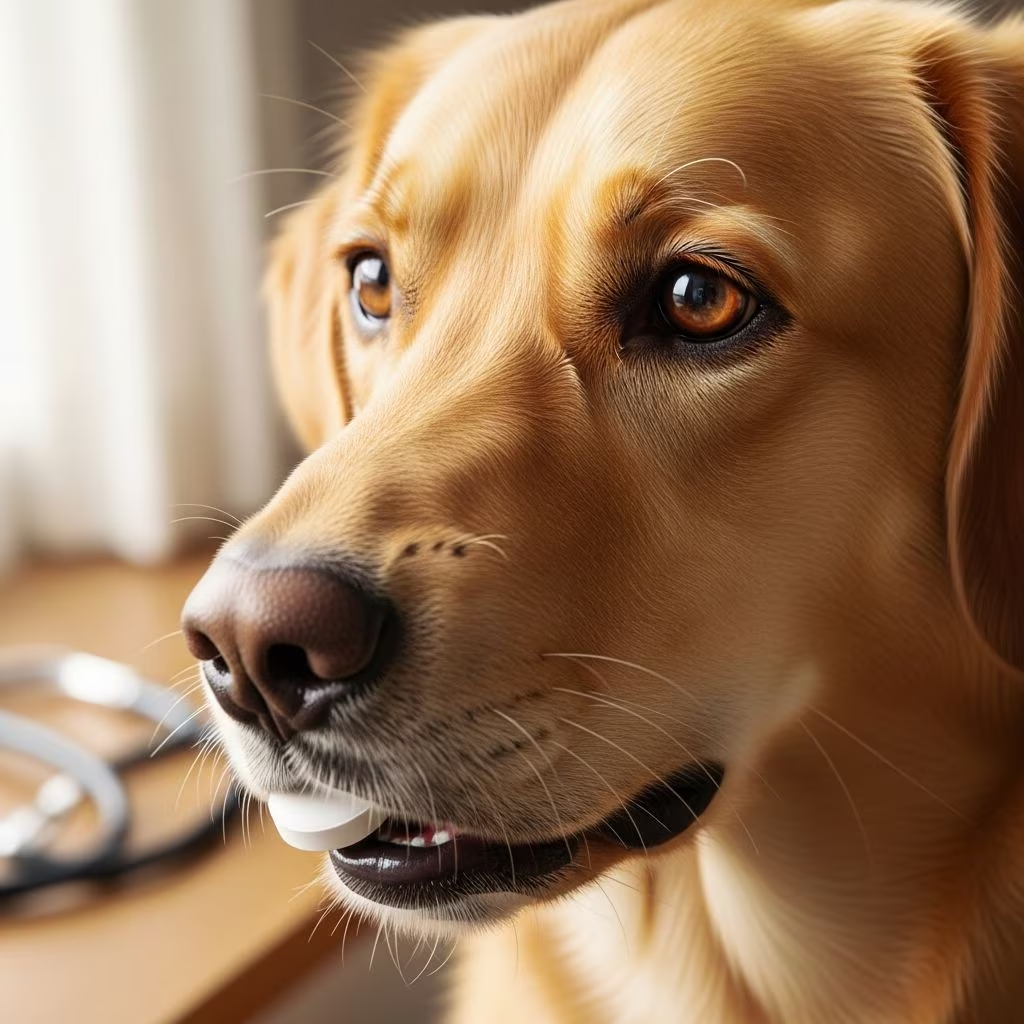
Nystatin serves as a key antifungal medication for dogs, primarily targeting yeast infections caused by organisms like Candida albicans. It disrupts fungal cell membranes, effectively controlling infections in areas such as ears, skin, and anal glands when used in topical combinations like Panalog or Animax.
Understanding Fungal Infections in Canines
Dogs can develop fungal infections from yeasts and molds, often thriving in warm, moist environments like ear canals or skin folds. Common culprits include Candida albicans, leading to symptoms like itching, redness, discharge, and foul odors. These infections may complicate bacterial issues or arise from allergies, poor hygiene, or immune suppression.
Ear infections, known as otitis externa, frequently involve yeast overgrowth, especially in breeds with floppy ears like Cocker Spaniels or Labs. Skin conditions such as interdigital cysts between toes or anal sac infections also respond well to antifungal intervention. Early detection prevents chronic problems, emphasizing the need for veterinary diagnosis via cytology or culture.
How Nystatin Targets Fungal Pathogens
This polyene antifungal binds to ergosterol in fungal cell walls, creating pores that leak essential cellular contents, leading to microbial death. Unlike systemic azoles, nystatin acts locally with minimal absorption, reducing widespread side effects.
In veterinary products, it’s often combined with neomycin (antibacterial), thiostrepton (anti-staphylococcal), and triamcinolone acetonide (corticosteroid) for broad-spectrum relief against mixed infections and inflammation. These formulations, FDA-approved for dogs and cats, address both the infection and discomfort.
Approved Uses and Applications in Dogs
- Ear Infections: Applied as drops or ointment for acute otitis externa; cleanses and soothes inflamed canals.
- Skin Disorders: Treats pyoderma, hot spots, and interdigital furunculosis where yeast contributes.
- Anal Gland Issues: Manages infections in sacs prone to bacterial and fungal buildup.
- Other: Occasionally for oral thrush or superficial wounds, though not for deep abscesses or viral/parasitic causes.
Not suitable for ruptured eardrums, tuberculosis-like skin lesions, or pregnant dogs due to steroid components.
Available Forms and Administration Methods
Nystatin appears in ointments (e.g., 7.5ml/15ml tubes with 100,000 units nystatin), creams, oral suspensions (100,000 units/ml), or tablets (500,000 units). Combination products like Panalog contain 100,000 units nystatin, 2.5mg neomycin sulfate, 2,500 units thiostrepton, and 1mg triamcinolone per application.
| Form | Typical Use | Dosage Example |
|---|---|---|
| Ointment/Cream | Skin/Ears | 3-5 drops ear canal BID x7 days; thin layer on skin TID x7 days |
| Oral Suspension | GI/Oral | 50,000-150,000 units PO q6-8h |
| Powder | Topical Mix | As directed, 100,000u/gm |
Apply topically after cleaning the area; trim hair if needed. Prevent licking for 20-30 minutes post-application using gloves. Effects begin in 1-2 hours, with visible improvement in days.
Precise Dosage Guidelines for Safety
Veterinarian-directed dosing varies by condition severity and pet size. For ears: instill 3-5 drops twice daily for 7 days. Skin: apply sparingly 2-3 times daily. Oral for candidiasis: 50,000-150,000 units every 6-8 hours until resolved. Complete full course to avoid resistance.
Small breeds or large-area treatments require caution due to potential steroid absorption. Monitor for overuse signs like increased thirst/urination.
Potential Side Effects and Monitoring
Generally well-tolerated, but watch for:
- Local Reactions: Mild redness, irritation at site.
- Systemic (Rare): Polydipsia, polyuria, weight gain from steroid; skin thinning, hair loss with prolonged use.
- Allergic: Swelling, hives—discontinue immediately.
Pets with liver/kidney issues may experience prolonged effects. Report worsening symptoms promptly.
Critical Precautions and Contraindications
Avoid in hypersensitive animals, ruptured tympanum, or TB skin infections. Use cautiously in small dogs, extensive areas, recurrent otitis, or pregnant pets. Not for eyes, deep wounds, or bacterial-only issues without confirmation.
Store at room temperature, airtight, away from light/heat. No major drug interactions noted, but consult vet for polypharmacy.
When to Consult a Veterinarian
Always obtain prescription; self-treatment risks misdiagnosis. Seek care if no improvement in 2-3 days, or for symptoms like head shaking, paw licking, or scooting. Diagnostic tools like ear swabs ensure targeted therapy.
Frequently Asked Questions (FAQs)
Can nystatin be used alone or only in combinations?
Pure nystatin targets fungi specifically, but combos like Panalog add antibiotics/steroids for mixed infections.
Is nystatin safe for puppies or senior dogs?
Yes, with vet adjustment for size/condition; caution in small breeds.
How long does treatment last?
Typically 7 days, but chronic cases may extend—complete as prescribed.
What if my dog licks the ointment?
Minimal risk from nystatin, but prevent to avoid GI upset; use cone if needed.
Does nystatin work on bacterial infections?
No, alone it doesn’t; combos include antibacterials for that.
Preventing Fungal Recurrences in Dogs
Maintain ear hygiene with weekly cleaning, dry after baths/swims, manage allergies via diet/apoquel. Regular grooming reduces skin fold moisture. Probiotics support gut flora against candida overgrowth.
Breeds prone to issues: Bulldogs, Retrievers—proactive vet checkups key.
References
- Nystatin (Panalog®) for Dogs and Cats — PetPlace.com. 2023. https://www.petplace.com/article/drug-library/drug-library/library/nystatin-panalog-for-dogs-and-cats
- Nystatin Combination – Topical — VCA Animal Hospitals. 2023. https://vcahospitals.com/know-your-pet/nystatin-combination—topical
- Nystatin, Neomycin Sulfate, Thiostrepton, Triamcinolone – Topical — LookAheadVet.com. 2023. https://www.lookaheadvet.com/medications/animax
- Nystatin: Veterinary antifungal for infections — MonVet.com. 2023. https://monvet.com/en/product/nystatin-veterinary-antifungal-for-infections/
- Nystatin, Neomycin Sulfate, Thiostrepton and Triamcinolone Acetonide Ointment — FDA NADA 140-810, Clipper Distribution Company LLC. 2023. https://www.vippetcare.com/wp-content/uploads/2023/06/Derma-Vet-Ointment-15ml.pdf



