

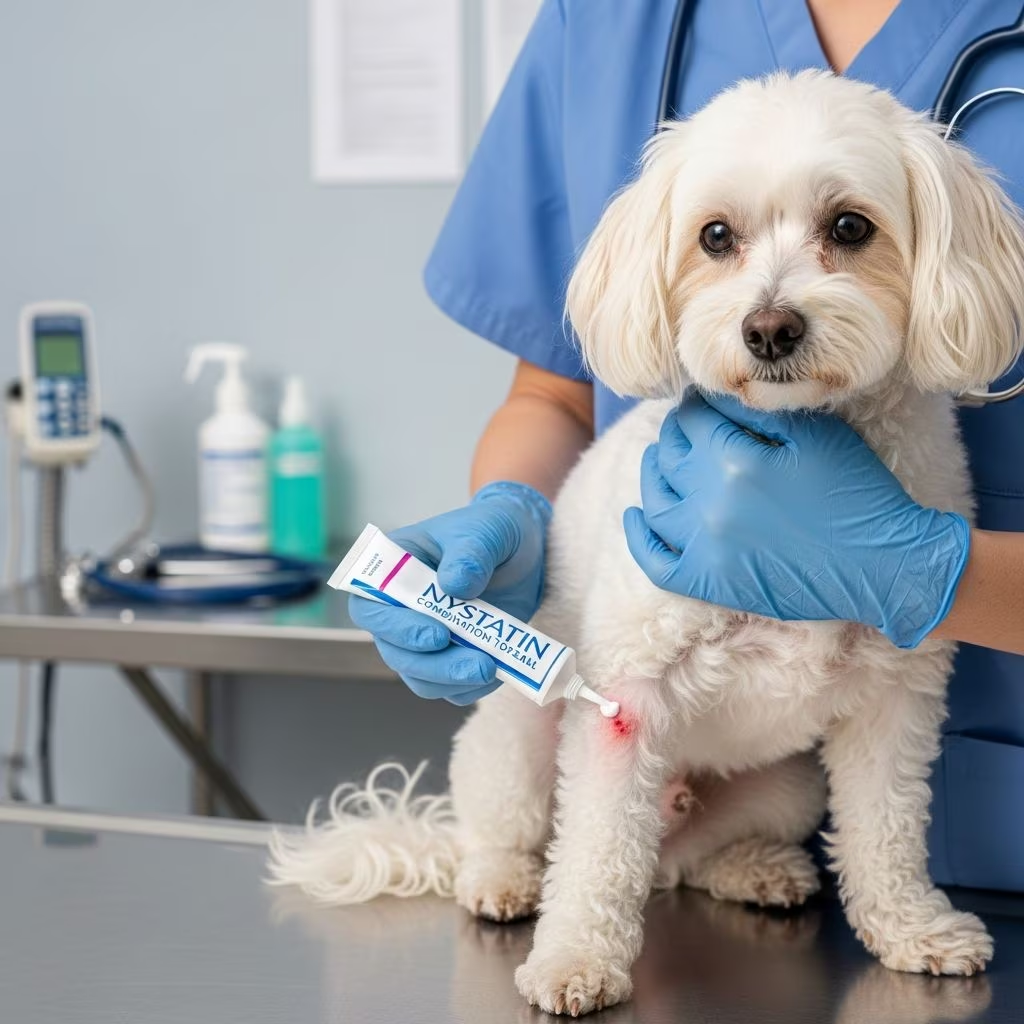
Understanding Nystatin Combination Topical Medications
Nystatin, neomycin sulfate, thiostrepton, and triamcinolone topical/otic medications represent a powerful combination treatment option for pet owners dealing with infectious and inflammatory conditions affecting their dogs and cats. Available under brand names including Animax®, Dermalog®, Panalog®, and Quadritop®, these combination medications work synergistically to address multiple aspects of skin, ear, and anal gland infections simultaneously. The formulation combines antimicrobial, antifungal, and anti-inflammatory properties that make it an efficient solution for treating complex dermatological conditions in companion animals.
This multi-component approach allows veterinarians to treat bacterial, fungal, and inflammatory skin conditions with a single topical application, reducing the need for multiple medications and simplifying the treatment regimen for pet owners. The FDA has approved this topical medicine combination for use in dogs and cats to treat infectious and inflammatory conditions of the skin, ears, and anal glands, ensuring both safety and efficacy for veterinary use.
Components and How They Work
Each ingredient in the nystatin combination topical formulation serves a specific therapeutic purpose:
Nystatin – The Antifungal Component
Nystatin is a broad-spectrum antifungal antibiotic that works by disrupting and weakening the fungal cell wall. It is particularly effective against fungal infections caused by Candida albicans, which commonly affects the skin and ears of dogs and cats. By interfering with the cell membrane of fungal microorganisms, nystatin prevents the growth and proliferation of yeast and mold-type fungi that cause conditions like ringworm (dermatophytosis) and other yeast-related skin infections.
Neomycin Sulfate – The Bacterial Antibiotic
Neomycin sulfate is an aminoglycoside antibiotic that treats superficial bacterial infections of the skin by preventing the growth of susceptible bacteria. It works by blocking the formation of key proteins necessary for bacterial survival. Because neomycin is poorly absorbed through the skin, it remains primarily on the skin’s surface, making it exceptionally effective against localized bacterial infections without significant systemic absorption.
Thiostrepton – The Secondary Antibacterial Agent
Thiostrepton is a natural cyclic oligopeptide antibiotic that provides additional antibacterial coverage. This ingredient works synergistically with neomycin to broaden the spectrum of bacterial infections that can be treated, ensuring comprehensive protection against various bacterial pathogens that may complicate skin conditions.
Triamcinolone – The Steroid Component
Triamcinolone is a cortisone-like steroid medication that provides significant anti-inflammatory benefits. This ingredient relieves itching and inflammation associated with skin and ear infections, offering symptomatic relief while the antimicrobial and antifungal components work to eliminate the underlying infection. The steroid component makes this combination particularly valuable for pets experiencing discomfort from inflammatory skin conditions.
Common Uses and Applications
Nystatin combination topical medications are prescribed for a wide range of conditions affecting dogs and cats:
- Fungal skin infections, particularly those caused by Candida species
- Acute otitis externa (ear inflammation and infection)
- Chronic ear problems and recurring ear infections
- Interdigital cysts (infections between the toes)
- Anal gland infections in dogs
- Superficial bacterial skin infections
- Mixed infections involving both bacterial and fungal organisms
The medication is particularly useful when treating conditions that require simultaneous control of bacterial growth, fungal proliferation, and inflammation. This makes it an ideal choice for complex or secondary skin infections that may develop from scratching or licking affected areas.
Available Formulations and Dosage Forms
Nystatin combination topical medications are available in several formulations to suit different treatment needs:
Veterinary Formulations
The standard veterinary ointment typically contains nystatin 100,000 units, neomycin sulfate 2.5 mg, thiostrepton 2,500 units, and triamcinolone 1.0 mg per application. These are commonly packaged in 7.5 mL and 15 mL tubes, providing flexibility for treating different-sized affected areas.
Dosage and Administration Guidelines
For ear infections, the typical dose of Panalog® ointment ranges from three to five drops in the ear canal twice daily for seven days. For skin infections, the cream or ointment should be applied to affected areas two to three times daily for seven days or as indicated by the veterinarian. Treatment duration may vary based on the severity of the infection and the pet’s individual response to therapy.
How to Properly Administer the Medication
Proper administration ensures maximum effectiveness and safety when using nystatin combination topical medications:
Before Application
- Trim hair at the application site only as necessary to expose the affected area
- Cleanse the area gently if medicated baths have been prescribed
- Allow the skin and fur to dry completely before applying the ointment
- When treating skin infections, daily to weekly baths with medicated shampoo may be prescribed; massage shampoo well into fur and leave in contact with skin for at least 10 minutes before rinsing
During Application
- Always wash hands after applying medication, or wear gloves to prevent skin contact
- Do not allow the dropper tip to touch your animal’s skin or any other surface to prevent contamination
- Avoid contact with eyes, mouth, and nose
- Apply the medication exactly as your veterinarian has prescribed
- Check the prescription label to ensure you are giving the drug correctly
After Application
- Do not allow contact with the application site for at least 20 to 30 minutes after applying the medication
- Prevent your animal from licking or chewing at affected areas to avoid delays in healing and potential introduction of new infections
- If necessary, your veterinarian may place an Elizabethan collar on your animal to prevent licking and chewing of the area
Duration and Continuation of Treatment
It is crucial to understand that medicated products can be given for various lengths of time depending on the specific condition being treated. You should ensure you understand how long your veterinarian wants you to continue giving this medication. Prescription refills may be necessary before the therapy will be complete. Before stopping this medication, always consult with your veterinarian, as there may be important reasons to continue its use even if your pet appears to be feeling better. Completing the full course of treatment as prescribed helps prevent recurrence of the infection.
Timeline of Effectiveness
Understanding when to expect results is important for proper treatment management. This medication should start having effects within 1 to 2 hours of application; however, you may not see visible effects outwardly immediately. Your animal should begin feeling better within 1 to 2 days, with improvements in itching and discomfort becoming noticeable as inflammation decreases. The effects of this medication are moderate in duration, meaning they may last for a few days, although the benefits may be prolonged if your animal has decreased kidney and/or liver function.
Side Effects and Safety Considerations
Side Effect Profile
In dogs and cats, nystatin combination topical medication is typically well tolerated. Side effects that usually are not serious include redness or discomfort at the site of application. You don’t have to be overly concerned if you see any of these signs unless they are severe, worsen, or continue to be a problem. Contact your veterinarian if side effects persist or escalate.
Precautions and Contraindications
This medicine should NOT be used in animals with:
- Confirmed or suspected ruptured ear drum
- Known hypersensitivity or allergy to any of the medication components
- Tuberculosis infections of the skin
This medicine should be used WITH CAUTION in patients:
- With small body size (for example, toy breeds)
- That require treatment of large areas
- With recurring ear infections
If your animal has any of these conditions, talk to your veterinarian about the potential risks versus benefits. The steroid component of this medication combination can be absorbed into the circulation, and chronic use may suppress the function of the adrenal glands, making careful monitoring important for long-term treatment.
Drug Interactions and Monitoring
Drug Interactions
No known drug interactions have been reported for this medication. Be sure to tell your veterinarian about any medications (including vitamins, supplements, or herbal therapies) that your pet is taking before starting any new treatment. This comprehensive disclosure helps ensure that the nystatin combination medication is the most appropriate choice for your pet’s condition.
Follow-up Monitoring
Your veterinarian may schedule a follow-up visit after the course of medication is complete to ensure the infection has been cleared and/or perform additional testing to ensure this is the right medication for the type of infection present. In this case, follow your veterinarian’s directions carefully to optimize treatment outcomes and prevent recurrence.
Frequently Asked Questions About Nystatin Combination Topical
Q: Can nystatin combination topical medication be used in cats?
A: Yes, nystatin combination topical medications are FDA-approved for use in both dogs and cats to treat infectious and inflammatory conditions of the skin, ears, and anal glands.
Q: How quickly will my pet feel relief from itching?
A: Your animal should begin feeling better within 1 to 2 days, with improvements in itching and discomfort becoming noticeable as the anti-inflammatory component reduces swelling and irritation.
Q: Can I stop the medication early if my pet seems better?
A: No, you should give this medication to your pet for the entire time prescribed by your veterinarian, even if it appears that your pet is feeling better. Stopping early can allow the infection to recur.
Q: What should I do if my pet has a ruptured ear drum?
A: This medication should NOT be used if your pet has a confirmed or suspected ruptured ear drum. Contact your veterinarian immediately for alternative treatment options.
Q: Can this medication be absorbed systemically?
A: Yes, it is possible that the steroid component can be absorbed into the circulation. Chronic use can suppress the function of the adrenal glands, which is why follow-up monitoring is important for extended treatment periods.
Q: What should I do if my pet licks or chews at the application site?
A: Prevent licking and chewing for at least 20 to 30 minutes after application. If your pet continues to lick or chew the area, inform your veterinarian, who may recommend using an Elizabethan collar.
Storage and Handling
Store nystatin combination topical medications according to the instructions provided on the prescription label. Most formulations should be stored at room temperature, away from excessive heat and moisture. Keep the medication in its original container with the cap tightly closed. Do not use the medication beyond the expiration date printed on the label.
Conclusion
Nystatin combination topical medications represent an effective and convenient treatment option for managing infectious and inflammatory conditions of the skin, ears, and anal glands in dogs and cats. The synergistic action of the antifungal, antimicrobial, and anti-inflammatory components makes these medications particularly valuable for treating complex or mixed infections. By following your veterinarian’s prescribing instructions carefully, understanding proper application techniques, and completing the full course of treatment, you can help ensure the best possible outcomes for your pet. Always maintain open communication with your veterinarian about your pet’s response to treatment and any concerns that arise during therapy.
References
- Nystatin, Neomycin Sulfate, Thiostrepton, and Triamcinolone Topical/Otic — VCA Animal Hospitals. 2025. https://vcahospitals.com/know-your-pet/nystatin-neomycin-sulfate-thiostrepton-and-triamcinolone-topicalotic-animax
- Nystatin, Neomycin Sulfate, Thiostrepton, Triamcinolone – Topical — Lookahead Veterinary. 2025. https://www.lookaheadvet.com/medications/animax
- Animax Ointment for Dogs and Cats — PetMD. 2025. https://www.petmd.com/pet-medication/animax-ointment
- Nystatin (Panalog®) for Dogs and Cats — PetPlace.com. 2025. https://www.petplace.com/article/drug-library/drug-library/library/nystatin-panalog-for-dogs-and-cats
- Animax Ointment for Dogs and Cats — WebMD Pets. 2025. https://www.webmd.com/pets/pet-meds/animax-ointment-dogs-cats



